Find Us:
77 Fernvale Rd
Brassall QLD 4305
(07) 3201 8630
Open:
Tue-Sun 9am - 4pm
We Don't Elevate a Profession by Diminishing Education
We don’t elevate a profession by diminishing education. We elevate it by demanding better education, better mentoring, stronger apprenticeships and a culture that celebrates knowledge instead of dismissing it.
A recent post began with a question about whether someone had any formal education beyond some permaculture modules.
The response argued that questions about qualifications can be used to diminish people with lived experience and make them feel they are not good enough to participate. It celebrated learning through doing, mentoring, self-directed study and what is often called the “school of life”.
I understand that argument.
I also strongly disagree with where it leads.
There are certainly times when qualifications are used as a weapon. There are people with extraordinary knowledge who have never completed formal study, and there are people with qualifications who have failed to develop practical competence. A certificate alone does not make someone an expert, just as decades spent doing something do not automatically mean it has been done well.
But dismissing formal education as unnecessary, inferior or less authentic is not the answer.
At a time when horticulturists in Australia are fighting to have our work recognised as a genuine profession, we should not be celebrating the erosion of education. We should be demanding better education, stronger apprenticeships, meaningful professional development and far greater recognition of horticultural knowledge.
Horticulture in Australia lacks the recognition and professional standing afforded to many other skilled trades and professions. Even the way our work is classified and described continues to blur the distinction between a horticulturist and a gardener. Industry professionals are currently advocating for horticulture to be properly represented as a profession rather than being reduced to the broad occupational identity of “gardener”.
That distinction matters.
Gardening is an activity that belongs to everyone. It can be a hobby, a passion, a therapeutic practice, a lifestyle or a way to connect with food, nature and community.
Horticulture is a body of professional knowledge.
It encompasses plant physiology, botany, taxonomy, soil science, plant nutrition, propagation, nursery production, plant pathology, entomology, irrigation, biosecurity, landscape establishment, plant selection, weed science and environmental management.
A professional horticulturist may work in production nurseries, public landscapes, botanic gardens, revegetation, plant breeding, education, biosecurity, therapeutic horticulture, urban forestry, sports turf, research, garden design or specialist plant collections.
This is not simply knowing which plant looks attractive in a particular corner of a garden. It is understanding how plants grow, why they fail, how they interact with soil, water, climate, pests, diseases and other organisms, and how the decisions we make today may affect a landscape for decades.
Yet horticulture has increasingly been repackaged as a feeling.
It has become lifestyle content.
It has become beautiful gardens, personal journeys, wellness, sustainability, slow living and visually pleasing reels. None of those things are inherently bad. Inspiration has value. Lifestyle communicators can encourage people to grow food, compost, plant trees and connect with the natural world.
The problem begins when inspiration is treated as expertise and popularity is mistaken for professional authority.
There is a difference between being a lifestyle influencer and being a professional horticulturist.
We should be able to say that plainly.
When you landscaped your own garden, where did the knowledge and inspiration ultimately come from? Perhaps you watched a social media reel or read an online article, but behind the landscapes we admire are generations of professional horticulturists, botanists, designers, growers, scientists, collectors and educators.
The great gardens and horticultural institutions of Australia and the world were not created through social media influence. They were built through professional knowledge, accumulated experience, education, experimentation and the work of people who dedicated their lives to understanding plants.
The Royal Botanic Gardens, Kew, is internationally respected not because it treats horticulture as an informal lifestyle pursuit, but because it recognises the depth of knowledge required to practise it well. Its renowned Kew Diploma in Horticulture is an intensive three-year program combining structured study with practical work. The commitment required is perhaps best understood as being comparable to completing a bachelor’s degree while simultaneously undertaking a substantial industry internship.
That combination is important.
It is not education instead of experience. It is education strengthened by experience. That is how expertise is built.
Even trades that are heavily based on practical learning require formal qualifications, structured apprenticeships, supervision and demonstrated competency. We do not tell an aspiring electrician that lived experience and self-directed learning are enough. We do not suggest that someone who has renovated several houses should be accepted as a qualified builder.
We recognise that practical experience needs to be supported by tested knowledge, professional standards and accountability.
Why should horticulture be treated as though it requires less?
I'll be the first to admit that my own formal horticultural education was nowhere near as comprehensive as the education received by some of the people I admire. But that is not an argument against education. It is an argument for better education. My qualification did not make me an expert. It gave me the foundation upon which I could continue building.
Who did I learn from once I entered the field?
I learnt from professional horticulturists, botanists, growers, nursery managers, researchers, plant breeders and specialists. I learnt from people who had received excellent formal education and from those who had, in turn, been mentored by some of the best people in the industry.
I read textbooks recognised by leading horticultural institutions. I read books, articles, professional blogs and research papers. I attended industry talks, conferences, workshops and field days. I listened to people who knew more than I did, and I actively sought out opportunities to learn.
I have also learnt an enormous amount from passionate gardeners and hobbyists. Some have spent decades studying orchids, roses, camellias, Australian plants, bonsai, succulents or specialist collections. Their depth of practical knowledge can be extraordinary.
But they did not develop that knowledge in complete isolation.
They learnt from books written by professionals. They attended talks delivered by professionals. They joined societies shaped by recognised experts. They visited botanic gardens, corresponded with researchers, learnt from experienced growers and built upon knowledge passed down through generations.
Their expertise is real, but it exists within a much larger tradition of professional learning.
Of course, I have followed people online. I have watched videos, read social media posts and listened to people sharing their experiences. Some of that information has been useful and some of it has been wrong.
The difference is that my background education gave me the ability to assess what I was hearing.
Does this align with plant physiology? Does it make sense biologically? Is it appropriate for my climate and soil? Is there evidence behind it? Can it be verified through a reliable source? Is this person explaining a tested principle, or merely repeating something that worked once in a particular garden?
Education did not simply tell me what to think.
It helped teach me how to think.
That is one of the greatest values of formal learning. It gives us a framework through which we can examine new information, recognise gaps in our understanding and make better decisions.
Experience is essential, but experience without education, feedback or critical examination can reinforce poor practices.
Someone can do something incorrectly for thirty years and truthfully claim to have thirty years of experience.
Length of experience alone does not prove the quality of the knowledge acquired.
This is why good professionals continue learning long after they graduate. Professional education is not a single qualification earned at the beginning of a career and displayed forever. It is an ongoing responsibility.
Professional horticultural organisations expect members to maintain and develop their knowledge through conferences, seminars, talks, field days, technical reading and continuing professional development. The best horticulturists I know remain curious. They question themselves, update their practices and accept that knowledge changes as research, climates, pests, diseases and technology change.
That is what professional responsibility looks like.
When a nationally recognised public figure suggests that the school of life is enough, it carries weight. It does not exist in a vacuum. It reinforces a wider narrative that formal education is unnecessary and that lived experience is somehow more genuine than structured professional learning.
At another time, that message might simply be frustrating.
At this moment in Australian horticulture, it is damaging.
For decades, Australia has weakened the institutions that once supported horticultural education. Specialist training colleges have disappeared or been absorbed. Courses have been reduced. Apprenticeship pathways have weakened. Opportunities for rigorous, long-term practical and academic training have become harder to find.
We have diminished the system and then used its shortcomings as evidence that people do not need it. That is backwards. Poor education should make us demand better education. Limited apprenticeships should make us fight for stronger apprenticeships. A profession struggling for recognition should make those with public influence advocate more strongly for professional standards, not dismiss them. Destroying the value of education to make an informal pathway appear superior does not lift anyone up. It diminishes the people who spent years teaching, researching, mentoring and building the knowledge we all use. It also sends a clear message to the next generation: do not bother studying, because passion and online visibility are enough.
But who will become the next plant pathologists, taxonomists, propagators, nursery production specialists, seed collectors, botanic garden curators, educators and researchers if we stop encouraging serious study?
Who will identify emerging pests and diseases?
Who will conserve threatened plants?
Who will develop resilient landscapes for a changing climate?
Who will train the people who come after us?
Who will create the knowledge that future lifestyle content will draw upon?
Information on the internet is not the same as a living profession.
The internet can distribute information at extraordinary speed, but it does not necessarily preserve context, accuracy or accountability. Algorithms reward confidence, simplicity and emotional appeal. Professional horticulture is rarely simple. The correct answer is often dependent on species, location, season, soil, climate and purpose.
When professional knowledge is reduced to mass-media content, nuance is lost. When popularity becomes the measure of authority, expertise is pushed aside by whatever is easiest to watch and share.
We should be deeply concerned about what happens when the people communicating horticultural information become more visible and more valued than the people creating, testing and preserving that knowledge.
This is not elitism.
It is not an attempt to prevent people from gardening, learning, sharing or participating. Gardening should remain accessible to everyone, and there is nothing wrong with being a hobbyist, an enthusiast or a lifestyle communicator.
There is also nothing wrong with acknowledging that these roles are different.
A passionate gardener may know more about a particular plant group than many qualified horticulturists. A grower may possess extraordinary practical knowledge developed over a lifetime. A gifted communicator may inspire thousands of people to begin gardening.
All of that deserves respect. But respecting one form of knowledge should never require us to diminish another.
We don't elevate a profession by diminishing education. We elevate it by demanding better education, better mentoring, stronger apprenticeships and a culture that celebrates knowledge instead of dismissing it. We do not strengthen horticulture by dissolving it into an undefined lifestyle identity where expertise and enthusiasm are treated as though they are interchangeable. We strengthen it by recognising that knowledge has value, that professional standards matter and that those who dedicate their lives to understanding plants deserve to be recognised for the profession they have chosen.
Qualifications are not everything.
Experience is not everything.
Social influence is certainly not everything.
Real expertise is built through education, experience, critical thinking, mentorship, curiosity, humility and a lifelong commitment to learning.
In a society that increasingly celebrates confidence over competence and visibility over knowledge, we need to take a stand.
We need to stop pulling professionals down to make expertise feel more accessible.
We need to stop treating education as an act of exclusion.
We need to stop applauding messages that suggest professional learning is unnecessary while the profession itself is fighting to survive.
Horticulture deserves to be recognised as a skilled and knowledgeable profession.
The people who came before us deserve to have their work acknowledged.
The people entering the industry deserve access to better education than many of us received.
And the generations who come after us deserve more than fragments of information repeated through social media.
They deserve a living, respected profession capable of teaching them.
Beyond Grevilleas: Rethinking the Australian Native Garden
How we've unintentionally narrowed our understanding of native gardening, the difference between native, indigenous and endemic plants, and why South East Queensland deserves a much broader conversation about Australia's extraordinary flora.
"I'm creating a native garden."
It's a phrase I hear almost every day at Trevallan.
On the surface, it sounds like one of the easiest requests in the world to help with. As a horticulturist, I should know exactly where to point someone.
But the longer I've worked in this industry, the more I've realised it isn't actually a simple question at all.
In fact, I think it's one of the most misunderstood conversations we have in horticulture.
Let me explain.
A Thought Experiment
Imagine I tell you I've just bought a new house. The soil is poor, the block is hot and exposed, and I've decided I'm going to create a native garden. Not just any native garden. A purist native garden. No exotics. Only Australian native plants.
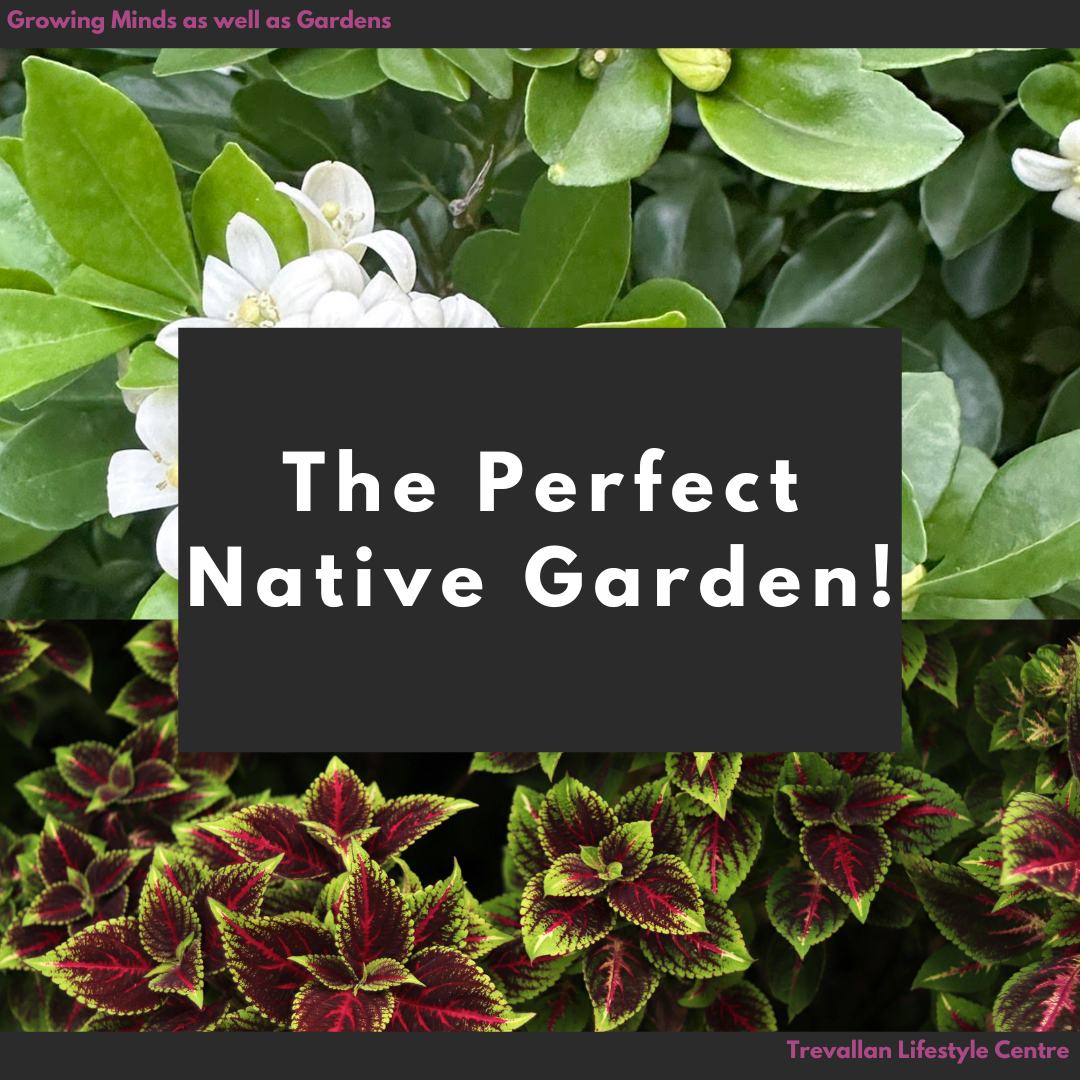
I've settled on a Murraya hedge, with colourful drifts of Coleus as the bedding plants beneath it.
How did you react?
If you're like most people, you probably paused for a second. Some of you may even have wondered whether I'd completely lost the plot. After all, when we picture a native garden, most of us immediately think of Grevilleas, Banksias, Bottlebrushes and Kangaroo Paws.
Yet here's the interesting part.
Murraya paniculata naturally occurs in northern Australia, while Coleus scutellarioides is also native to northern Australia, although both natural ranges extend into Southeast Asia and the Pacific.
So why does this garden feel wrong? The more I've thought about it, the more I think that answer says more about our perception of native gardening than it does about the plants themselves.
Somewhere Along the Way, We Created a Picture of what a Native Garden should look like
Somewhere over the years we've collectively built an image in our minds of what a native garden should look like. It usually includes Grevilleas, Banksias, Bottlebrushes, Kangaroo Paws and perhaps a few Lomandra. Now, this isn't something I have learnt from a design textbook. It's something that's slowly become obvious after thousands of conversations with customers.
Now these are all fantastic plants and I happily recommend them but they're only a tiny chapter in Australia's botanical story.
Australia has more than 24,000 native plant species. We have rainforest trees, epiphytes, orchids, palms, vines, ferns, lilies, herbs and groundcovers. There are plants that have evolved in deserts, alpine regions, wetlands, coastal dunes and subtropical rainforests. Some thrive in deep shade while others wouldn't survive without full sun.
The diversity is extraordinary.
Yet if you asked most Australians to describe a native garden, I suspect many would describe the same ten to twenty plants.
I don't think we've ended up here deliberately.
The nursery (growers) industry, gardening magazines, television programs and even local councils have naturally gravitated towards plants that have beautiful flowers, seem to be relatively easy to grow for growers and are commercially viable (looks good in a pot for an extended period of time). Grevilleas flower spectacularly, Bottlebrushes attract birds and Banksias make outstanding feature plants.
It's hardly surprising they've become the public face of Australian native gardening.
The problem isn't that these plants are popular. The problem is when they become the whole story.
What Do We Actually Mean by "Native"?
A native plant is one that occurs naturally somewhere in Australia. Some Australian native plants are found only here, while others naturally occur across Australia and neighbouring countries.
An indigenous plant occurs naturally within a particular local area or ecosystem. They are a subset of native plants that have evolved alongside the soils, climate and wildlife of that specific region.
An endemic plant is even more specialised. It is naturally restricted to one particular geographical location and occurs nowhere else on Earth.
Those distinctions might sound like botanical jargon, but they completely change the conversation.
Take Murraya paniculata as an example. It occurs naturally in northern Australia, but it is also native to parts of Southeast Asia and the Pacific. Its wider distribution doesn't make it any less Australian—it is still one of our native plants.
At the other end of the spectrum are plants that occur naturally in only a very small part of Australia. A species found only on Mount Walker, near Ipswich, is just as much an Australian native when it's planted in Sydney as a Western Australian Banksia is when it's planted in Brisbane. Neither has become any more or less Australian simply because it's growing outside its natural range.
Neither is more "Australian" than the other. They're simply native at different scales.
Then, just as you think you've got your head around that, another question appears.
What about cultivars?
Many of the native plants we grow today aren’t naturally occurring forms. They’re cultivars, plants selected or bred for particular characteristics such as more prolific flowering, compact growth, colourful foliage, disease resistance or a tidier habit. Some have been developed to fit into today’s smaller suburban gardens. Others have been selected because they flower for longer or have a more striking appearance than the original species.
So do they still count as native?
Botanically, they’re derived from native species. Ecologically, the answer depends on what you’re trying to achieve.
What I think we sometimes forget is that every breeding decision involves compromise. When we select a plant for one characteristic, we’re often changing others as well. A cultivar may have a longer flowering season, a more compact habit or brighter foliage, but that doesn’t automatically make it a better plant in every situation.
I’ve noticed this becoming more apparent over the years.
Take kangaroo paws, for example. The original taller species have earned a reputation for being tough, long-lived plants when grown in suitable conditions. Yet many of the newer compact hybrids, despite often being promoted as improved garden plants, can struggle to persist in pots through a single season in our South East Queensland climate. They look spectacular when they’re performing well, but I’ve found they can be far less forgiving than their taller relatives.
Grevilleas tell a similar story.
Compact and dwarf cultivars are incredibly popular because they flower heavily, fit neatly into modern gardens and are often promoted as low-maintenance alternatives to the larger species. Yet in Ipswich’s humidity, many of these newer selections can be more susceptible to fungal diseases and have a much shorter lifespan than gardeners expect. Meanwhile, some of the older, larger species and cultivars continue to grow happily for many years with comparatively few problems.
Does that mean cultivars are a mistake?
Not at all.
Many are outstanding garden plants and have opened Australian natives up to people with smaller gardens, balconies and courtyards. Plant breeding has given us an enormous range of beautiful plants that simply didn’t exist a few decades ago.
But I do think we’ve become a little too quick to assume that “new” automatically means “better”. Sometimes the original species has already spent thousands of years adapting to Australia’s conditions. That’s a difficult achievement for any plant breeder to improve upon.
Perhaps the question shouldn’t be whether a cultivar is better than the original.
Perhaps we should simply ask whether it’s the right plant for the place we’re asking it to grow.
And perhaps that's the question we should be asking first.
What Is Your Garden Trying to Achieve?
When someone tells me they want a native garden, I don't really want to know whether they like Grevilleas.
I want to know why.
What are you hoping to achieve?
Do you want to attract birds? If so, which ones? Nectar-feeding honeyeaters require very different plants to fruit-eating pigeons, and both have different needs to insect-eating birds or species that forage for lizards and insects through leaf litter.
Are you hoping to support butterflies? If so, are you planting nectar plants for the adults, or have you also considered the host plants their caterpillars need to survive?
Is your goal to create habitat for wildlife? Reduce water use? Restore a local ecosystem? Showcase Australian plants from across the country? Screen out the neighbours? Or perhaps you simply love the beauty and diversity of our native flora.
None of those answers are wrong.
In fact, they're all worthwhile.
But they all lead to different gardens.
A restoration project has very different goals to a suburban front yard. A wildlife garden may prioritise locally indigenous species that support particular insects, birds or mammals. A collector may delight in growing rare Australian plants from every corner of the country. Someone gardening on a small suburban block may choose compact cultivars simply because they're the right plant for the available space.
This is why I believe the question shouldn't be, "What are the best native plants?"
It should be, "What is this garden trying to achieve?"
Because once you understand the purpose, the plant selection becomes much clearer.
The Conversation We Have Every Day at Trevallan
One of my favourite conversations starts with a customer walking through the gate and asking,
"Where's your native section?"
I usually smile and reply,
"Which natives are you looking for?"
Something for full sun or deep shade?
A tree or a groundcover?
A climber?
An epiphyte?
A rainforest species?
Something indigenous to South East Queensland?
Or simply an Australian native?
There's usually a brief pause before they smile and say,
"You know... the Grevilleas."
So I start there.
Gently asking, explaining about dry rainforest plants, native herbs, climbers, epiphytes, lilies and ferns. We're talking about species they've never heard of and discovering just how incredibly diverse Australia's flora really is.
Honestly, that's one of my favourite parts of this job.
Watching someone fall in love with an Australian native plant they didn't even know existed.
South East Queensland Has One of Australia's Richest Floras
Living in South East Queensland gives us a unique perspective. We're surrounded by an extraordinary diversity of plant communities. Subtropical rainforests, dry rainforests, open eucalypt forests, wallum heathlands, wetlands, vine scrubs and coastal ecosystems all occur within a relatively small part of the country.
The diversity is remarkable.
Yet here's the challenge.
If we decided to plant only species indigenous to our own suburb, many of us would struggle to source enough plants commercially. Some of our most remarkable local species simply aren't produced in numbers large enough to supply garden centres, while others aren't grown commercially at all.
At Trevallan, we make a conscious effort to stock not only Australian plants from across the country, but also small batches of lesser-known South East Queensland natives whenever we can source them. Some of these are grown by passionate specialist nurseries, others we propagate ourselves, and many simply aren't available often enough to become everyday nursery plants.
It's something we'd love to see change.
The reality is that growers generally produce what they know will sell, and retailers can only stock what is available. Gardeners buy the plants they recognise, growers continue producing those plants, and the cycle repeats itself.
That's one of the reasons you see the same Grevilleas, Banksias and Bottlebrushes in nursery after nursery. They're excellent plants, they're reliable sellers, and they're readily available.
But beyond those familiar favourites is an extraordinary world of Australian plants that most gardeners never get the opportunity to discover.
Changing that won't happen overnight, and it won't happen because growers suddenly decide to produce different plants or customers demand something different.
Unless the media begins showcasing a broader range of Australian plants, unless gardening programs, magazines, councils, designers and landscapers stop relying on the same familiar species, and unless growers are willing to take greater responsibility for expanding what they produce, very little will change.
Garden centres can ask, encourage, educate and try to source more unusual plants, but we cannot sell what is not being grown.
That is the reality.
Growers have enormous influence over what becomes visible, available and eventually accepted by the public. If they continue producing only the plants they already know will sell, then gardeners will continue seeing the same plants, asking for the same plants and believing that those plants represent the full extent of Australian native gardening.
The media carries that same responsibility. What is repeatedly featured becomes familiar, and what becomes familiar becomes desirable. If the same Grevilleas, Banksias, Bottlebrushes and Kangaroo Paws continue to dominate magazines, television, council planting guides and social media, then lesser-known native plants remain invisible no matter how extraordinary they may be.
Retail garden centres are often left in the middle. We can try to introduce customers to rainforest species, climbers, epiphytes, herbs, ferns and locally indigenous plants, but without consistent supply and broader public awareness, those efforts remain limited.
Real change requires every level of the industry to step up.
Growers need to take more chances on underrepresented species. The media needs to broaden the plants it celebrates. Designers and councils need to specify beyond the usual shortlist. Horticultural professionals need to educate more confidently, and gardeners need to demand more than the same narrow version of a native garden.
Until that happens, we will keep talking about the extraordinary diversity of Australian flora while continuing to offer the public only a small fraction of it.ll.
Why Did We Start Oversimplifying Horticulture?
I recently read an article encouraging people to grow herbs and vegetables on an indoor windowsill and it frustrated me. The frustration had nothing to do with lettuce on a windowsill. It was simply another example of something I have been noticing for years.
Our desire to simplify horticulture to the point where we almost strip away the science, skill and professionalism that sit behind it.
The article wasn’t necessarily wrong.
Could you grow a small pot of parsley or chives on a bright windowsill?
Of course.
But should we really be promoting indoor windowsills as the answer to growing food?
Or should we be having a more honest conversation?
Most edible plants need far more light, airflow, space and seasonal cues than the average indoor environment can provide. Wouldn’t it be better to ask:
Do you have a sunny patio?
A courtyard?
A bright outdoor position?
Because that is where most people are far more likely to succeed, and that, for me, is the problem.
Somewhere along the way, we stopped educating people and started pandering to them, replacing nuanced horticultural advice with simple slogans that sound good but often fail to tell the whole story.
“Grow food indoors.”
“Just plant a native. You don’t need to water it.”
There is often a small grain of truth in these slogans, but they are so oversimplified that they stop being helpful. In fact, they can become damaging.
Horticulture is a science, a trade
Plants are living organisms responding to an incredible number of variables:
Light
Temperature
Soil structure
Soil biology
Water
Nutrition
Humidity
Seasonal changes
Microclimates
Two gardens in the same suburb can perform completely differently. A plant that thrives in one backyard may struggle next door. A herb grown in full sun can taste entirely different to the same herb grown in shade. A native plant from coastal Western Australia will have very different requirements from a rainforest species from South East Queensland.
Yet we continue to package gardening into neat little slogans because they are easy to communicate.
The problem is that nature doesn’t work in slogans.
And accessibility and oversimplification are not the same thing.
We don’t do this with other professions
We don’t tell people that electrical work is simply connecting a few wires together. We don’t tell people that building a house is simply stacking bricks. Yet horticulture is often portrayed as something anyone can master with a thirty-second video and an old container from the recycling bin.
As horticulturists, we spend years studying plant physiology, soils, pests, diseases, nutrition and environmental conditions because growing plants well is knowledge, not luck.
Why are we afraid to say that gardening costs money?
Horticulture also seems to be one of the few professions where we expect everything to be cheap. We don’t question paying a tradesperson for their expertise. We understand that quality ingredients make better food and that good tools make a job easier. Yet in horticulture, we’ve somehow created the expectation that a few dollars, an old container and a packet of old seed should produce the same results as years of experience, carefully developed potting mixes, quality fertilisers and generations of growing knowledge.
Then we wonder why people become disappointed when their results don’t match the promise.
Good plants, good soil, good nutrition and good advice all have value, and there is nothing wrong with saying so.
Growing food costs money. Growing plants costs money. Good potting mix costs money. Quality fertilisers cost money. Water costs money. Knowledge and years of experience are valuable.
Understanding this doesn’t make gardening exclusive. It makes it honest. There is absolutely nothing wrong with telling someone: “Yes, you can grow vegetables at home, and here are the tools and information that will help you do it successfully.” That’s education. That’s empowering. That’s setting people up to succeed.
The irony of oversimplification
The irony is that oversimplifying gardening often creates the very barriers we’re trying to remove. When people are told gardening is easy, and their plant fails, they often assume they are bad gardeners or have a black thumb. They think gardening is too difficult, or in the worst case, they blame the plant itself.
In reality, they were simply given incomplete information. Plants fail for many reasons, and understanding those reasons is where horticulture becomes both an art and a science. Good education gives people realistic expectations, the confidence to ask questions and the knowledge to try again.
Gardening should be accessible, but it should also be accurate
I want people living in apartments to grow herbs. I want children planting seeds. I want people who have never gardened before to discover the joy of watching something grow. But accessibility should never come at the expense of education. And it should never come at the expense of respecting horticulture as both a science and a profession. I believe people are hungry for more. They want to understand why their plants succeed and fail. They want to know how nature works. Our industry should be encouraging that curiosity, not reducing it to catchy one-liners.
Because horticulture isn’t simply putting a seed in a tin.
It’s science, an observation, an experience, a skill. It’s a TRADE!
And it’s time we started treating it that way again.
Winter Solstice 2026
The Winter Solstice marks the longest night of the year and the beginning of Cancer season, a time traditionally associated with reflection, intuition and renewal. Explore the history and meaning of this seasonal turning point, the practice of creating space for what comes next, and a collective tarot, essential oil and flower essence reading to guide the season ahead.
Winter Solstice, Cancer Season & Listening to What Lies Beneath
The Winter Solstice marks the shortest day and longest night of the year. For thousands of years, cultures around the world have honoured this seasonal turning point with rituals, feasts, fires, candles and quiet reflection.
While traditions varied, many shared a common theme: acknowledging the darkness while celebrating the gradual return of the light.
In our modern world, it is easy to view the solstice as simply a date on the calendar. Yet it remains a powerful reminder that nature moves in cycles. There are seasons of growth, abundance, harvest and reflection.
The Winter Solstice isn't really about manifesting in the way social media often presents it. Traditionally, it is about honouring the darkness, listening deeply and trusting that growth is occurring even when you cannot yet see it.
Adding another layer to this seasonal turning point, the Winter Solstice also marks the beginning of Cancer season in astrology.
Ruled by the Moon, Cancer is associated with intuition, emotions, home, family, nurturing and the quieter wisdom that emerges when we slow down enough to listen. It encourages us to turn inward, reflect on what truly nourishes us and pay attention to the subtle messages that often become lost in the busyness of everyday life.
Together, the Winter Solstice and Cancer season invite us to pause, reflect and reconnect with ourselves before the light begins its gradual return.
One of the ways many people honour this transition is through clearing space.
This can be as practical as decluttering a room, opening the windows, cleaning forgotten corners or refreshing your surroundings. It can also be energetic: releasing old stories, limiting beliefs, emotional baggage or patterns that no longer support where you are heading.
Creating space is not about getting rid of things for the sake of it. It is about becoming intentional about what you wish to carry forward into the next season.
If space clearing is something you would like to explore further, I have written several blogs on the practice and how it can be incorporated into everyday life.
A Winter Solstice Reflection
At Potionatrix, I have been leaning into the energy of the Winter Solstice. To explore the themes of this season, I asked three questions:
What is my intuition trying to tell me right now?
What needs my care, attention and nourishment over the coming months?
How can I honour my own natural rhythm instead of forcing growth?
The cards that emerged carried a surprisingly consistent message.
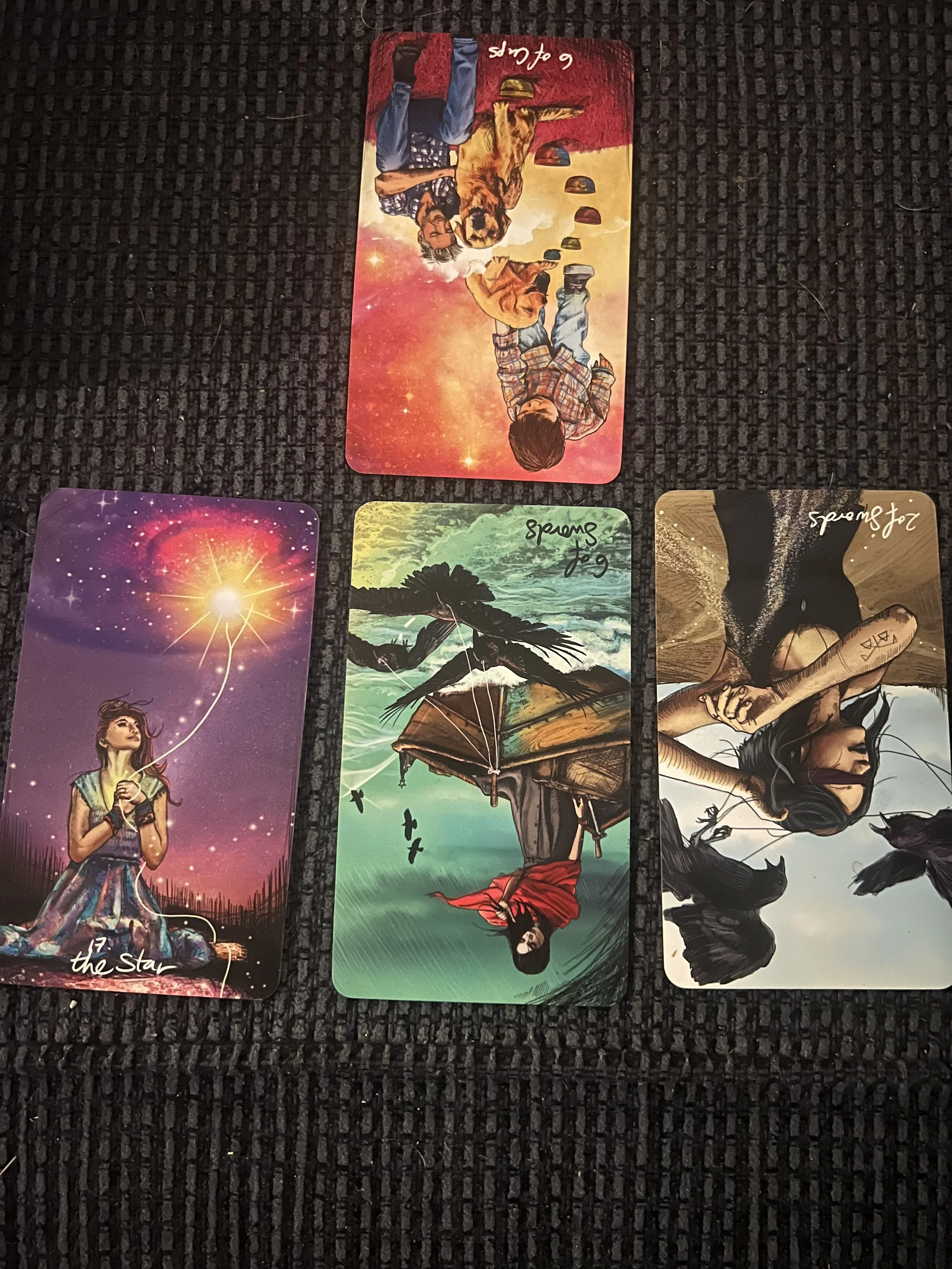
The overarching card was the Six of Cups Reversed, often associated with releasing old stories, outdated expectations and patterns that may once have served a purpose but no longer align with who we are becoming.
The Star appeared as a reminder of hope, trust and inspiration. Even when the path ahead is not fully visible, it encourages us to stay connected to what lights us up and trust that we are being guided forward.
The Six of Swords Reversed suggested a transition that is underway but perhaps not yet fully embraced. Rather than forcing movement, it asks us to gently acknowledge where we may be resisting necessary change.
The Two of Swords Reversed invited honesty. Sometimes the answers we seek are already present. We simply need to stop avoiding them and trust what we already know.
Taken together, the cards reflected a theme that feels perfectly aligned with both the Winter Solstice and Cancer season:
Trust what is calling you forward.
Release what belongs to the past.
Stop forcing outcomes.
Listen to your inner wisdom.
Allow change to unfold in its own time.
Aromatherapy & Flower Essence Support
To complement the reading, an essential oil and bush flower essence were selected.
Ylang Ylang emerged as the essential oil companion for this solstice. Often associated with self-acceptance, emotional balance, joy and surrender, it encourages us to soften our grip on control and reconnect with the heart.
The Australian Bush Flower Essence Sedum was also selected. Sedum is traditionally used when we feel disconnected, isolated or separate from others. It reminds us of our place within community, family and the wider web of life.
Together, they offered a gentle reminder that growth does not always come from pushing harder. Sometimes it comes from allowing support, trusting ourselves and reconnecting with what truly nourishes us.
Your Winter Solstice Invitation
If you feel called to create your own Winter Solstice ritual, consider lighting a candle, diffusing a favourite oil, pulling a card and spending a few moments with these questions:
What is my intuition trying to tell me right now?
What needs my care, attention and nourishment over the coming months?
How can I honour my own natural rhythm instead of forcing growth?
The answers may not arrive immediately. Like the gradual return of the light after the solstice, some insights reveal themselves slowly. And perhaps that is the lesson of this season. Not everything needs to be rushed. Not every answer arrives the moment we ask the question. Sometimes growth begins quietly, beneath the surface, long before we can see the results.
The Winter Solstice invites us to trust that process.
The Face of Horticulture
Explores the growing shift in horticultural retail toward self-service tools such as QR codes, quick videos and online advice, while highlighting the continued importance of qualified, personalised horticultural support.
Why Qualified Horticultural Advice Still Matters
I’ve noticed a growing trend in the retail side of horticulture.
More and more, personalised, qualified help is being replaced by QR codes, quick how-to videos, plant labels, and a fast Google search. Customers can learn a lot before they even walk through the door, and honestly, I love that those tools exist.
I use them too.
There is so much information available now, and that can be incredibly empowering. People can research plants, look up care tips, watch tutorials, compare varieties, and arrive at a much better idea of what they might like to grow.
But I never want anyone to feel like they can’t ask.
Because plants are not one-size-fits-all.
A 30-second video cannot see your aspect, your microclimate, your soil type, your drainage, your watering habits, or the fact that your neighbour’s garden gets two extra hours of sun and behaves completely differently. Even next door can be a completely different growing world.
This is something we see every day in store. Two people can buy the same plant, follow the same basic care instructions, and end up with very different results.
One garden might have heavy clay soil, while another might be sandy and free-draining. One courtyard might trap heat, while another gets reflected afternoon sun from a fence, wall, or concrete path. One person might water lightly every day, while another gives a deep soak once a week.
On paper, the plant is the same.
In real life, the growing conditions are not.
That is where qualified horticultural advice matters. It is not about making gardening more complicated. It is about helping people understand the conditions they actually have, rather than the ideal conditions printed on a label or shown in a quick video.
Somewhere along the way, we have also over-simplified the message.
Plants are often marketed as “easy”, “hardy”, “low maintenance”, or “almost impossible to kill”. And while I understand why those words are used, they can also set people up to feel like they have failed when something struggles.
But most of the time, it is not a “bad plant”.
It is a mismatch.
Wrong position. Wrong soil. Wrong timing. Wrong watering. Wrong expectation. Or simply the wrong care for your conditions.
A plant can be easy in the right place and difficult in the wrong one. Full sun in Ipswich is not the same as full sun in a cooler climate. A shade plant in a humid rainforest-style garden is not always going to behave the same way in dry shade under an eucalypt. A plant that thrives in the ground may sulk in a pot. A plant that loves free drainage may slowly decline in heavy soil.
This is why I never want Trevallan to become a self-service garden centre.
I love questions.
I love it when someone brings in photos of their garden, their soil, their struggling plant, or the empty space they are trying to fill. I love helping people work out what will actually suit their home, not just what looks good on a bench. And I also love it when someone stumps me, because then I get to research properly.
That is the joy and the responsibility of this side of our industry.
Most independent garden centres, especially here around Ipswich, have well-trained staff who live and breathe horticulture. We are not just scanning barcodes and pointing people towards a sign. We are listening, asking questions, drawing on experience, and trying to help customers succeed long-term.
And if we do not know the answer immediately, we go and find out.
That knowledge matters.
It matters because gardening confidence is not built by being told something is easy. It is built by understanding why something works, why something failed, and what to try next.
It makes me wonder why we are pushing the horticultural retail sector to move further towards self-service, rather than investing in inspired, trained horticulturists.
Why do so many campaigns push “easy plants” and QR code links, instead of promoting why it matters to ask qualified people?
Why aren’t we proudly elevating horticulture as a profession and backing the expertise that helps customers succeed long-term?
Technology has its place. Plant labels have their place. Videos, websites, and QR codes can all be useful tools. But they should support horticultural knowledge, not replace it.
Because the more we hand the baton entirely to the consumer, the more we risk losing something really valuable: the role and recognition of trained horticultural professionals. And with that, we risk losing the lived experience, practical knowledge, and confidence that comes from being guided by someone who understands both plants and people.
So if you are visiting an independent garden centre, bring your questions.
Bring photos of the space. Bring a picture of the plant that is struggling. Tell us whether the area gets morning sun, afternoon sun, filtered light, wind, heat, shade, wet feet, or neglect. Tell us what you have already tried. Tell us what you want the space to feel like.
That information matters.
A good garden centre does not just sell you a plant.
It helps you choose the right plant for the right place, and gives you the confidence to care for it properly once you get it home.
The Native Garden Question
Have we oversimplified native gardening? The idea that native plants require little care and are the only answer for biodiversity ignores the incredible diversity of Australia's flora. This article explores why "right plant, right place" may be a better philosophy than simply "plant a native," and why layered, diverse gardens can create healthier ecosystems.
Have We Oversimplified Native Gardening?
Lately, everywhere I turn, I seem to hear the same message.
"Plant natives."
It's often followed by a series of statements that have become accepted as fact. Native plants don't need care. They thrive in poor soil. They survive drought. You can simply plant them and walk away. They're the only plants that support birds and wildlife, and if your garden isn't 100% native, then somehow you're part of the environmental problem.
The intention behind these messages is good. We should absolutely be encouraging people to think about biodiversity, habitat and sustainability. But somewhere along the way, we've reduced an incredibly complex subject into a simple slogan.
As a horticulturist, that's something I struggle with.
The first problem is that "native" is not a gardening style. It is simply a description of where a plant originates. Australia is an enormous continent with extraordinary diversity. We have alpine regions that experience snow, tropical rainforests that receive incredible rainfall, coastal heathlands battered by salt winds, dry inland deserts, mangroves, floodplains and open woodlands. Every one of those ecosystems has produced plants adapted to very different conditions.
Yet we often speak about Australian natives as though they all have the same requirements.
A rainforest understory shrub from South East Queensland has very little in common with a shrub growing naturally on the granite outcrops of Western Australia, other than the fact they both evolved in Australia. One may thrive in filtered light and rich organic soil, while the other demands perfect drainage and full sun.
Calling both simply "native" tells us very little about how they should be grown.
That brings me to another misconception, that native plants somehow look after themselves.
Every plant has requirements. Some prefer moisture, others demand excellent drainage. Some appreciate pruning, while others resent it. Some are frost hardy, others are damaged by a light chill. Some tolerate drought only once established after years of developing a root system. The idea that you can simply plant a native and forget about it isn't good gardening advice. It's good marketing.
Good gardening has always been based on one simple principle: right plant, right place.
Unfortunately, I feel we've replaced that principle with another: Plant a native.
The two statements are not the same.
Perhaps the greatest irony, however, is that we rarely stop to ask which natives we're planting.
Here in South East Queensland we have an extraordinary range of native plants, yet many are almost impossible to buy commercially. Some naturally grow beneath rainforest canopies and need shade. Some have tiny, insignificant flowers that would never attract attention on a retail bench. Some grow slowly. Some are difficult to propagate. Some simply don't fit our modern idea of a colourful landscape plant.
They're fascinating ecologically, but they're not always commercially attractive.
Instead, the nursery industry, like every industry, grows what people will buy and what can be produced economically. So we see endless cultivars of grevilleas, callistemons, syzygiums and ornamental grasses. Every season, there is another compact form or another dwarf form, another new flower colour or leaf shape.
Many of these are excellent plants, and I grow and recommend plenty of them myself.
But they represent only a tiny fraction of Australia's native flora.
Sometimes I wonder whether people who proudly declare they have a "native garden" are actually celebrating Australia's botanical diversity, or simply planting different versions of the same handful of commercially successful genera.
Even more interesting is that many of these popular plants aren't local to the area in which they're being planted. A Western Australian species growing in coastal Queensland is still Australian, but is it necessarily the best ecological choice for that landscape? Meanwhile, countless genuine local species remain largely unavailable because they are difficult to produce or don't fit consumer expectations.
That conversation rarely happens.
Another statement I hear regularly is that only native plants support wildlife.
The reality is far more complicated.
Local native plants play an incredibly important role in supporting specialised insects, birds and ecological relationships that have evolved together over thousands of years. There is absolutely no argument from me on that point.
But wildlife doesn't read plant labels.
Bees visit flowering herbs. Butterflies feed from nectar-rich ornamentals. Birds shelter wherever they find dense cover. Fruit trees provide food. Vegetable gardens support insects that in turn become food for other wildlife. Long-flowering salvias can feed pollinators for months when little else is available.
The healthiest gardens I've visited are rarely monocultures. They are layered landscapes with trees, shrubs, perennials, herbs, grasses and groundcovers all performing different roles throughout the seasons.
That, to me, is biodiversity.
I also worry that the conversation has become unnecessarily divisive. Gardeners who love roses are somehow seen as opposing those who love grevilleas. Cottage gardens are portrayed as the enemy of native gardens. Edible gardens are treated as though they contribute little to biodiversity.
Surely the goal is to create gardens that are resilient, interesting and alive.
A lemon tree doesn't diminish the value of a banksia. A flowering perennial doesn't cancel out a native grassland. A vegetable patch isn't incompatible with habitat creation.
Nature itself is layered and diverse. Why shouldn't our gardens be?
None of this is an argument against native plants. In fact, it's the opposite.
I think Australia's native flora deserves more respect than being reduced to a slogan that says, "Plant a native, it requires no care, and you'll save the environment."
Our native plants deserve to be understood. They deserve to be appreciated for the remarkable ecosystems they come from, for their individual requirements and for the incredible diversity they represent.
So perhaps instead of asking whether a plant is native or exotic, we should ask better questions.
Where does it naturally occur?
What conditions does it prefer?
What role does it play?
Is it the right plant for this place?
Because that's what good horticulture has always been about.
Perhaps if we spent less time drawing lines between native and exotic, and more time creating thoughtful, layered and diverse gardens, we'd achieve the very thing we're all trying to protect, healthy ecosystems filled with life.
Importance of Horticultural Shows
Why entering plants in the Ipswich Show horticultural section matters. Trevallan explores the history, value of judging, grower feedback, prestige, community and why agricultural shows still help preserve horticultural skill.
For years, Trevallan Lifestyle Centre has proudly sponsored the horticultural section at the Ipswich Show and honestly, I think sometimes people forget just how important these sections really are.
The Ipswich Show Society actually began life as the Ipswich Agricultural and Horticultural Society back on 14 March 1866. Later becoming known as the Queensland Pastoral and Agricultural Society in 1872. The first show itself was held in Churchill along the Bremer River in 1873 before eventually moving to the Warwick Road grounds in 1877.
That means people in Ipswich have been competitively growing and displaying plants for over 150 years.
Years ago, agricultural and horticultural shows were not just sideshow alley and show bags! They were how knowledge travelled. Before gardening shows on television, before Facebook groups and before you could Google why your camellia looked terrible, growers learnt from each other at shows.
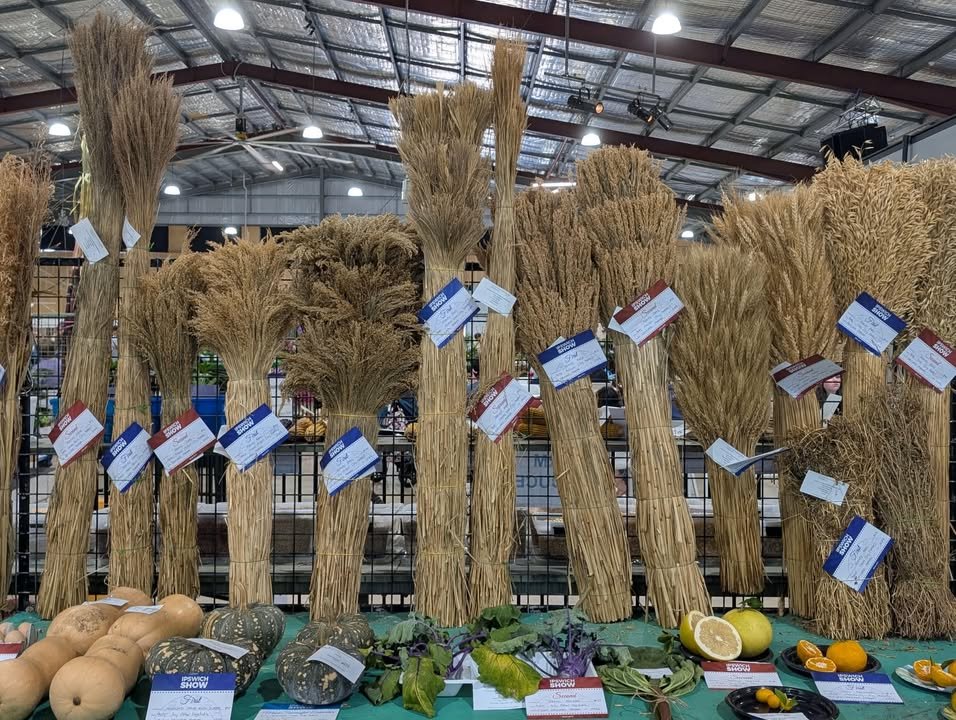
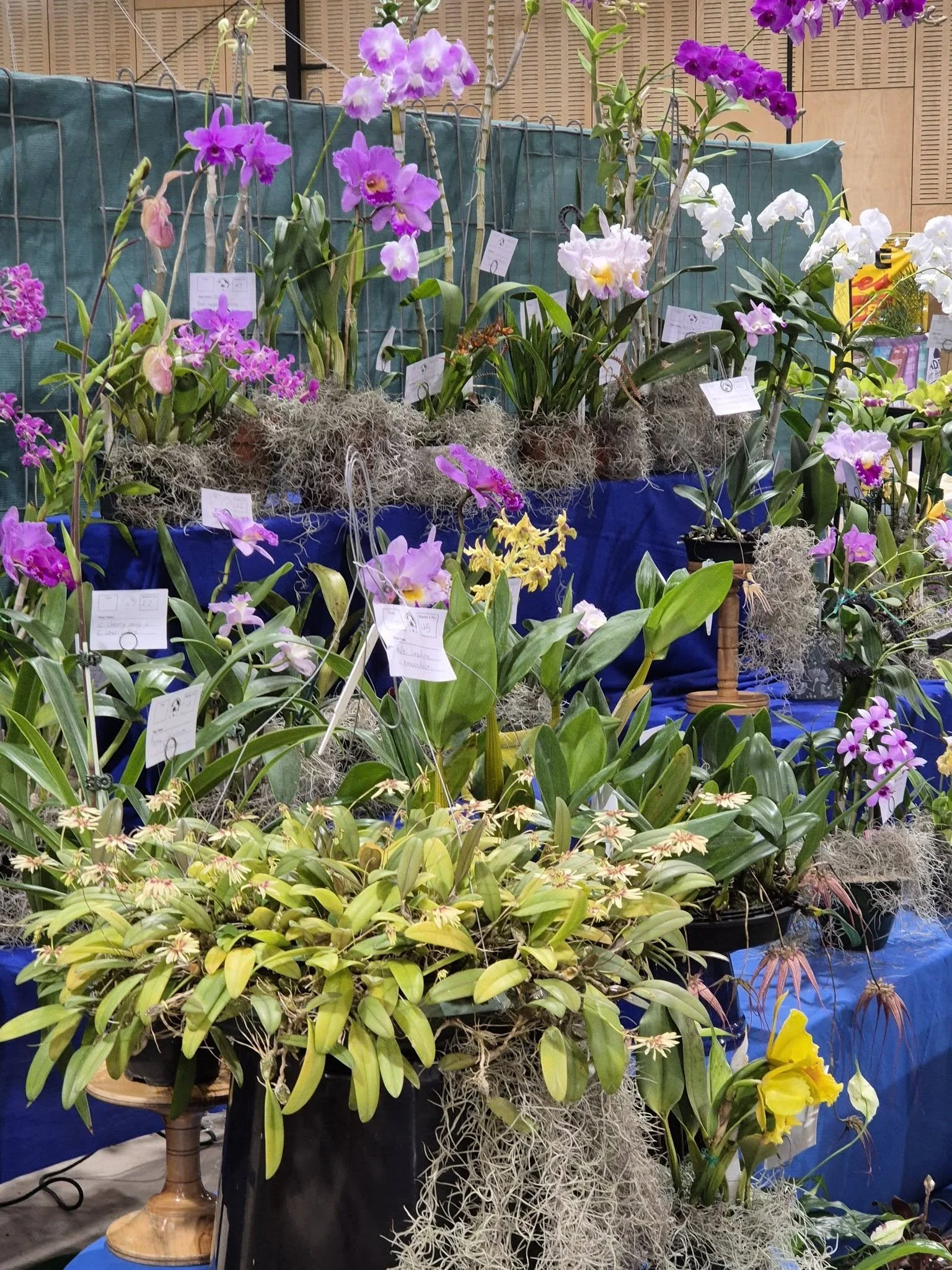
People brought along their best orchids, begonias, chrysanthemums, ferns, vegetables, fruit and flowers to show what could actually be grown in the local climate. You could see new varieties, better growing techniques, different pruning methods, unusual species and honestly probably stalk the person who always managed to grow the best dahlias in the district.
That side of shows still matters but I think many have forgotten why.
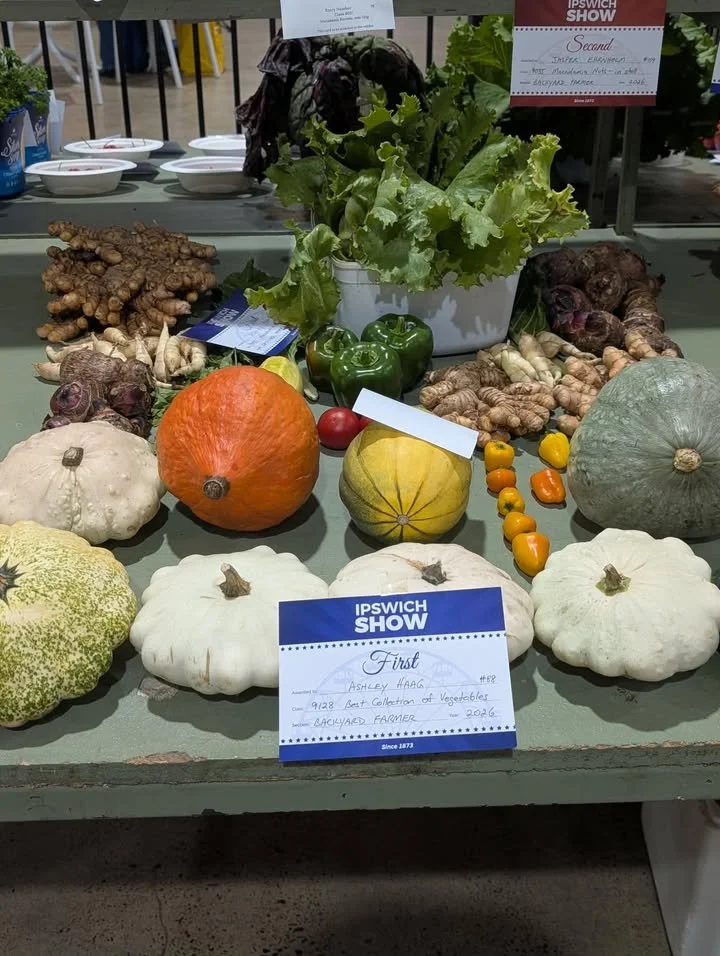
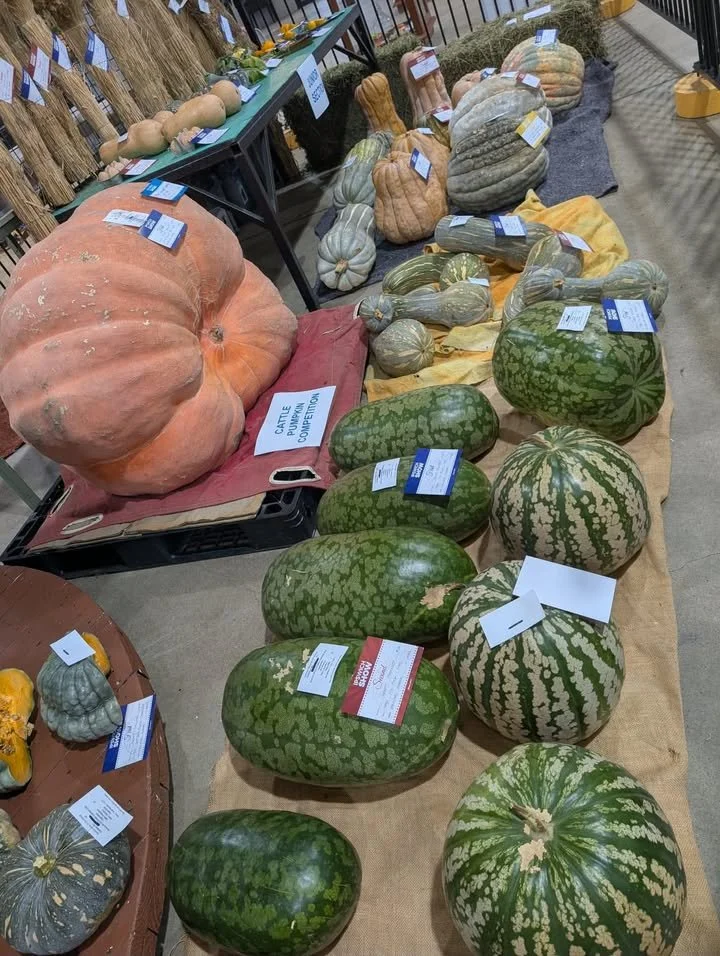
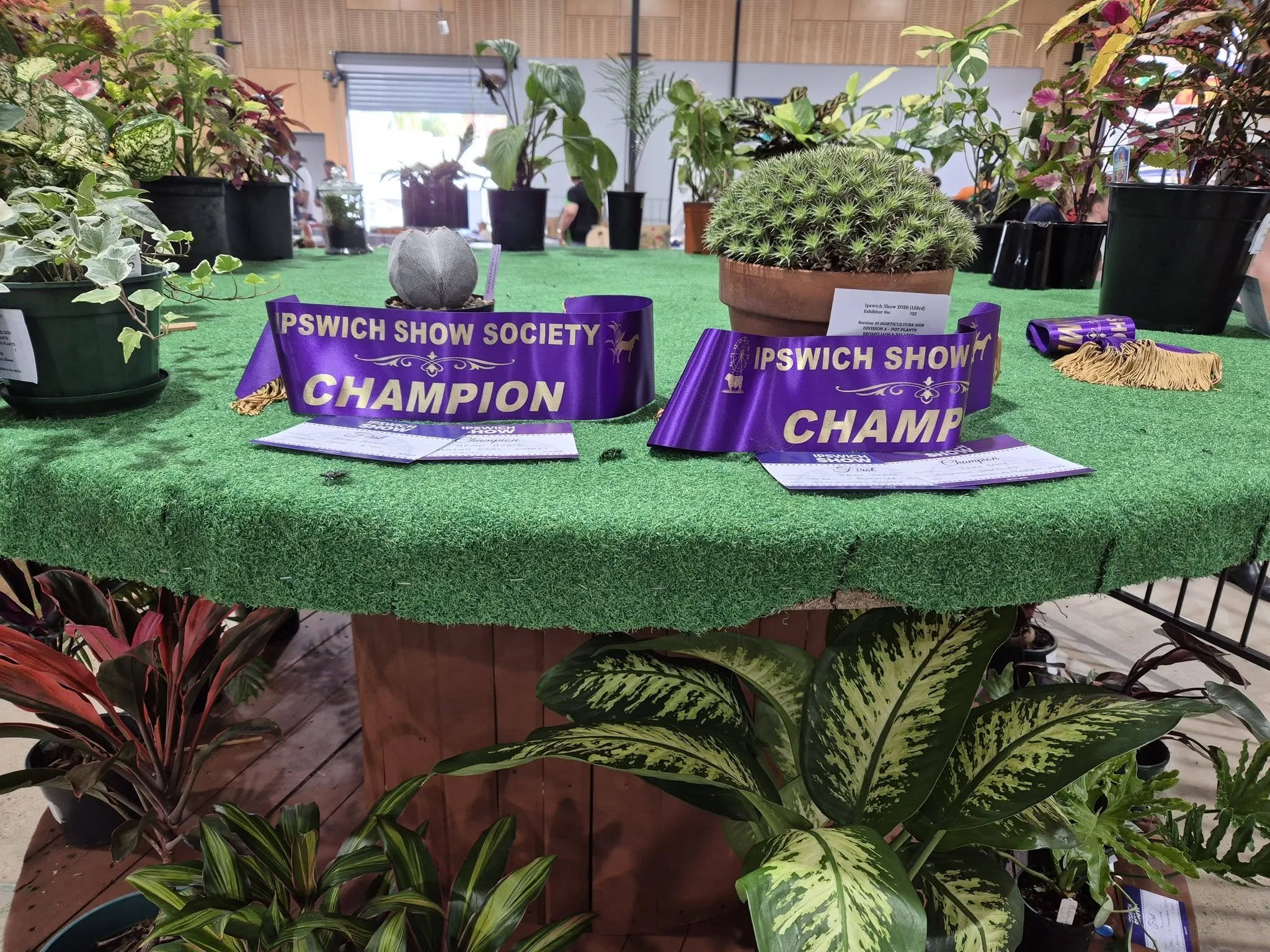
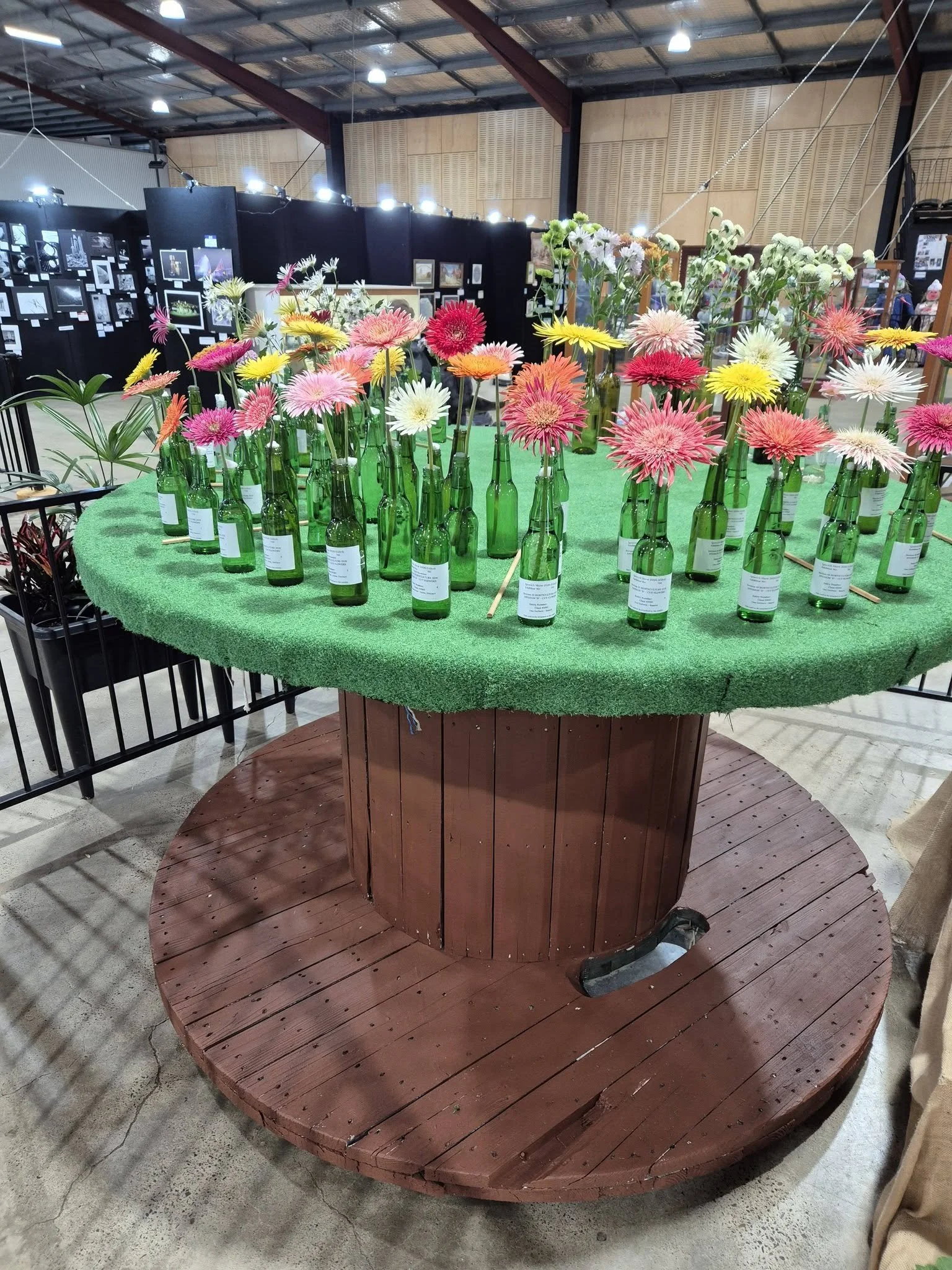
To me the horticultural section at the Ipswich Show remains one of the most eye-catching parts of the event. Competition classes include Potted Plants, Hanging Baskets, Cut Flowers, Floral Work and more, with everyone from individual backyard growers through to clubs and community groups contributing to the displays.
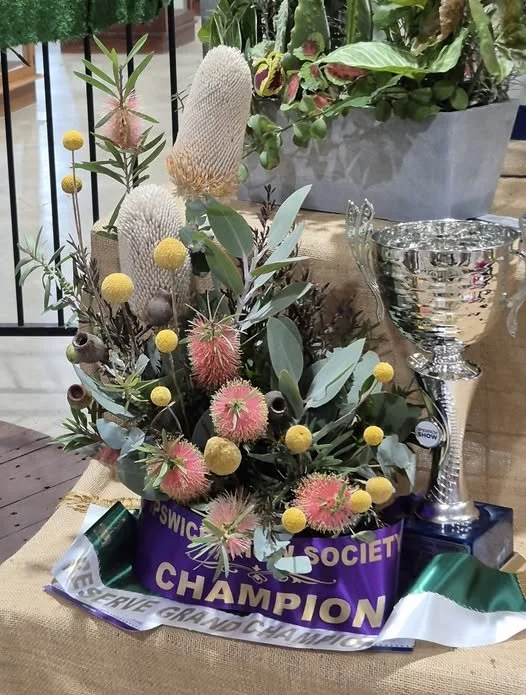
While ribbons and cash prizes are lovely (like really lovely), entering plants is actually about far more than trying to win a prize.
Preparing a plant for display teaches you things and also offers valuable feedback from judges about where you could be doing better.
Sometimes your plant wins. Sometimes you discover it was immature, poorly balanced, overfed, pest damaged or simply up against a grower who has been specialising in that particular group of plants for thirty years. That is not failure, that is horticultural education you won’t find in a classroom.
The fun part, there is absolutely a level of prestige attached to it too.
Being able to say you are a champion grower of begonias or orchids changes the way people view your plants and your knowledge. If someone says their pumpkin seeds came from an award-winning specimen, people immediately understand there is skill and quality behind it.
Historically, horticulture has always had that side to it. Long before social media, people built reputations through agricultural shows, plant societies and exhibitions. You became known because you consistently grew exceptional plants.
Honestly though, one of the loveliest parts about exhibiting is that it rarely stops with the plant entry itself.
You enter one plant and suddenly you are talking to the person benching beside you about fertiliser ratios or where they sourced a particular species twenty years ago. Someone tells you about a local garden club. Before long you realise there is an entire community of wonderfully plant-obsessed people quietly existing around you and somewhere along the way, it becomes less of a hobby and more of a lifestyle.
The ribbons are lovely, but it often the real reward is finding your people.
In a time where horticultural knowledge is slowly disappearing, independent growers are under pressure and everything seems to move faster each year, these show sections still matter enormously. They preserve skills, encourage excellence and they remind people that growing plants well is actually something worth valuing.
Brix
Brix is a simple but powerful measure of how well a plant is functioning. Brix gives insight into photosynthesis, nutrient uptake and overall plant health. Higher Brix is achieved through healthy soil systems that support consistent root function, biology and balanced nutrition.
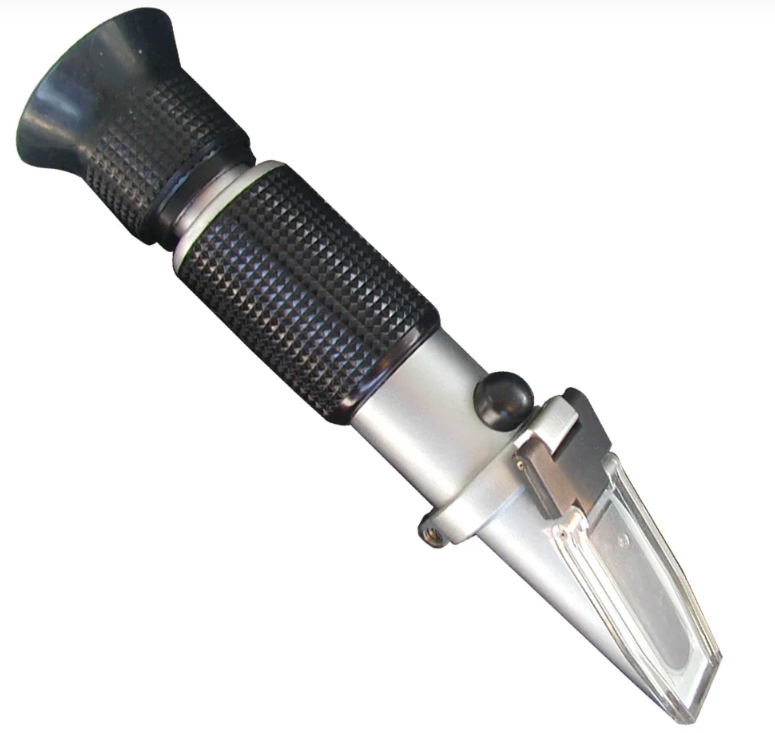
Refractometer
What is Brix and Why it Matters
Brix (°Brix) is a measurement of the concentration of dissolved solids in plant sap or juice, mostly sugars, but also organic acids, minerals, amino acids and other soluble compounds.
It’s measured using a refractometer, which reads how much light bends as it passes through a drop of plant juice, giving a percentage of dissolved solids by weight.
Brix matters because it reflects how effectively a plant is functioning. Higher Brix readings generally indicate stronger photosynthesis, better nutrient density and greater overall plant vigour. For this reason, Brix is widely used in agriculture as a quality and harvest index, particularly in crops such as wine grapes.
When measured over time, Brix provides insight into plant health and performance. Stable or rising readings suggest efficient energy production and nutrient uptake, while declining readings can indicate stress before visual symptoms appear. This is why many growers now use Brix as a monitoring tool for plant stress and nutrient response rather than relying solely on appearance.
Soil Health and Why its Important to Brix
Soil health underpins Brix because it supports the processes that allow plants to produce and store sugars. Active soil biology makes nutrients plant-available, stable soil structure supports consistent root function, balanced nutrition supports sugar production and transport, and organic matter helps regulate moisture and nutrient flow.
When these systems are working together, plants are capable of higher Brix. Sugars produced through photosynthesis are exuded into the soil, feeding microbes that in turn release nutrients back to the plant. The process is circular and self-reinforcing.
It’s important to remember that Brix doesn’t increase simply because fertiliser was applied. When soil health is addressed first, fertiliser becomes supportive rather than corrective and higher Brix follows.
Because Brix reflects how well this whole system is functioning, it can be a useful guide for home gardeners. A rising Brix reading suggests the soil is functioning well, allowing roots to access nutrients and water consistently. That consistency supports steady photosynthesis and steady sugar production.
In commercial agriculture, however, Brix is rarely used in isolation. Growers often pair Brix testing with plant tissue analysis: Brix shows overall system performance, while tissue testing identifies which nutrients may be limiting. Agronomic research shows that fertiliser timing, soil moisture and overall nutrient balance all influence soluble solids in crops.
What Brix numbers mean
Brix values vary by crop, climate and genetics, but the following ranges provide a useful general guide.
Leaf sap Brix (plant health indicator):
Below 6° — weak photosynthesis, high stress
6–9° — moderate health
9–12° — strong metabolic activity
Above 12° — excellent performance and nutrient density
Fruit Brix (flavour and quality indicator):
8–10° — average or standard quality
11–13° — good quality
14–16° — excellent
17+° — exceptional, often seen in well-managed soils
Just to remember, these aren’t hard thresholds. Brix varies with environment and crop type, which is why commercial growers don’t rely on Brix alone. For home gardeners, however, it provides a valuable reference point for understanding plant performance and soil function.

Time to Reconsider Coleus
Discover the beauty and resilience of Australia’s native Coleus and Plectranthus species. From the fragrant Plectranthus graveolens to the charming Cockatoo Bush, these tactile, aromatic plants bring depth, texture, and scent to any garden. Perfect for shaded, waterwise, and subtropical Australian landscapes.
Guest Post by Robert WilsonThe Case for Native Australian Species in Garden Design.
Love them or hate them, whether they are Coleus or Plectranthus, whether they feel nostalgic or a little bit "Granny garden", it’s time to take a fresh look at this diverse and under-appreciated genus.
Coleus has a broad distribution across Tropical and Sub-tropical regions of the world, but a special mention should be made for the charm, toughness, tactility and interest of our little native species (more on those later).
Let’s start with the familiar face: Coleus scutellarioides, the Painted Nettle. Spread throughout South East Asia and parts of Northern Australia, this is the garden variety we love (or don’t). It’s loud, it’s loveable(!) and when you look for it, it’s everywhere! Dayglo colours, wild leaf patterns, velvet textures, exotic leaf shapes. There is a cultivar to suit every palette. They are fun to collect, easy to propagate, accessible on any budget, and forgiving under most conditions. Garish or kitsch? Or A bold, herbaceous infill plant that emphasizes tropical plants with almost year round colour and interest! A winner in Brisbane, tolerates a range of conditions but for best colour, plant in dappled light and prevent flowering by dead-heading regularly. A minor few display good foliage colour in full sun (one of these is pictured). They can be standardized, pruned hard, plaited, heeled and generally forced into horticultural submission. For cheap, impactful, full, fast growing, tolerant, tough and vibrant bedding displays; get a hold of some “Painted Nettle” today!
I want to make a bigger case, one that speaks further to scent, texture, and mood in our gardens.
Australia’s native Coleus/Plectranthus species are not only beautiful: they’re powerfully sensory, and critically underused. Unlike their bright exotic cousins, native Coleus don’t shout. They enhance the pomp and circumstance of their big brothers and sisters in the garden. They support bold colour (or enhance earthen tones), radiate scent, and invite touch. They offer subtle leaf shapes, aromatic foliage, ease of maintenance, and floral displays that surprise in the dappled light. These aren’t feature plants; they’re the glue in a planting design. A skilfully selected and beautifully designed frame will enhance any artwork. They deserve far more love.
Let’s explore a few that bring scent, tone, and tactility into the spotlight:

Coleus argentatus (Silver Coleus)
This soft, silvery shrub shimmers in the shade. The foliage has a suede-like feel that begs to be touched, and its tall spikes of white, mauve, or soft blue flowers make it a beautiful alternative to lavender, especially in subtropical beds where lavender may fail. It’s cooling, calming, and quietly luminous. With its bright foliage and reliability in lower light conditions- perfect for brightening a shady or dull corner of the garden!

Coleus graveolens (Bush Basil)
A plant of surprising depth. Thick, textured leaves with a bright lime green tone and a strong, resinous aroma, somewhere between basil, mint, and native herbs. The foliage feels almost succulent under the fingers, while its purple-blue flowers rise up on soft stems. It brings density, texture, and fragrance to native garden designs. Large, intricately veined leaves provide the perfect foil to bold native wildflowers such as Grevillea or Hibiscus.

Plectranthus nitidus EN (Nightcap Plectranthus)
A small, endangered rainforest species that absolutely glows in low light. Glossy green leaves with maroon undersides and stems, a crisply toothed margin, and elegant leaf venation make it one of the most beautiful bedding plants for shady areas. Its flowers are like tiny chandeliers, twinkling purple and white across the understory. Want to see it? Gold Coast Regional Botanic Gardens has it planted in sweeps and mounds beneath rainforest trees; an absolute masterclass in subtle beauty.
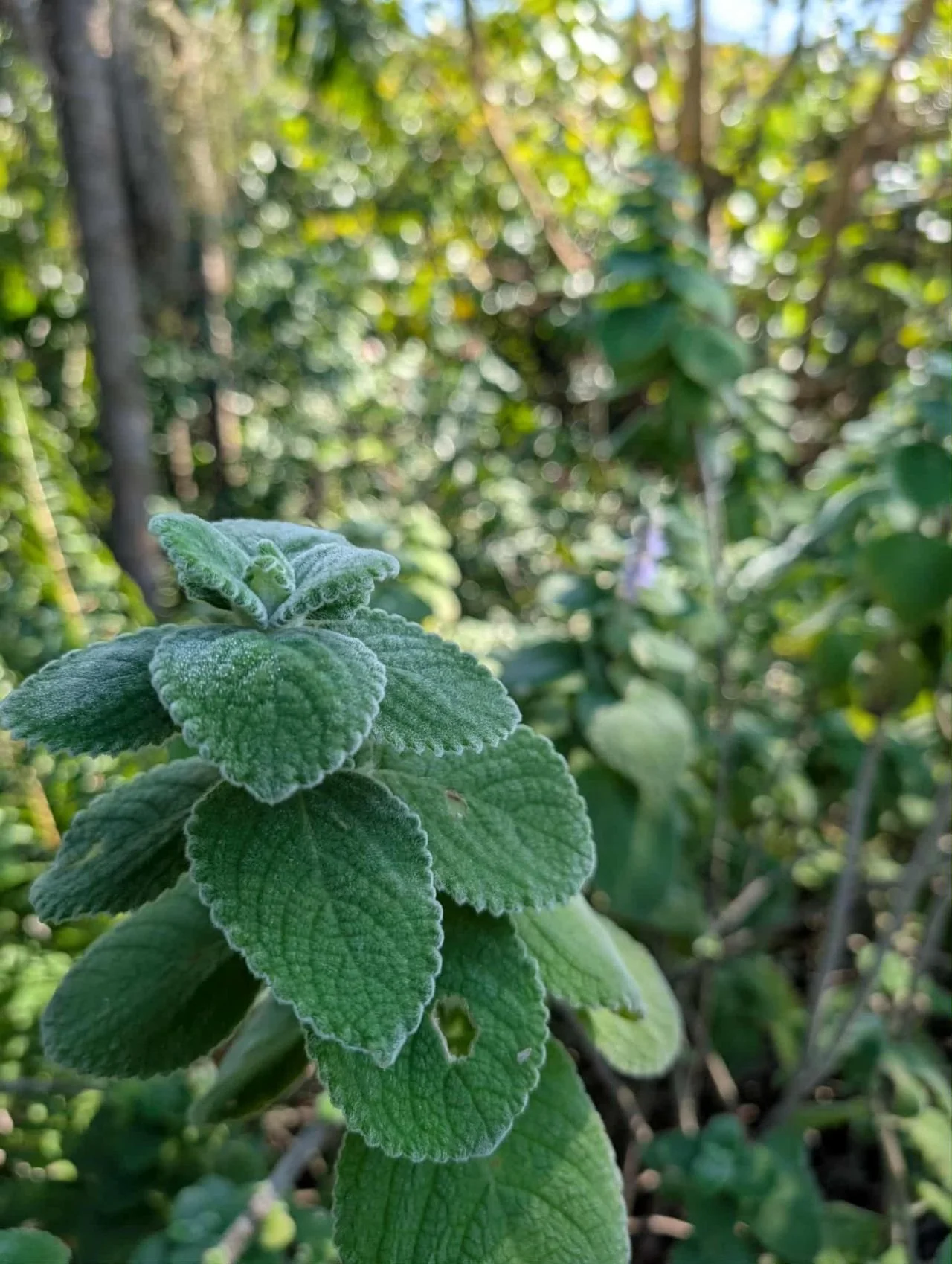
Coleus bellus Rare (Coleus “Mount Carbine”)
Tall, tactile, and bursting with lemon-sherbet scent. Its velvety leaves carry a rich citrus aroma that releases as you brush past. This is a plant for people who understand gardens as spaces to feel as well as look. It makes a fantastic sensory border, cut it back hard, enjoy the soft flushes of new growth, and let it do the work lambs ears can’t do in the tropics and sub-tropics. Or let it standardise for a quivering display of electric green texture in the back of a bed. While not a showy flowerer, C. bellus sports a delightful and reliable sky blue flower.

Coleus alloplectus EN (Slenderleaf Hullwort)
This is my favourite; tough, bronzed, and full of personality. Its new growth bursts in tones of gold, copper and bronze, it sets the stage for bold spikes of purple flowers. It thrives under pressure, responds beautifully to pruning, and pairs exquisitely with native garden design tones: olive, parchment, drab, stone, silver and dun. It’s a complementary gem with year-round interest.
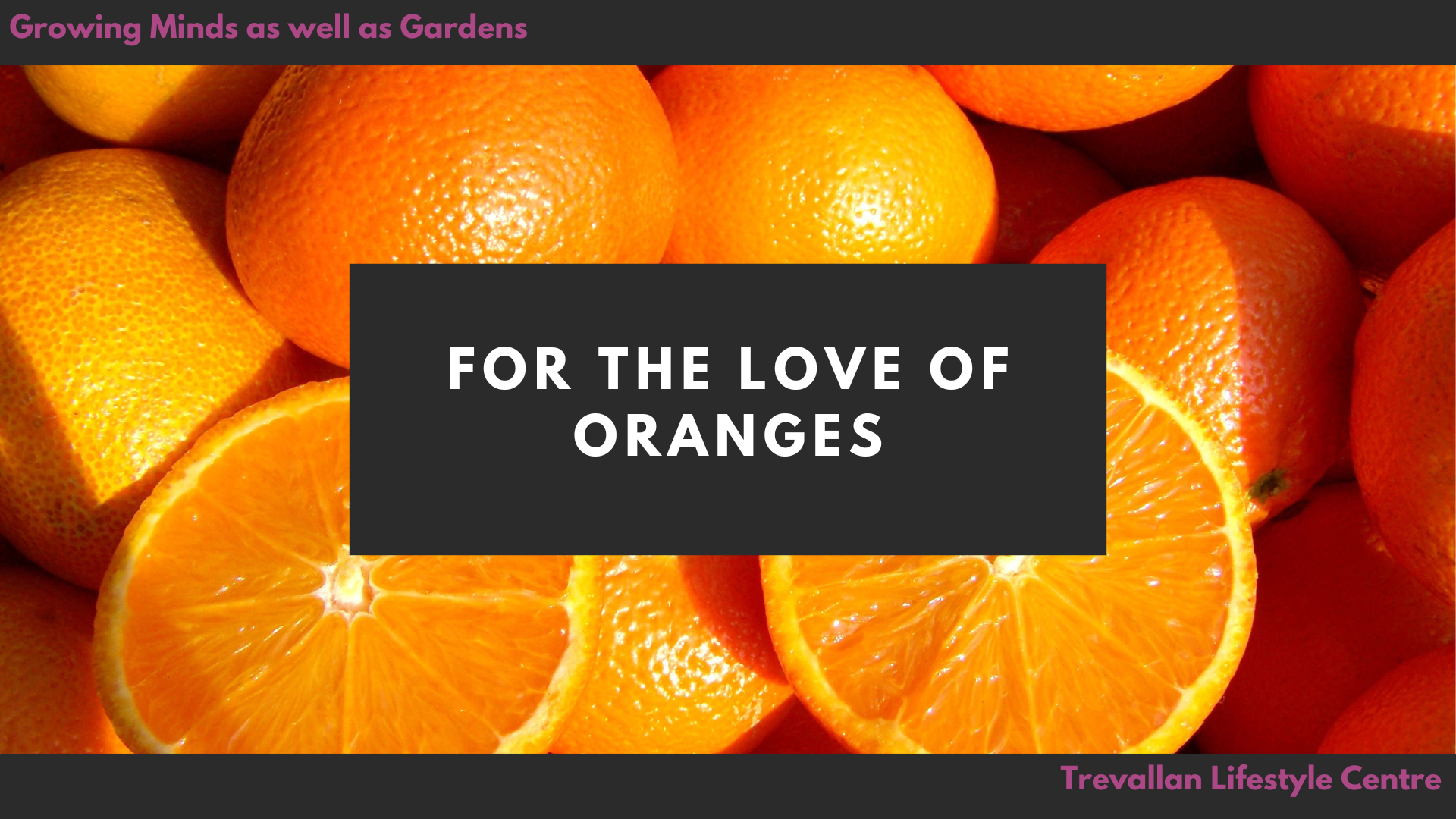
Choosing the Best Oranges for Your Backyard
Discover the best orange trees for your garden. Learn about their flavour, season, health benefits, and why citrus make stunning feature trees, pot plants, hedges or espaliers. Grow your own juicy, fragrant oranges with Trevallan’s expert tips.
Few fruits are as universally loved as oranges. They are sweet, tangy, juicy, and versatile in the kitchen. Plus, they are a powerhouse of nutrition. A daily serving of fresh fruit from your own tree can do wonders for your wellbeing:
Vitamin C boost – Oranges are famous for their high vitamin C content, which supports your immune system and helps ward off winter colds.
Antioxidants – Varieties like Cara Cara and Blood Orange are especially rich in antioxidants such as lycopene and anthocyanins, which support heart health and fight free radicals.
Fibre – Eating an orange (rather than just drinking the juice) gives you plenty of dietary fibre, which aids digestion and keeps you feeling full.
Hydration – Oranges are made up of over 80% water, making them a refreshing way to stay hydrated.
Everyday wellness – Regular citrus consumption is linked to improved skin health, better iron absorption, and overall vitality.
At Trevallan we’ve chosen to stock a small but well-considered range of orange varieties this season. These aren’t just any oranges, each one brings something unique to your table and your garden.
Beyond the obvious joy of picking your own juicy fruit, oranges are long-lived, ornamental trees with glossy evergreen foliage and fragrant white blossoms. They’re as beautiful as they are practical, providing both food and shade.
But don’t think of citrus as only “fruit trees for the orchard.” They shine just as brightly in ornamental and creative plantings:
Feature trees – A single orange tree can anchor a garden bed, drawing the eye with its glossy foliage and glowing fruit.
Scented gardens – Few fragrances compare to citrus blossom. Planting oranges near an entertaining area, pathway, or window means you can enjoy that heavenly perfume in spring.
Pots and courtyards – Oranges adapt beautifully to large containers, making them perfect for sunny patios and small gardens. Dwarf grafted varieties keep things compact while still producing generous crops.
Hedging and screening – With regular pruning, citrus can be trained into dense, productive hedges that are both practical and attractive.
Espalier – For a touch of European charm, oranges can be espaliered against a wall or fence, creating living architecture while saving space.
Plant one (or more!) and you’ll quickly discover why citrus trees have been treasured for centuries. Not only for their fruit, but for their beauty, fragrance, and versatility in the landscape.
Let’s explore the stars of the orchard:
Washington Navel
The undisputed classic and the most popular backyard orange. Washington Navels are famous for their seedless, easy-to-peel fruit. Their flavour is bright, sweet with just a hint of tang, and they’re perfect eaten straight from the tree.
Season: Late autumn to early winter.
Fruit: Medium to large, thick-skinned, seedless.
Why choose it? Reliable crops, consistent fruiting, and an all-rounder. If you’re planting your first orange, start here.
Cara Cara Navel
At first glance, you’d mistake it for a regular navel orange, but cut it open and you’ll be surprised by the rich salmon-pink flesh. This colour isn’t from anthocyanins (like blood oranges) but from natural lycopene, the same antioxidant found in tomatoes. The flavour is sweeter, lower in acid, and often described as having berry or cherry undertones.
Season: Late autumn into winter.
Fruit: Medium to large, pink flesh, seedless, juicy.
Why choose it? It’s an easy-to-grow tree that produces fruit with a unique flavour and colour.
Blood Orange
The dramatic beauty of the citrus world. Blood oranges have rich crimson flesh, thanks to anthocyanins that develop best during cooler nights. Their flavour is intense, a sweet orange base layered with a raspberry-like tang. They are brilliant for fresh eating, but also shine in cocktails, marmalades, and desserts.
Season: Mid-winter through early spring.
Fruit: Smaller to medium-sized, deep red flesh, strong flavour.
Why choose it? If you want something striking and different.
Orange Pineapple
This variety stands out for its naturally sweet, low-acid flavour. Perfect for those who don’t enjoy the tang of traditional oranges. The taste is often described as tropical, with a faint pineapple-like sweetness, making it excellent for juicing.
Season: Winter into early spring.
Fruit: Medium-sized, golden flesh, extra sweet and low acid.
Why choose it? For juicing enthusiasts and anyone who loves sweeter citrus.
Growing and Caring for Oranges
Whether you’re planting in the ground or in a large pot, oranges are wonderfully rewarding. With the right care, they’ll reward you with fragrant blossoms and bowls of fruit each year.
Position & Soil
Full sun is non-negotiable. The more sun, the sweeter the fruit.
Plant in well-drained soil. Oranges hate “wet feet.” If your soil is heavy clay, mound the planting area or stick to large pots with premium potting mix.
Pots vs Ground
Ground: Trees will grow larger and produce more fruit.
Pots: Choose a dwarf grafted variety where possible, and plant into at least a half wine barrel size. Potted trees crop well but need more attention with feeding and watering.
Fertilising
Oranges are heavy feeders. Keep them healthy and productive with:
Three main feeds per year (early spring, mid-summer, early autumn) using a complete organic fertiliser, like Organic Link.
Supplementary feeding with liquid fertilisers such as Triple Boost or Potash + Silica every 2 weeks during the growing season.
Add Bio-Trace™ to boost soil health and micronutrients.
Pot-grown oranges especially benefit from regular liquid feeds, as nutrients wash through more quickly.
Watering
Keep soil consistently moist but not waterlogged.
Deep soak less frequently rather than shallow frequent watering.
In pots, check moisture daily during hot weather.
Mulching
Apply sugar cane, tea tree, rainforest fines, or hoop bark mulch to conserve water, regulate soil temperature, and improve soil health. Always keep mulch away from the trunk to avoid rot.
Pruning & General Care
Light prune after harvest to maintain shape and airflow.
Remove dead or crossing branches.
In pots, prune harder to keep trees manageable.
Watch for pests like citrus leaf miner and scale. Treat with horticultural oils or eco-friendly sprays if needed.
At Trevallan we believe gardens should feed both body and soul. Oranges do exactly that. They’ll scent your spring evenings, brighten your winter mornings, and remind you just how good homegrown food can taste.
Which one will you take home — the classic, the sweet, the dramatic, or the tropical? Whichever you choose, your garden will thank you.
How a Horticulturist Reads the Signs
Plants are more than decoration, they can be diagnostic tools. This blog explores how horticulturists read plant signals to identify soil issues, stress, or disease, and how species like sunflowers and roses can actively help remediate or warn of deeper problems.
Diagnostics, Treatment, and the Wisdom of Plants
by Guest Writer Robert Wilson

Some species act as bio-indicators, revealing underlying nutrient imbalances or environmental stress through changes in leaf colour, growth form, or flushing behaviour. Others function as bio-accumulators, with remarkable abilities to draw specific elements, like heavy metals, out of the soil, offering us pathways for in-situ remediation.
A recent experience with our Macadamia jansenii collection brought this into sharp focus. This Critically Endangered species, endemic to Central Queensland, is part of a dedicated conservation display here at the gardens. Propagated asexually from wild-collected mother plants, each individual is genetically important, preserving a unique slice of the species’ very limited diversity.
However, we noticed significant variability in performance across the bed. Some plants flourished, while others declined without a clear reason. After consulting with partner institutions and confirming that genetic variability was to be expected (and in fact known to display in certain clones) in such a wild-provenanced group, the pattern still felt inconsistent.
The breakthrough came from one of our Technical Officers, who unearthed historic soil test data from the site, which revealed high Copper levels. Levels that could absolutely affect plant health, especially in sensitive, wild species like Macadamia jansenii.
We faced a dilemma: move the affected plants and risk splitting the collection/losing specimens to transplant shock, or work toward in-situ remediation. Fortunately, nature had already provided an answer, Helianthus annuus, the humble sunflower, is a known bio-accumulator of Copper.
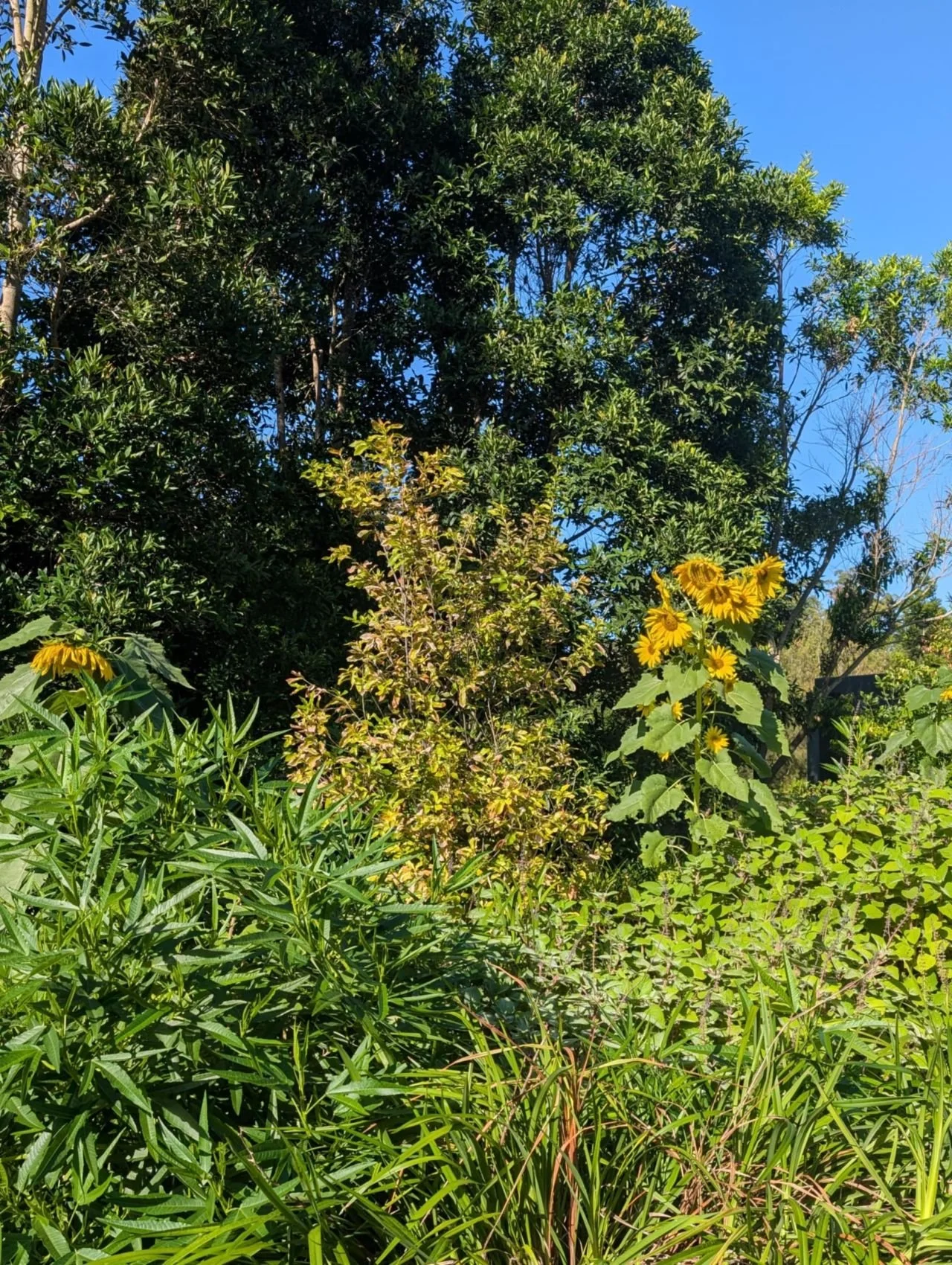
Plants like sunflowers have a remarkable ability to draw up and store or metabolise excess ions and compounds in the soil. By sowing a crop throughout the bed, we began a live remediation experiment. The results? A noticeable improvement in the health of this Macadamia collection.
There’s another facet to the story: indicator plants, species whose physiological responses reveal shifts in environmental conditions, disease pressure or pest populations. Some signal their own stress, prompting timely intervention. Others, when deliberately integrated into planting schemes, serve as early detection tools, providing advance warning of broader issues before more sensitive or high-value plants are affected. In skilled hands, they move beyond passive symptoms to become active sentinels within the landscape. A classic example can be found in vineyards, where roses are traditionally planted at the ends of grape rows. Highly susceptible to Powdery Mildew, they often show symptoms ahead of the vines, giving growers a timely cue to apply preventative treatments.
Whether acting as bio-accumulators to remediate heavy metals or as indicators of pest, disease, or climate stress, plants are constantly offering feedback to those who know how to read it.
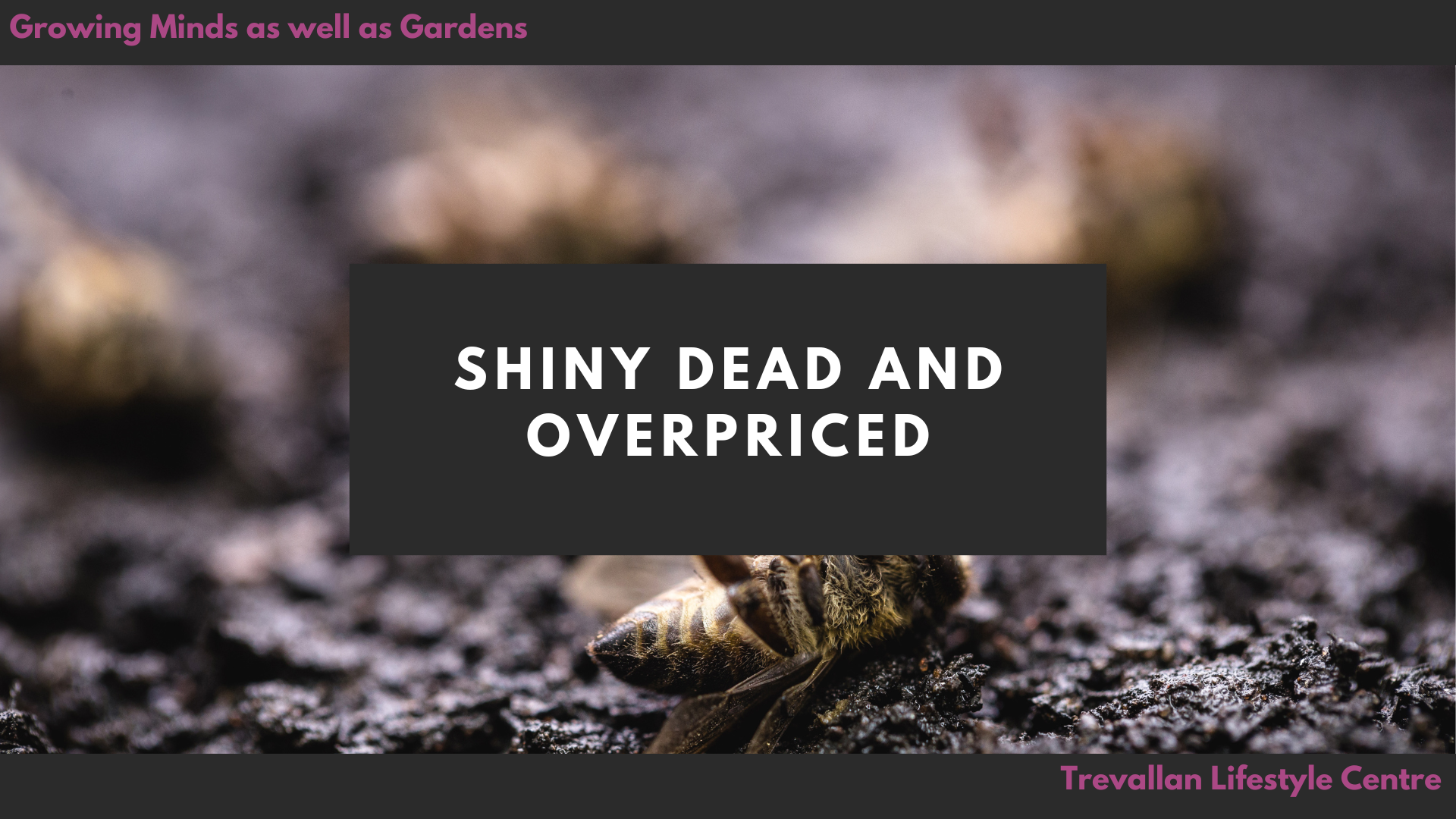
Shiny, Dead, and Overpriced
This blog dives into how we've been sold the idea that "clean" and "premium" means better but when it comes to honey, coconut oil, and fertilisers, the truth is often the opposite. Learn how processing strips products of their life, and why real change starts at the checkout.
Today I found out something that honestly blew my mind.
People still buy honey from the supermarket and have no idea that it’s fake! Somehow, we’ve normalised honey that stays perfectly liquid forever. We’ve been sold the idea that clear liquid honey is better, when in reality, it often just means overly processed, lifeless, and ineffective.
This rabbit hole doesn’t stop with honey. It runs deep through our pantries, our skincare routines, and even our gardens.
Crystallisation is Life
Real, raw honey crystallises. It’s supposed to. That process is natural, a sign of the presence of glucose and trace particles like pollen that trigger crystallisation. Supermarket honey doesn’t crystallise because it’s been aggressively processed to improve its shelf appeal and extend its use-by date.
That usually means:
Heat treatment (pasteurisation) - heating honey to around 60–70°C breaks down crystals and slows crystallisation, but it also destroys the natural enzymes (like diastase, invertase, and glucose oxidase), which are responsible for its antibacterial, antioxidant, and digestive properties.
Ultrafiltration - this removes not only particles like wax and pollen (which are natural indicators of origin and quality), but also strips away much of the honey’s flavour complexity, nutrient density, and trace minerals.
Blending from multiple, often international sources - most commercial honey isn’t single-origin. It’s pooled from various suppliers, sometimes across countries, to create a uniform, supermarket-friendly product. This means you have no real idea where your honey comes from, how it was produced, or what standards it was held to.
What you’re left with is honey that looks “clean” and pours neatly but is void of life. No active enzymes, beneficial microbes and worse no subtle floral signatures from the plants the bees foraged.
It’s essentially just sugar syrup with a great marketing spin.
Real honey, raw and unfiltered, varies in colour and flavour with the flowers of the season, and yes, it crystallises over time. That crystallisation isn’t a flaw. It’s a feature. It tells you that the honey still contains all its natural compounds, just as the bees made it.
Want to go deeper into what real honey is (and isn’t)? Read my full honey blog here
Fractionated Means Stripped Bare
Next stop on the deception train: coconut oil.
You might see “fractionated coconut oil” sold at premium prices. Some companies even market it as better than real coconut oil, thanks to its “feather-light emollient effect” and “Certified Pure Tested Grade™” status.
Sounds fancy, right?
But fractionated coconut oil is just coconut oil that’s been processed to remove the fatty acids that give it any real benefit, especially lauric acid, which is what gives virgin coconut oil its antibacterial, antiviral power.
It’s clear, it doesn’t solidify and it looks “pure” but to get to that point, it lost everything that made it good.
So while it’s stable and neat and won’t harden in the cupboard… it’s also nutritionally meaningless.
Fertiliser Fakery: When “Organic” Isn’t Alive
And then we get to the garden aisle.
Everyone wants organic fertiliser these days. Pelletised, easy to apply, no smell, no mess. Sounds ideal, right? There’s a problem with that, most pelletised organic fertilisers are made using high heat extrusion.
That means they’ve been cooked at temperatures that:
Destroy microbial life
Break down beneficial compounds like humic and fulvic acids
Leave you with pellets that do very little for the soil
So you’re spending money on “organic” fertiliser that’s just dead bulk.
Organic Link I have found is one exception. Instead of heat, they use low-temperature dehydration to form their pellets. This method retains soil-loving microorganisms, active humic substances and actual organic nutrients that actually feed your soil
Destroying Life for Aesthetics
I wish my daughter came up with this catch phrase, but she didn’t. We are living in a culture that promotes clear and beautiful over real and healthier. We’ve been trained to value appearance, convenience, clarity, and neatness over substance, integrity, and function.
Let’s be honest, most products on our shelves have been overly processed, stripped, sterilised, and deactivated, all in the name of shelf life, marketing, “premium” appeal and profit. These products have lost their soul, and I feel so are we by allowing this to happen. Normalising this.
Can we all just take a moment… and think?
Seriously. Use our brains.
Corporations aren’t here to save us. Capilano isn’t here to give us real honey. No one is offering us real food anymore. And let’s be honest, our government is doing nothing to protect the farmers who actually feed us.
So let’s start a movement. Let’s start with honey.
Stop buying the supermarket stuff, I don’t care how fancy the label looks. Buy from a local beekeeper. Ask where it came from. Learn what real honey tastes like. And once you’ve made that switch, let’s talk about eggs. Then meat. Then the rest.
Because change doesn’t come from the top. It starts at the checkout.
“If you think you’re too small to make a difference, you haven’t spent the night with a mosquito.” African proverb
Real consumers ask questions.
So let’s start asking them and let’s start now.
What if the Problem isn't the Plant
This post challenges the unfair blame placed on garden centres and professional growers for weed spread, calling for better education, recognition of horticulture as a trade, and stricter regulation of unqualified sellers. It urges decision-makers to include trained horticulturists in the conversation.
After watching this video, I feel compelled to raise some critical points that were completely overlooked.
Firstly, blanket blaming and banning isn’t the answer.
Let’s start with something simple: maintenance. Whether in home gardens, public spaces, or council plantings, it’s called maintenance for a reason. Thinning, deadheading, pruning, and soil checks are basic tasks. And yet we keep skipping this conversation. If you're planting anything, you need to know how to care for it. If you're in charge of a space, public or private, and you're not qualified, it's time to educate yourself. Ask questions. Learn from garden centres and/or trained professionals. Respect the plants you're working with. Let’s stop demonising plants due to neglect, laziness, or a lack of education.
Yes, there are plants that shouldn’t be sold, and many already aren’t. The idea that the entire nursery and garden industry is to blame, or that it’s completely unregulated, is not only unfair, it’s simply untrue. There are regulations, and many species are either banned or restricted depending on the region.
Most independent garden centres offer personalised advice and often warn customers about plant behaviour and risks. But it’s not their role to determine whether someone will neglect their plants, dump them in bushland, or pass them along irresponsibly through friends or online marketplaces. If we’re looking for accountability, maybe it’s time for a national register of repeat offenders. Those who consistently allow invasive spread, dump green waste illegally, or sell problematic plants through unregulated platforms.
Let’s be honest: we don’t ban fast fashion, even though it causes undeniable environmental damage. We don’t blacklist the companies or individuals perpetuating it. In fact, we rarely even call them out. Yet we’re quick to vilify growers and garden centres doing their best within a broken system.
And while we’re here, let’s talk about nationwide chain stores. They often make purchasing decisions at a national level with no consideration for regional climates or ecosystems. From now on, these chains must be required to consult locally trained and experienced horticulturists, professionals who actually understand what is suitable for that specific area. If they can’t offer that level of care or advice at a higher level, how can they offer that on the sales floor? Maybe they should be restricted from selling plants altogether.
And here’s the part that gets missed too often:
A plant that behaves invasively in one region may be perfectly well-behaved in another. Many so-called “weeds” are only classified that way in certain areas, while in others, they’re playing an important ecological role, providing soil coverage, reducing erosion, preventing more aggressive weeds from taking hold, and even offering habitat and food sources for wildlife.
Likewise, some native species can become weeds when planted outside their natural range. So the blanket call to “just plant natives” is not only simplistic, it’s often misleading and counterproductive. And even when we do want to use more appropriate native species, there’s a practical barrier: many simply aren’t grown commercially. Not because horticulturists are unwilling, but because the supply chain, propagation infrastructure, and commercial demand don’t currently support them.
After all this, we need to turn our attention to unregulated markets, where there are little to no rules in place. It’s not just about selling declared weeds. It’s about biosecurity.
Who knows what soil or conditions these plants have been grown in? Are sellers on platforms like Marketplace or eBay adhering to fire ant protocols? Myrtle rust controls? Do they know what diseases or pests they might be spreading?
Meanwhile, professional nurseries, growers, and garden centres operate under strict regulations, including quarantine laws, biosecurity protocols, weed control, and chemical use standards. Many go above and beyond to ensure their practices are safe, sustainable, and regionally appropriate. Yes, the industry is technically ‘self-regulated’, but let’s be clear, we’re the ones held legally accountable. We face thousands of dollars in fines, the threat of business closure, and even jail time if we breach those standards.
And yet, the blame still falls on us.
That’s not just inaccurate, it’s lazy.
Now, let’s talk about the most alarming part: The person interviewed about these so-called “problem plants”? They used a plant ID app to support their claims.
Let that sink in.
We are platforming voices to lead national conversations on horticulture while ignoring the trained professionals who actually understand plants, landscapes, ecology, and long-term impacts. You cannot make serious claims about weed risk or garden design based on a smartphone guess and walking through a public space.
Let’s stop the knee-jerk bans and broad-brush blame.
We need horticulturists at the table. People with real-world knowledge of propagation, ecology, biosecurity, and plant behaviour. Stop sidelining the people who live and breathe this work.
And we need education. Not a watered-down government scheme. Not a one-day course run by someone who’s never held secateurs properly. We need education led by trained, experienced professionals. The ones who’ve worked in the soil, in the nurseries, in the wild, and in our changing climate. Education that considers regional needs, long-term impact, and plant-human-environment relationships. Education that empowers gardeners, landscapers, and councils alike.
Horticulture is not a hobby. It’s a trade. A science. A profession. And it’s time we started treating it like one.

Garden Consultancy with Robert Wilson
Trevallan is proud to offer personalised garden consultations with one of Queensland’s most respected horticulturists, Robert Wilson.
With decades of hands-on experience and a passion for sustainable gardening, Rob brings practical, expert advice to your garden gate. His approach is rooted in soil health, plant ecology, and long-term garden resilience. Blending horticultural science with deep respect for nature.
Garden Consultations with Robert Wilson
Trevallan is proud to offer personalised garden consultations with one of Queensland’s most respected horticulturists, Robert Wilson.
With decades of hands-on experience and a passion for sustainable gardening, Rob brings practical, expert advice to your garden gate. His approach is rooted in soil health, plant ecology, and long-term garden resilience. Blending horticultural science with deep respect for nature.
Garden Health & Horticultural Consult
$395 incl. GST
Available by Appointment
This practical, hands-on service is perfect for anyone needing tailored garden advice. Whether you're working with a blank canvas, tackling plant problems, or simply feeling stuck with where to go next.
Led by experienced horticulturist Robert Wilson, each 60-minute on-site session includes expert guidance on:
Plant health diagnosis and organic treatment options
Site-specific considerations, including sun, soil, and drainage
Pest, disease, and weed management
Nutritional deficiencies and soil improvement strategies
Maintenance routines and seasonal care
Plant identification and ecological weed control
You’ll receive a one-page set of follow-up notes tailored to your garden.
This consultation is ideal for home gardeners looking to deepen their understanding of their space, without the need for full-scale design or drawings.
Garden Masterplan Consultation & Site Report
$1,200* incl. GST
Available by Appointment
If you're planning a large-scale garden makeover, landscape restoration, or property renovation, this service offers the insight and structure to move forward with confidence.
Horticulturist Robert Wilson brings a sustainable, plant-centred approach to every consultation, backed by decades of experience. This comprehensive service includes a 60–90 minute site visit, followed by a detailed written report tailored to your landscape.
It includes:
Landscape directives aligned with your goals and site conditions
A plant list with cultural notes and growing requirements
Guidance on garden management, installation, and sequencing
A seasonal maintenance schedule
Site-specific analysis of soil, drainage, and microclimate
Ideal for gardeners or property owners managing large or complex outdoor spaces, this report can guide contractors, inform DIY projects, or serve as a long-term garden roadmap.
*Cost based on average size suburban garden
Who is Robert Wilson

“The Mountain Man”
Horticulturist, Curator, Advocate
Known to many in the trade as The Mountain Man, Rob has spent over two decades pushing the boundaries of applied horticulture. His work spans from plant tissue culture labs to high-profile public landscapes, from kitchen gardens to conservation collections. As a Horticultural leader and burgeoning freelance Curator, Rob has developed living collection strategies, spearheaded regional conservation actions, and continues to work with Horticulturists to turn botanical design and ethos into legacy garden success.
A third-generation horticulturist raised among rows of cut flower roses in Eight Mile Plains, Rob blends legacy knowledge with technical excellence. He holds a Diploma of Horticulture and is respected across the industry for his leadership in plant procurement, landscape design, pest and disease response, and curatorial planning.
He is a passionate advocate for Queensland’s native flora, sub-tropical design, and the revival of horticultural excellence and legacy gardens in public landscapes. Whether he's restoring a heritage bed, interpreting ecological plantings for the public, or coordinating industry workshops, Rob leads with a grounded, hands-on philosophy that blends science, culture, and community.
Beyond his formal roles, Rob is deeply embedded in grassroots horticulture across Brisbane and Ipswich. From agricultural shows and some of Queensland’s oldest horticultural societies to engaging both new and seasoned gardeners in horticultural shows and competitions.

The Crisis No One Talks About
“Can You Fix It?” is a personal and passionate look into the reality of working in horticulture today. Through real-world stories and industry insight, this piece highlights how garden centres often become the emergency fixers for poor advice, quick fixes, and misunderstood plant care. It shines a light on the overlooked professionalism of horticulturists, the lack of industry support for proper training, and the growing gap between good intentions and real expertise.
“Can You Fix It?”
The Hidden Cost of Cheap Advice and the Quiet Strength of Horticulture
Recently, I saw a post from Tim’s Garden Centre, and it stopped me in my tracks because… well, I feel it. Every single word of it.
“I spend my time fixing gardeners’ problems. They send me photos. They want my advice. ‘How can I fix this?’ One bought a rapid weed killer off the shelf and sprayed the lawn — didn’t just kill the weeds, killed everything.
Another went to the big shed, asked for a weed killer, forgot to mention the words ‘for my lawn’. They sold him a non-selective herbicide. Lovely guy. He even sprayed the neighbour’s lawn to help out.
A week later, he calls in a panic. ‘I’m in trouble with the neighbour — what do I do?’
He didn’t buy the product from me, but he wants me to fix it. That’s horticulture.”
And that’s what it’s like running a garden centre. That seems to be horticulture now.
We’re the ones who get called from the plant aisle at the big box store, mid-shop (or in some cases, after the damage is done!) because someone’s overwhelmed and unsure.
We’re the ones people swing past on their way home from the markets because they bought something “pretty” and now need to know what it is, how to plant it, or why Google gave them three different answers.
We’re the backup plan. The plant rescue hotline. The quiet fixer behind the scenes.
And honestly? I love helping people build their green dreams.
There’s nothing better than seeing someone light up when their garden finally starts to thrive.
But here’s what gets hard.
Not the helping, but the constant undervaluing of the profession behind it.
Every week, I find myself gently untangling planting plans that went wrong.
Sometimes a hard landscaper or landscape architect designed the layout, but without any real understanding of the plants, soil, climate, or the client’s capacity to maintain it. Sometimes the sign said one thing. Sometimes the label gave poor advice. Sometimes Google offered a home remedy with no real measurements, and the rest was guesswork.
People sometimes aren’t given real advice.
No one asked about their soil, their aspect, their climate, or their ability to maintain what they were planting.
No one asked the deeper question: “What are you actually trying to achieve?” (In some cases, like killing weeds, the goal wasn’t even to kill the lawn at all.)
I wrote about this same issue years ago (and in several articles since), a shocking example where composted fertiliser was recommended as potting mix to new gardeners. It was a costly mistake that could’ve been avoided with the right guidance (The Value of Expert Advice)
And the truth is, they didn’t buy it from us or get advice from us. Not because they didn’t care, but maybe because it was convenient. The price was right. It was the right place at the right time.
We’ve all done it. We’ve walked into a big box store for one thing and walked out with twenty. We’ve deep-dived on Google and walked away feeling like honorary doctors.
And that’s when they come to us.
Not for judgment but for help.
And we do help because creating a thriving garden is what we love to do.
It’s Not About Where You Buy
What saddens me isn’t that people buy plants from different places.
I think people should buy more plants, full stop.
What concerns me is the lack of understanding that horticulture is a trained profession. That your local garden centre is filled with people who’ve studied soil, plant health, design, and care. That we’re not just selling plants. We are trying to set your plants and you up for success.
Horticulture Is a Trade. A Profession. A Craft.
In parts of Europe, the UK, and Japan, horticulturists are treated with the same respect as builders, electricians, or chefs.
In Germany, becoming a horticulturist involves formal apprenticeships, exams, and specialist certifications.
In Japan, the art of garden-making is passed down like a sacred trust.
In the UK, head gardeners at Botanical Gardens and historic estates are highly qualified experts with decades of experience.
And here in Australia, especially in Queensland, horticulturists, who would be seen as trained tradespeople or even masters in some countries, are often just seen as “gardeners.” Hobbyists. Someone who liked plants and decided to open a shop.
What’s worse is that many of the people in leadership positions, within industry bodies, councils, and government, seem to lack even a basic understanding of the trade they’re meant to represent.
How can one advocate for an industry they don’t fully understand?
Horticulture Is a Skilled Profession
Granted, there will always be someone who knows more, but trained horticulturists understand root systems, pest cycles, fertiliser chemistry, pruning schedules, pH balances, plant pairings, and climate shifts.
And if we don’t know something, we are always willing to learn. We are always the first ones on new innovations and information.
Local garden centres don’t just stock what looks good.
We stock what works, in your region, in your soil, in your home.
The Root of the Problem
There are many problems, but one of the biggest is how the industry has shifted.
We’ve been trained to believe that if a plant dies, you just get your money back. But what does that teach us?
That garden plants are disposable?
That success in the garden is based on luck rather than applied science, technique, and professional knowledge?
Because the truth is, thriving gardens aren’t an accident. They’re the result of thoughtful planting, good soil, the right location, and of course, the right advice.
Industry bodies keep pushing for better labels, QR codes, website links, and social media presence.
But where is the push for education and training? Where is the pressure for apprenticeships? For investing in the future of horticulture Where is the call to support your local garden centre’s senior horticulturists? To listen to experts, to consult professionals? Where is the drive to promote horticulture as a trade, not a mowing job?
No One Talks About Soil Anymore
When a plant fails, it’s almost always blamed on the plant. But it’s rarely the plant.
No one asks:
What soil was it planted in?
Was it hydrophobic?
What aspect was it under?
Was it watered properly?
Was it even the right plant for that space?
And that’s not the customer’s fault. It’s a systems issue. A cultural shift. An erosion of education and professional trust.
The Way Forward: Trust, Respect, and Education
I don’t think you need to buy every plant or get every bit of gardening knowledge from an independent garden centre.
But I am asking you to remember this:
When you need advice… When you want your garden to thrive long-term… When you’re tired of throwing money at plants that don’t live…
Come to your local garden centre. Come to the professionals. Ask the questions. Get the context. Learn from people who actually know. We don’t always have every answer but we’ve made a life out of finding them. Because plants are our passion.
Helping you grow confidently? That’s the real reward.
And if we lose professionals, if you stop using them… the industry will die. And worse than that, there’ll be no one left on the end of the phone. No one to answer your questions.
No one to say: “I’ve got you. Let’s fix this.”

Mango Madness
Mangoes aren’t just for big backyards! This blog breaks down the best varieties and shares simple, practical tips for growing them in pots or small spaces. From pruning to pollination, everything you need for sweet success is right here.
There’s nothing quite like the taste of a homegrown mango. That sun-warmed sweetness, the juice running down your hands, and the pride that comes from picking fruit straight from your own tree… it’s one of the true joys of gardening in Queensland.
And the good news? Mangoes aren’t just for those with acreage or tropical estates. With new dwarf and compact varieties available, even a small backyard (or large pot on the patio) can be the perfect spot for a mango tree.
Here’s a little guide to some of our favourite varieties — plus tips to help you grow them like a pro.
First, a Few Growing Tips
Position is everything: Mangoes love full sun and warmth. Choose a spot with at least 6 hours of direct sun a day, and good air movement to help reduce fungal issues.
Soil matters: Free-draining soil is essential. Avoid heavy clay. Slightly sandy, well-mulched soils are ideal. If planting in a pot we suggest using Platinum Potting Mix and if in the ground we suggest you use a mix of the original soil and Searles Garden Soil
Watering: Once established, mango trees are quite drought-tolerant. But young trees need regular watering, especially in dry spells or when flowering and fruiting.
Feeding: A well balanced fertiliser like Organic Link every three months helps with flowering and fruit set. Do not use Organic Link once flowering starts as too much leaf growth can limit fruit. I use a liquid fertiliser, Plant Care, fortnightly during this time.
Pruning: Keep your tree in shape with light pruning after harvest. This helps control height and encourages branching for future fruit. Dwarf varieties especially benefit from this.
Pests & diseases: Watch out for anthracnose and black spot, especially in humid seasons. Good airflow, pruning, and copper-based sprays (when needed) can help keep things in check.
Mango Varieties We Love
Dwarf Mango ‘King Thai’
Elongated fruit similar to Nam Doc Mai, with green skin that ripens to yellow with a pink-red blush. Incredibly sweet. Grows to around 4m (can be kept smaller), making it perfect for pots or compact gardens. Great resistance to anthracnose and black spot.
Dwarf Mango ‘Palmer’
A late-season variety with stunning purple-red fruit. Large, elongated, sweet and almost fibreless. Grows to about 5m and fruits in 3–5 years. Good, consistent cropper. Also great in pots.
Mango ‘Florigon’
One of the softest, sweetest varieties we’ve tasted, fibreless and melt-in-your-mouth. Smaller fruit (300–350g), but also a small seed. Moderate resistance to anthracnose. Can grow up to 10m but responds well to pruning down to 5m.
Mango ‘Kent’
Sweet, juicy, and low-fibre. Ideal for eating fresh, juicing or drying. Big fruit (400g–1kg) and big tree potential (up to 10m), but again, responds well to pruning. Keep it trimmed and well-fed for a lush, productive tree.
Mango ‘R2E2’
Mid-season, with large, brightly coloured fruit. This one’s a bit of a legend, developed right here in Australia and now the third most popular mango grown commercially. Upright habit, so early pruning is key. Long shelf life and excellent for eating or gifting.
All of these mango varieties are self-pollinating, so you only need one tree to get fruit. Though we won’t blame you if you plant a few different types to extend your mango season and add a bit of variety to the harvest bowl!
If you're dreaming of mangoes this summer, now’s the time to get planting.
Come in and chat with us. We’ll help you find the right mango for your space, pot, or palate.

Is Molasses Good for the Garden?
Molasses can be a powerful soil tonic, when used in moderation. Packed with sugars and trace minerals, it feeds soil microbes, boosts plant health, and improves soil structure. This post explains when, where, and how to apply it for the best results, without harming your plants. A little sweet goes a long way!
Molasses in the soil? It’s not just a myth, it actually works.
But like most things in gardening, it’s all about balance.
Molasses is packed with natural sugars and trace minerals. When used properly, it feeds the beneficial microbes in your soil. These microbes help break down organic matter, unlock nutrients (especially potassium, calcium, and iron), improve soil structure and ultimately support stronger, healthier root systems
Think of it as a little energy drink for your soil, especially helpful after applying compost, worm castings, mulch, or during seasonal transitions.
Now healthy soil is great for everything but you’ll definitely notice a difference when you use it around native plants like grass trees and grevilleas (low nutrient lovers), veggies that thrive in biologically active soil, roses, citrus, perennials and lawns.
Like most things its not great if you overdo it. Too much leads to oxygen loss, mould, and nutrient tie-up. You also shouldn’t use if your soil is already heavy or waterlogged.
Always read the label.
Use plain molasses not sulphured molasses (the sulphur kills the very microbes you're trying to feed)
It is recommended that you
➤ Mix about 1 tablespoon of unsulphured molasses into a 9L watering can (that’s a 0.2–0.5% dilution)
➤ Pour around the base of your plants into the soil, not on the leaves
➤ Apply every 6 weeks if necessary
If you want to really boot your gardens, a follow up with seaweed tonic or worm juice to really get those microbes multiplying too.
Molasses when used wisely, can give your garden a biological edge, boosting resilience, root health, and overall soil vitality.
Just don’t treat it like maple syrup on pancakes and drown your plants.
A little sweet goes a long way

Myth Busting: The Vaseline Ant Trick
Heard the tip to smear Vaseline on your tree to stop ants? While there’s a grain of truth behind it, the method can harm your plants more than help. This post unpacks the real issue, hydrophobic soil and offers a safer, more effective solution for protecting your trees from ants and aphids.
As with most garden myths, there’s a kernel of truth, so let’s pull it apart and deal with it properly.
The Truths:
Yes, ants farm aphids for their sweet honeydew. So in theory, if you control the ants, you reduce the aphid population. And yes, Vaseline has been used as a physical barrier to stop ants climbing.
The Reality:
Smearing Vaseline directly on your tree’s trunk, especially thin-barked trees like citrus or stone fruit, is a fast track to disaster. Petroleum jelly (Vaseline) suffocates the bark, traps moisture, and can cause ringbarking. With no application rate, no guidelines and just guesswork, that can kill your tree.
What should we do instead?
First, let’s talk about what’s really going on.
Excess ants usually (not always) point to hydrophobic soil. Soil that’s either not getting enough water or repelling it altogether. Ants love this. They build their nests in the dry root ball and actively repel water to keep their home dry. That means your plant stays dry too, stressed, weak, and vulnerable.
Then come the aphids, followed by scale and mites. Now the ants have a buffet and the whole thing snowballs.
Fix it this way instead:
Drench the soil with a soil wetter, really soak it. This floods out the ants and starts restoring water flow.
Follow up with a complete fertiliser like Organic Link to support recovery.
Start a pest management routine: Spray fortnightly with something organic like neem or Eco-fend.
Add a liquid feed (like Plant Care) every two weeks for a month to boost vitality and immunity.
It’s not instant but this approach is safer, more effective, and kinder to your trees in the long run.

Honey as an Alternative to Rooting Hormone
Honey is often suggested as a natural alternative to synthetic rooting hormones but does it really work? Research shows mixed results but honey generally doesn’t match the effectiveness of synthetic rooting powders or gels.
As with many horticultural myths, there is a kernel of truth...
While honey does not contain auxins (the plant hormones responsible for stimulating root development), it does offer properties that may support the rooting process under certain conditions.
Honey exhibits well-documented antibacterial and antifungal properties, primarily due to its enzymatic production of hydrogen peroxide and high sugar concentration. When applied to cuttings, it may help reduce infection at the wound site, creating a cleaner environment for root initiation.
Its viscous texture allows honey to seal the cut surface of a stem, limiting desiccation and offering some moisture retention. This can be helpful in environments with fluctuating temperatures or low humidity.
Honey contains trace minerals, vitamins, and simple sugars, though in quantities too low to serve as significant nutritional supplements. Still, these components may support cell metabolism in early rooting stages.
Several studies have explored honey’s effectiveness as a rooting agent, with mixed outcomes:
A study by the University of Hawai‘i, College of Tropical Agriculture, found that while honey demonstrated some ability to promote rooting, its effectiveness was limited and inconsistent compared to synthetic rooting compounds.
A New Zealand nursery trial compared Manuka honey, multiflora honey, a commercial rooting compound, and a control group. Multiflora honey produced the best root development and the fewest failed cuttings—outperforming both the synthetic treatment and Manuka honey. This suggests that the type and processing of honey matter significantly.
If you are using this method, always use raw, unprocessed honey, as pasteurisation reduces both enzymatic and antimicrobial activity.
Seriously, though, no one should be buying honey from the supermarket anymore, anyway!
So, is the myth busted?
Not entirely. Honey may provide moderate rooting support, particularly for softwood or easy-to-root species, due to its antimicrobial qualities and wound-sealing ability.
However, it does not replicate the function of auxin-based rooting hormones (like IBA or NAA), which actively stimulate root initiation at the cellular level.
If you are in the mood for experimentation, certain types of honey can be useful when doing cuttings.
If you need results more than experiments, products like Rootex Cutting Powder or Gel should be used due to their consistency and proven performance.

Planting Myths: Digging Deeper into Compost and Root Health
Planting myths often contain a seed of truth, but as any gardener knows, the real story is rarely so simple. In gardening, there’s rarely a one-size-fits-all rule. The key is understanding your soil, your plants, and what they need to thrive and being willing to look beyond the hole.
A Garden Myth that I needed to Dig a little Deeper on!
Recently, someone shared a quote from The Informed Gardener by Professor Linda Chalker-Scott, which argued that compost should be added only on top of the planting hole, not inside, and that planting holes should be as deep as the root ball but twice as wide.

I appreciate that this advice comes with good intentions, but as with most things in gardening, the truth is more nuanced.
Let’s break this down and explore what’s really going on below the surface.
How deep and wide should a planting hole be?
Linda Chalker-Scott recommends digging the hole only as deep as the root system and twice as wide.
This is generally good advice: planting too deep can cause settling and lead to burying the crown, which leads to rot. A wider hole encourages lateral root growth and helps roots establish in compacted or heavy soils.
When this works
In well-prepared soils or areas where compaction is minimal, this method encourages roots to spread into the native soil.
When this might fall short
In soils that are heavily compacted, hydrophobic, or of poor structure (like urban fill or degraded sites), simply making the hole wider without addressing the surrounding soil quality won’t necessarily help roots establish well.
Should you amend the planting hole at all?
The claim is that you should never amend the planting hole “in any way” and only backfill with native soil. The logic is to avoid creating a “pot effect” where roots stay in the nutrient-rich pocket and don’t venture into the surrounding soil.
There is truth here
If you fill the hole with soft, rich soil or lots of organic matter, especially in clay soils, roots can circle in the hole or fail to move into denser surrounding soils. Water can also perch at the boundary between two very different soil textures, leading to waterlogging at the root zone.
But context matters
In very poor soils, think subsoil, building rubble, or extremely sandy soils, some incorporation of well-aged compost or organic matter into the backfill can help create a healthier root zone. The key is blending the amendment with the native soil to avoid creating sharp boundaries.
Is compost in the planting hole always a bad idea?
The supporter’s comment suggested compost should only go on top as a mulch. While top-dressing with compost is great for feeding soil life and improving surface structure, a blanket ban on incorporating organic matter at planting doesn’t always hold up.
Top-dressing is fantastic
It feeds worms and microbes, protects soil from erosion, and slowly improves structure.
But moderate incorporation can be beneficial
Particularly in soils low in organic matter or with poor biological activity. It’s not about filling the hole with pure compost, but blending small amounts with native soil can jump-start root zone health.
Are we “spoiling” the plant with rich compost in the hole?
There’s a common belief that putting compost in the hole spoils the plant and encourages roots to stay put. But plants don’t get “lazy”, roots grow where water, air, and nutrients are available.
If surrounding soils are inhospitable, no amount of compost on top will change that. In these cases, improving the soil beyond the hole (via broad soil prep or blending amendments) is key.
Does this advice apply everywhere?
It’s important to note this recommendation came from Washington State, a climate with very different soils and conditions from, say, much of Australia. What works well in the Pacific Northwest may not directly translate to South East Queensland, where soils, rainfall, and temperatures differ.
The take-home message
There is no one-size-fits-all rule in gardening. The best planting method depends on your soil, plant type, and climate.
In the end, soil health and structure are what truly support thriving plants and that often means looking beyond the hole.
I’d also add that the organic matter you’re adding has a shelf life. It breaks down within a relatively short period of time, so ultimately you’re giving your plant a good start but that’s all. Long-term soil health comes from ongoing care, not just what you put in the hole at planting.
So next time you hear a planting rule, take a moment to look at your own soil, your climate, and your garden’s needs. Gardening myths often have a seed of truth but real success comes from understanding the full story.