Find Us:
77 Fernvale Rd
Brassall QLD 4305
(07) 3201 8630
Open:
Tue-Sun 9am - 4pm
Importance of Horticultural Shows
Why entering plants in the Ipswich Show horticultural section matters. Trevallan explores the history, value of judging, grower feedback, prestige, community and why agricultural shows still help preserve horticultural skill.
For years, Trevallan Lifestyle Centre has proudly sponsored the horticultural section at the Ipswich Show and honestly, I think sometimes people forget just how important these sections really are.
The Ipswich Show Society actually began life as the Ipswich Agricultural and Horticultural Society back on 14 March 1866. Later becoming known as the Queensland Pastoral and Agricultural Society in 1872. The first show itself was held in Churchill along the Bremer River in 1873 before eventually moving to the Warwick Road grounds in 1877.
That means people in Ipswich have been competitively growing and displaying plants for over 150 years.
Years ago, agricultural and horticultural shows were not just sideshow alley and show bags! They were how knowledge travelled. Before gardening shows on television, before Facebook groups and before you could Google why your camellia looked terrible, growers learnt from each other at shows.
People brought along their best orchids, begonias, chrysanthemums, ferns, vegetables, fruit and flowers to show what could actually be grown in the local climate. You could see new varieties, better growing techniques, different pruning methods, unusual species and honestly probably stalk the person who always managed to grow the best dahlias in the district.
That side of shows still matters but I think many have forgotten why.
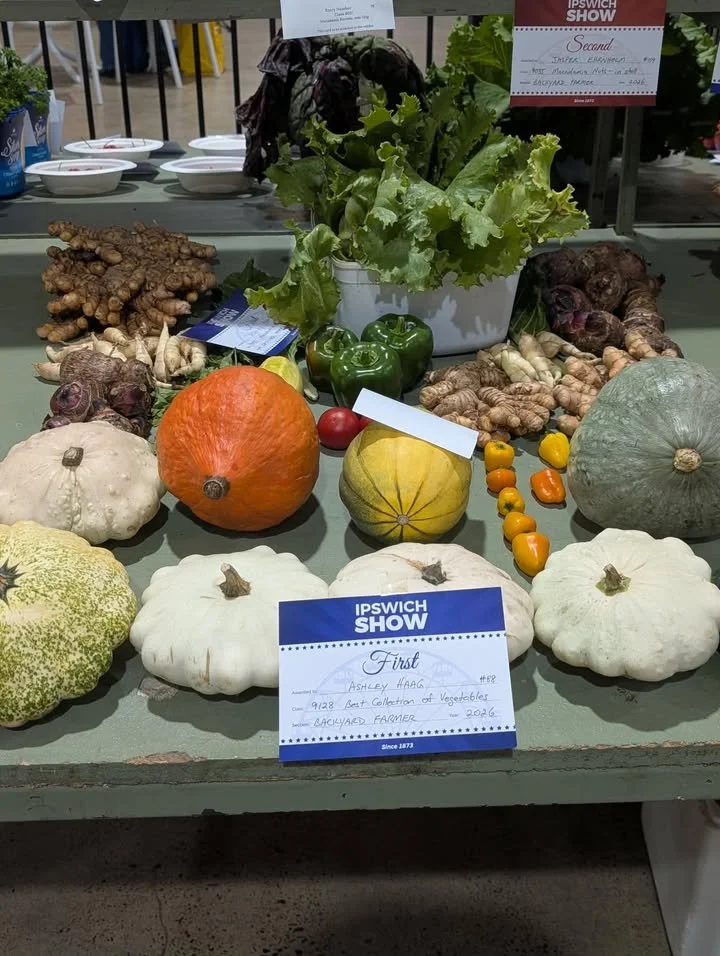
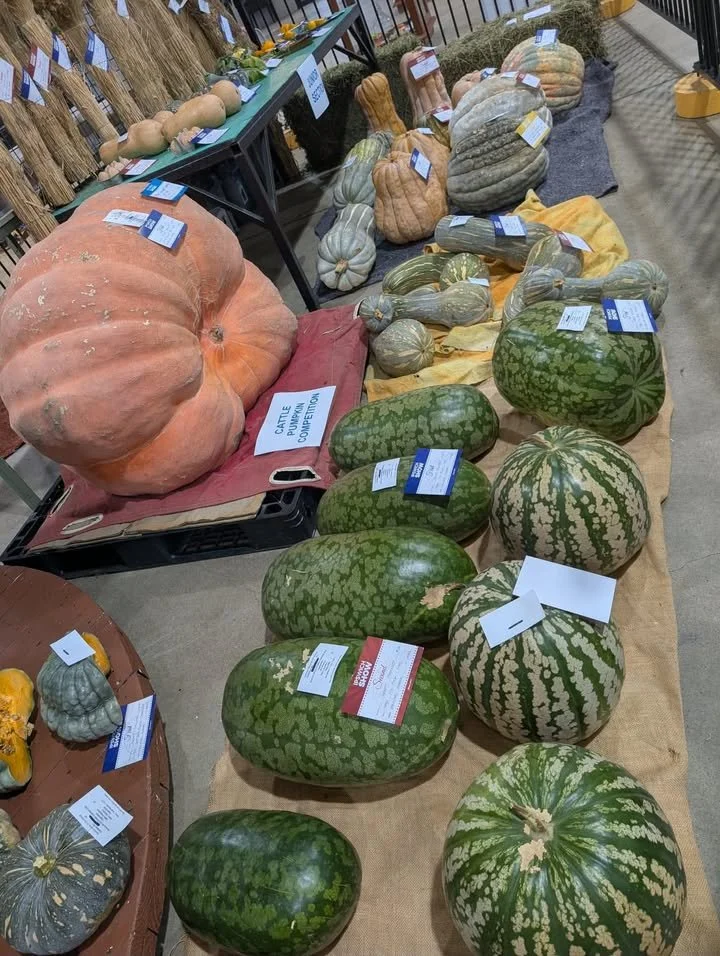
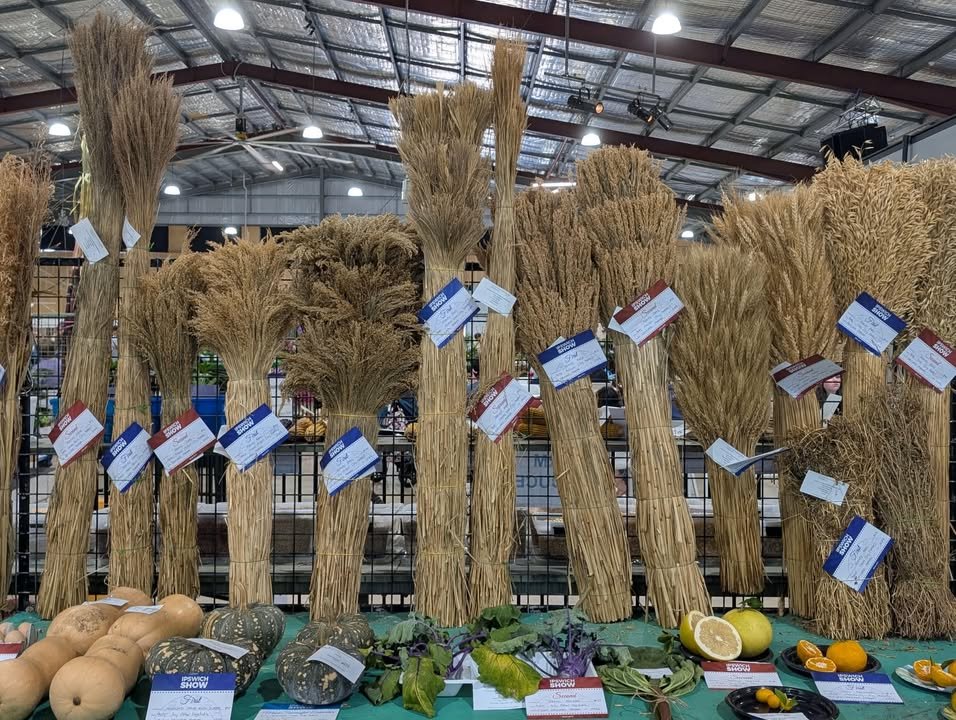
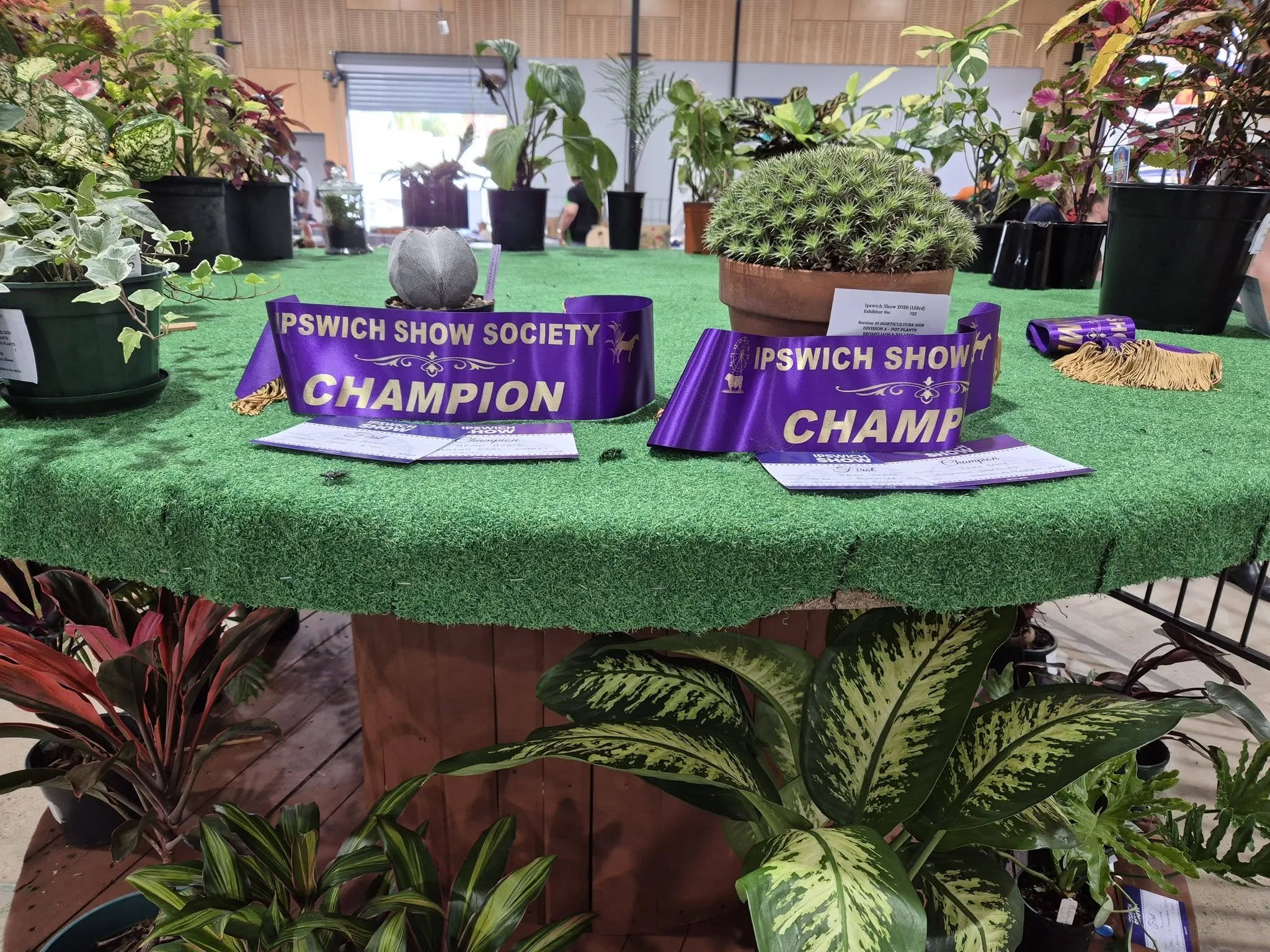
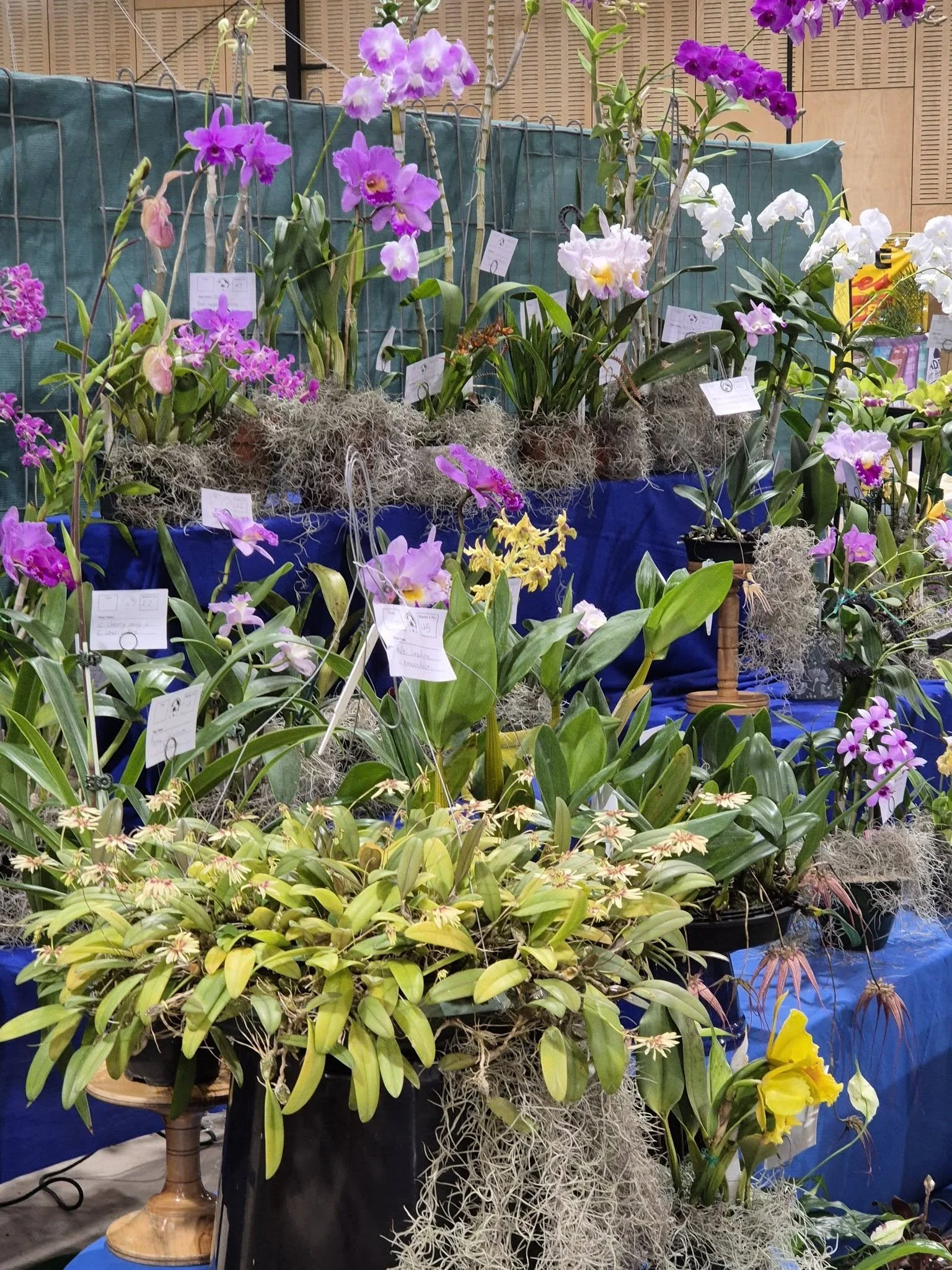
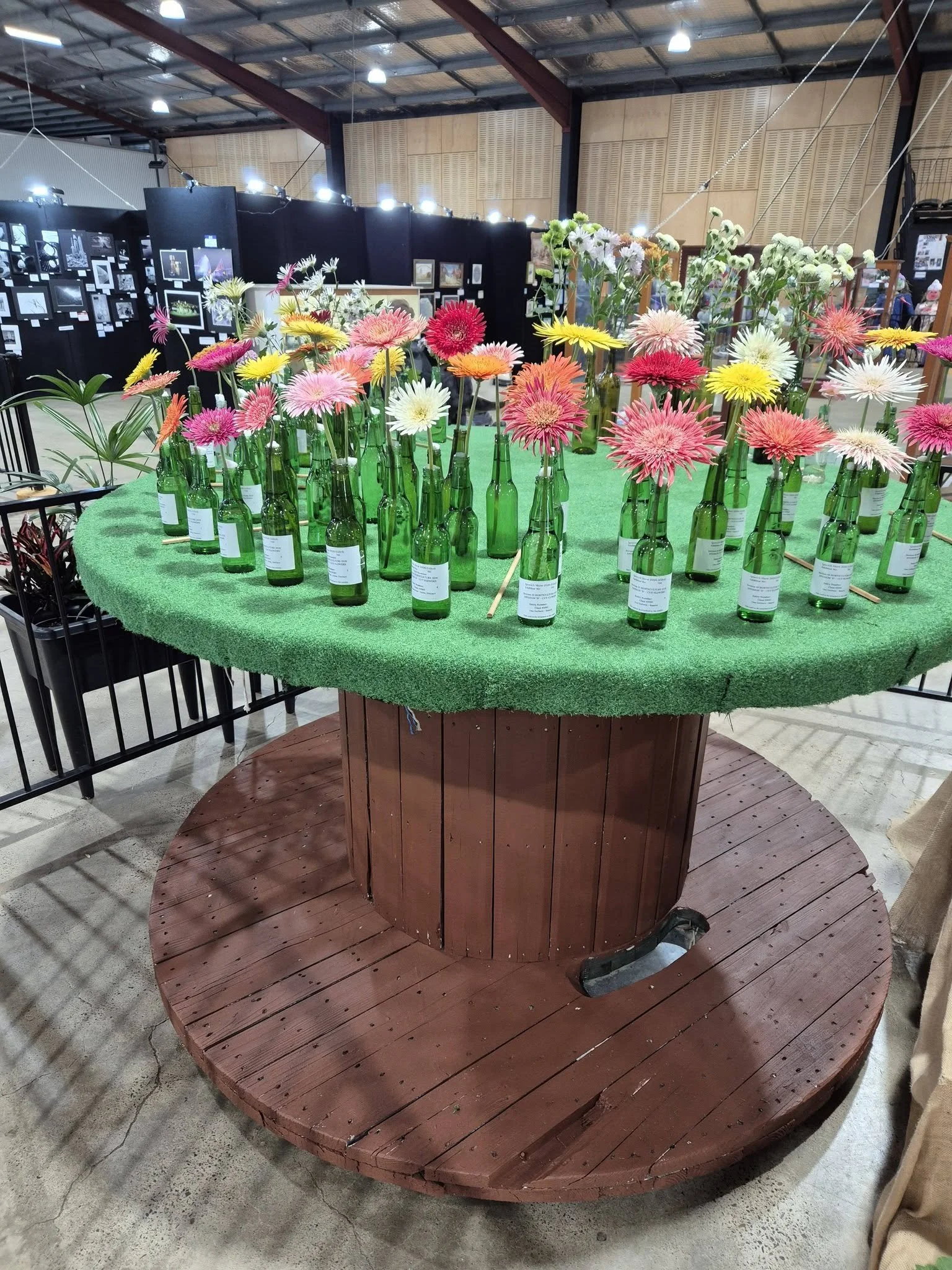
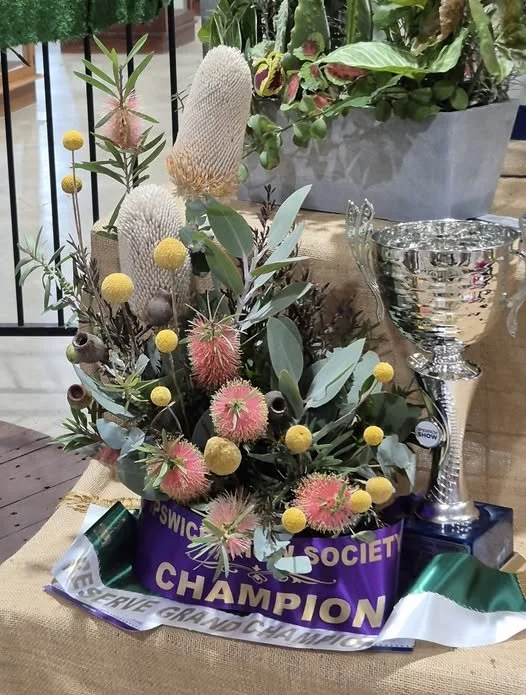
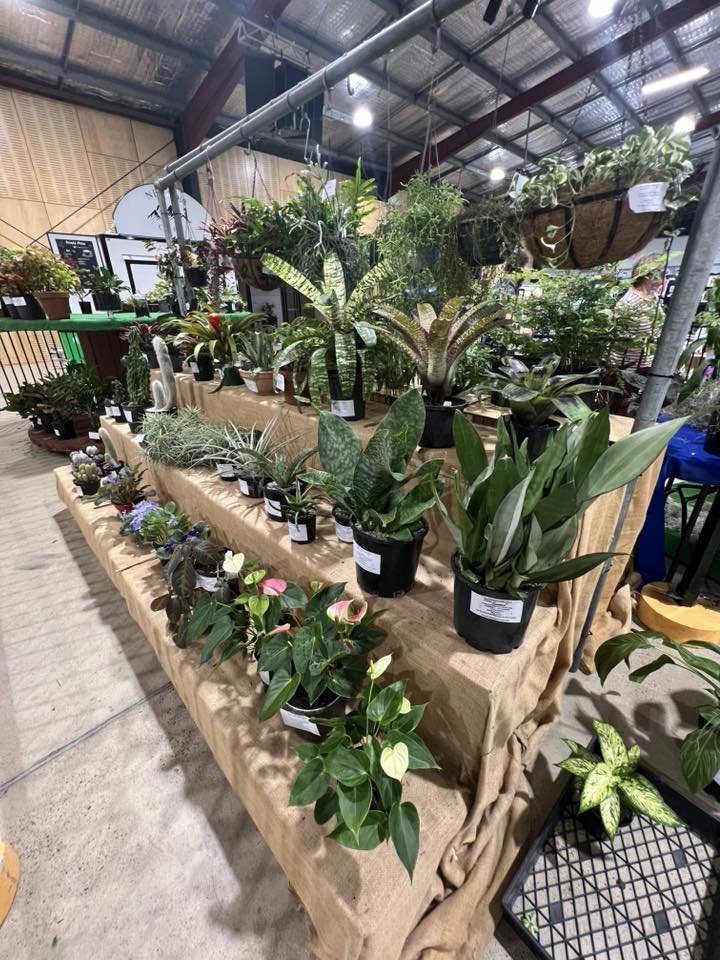
To me the horticultural section at the Ipswich Show remains one of the most eye-catching parts of the event. Competition classes include Potted Plants, Hanging Baskets, Cut Flowers, Floral Work and more, with everyone from individual backyard growers through to clubs and community groups contributing to the displays.
While ribbons and cash prizes are lovely (like really lovely), entering plants is actually about far more than trying to win a prize.
Preparing a plant for display teaches you things and also offers valuable feedback from judges about where you could be doing better.
Sometimes your plant wins. Sometimes you discover it was immature, poorly balanced, overfed, pest damaged or simply up against a grower who has been specialising in that particular group of plants for thirty years. That is not failure, that is horticultural education you won’t find in a classroom.
The fun part, there is absolutely a level of prestige attached to it too.
Being able to say you are a champion grower of begonias or orchids changes the way people view your plants and your knowledge. If someone says their pumpkin seeds came from an award-winning specimen, people immediately understand there is skill and quality behind it.
Historically, horticulture has always had that side to it. Long before social media, people built reputations through agricultural shows, plant societies and exhibitions. You became known because you consistently grew exceptional plants.
Honestly though, one of the loveliest parts about exhibiting is that it rarely stops with the plant entry itself.
You enter one plant and suddenly you are talking to the person benching beside you about fertiliser ratios or where they sourced a particular species twenty years ago. Someone tells you about a local garden club. Before long you realise there is an entire community of wonderfully plant-obsessed people quietly existing around you and somewhere along the way, it becomes less of a hobby and more of a lifestyle.
The ribbons are lovely, but it often the real reward is finding your people.
In a time where horticultural knowledge is slowly disappearing, independent growers are under pressure and everything seems to move faster each year, these show sections still matter enormously. They preserve skills, encourage excellence and they remind people that growing plants well is actually something worth valuing.
Brix
Brix is a simple but powerful measure of how well a plant is functioning. Brix gives insight into photosynthesis, nutrient uptake and overall plant health. Higher Brix is achieved through healthy soil systems that support consistent root function, biology and balanced nutrition.
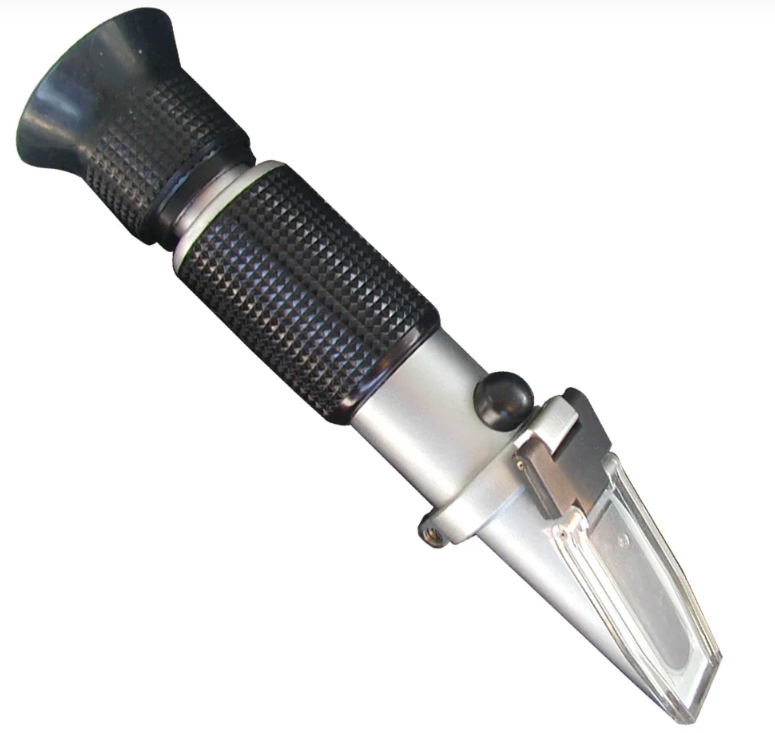
Refractometer
What is Brix and Why it Matters
Brix (°Brix) is a measurement of the concentration of dissolved solids in plant sap or juice, mostly sugars, but also organic acids, minerals, amino acids and other soluble compounds.
It’s measured using a refractometer, which reads how much light bends as it passes through a drop of plant juice, giving a percentage of dissolved solids by weight.
Brix matters because it reflects how effectively a plant is functioning. Higher Brix readings generally indicate stronger photosynthesis, better nutrient density and greater overall plant vigour. For this reason, Brix is widely used in agriculture as a quality and harvest index, particularly in crops such as wine grapes.
When measured over time, Brix provides insight into plant health and performance. Stable or rising readings suggest efficient energy production and nutrient uptake, while declining readings can indicate stress before visual symptoms appear. This is why many growers now use Brix as a monitoring tool for plant stress and nutrient response rather than relying solely on appearance.
Soil Health and Why its Important to Brix
Soil health underpins Brix because it supports the processes that allow plants to produce and store sugars. Active soil biology makes nutrients plant-available, stable soil structure supports consistent root function, balanced nutrition supports sugar production and transport, and organic matter helps regulate moisture and nutrient flow.
When these systems are working together, plants are capable of higher Brix. Sugars produced through photosynthesis are exuded into the soil, feeding microbes that in turn release nutrients back to the plant. The process is circular and self-reinforcing.
It’s important to remember that Brix doesn’t increase simply because fertiliser was applied. When soil health is addressed first, fertiliser becomes supportive rather than corrective and higher Brix follows.
Because Brix reflects how well this whole system is functioning, it can be a useful guide for home gardeners. A rising Brix reading suggests the soil is functioning well, allowing roots to access nutrients and water consistently. That consistency supports steady photosynthesis and steady sugar production.
In commercial agriculture, however, Brix is rarely used in isolation. Growers often pair Brix testing with plant tissue analysis: Brix shows overall system performance, while tissue testing identifies which nutrients may be limiting. Agronomic research shows that fertiliser timing, soil moisture and overall nutrient balance all influence soluble solids in crops.
What Brix numbers mean
Brix values vary by crop, climate and genetics, but the following ranges provide a useful general guide.
Leaf sap Brix (plant health indicator):
Below 6° — weak photosynthesis, high stress
6–9° — moderate health
9–12° — strong metabolic activity
Above 12° — excellent performance and nutrient density
Fruit Brix (flavour and quality indicator):
8–10° — average or standard quality
11–13° — good quality
14–16° — excellent
17+° — exceptional, often seen in well-managed soils
Just to remember, these aren’t hard thresholds. Brix varies with environment and crop type, which is why commercial growers don’t rely on Brix alone. For home gardeners, however, it provides a valuable reference point for understanding plant performance and soil function.

Is Molasses Good for the Garden?
Molasses can be a powerful soil tonic, when used in moderation. Packed with sugars and trace minerals, it feeds soil microbes, boosts plant health, and improves soil structure. This post explains when, where, and how to apply it for the best results, without harming your plants. A little sweet goes a long way!
Molasses in the soil? It’s not just a myth, it actually works.
But like most things in gardening, it’s all about balance.
Molasses is packed with natural sugars and trace minerals. When used properly, it feeds the beneficial microbes in your soil. These microbes help break down organic matter, unlock nutrients (especially potassium, calcium, and iron), improve soil structure and ultimately support stronger, healthier root systems
Think of it as a little energy drink for your soil, especially helpful after applying compost, worm castings, mulch, or during seasonal transitions.
Now healthy soil is great for everything but you’ll definitely notice a difference when you use it around native plants like grass trees and grevilleas (low nutrient lovers), veggies that thrive in biologically active soil, roses, citrus, perennials and lawns.
Like most things its not great if you overdo it. Too much leads to oxygen loss, mould, and nutrient tie-up. You also shouldn’t use if your soil is already heavy or waterlogged.
Always read the label.
Use plain molasses not sulphured molasses (the sulphur kills the very microbes you're trying to feed)
It is recommended that you
➤ Mix about 1 tablespoon of unsulphured molasses into a 9L watering can (that’s a 0.2–0.5% dilution)
➤ Pour around the base of your plants into the soil, not on the leaves
➤ Apply every 6 weeks if necessary
If you want to really boot your gardens, a follow up with seaweed tonic or worm juice to really get those microbes multiplying too.
Molasses when used wisely, can give your garden a biological edge, boosting resilience, root health, and overall soil vitality.
Just don’t treat it like maple syrup on pancakes and drown your plants.
A little sweet goes a long way

Myth Busting: The Vaseline Ant Trick
Heard the tip to smear Vaseline on your tree to stop ants? While there’s a grain of truth behind it, the method can harm your plants more than help. This post unpacks the real issue, hydrophobic soil and offers a safer, more effective solution for protecting your trees from ants and aphids.
As with most garden myths, there’s a kernel of truth, so let’s pull it apart and deal with it properly.
The Truths:
Yes, ants farm aphids for their sweet honeydew. So in theory, if you control the ants, you reduce the aphid population. And yes, Vaseline has been used as a physical barrier to stop ants climbing.
The Reality:
Smearing Vaseline directly on your tree’s trunk, especially thin-barked trees like citrus or stone fruit, is a fast track to disaster. Petroleum jelly (Vaseline) suffocates the bark, traps moisture, and can cause ringbarking. With no application rate, no guidelines and just guesswork, that can kill your tree.
What should we do instead?
First, let’s talk about what’s really going on.
Excess ants usually (not always) point to hydrophobic soil. Soil that’s either not getting enough water or repelling it altogether. Ants love this. They build their nests in the dry root ball and actively repel water to keep their home dry. That means your plant stays dry too, stressed, weak, and vulnerable.
Then come the aphids, followed by scale and mites. Now the ants have a buffet and the whole thing snowballs.
Fix it this way instead:
Drench the soil with a soil wetter, really soak it. This floods out the ants and starts restoring water flow.
Follow up with a complete fertiliser like Organic Link to support recovery.
Start a pest management routine: Spray fortnightly with something organic like neem or Eco-fend.
Add a liquid feed (like Plant Care) every two weeks for a month to boost vitality and immunity.
It’s not instant but this approach is safer, more effective, and kinder to your trees in the long run.

Honey as an Alternative to Rooting Hormone
Honey is often suggested as a natural alternative to synthetic rooting hormones but does it really work? Research shows mixed results but honey generally doesn’t match the effectiveness of synthetic rooting powders or gels.
As with many horticultural myths, there is a kernel of truth...
While honey does not contain auxins (the plant hormones responsible for stimulating root development), it does offer properties that may support the rooting process under certain conditions.
Honey exhibits well-documented antibacterial and antifungal properties, primarily due to its enzymatic production of hydrogen peroxide and high sugar concentration. When applied to cuttings, it may help reduce infection at the wound site, creating a cleaner environment for root initiation.
Its viscous texture allows honey to seal the cut surface of a stem, limiting desiccation and offering some moisture retention. This can be helpful in environments with fluctuating temperatures or low humidity.
Honey contains trace minerals, vitamins, and simple sugars, though in quantities too low to serve as significant nutritional supplements. Still, these components may support cell metabolism in early rooting stages.
Several studies have explored honey’s effectiveness as a rooting agent, with mixed outcomes:
A study by the University of Hawai‘i, College of Tropical Agriculture, found that while honey demonstrated some ability to promote rooting, its effectiveness was limited and inconsistent compared to synthetic rooting compounds.
A New Zealand nursery trial compared Manuka honey, multiflora honey, a commercial rooting compound, and a control group. Multiflora honey produced the best root development and the fewest failed cuttings—outperforming both the synthetic treatment and Manuka honey. This suggests that the type and processing of honey matter significantly.
If you are using this method, always use raw, unprocessed honey, as pasteurisation reduces both enzymatic and antimicrobial activity.
Seriously, though, no one should be buying honey from the supermarket anymore, anyway!
So, is the myth busted?
Not entirely. Honey may provide moderate rooting support, particularly for softwood or easy-to-root species, due to its antimicrobial qualities and wound-sealing ability.
However, it does not replicate the function of auxin-based rooting hormones (like IBA or NAA), which actively stimulate root initiation at the cellular level.
If you are in the mood for experimentation, certain types of honey can be useful when doing cuttings.
If you need results more than experiments, products like Rootex Cutting Powder or Gel should be used due to their consistency and proven performance.

Planting Myths: Digging Deeper into Compost and Root Health
Planting myths often contain a seed of truth, but as any gardener knows, the real story is rarely so simple. In gardening, there’s rarely a one-size-fits-all rule. The key is understanding your soil, your plants, and what they need to thrive and being willing to look beyond the hole.
A Garden Myth that I needed to Dig a little Deeper on!
Recently, someone shared a quote from The Informed Gardener by Professor Linda Chalker-Scott, which argued that compost should be added only on top of the planting hole, not inside, and that planting holes should be as deep as the root ball but twice as wide.

I appreciate that this advice comes with good intentions, but as with most things in gardening, the truth is more nuanced.
Let’s break this down and explore what’s really going on below the surface.
How deep and wide should a planting hole be?
Linda Chalker-Scott recommends digging the hole only as deep as the root system and twice as wide.
This is generally good advice: planting too deep can cause settling and lead to burying the crown, which leads to rot. A wider hole encourages lateral root growth and helps roots establish in compacted or heavy soils.
When this works
In well-prepared soils or areas where compaction is minimal, this method encourages roots to spread into the native soil.
When this might fall short
In soils that are heavily compacted, hydrophobic, or of poor structure (like urban fill or degraded sites), simply making the hole wider without addressing the surrounding soil quality won’t necessarily help roots establish well.
Should you amend the planting hole at all?
The claim is that you should never amend the planting hole “in any way” and only backfill with native soil. The logic is to avoid creating a “pot effect” where roots stay in the nutrient-rich pocket and don’t venture into the surrounding soil.
There is truth here
If you fill the hole with soft, rich soil or lots of organic matter, especially in clay soils, roots can circle in the hole or fail to move into denser surrounding soils. Water can also perch at the boundary between two very different soil textures, leading to waterlogging at the root zone.
But context matters
In very poor soils, think subsoil, building rubble, or extremely sandy soils, some incorporation of well-aged compost or organic matter into the backfill can help create a healthier root zone. The key is blending the amendment with the native soil to avoid creating sharp boundaries.
Is compost in the planting hole always a bad idea?
The supporter’s comment suggested compost should only go on top as a mulch. While top-dressing with compost is great for feeding soil life and improving surface structure, a blanket ban on incorporating organic matter at planting doesn’t always hold up.
Top-dressing is fantastic
It feeds worms and microbes, protects soil from erosion, and slowly improves structure.
But moderate incorporation can be beneficial
Particularly in soils low in organic matter or with poor biological activity. It’s not about filling the hole with pure compost, but blending small amounts with native soil can jump-start root zone health.
Are we “spoiling” the plant with rich compost in the hole?
There’s a common belief that putting compost in the hole spoils the plant and encourages roots to stay put. But plants don’t get “lazy”, roots grow where water, air, and nutrients are available.
If surrounding soils are inhospitable, no amount of compost on top will change that. In these cases, improving the soil beyond the hole (via broad soil prep or blending amendments) is key.
Does this advice apply everywhere?
It’s important to note this recommendation came from Washington State, a climate with very different soils and conditions from, say, much of Australia. What works well in the Pacific Northwest may not directly translate to South East Queensland, where soils, rainfall, and temperatures differ.
The take-home message
There is no one-size-fits-all rule in gardening. The best planting method depends on your soil, plant type, and climate.
In the end, soil health and structure are what truly support thriving plants and that often means looking beyond the hole.
I’d also add that the organic matter you’re adding has a shelf life. It breaks down within a relatively short period of time, so ultimately you’re giving your plant a good start but that’s all. Long-term soil health comes from ongoing care, not just what you put in the hole at planting.
So next time you hear a planting rule, take a moment to look at your own soil, your climate, and your garden’s needs. Gardening myths often have a seed of truth but real success comes from understanding the full story.

Gardening Myths: The Stories We Tell Ourselves
Discover common gardening myths and the truth behind potting mix feeds, full sun labels and banana peels
Planting myths often contain a seed of truth, but as any gardener knows, the real story is rarely so simple. In gardening, there’s rarely a one-size-fits-all rule. What works in one garden, climate, or soil type might be a disaster in another.
Let’s talk horticultural myths and gardening “truths” that aren’t quite right…
What have you believed or done in the garden that turned out to be misunderstood, outdated, or just plain wrong? Here are a few confessions to get us started:
Myth
Potting mix feeds your plants for 18 months
When potting mix says “feeds for 18 months,” that’s from the date of manufacture, not the day you open the bag. And no… they don’t put the date of manufacture anywhere on the packaging.
That’s why we always recommend feeding when planting, using something like Organic Link so you know exactly when the last feed happened. If in doubt, reapply every three months or with the turn of each season to keep nutrients consistent.
Myth
Full sun means all-day blazing sun
When a plant label says “full sun,” it simply means the plant needs at least 6 hours of direct sunlight per day. But not all sun is created equal.
Ipswich sun in December is a whole lot fiercer than Melbourne sun in December. So generally, if a plant tag says “full sun,” aim for sun-up to midday in hot climates — that’s a safe six hours for most plants.
And here’s the kicker: some plants can handle 12+ hours of blazing sunlight a day and thrive in it. Unfortunately, they’re labelled exactly the same as more delicate “morning sun only” plants. No wonder it gets confusing!
This is exactly why plant labels aren’t your only resource. Chatting to your local garden centre and their qualified horticulturists is the best way to get location-specific advice based on real experience.
Myth
Banana peels are a great potassium fertiliser
Banana peels just don’t have enough potassium in the peel to make much difference when used directly on your garden.
Let’s break it down: banana peels contain about 78mg of potassium per 100g, while a proper potassium fertiliser contains thousands of milligrams per application, plus it’s in a form that plants can actually absorb.
So while it sounds lovely to tuck a banana peel under a plant, you’re better off adding it to your compost where it can break down with other organic matter and contribute to long-term soil health.
If your plant needs potassium? Reach for a specific potassium-based fertiliser like Sulphate of Potash or Silica and Potash, especially during flowering and fruiting seasons.
The takeaway?
Read the label. Read your climate. And talk to someone who’s been there, killed that, and figured it out the hard way!
Have a gardening myth you’ve fallen for — or one you’re not sure about? Pop in and see us at Trevallan, or drop a comment below. We’d love to help you sort fact from fiction.
I’ve recently covered a few more myths you might like to explore
Check them out and keep growing smarter!

Way to my Heart
Valentine's Day is a great day to remind ourselves how awesome and special our loved ones are. Sure many of us think it's a little over commercialized but honestly who wouldn't get a little tingle up their spine when their loved one arrived home with a flowering plant and champagne!
What is Valentine’s Day Really About?
There are many stories associated with how Valentine's Day came about.
There seems to be a few stories floating about about Saints name Valentine or Valentinus
Imagine living in the Roman Empire around 1st century AD. In this time Christians were persecuted, jailed, tortured and killed, and things like marriage was outlawed, after all young unmarried men make better soldiers!
It is believed there was a Priest or Priests called Valentine. These men defied the Roman Empire and performed marriages and other sacraments for Christians. Another story goes that a Priest named Valentine helped Christians escape persecution and my favourite story is that a priest fell in love with a jailer's daughter and sent her a message of affection, signed "From Your Valentine."
While what is written about Valentine is a little murky these stories illustrate his appeal as a sympathetic, heroic, and, romantic figure. Understandably by the Middle Ages, Valentine was one of the most popular saints.
But why did the Church decide the feast of St. Valentine would be on February 14?
Well one story goes that Bishop Valentine was imprisoned, tortured, and martyred on February 14, 269. In 496 Pope Gelasius I, declared The feast of St. Valentine would be held on February 14 in his honour.
Another theory links Valentine’s Day to the ancient Roman festival Lupercalia, celebrated on February 15. This pagan festival was meant to purify the city and promote health and fertility. Young women would place their names in an urn, and the city’s bachelors would draw a name, pairing up for the year, often leading to marriage! However, Pope Gelasius I later abolished Lupercalia around 496, deeming it un-Christian.
History is one of my favourite subjects. Studying all history reveals not just what happened, but why it happened, providing valuable insights into human behaviour and societal choices.
What remains clear is that Valentine’s Day is all about love, connection, and celebration.
Yes, over the years, it’s become a little commercialised, but honestly who wouldn’t get a little tingle up their spine when their loved one arrives home with a beautiful flowering plant and some liquid fertiliser? Now that’s a gift that keeps on giving!
And let’s not forget, Valentine’s Day isn’t just for those in relationships. Love and connection come in many forms. It’s a day to celebrate love in all its expressions romantic, platonic, and most importantly, the love we show ourselves. So whether you’re treating yourself to a quiet moment in the garden, catching up with a friend for coffee, or simply embracing a little extra self-care like buying yourself a new plant or garden ornament, Valentine’s Day is a perfect reminder to cherish all the ways love shows up in our lives.
So, what fun and love-filled things are you doing this Valentine’s Day ?

Traditionally, red roses are the first choice for Valentine’s Day as they universally mean “I Love You”.
However, did you know that the Agapanthus flower stands for secret love and Caladiums mean joy and delight? Gerberas, with their bright and cheerful blooms, symbolise happiness, positivity, and admiration. A white camellia says you are adorable and an Orchid represents love, beauty and charm.... my kind of flower!
Don’t forget that guys love presents too. Did you know that any camellia given to a man symbolises good luck.
Maybe this is your first Valentine’s day in your own home and you want to celebrate with something special? Why not plant a love tree or keep a love tree as a house plant? Maiden hair Ferns symbolise a bond of love and the orange tree flowers symbolise eternal love, marriage and fruitfulness. If you’re after something unique, Peperomia plants are a great choice as they symbolise resilience, prosperity, and a long-lasting relationship, making them a thoughtful gift for love that stands the test of time.
Want something a little extra special?


Trevallan has Beetle Bug Curious Art in store now. Did you know a Scorpion can represent passionate and intense love, while a Butterfly is all about new beginnings and starting afresh.
Beautiful, hand-carved soapstone sculptures from Zimbabwe make a meaningful gift. The “Lovers Entwined” sculpture represents never-ending love.
Perfect Potion has you covered with their Eros blend, a love potion of aphrodisiacal pure essential oils, designed to evoke passion, desire, and sensuality.
Of course, you can’t go wrong with crystals. Our Pink Amethyst crystal is known for its calming and protective properties, helping strengthen relationships while shielding the heart from negativity. Unlike flowers that fade, this beautiful crystal is a timeless keepsake, making it a meaningful gift for a partner, a friend, or even yourself
Maybe time is your love language? In a world that moves so fast, taking a moment to slow down can be the greatest act of love—whether it’s time spent with someone special or simply time for yourself. Why not pause for a coffee and a delicious Valentine’s Cookie or Cupcake?
After all, love isn’t just about grand gestures, it’s about the quiet moments of connection, the conversations over coffee, and even the small acts of self-care that remind us we are worthy of love too.
Whatever you do, don’t let this day pass you by. Remember, it’s all about love, connection, and celebration.
How are you celebrating today?

The Native Garden: A Balanced Approach
Amid discussions about exotic species becoming problematic in Australia, it’s crucial to re-examine native plants' role in our gardens. While I cherish native plants, I also appreciate many exotic species and believe they can coexist harmoniously.
Recognise that native plants can become weeds, like the Cootamundra Wattle (Acacia baileyana), which can invade higher rainfall areas. Native gardens require effort, including soil cultivation, fertilising, and regular maintenance.
Genetic modification to meet consumer demands for constant flowering plants risks diluting native species' genetic integrity, weakening resilience and harming ecosystems.
By prioritising robust genetic traits and educating consumers, we can create sustainable gardens that celebrate both native and exotic species.
With the ongoing discussions about some exotic species becoming problematic in parts of Australia, I felt it was time to reveal that while I love native plants, I also have a deep appreciation for many exotic species and believe they can coexist harmoniously.
The Native Plant Misconception
It’s important to recognise that just because a plant is native doesn’t mean it won’t become a weed. Take the Cootamundra Wattle (Acacia baileyana) as an example. This beautiful, fast-growing acacia is naturally restricted to the South Western Slopes of New South Wales. When planted in higher rainfall areas, it can aggressively invade surrounding bushland, self-seed, and become a nuisance.
Another misconception about native plants is that they require little to no maintenance. A native garden, like any other garden, requires effort. This includes:
Soil Cultivation: Regularly improving soil with compost and organic mulch.
Fertilising: Using products like Organic Link at the start of each season and supplementing with regular liquid fertilising.
Maintenance: Trimming and replacing plants as weather conditions change.
Responsibility
People must start to take responsibility for our plants and gardens. For instance, Syngoniums, a popular houseplant, are classified as weeds. Do we stop cultivating this plant, or do we educate and ensure responsible care and correct disposal, if needed? As a professional horticulturalist, I explain the potential pitfalls and dangers of allowing such plants into the wild. I expect their new owners to trim and care for them to prevent them from becoming out of control. I expect people to allow themselves to be educated and take on that advice. You cannot buy a climber and then get upset when it climbs.
Choosing the Right Plants
Reputable Sources: I only purchase plants from reputable sellers. For example, seed-grown vinca (which I do not sell) can be a weed, but with modern horticultural advancements, sterilised vinca won’t usually last longer than 6-12 months (this is what I stock).
Local Availability: Many Southeast Queensland natives are not commercially available because they are hard to cultivate in large numbers or aren’t as visually appealing as their Western Australian counterparts. Thus, a native garden in Ipswich might consist of 20 Western Australian and South Australian natives and only a couple of Southeast Queensland natives.
Genetic Dilution in Local Australian Plants
Genetic dilution refers to the weakening or loss of genetic diversity in local native plant populations due to cross-breeding with introduced species from other areas or non-native species. This can lead to several ecological and evolutionary problems, including reduced adaptability to local conditions and the loss of unique genetic traits.
An example of this happening is with the Australian native Corymbia torelliana, commonly known as Cadaghi. It is native to northern Queensland, Australia, and has been widely planted outside its native range due to its fast growth, aesthetic appeal, and usefulness in timber production.
Corymbia torelliana can hybridise with closely related species, such as other Corymbia species and some Eucalyptus species. When this occurs, the genetic material of Corymbia torelliana mixes with that of the native species, resulting in hybrid offspring. These hybrid offspring may exhibit reduced fitness compared to pure native species, including traits such as lower resistance to local pests and diseases, or reduced adaptability to local soil and climate conditions.
The genetic dilution of native species can also lead to a reduction in biodiversity, potentially disrupting ecosystem functions such as nutrient cycling, water regulation, and habitat and food provision for other species.
Corymbia torelliana produces a large amount of pollen, which can be dispersed over long distances by wind or pollinators like bees. This increases the likelihood of cross-pollination with native species over longer distances. Just one tree can affect a very large area.
The Role of Exotic Plants
Native and European plants can be used together. Many fruit trees and vegetables aren't native, but that doesn't mean we should stop growing them. Many herbs, like garden mint, and comfrey, can become weeds, yet we don’t stop cultivating them. Instead, we focus on education and responsibility.
I have personally found Camellia sasanqua flowers and bacopa (both exotic) are a preferred flower for my native bees. Lemon Balm (Melissa officinalis) was traditionally used by the ancient bee keepers. They used to rub the crushed leaves on the beehives to encourage the domesticated bees to return to their hives. They also believed that the lemon balm would also bring new bees to the hive.
Creating a garden, whether it be native or a combination, requires thoughtful planning and effort, but the results are worth it. By understanding the specific needs of our environment and taking responsibility for our plant choices, we can create beautiful, sustainable gardens that celebrate both native and exotic species. Let’s continue to educate ourselves and others while embracing the diversity that makes our gardens thrive.

Gardening after Rain
Gardening after deluges of rain can be hard but worth it for our mental health. Recent weather events have lead to our home gardens being inundated with large amounts of water. Unfortunately our productive gardens may not be exactly ready for plantings and other established plants are rotting in the ground. Here are some quick tips for gardening after the rain.
Gardening after deluges of rain can be hard but worth it for our mental health.
This morning while sloshing through mud and mumbling to myself about all my worries, I pulled weeds. The ground was wet and pliable and I just kept going until I realised my mental chatter had stopped and I was calm again.
Recent weather events have lead to our home gardens being inundated with large amounts of water. Unfortunately our productive gardens may not be exactly ready for plantings and other established plants are rotting in the ground.
Some quick tips for gardening after the rain.
Always wear shoes and gloves, never go into deep water
Deal with the big stuff first. Remove any rubbish that may have gotten into your gardens. With the wind and water flow I have found plastic containers, soft drink bottles and other general bits and bobs in my garden.
Clean debris out of Gardens, any broken branches excess mulch, stones ….
Wash foliage of plants covered in mud. A lot of my groundcovers have been covered in mud as the water is just flowing right over the top of them!
Check drainage lines, is there anything you can do to divert water or make water disperse quicker. I have found a few of my drains had mud in them still from last lot of rain we received.
Trim neatly any broken branches or limbs. Plants can handle a light prune but remember now is not the time for a garden overhaul. Plants are already stressed. Hold off major trimming or plant replacement until the weather behaves.
Check to see if plants are sitting in water. Wilting and leaf drop is a sign of stress not just from drying out but also from too much water.
Accept that some plants may have died. Many gardens around the Ipswich region are planted out with dry Mediterranean plants such as Rosemary and Lavender as well as dry Western Australian natives such as Grevilleas and Kangaroo Paw. Many of these plants can't handle having wet feet and then humidity for extended periods of time. Since these weather events aren’t consistent it doesn't mean changing your whole gardening style it just means accepting some losses.
Don't granular fertilise your gardens just yet. There may be more rain on the way and all that fertiliser may just runoff. Wait until we know for sure no large amounts of water on on their way. After a few weeks, you can give your plants a fertilise with an organic fertiliser like Organic Link
You can Liquid Fertilise. Once the heavy downpours stop I will be giving the nursery and my home garden a liquid fertilise with Plant Care and Neem Oil in Birchy. I will be doing this little and often until the weather starts to behave.
Buy some Beneficial insects or keep up with the neem and or pyrethrum. Insects are having an absolute ball in this weather and are multiplying faster than rabbits. This leads to them causing a lot of problems in my garden. I am regularly using neem oil as a preventive and when times get really tough, I spray with pyrethrum.
Apply Dolomite after this deluge of rain finishes. Calcium and Magnesium are water-soluble so your garden's soil will be very depleted of these trace elements. Dolomite is a great way to replenish these levels without affecting the pH of your soil. Low magnesium and calcium can affect many edibles as well as acidic loving plants such as camellias.
Mulch. Your gardens are wet make the most of it. Keep that dampness in and weeds down.
Don't forget to water your potted plants if they are undercover and can't get rainwater.
Try to enjoy being outside. We’ve been spending so much time locked up inside lately. Time to get out of the house and get some fresh air.

My Favourite Gardening Task
Discover the unparalleled satisfaction of tending to your lawn. Dive into the myriad of positive attributes lawns bring to your garden landscape, from recreational spaces to mental well-being. Explore sustainable practices to enhance these benefits while minimizing environmental impacts.

Runs in the Family!
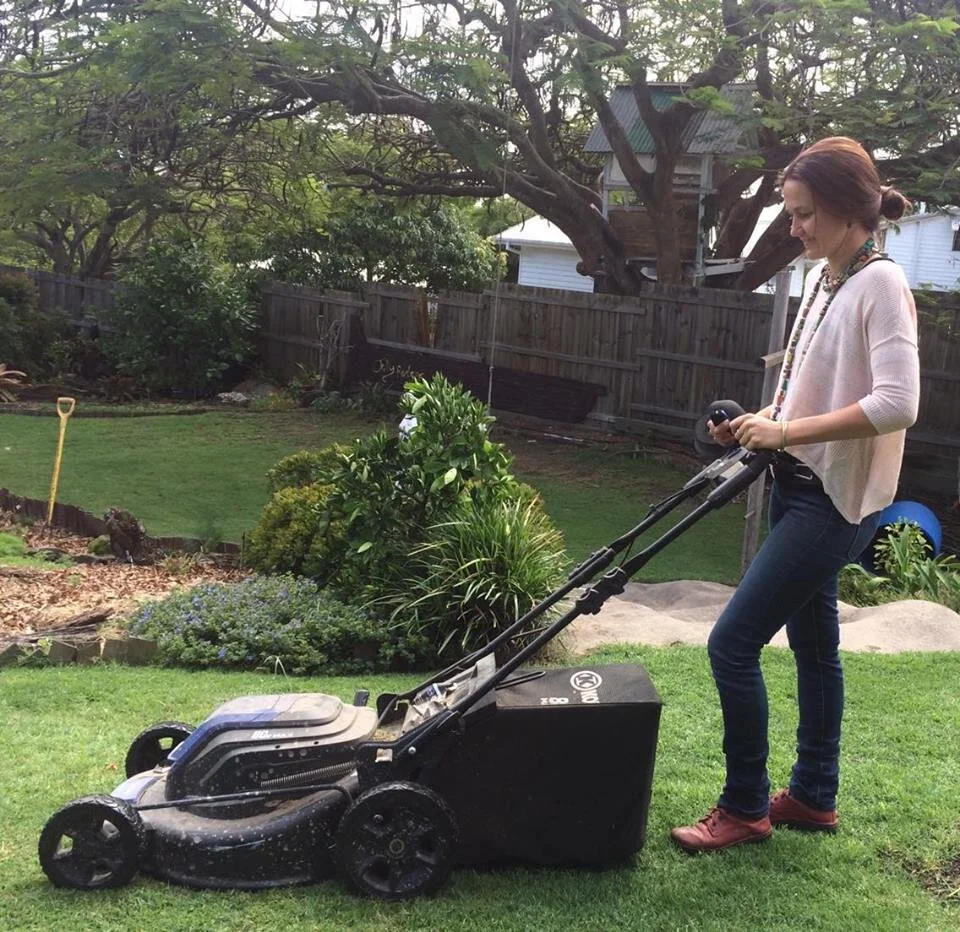
Warming the engine of the mower so my sister could mow on a cold morning!
My favourite gardening task is nurturing my lawn. I take immense pleasure in mowing it, finding it to be a job uniquely impervious to interference by others. Unlike cleaning a house that quickly gets dirty again, a mowed lawn can be seen for a least a few days and the sense of accomplishment I feel is indescribable. I love looking out or coming down the street and seeing my freshly cut lawn
To me, lawns form an indispensable facet of a garden's landscape, bearing numerous positive attributes that are nowadays often overlooked.
Recreational Space
Lawns offer a versatile space for outdoor activities - be it sports like soccer (our front lawn moonlights as a mini soccer field complete with its own built in goal), at home picnics or easy to clean up kids dinners, gatherings, or simple relaxation. A well-kept lawn invites people to be outside nature, whether it’s to engage in physical pursuits or just ‘chill’. You will often find my teenage son and his friends just chilling on our front lawn.
Aesthetic Appeal
Well-maintained lawns enhance the visual appeal of a property. They create a sense of order and cleanliness, contributing to the overall beauty of a landscape and increasing the curb appeal of homes and public spaces.
Stormwater Management
Lawns adeptly soak in and decelerate rainwater runoff, curtailing flooding and erosion risks. The lawn and soil function as nature's sponges, filtering and absorbing water before it reaches drains or water bodies.
Erosion Control
Lawns, when properly established with healthy root systems, can help prevent soil erosion. Their dense vegetation and root structure stabilise soil and reduce the risk of soil loss during heavy rains or wind.
Cooling Effect
Lawns can mitigate the urban heat island effect by reflecting sunlight and providing a cooler surface compared to paved/concrete/rock/fake turf areas. This helps maintain more comfortable temperatures in and around your home. I know how much cooler our front patio is since we created our turf area.
Mental and Emotional Well-being
A well-maintained lawn fosters mental tranquillity The sight of green and lush open areas lessens stress, instils calmness, and revitalises the mind. For me, it evokes strong emotions rooted in cherished memories of learning about gardening from my grandfather.
Air Quality Enhancement
Lawn grasses can ensnare airborne particles and pollutants, elevating the air quality within their vicinity. This leads to healthier, more breathable air. The difference is tangible; once our front yard evolved from a dirt patch, the home became less dusty and the air more invigorating.
I believe incorporating sustainable practices, like opting for organic fertilisers, water wise methods, and minimising pesticide usage, can amplify all these positives while mitigating the negative ecological and social impacts lawns seemed to have suffered over the last few years.

Chelsea Mowing at her old house
I firmly believe lawns don't necessitate extravagant expenses or environmental detriment for upkeep. They can be tended organically, and a well-rooted, robust lawn requires minimal watering. Maintained lawns are not onerous chores; they just demand consistent, manageable care.
While my lawns may not be in their prime currently, I employ simple, accessible organic techniques that anyone can adopt. Lawns, in their dynamic nature, thrive with regular but not excessive attention.
For me, a lawn is a key ingredient that adds that extra dose of joy to a household and completes the picture of a beautifully landscaped yard.

Mediterranean Gardens in Ipswich
I find garden design concepts like ‘Mediterranean Garden’ hard to give actual plants for as it’s a concept, a feeling especially in Ipswich’s ever changing climate and soils. No matter what your garden design is it should be a complete sensory experience and practical for YOU. Here are my tips for creating a ‘Mediterranean Garden’ in Ipswich
WHAT'S IN A MEDITERRANEAN GARDEN?
Sometimes I find garden design concepts like ‘Mediterranean Garden’ hard to give actual plants for as it’s a concept, a feeling especially in Ipswich’s ever changing climate and soils. No matter what your garden design is it should be a complete sensory experience and practical for YOU.
So what makes a Mediterranean garden?
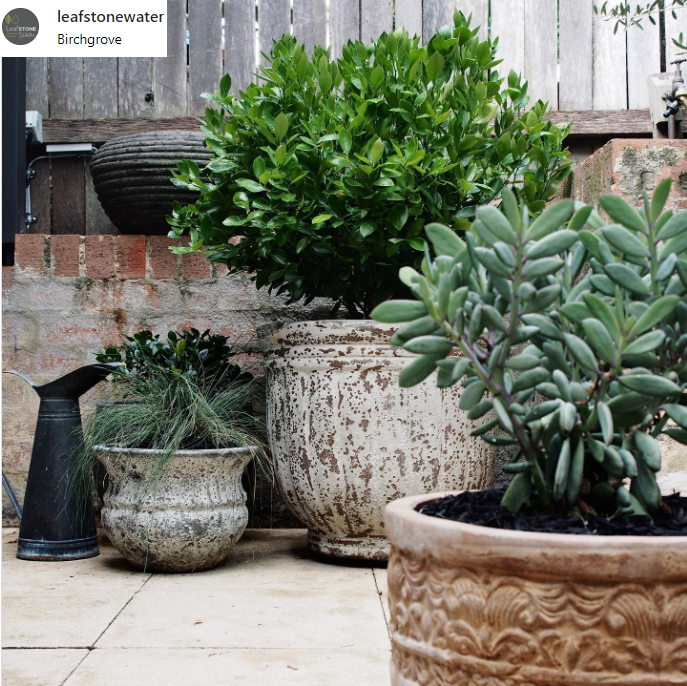
Mediterranean gardens are designed to respond to their hot and dry summer and a mild wet winter/spring. They usually have shady areas (pergolas or shade trees), water (water bowls and features), outdoor entertainment areas (better to be outside than in), dry tolerant plants, oversized pots and urns and bright focal points in the form of plants or materials (cushions, ornaments, tiles, rugs). Let’s also not forget the two most important factors food and scent! Clipped hedging and topiaries are also a hallmark of Mediterranean gardens.
When designing your Mediterranean Garden or Courtyard we need to take all these important aspects into consideration.
While there are many plants that survive well in dry hot Mediterranean climate, we have to understand that Ipswich can get very humid as well as very cold and wet and other years we have hot dry summers and cold dry winters. It can make plant choices a little harder.
For us Ipswichians, I find a simple plant palate is best. Chose only three or four varieties of larger and forever plants that will handle almost anything and allow yourself some fun with plants that may not be forever depending on our weather.
A small garden or courtyard could contain a hedge of Olives or Bay trees loosely clipped, bright colour geraniums, or salvia filling the space and then boxed in with a Rosemary or French Lavender border. Citrus trees planted into large oversized terracotta pots and trimmed into loose topiaries and ivy geraniums spilling down the sides. Thyme could be used in between pavers or as a ground cover (living mulch). Mandevillas, Jasmine or Trachelospermum could climb over structures. If you don’t want plants climbing over structures, hang large hanging baskets of colour from your structures, overflowing with colour.
The area will also need clusters of Terracotta Pots containing your herbs and vegetables (Tomatoes, basil, oregano, salt bush, mint), grouping pots together in odd numbers always looks best. Go oversized and chose the best potting mix to help with water retention.
You will also need a large water bowl with a bubbler or even a pond with a small waterfall.
Brightly coloured outdoor rugs on the pavers to soften the harshness of the area and brightly coloured cushions on the chairs. Bright does not mean neon. Think nature’s colours – brilliant azure blue of the ocean, deep lush greens of plants, terracotta brown of the earth and bright shades of pink for flowers.
To finish off the area plant up terracotta bowls of mixed succulents and mixed bright coloured annuals. These can be switched up depending on the time of year and climate. Hot dry summers – go for succulents in the more humid weather go for bright coloured annuals.
In small spaces, keep it simple so it doesn’t look too busy. You can go multiples of the same but different for example citrus trees like a orange, lemon and mandarin as they all have similar growth and leaves. Geraniums all look the same but may come in different colours. If you use terracotta pots make sure all pots are terracotta. Different sizes and styles are fine but don’t mix one blue pot, one black and then three small yellows. Big is best. Lots of little pots can look messy and are hard to maintain. One big impressive pot is more ascetically pleasing than ten tiny ones.
Design it
I struggle sometimes to visualise exactly what I want! Many of you would have experience my design paralysis when you come into the garden centre and find the entire showroom demolished because I wanted to move a table. I find it’s best to start with a clean slate, boxes, spray paint and hoses.
Take everything away and clean the area until its sparkling, do any maintenance work on the area now. Fix retaining walls, add compost, pressure wash pavers. I then use the hose and spray paint to make out garden beds and then boxes are used as pots/plants to help you get a feel for things.
Work out what you want from your area. If no one cooks there is no point in having lots of herbs.
Do the big stuff first, get that hedge in, buy that big pot, get that oversized chair and cushions. You may not have the money right now to fill that big pot but it’s better to have the big pot and place it where you want it then not have it. You can buy some smaller ones to go around it for now to dress it up. I have empty pots on my front patio that I am slowly filling. It’s ok that it takes time. Also empty pots are easier to move around so don’t jump the gun with pots and plants. Buy the expensive potting mix, compost, mulch. DO NOT ever scrimp on soil, it is the foundation to a great garden.
Have fun. Remember it’s a concept, a feeling. This garden is yours so make it your own!
Inspiration from Instagram
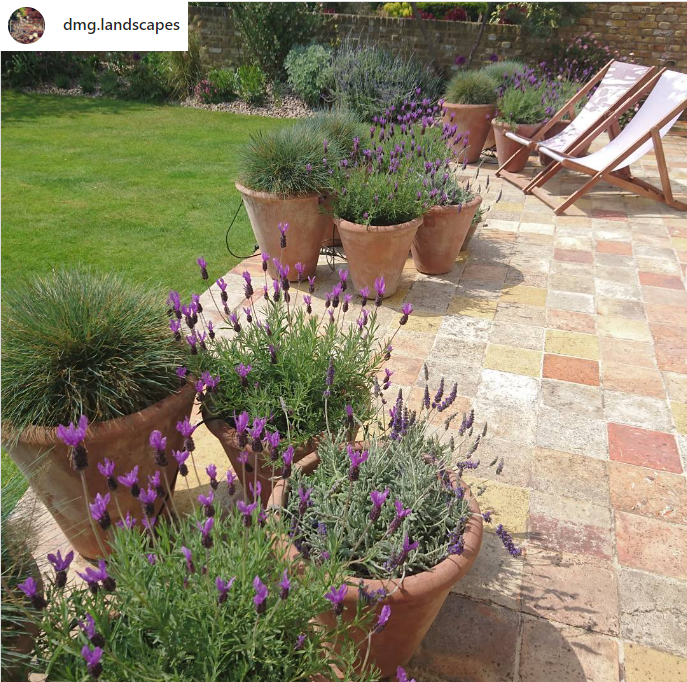
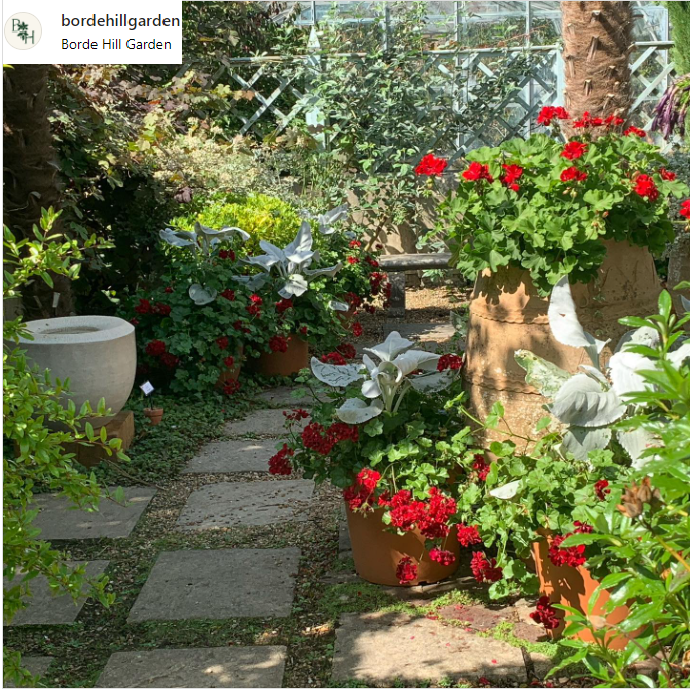
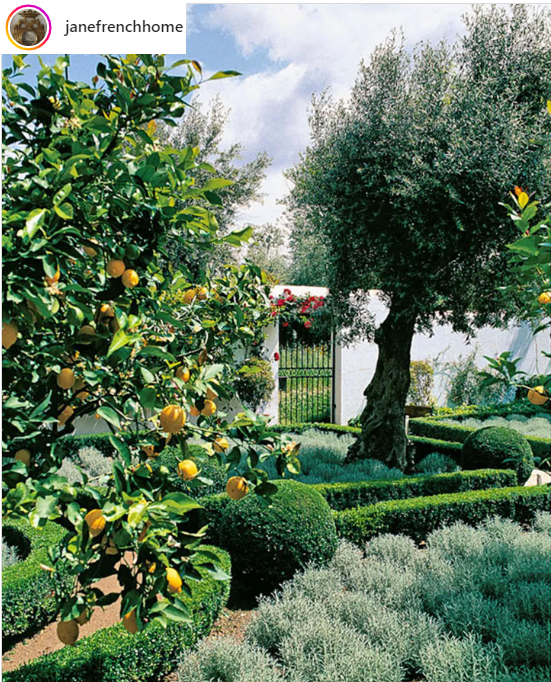
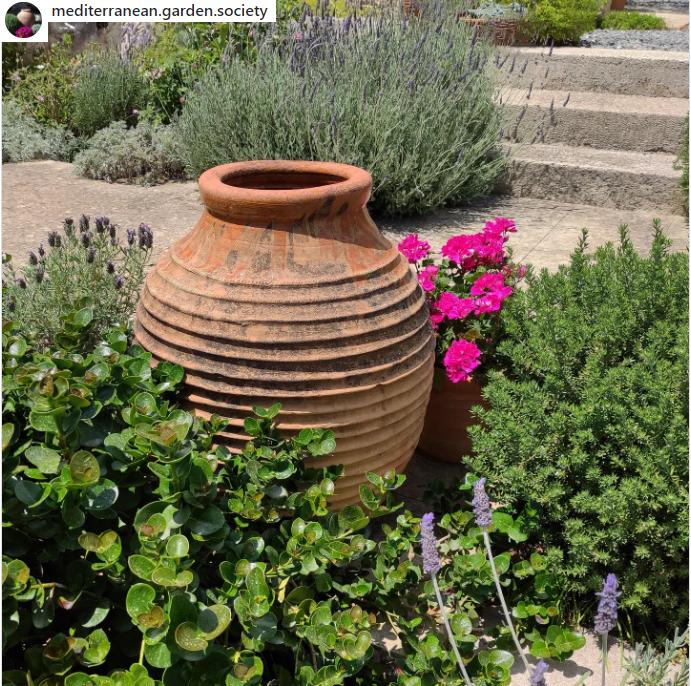
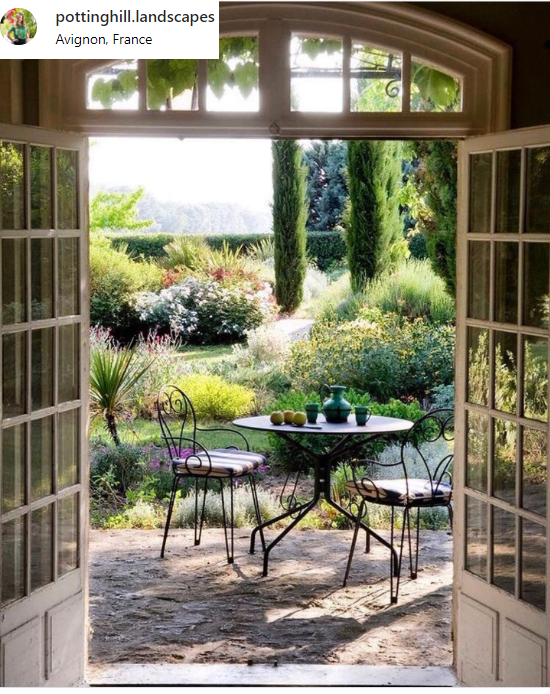
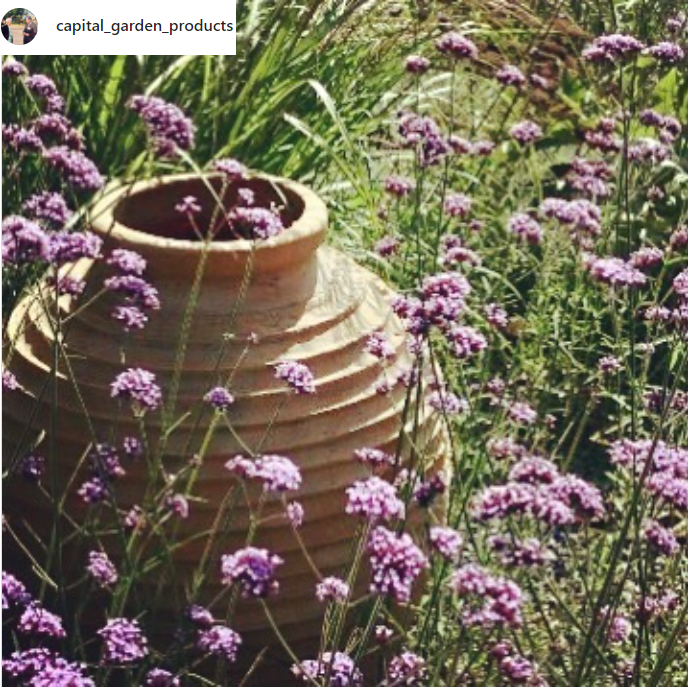
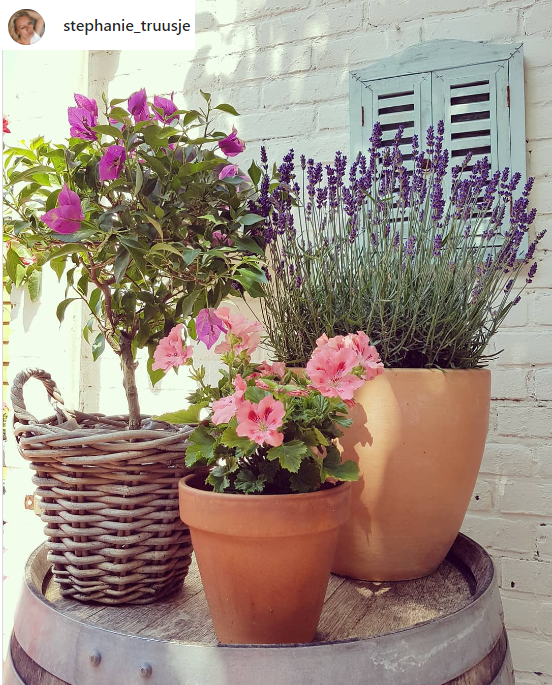
Some Plant Ideas for a Mediterranean Garden that suits the Ipswich Climate
Bay - Laurus nobilis
Lavender – French for longevity but can choose other varieties for pots
Olive - Olive 'Manzanillo' and Olive Helena grow well here.
Cypress - Prumnopitys ladei (Mount Spurgeon Black Pine), Gymnostoma australianum (Daintree Pine) and Juniperus conferta (Shore Juniper)
Rosemary – all forms grow wonderfully here
Citrus – most citrus grow wonderfully here
Bougainvillea – try a slow growing dwarf variety that you can contain by trimimg
Herbs - can be used in pots but don’t forget you can use Parsley as a loose border plant, thyme and oregano as a ground cover and even African Blue Basil as a boxed border
Blue Grass – Festuca glauca
Salt Bush - Atriplex nummularia
Salvia – perienal or annual
Geranium – Zonal and Ivy
Plumbago
Carissa Desert Star
Jasmine - Jasminum polyanthum
Star Jasmine - Trachelospermum jasminoides
Mandevilla – climbing and bush variety
Succulents for bowls or try dwarf Aloe Aloe varieties
Annuals like petunias
Cineraria Silver Dust - Jacobaea maritima
Pomegranate
Fig
Feijoa
Grapes - Pink Iona is a great variety for Ipswich
Planting by the Moon
Moon Planting Calendars can help unlock the secrets of the lunar cycles with easy-to-follow directions on the right time to plant, when to fertilise, when to cultivate, when to harvest and when is best to time preserve fruit.
What type of gardener are you?
I’m the one that has 15 minutes to spare, so I’ll try to get as much done as possible. I don’t care what day, month or year it is. Things get trimmed, fertilised, sprayed and planted when I say so.
Perhaps you are more of a follower of the rules, like only plant your sweet peas on St Patrick’s Day?’
Or perhaps you a seasonal gardener, only plant in the spring, trim in the summer and rest in the cooler months?
No matter what type of gardener you are, does it ever feel like you are just unlucky in the garden and then once in a blue moon you hit jackpot and everything goes according to plan? Or are you always lucky and once in awhile things go astray and you just can’t explain it?
Have you ever tried to germinate seeds and sometimes you get 90% success rate, and other times not one measly seed grows- yet you did nothing different?
It’s not just you. It happens to everyone.
The good thing is, The Jackson 5 and myself may be able to explain it.......
Don’t blame it on the sunshine,
Don’t blame it on the gardener,
Don’t blame it on the good soil,
Blame it on the Moon!

Using Thomas Zimmer's Moon Planting Calandar so I can find out best times to plant for optimal growth
For thousands of years, people have been practicing Moon Planting.
Moon planting is based on the synodic period of the Moon, from one New Moon to the next, which is across an average period of 29.5 days.
Over this time, farmers observed that all aspects of farming seemed to be affected by the interaction of the gravitational forces between the Sun, the Moon and the Earth.
Scientists have also found variations in sap flow, biological functions in plants and the subtle changes in the Earth’s electro-magnetic fields, which correspond to the Moon’s gravitational pull. So basically, just as the moon influences the tides, it also affects the motion of water in plants and soil. The ebb and flow of this water ultimately also has an impact on seed germination, flower development and fruit production.
Ok, so how do we unlock the secrets to moon planting? With a Moon Planting Calendar of course.
Moon Planting Calendars unlock the secrets of the lunar cycles, with easy-to-follow directions on the right time to plant, when to fertilise, when to cultivate, when to harvest and when is the best time to preserve fruit.
My grandfather always swore by Thomas Zimmer’s ‘Moon Planting’ calendar. It is produced in Australia for Australian conditions. He followed it for gardening, fishing and even getting operations ....
Thomas Zimmer’s ‘Moon Planting’ calendar is a detailed chart that gives the correct lunar and astrological planting times for fruiting and leafy vegetables and covers the best times to weed, transplant seedlings, prune, harvest and irrigate. There are even instructions for those new to gardening by the moon. The calendar also contains astrological information such as moon phases, equinox, solstice and eclipse dates and times, including annual planting by the moon guides, as well as an astrological commentary on the year to come.
Who knows what the next year will bring, but I’m sure if you follow Thomas Zimmer’s ‘Moon Calendar’, your gardens will be bountiful.
Get your Calendar here

Going Potty
Best Practices for having a Potted Garden
I always get asked what’s the best pot and potting mix to use.
For Pots, personally I love terracotta. It’s classic and classy.
Yes, terracotta is pourous but it also breathes and that is fantastic. No, I don’t seal the inside of my pots I love the aged look of terracotta.
I find when you have a 45°C everything drys out no matter what pot you use.
I personally don’t like decorative plastic pots. I have found in the past that plants root balls sweat in these pots and I get very ill looking plants in summer.
I always use Searles Garden Products Platinum Mix in my pots and I always mulch my pots. I fertilise them with Organic Link by Plant of Health Eco Friendly Fertilisers every three months. I try to liquid fertilise fortnight with Triple Boost but to be honest I do forget!
I love grouping pots together. The trick to this is always using the same colour.
So if you use terracotta, find terracotta pots in all different shapes and sizes. Same goes for glazed pots, try to find a similar colour but group all different sizes and styles together. I love the eclectic look but I’d rather the plants do the talking not the pots.
If you have all your plants still in the coloured plastic pots that you get your plants in, try changing them all to Black. Black plastic pots are available in every size imaginable, even huge! It’s a simple and cost effective way of making a statement.
Pots can be used in the garden or around the house. I love using pots in the garden, perfect for those spaces when I can’t dig due to roots or I need height but don’t want to put in a large plant.
I love that with pots you can constantly change your look just by having a little rearrange.
The Great Potting Mix Debate
So often customers come in and tell me their woeful potting mix stories. They tell me how they make their own with really bad quality products or worse how they use garden soil in pots .

I know I am lucky. I need potting mix, I just walk to the shelf, grab the best one and use it.
It hasn’t always been like that.
Years ago I lived away from Trevallan and there were many times I did some gardening and ran out of potting mix. I’d shoot up the street and buy whatever cheap stuff they had. It was just to finish off a job. I didn’t care.
Well I should have because that potting mix ruined my plants. For next six months or so I’d be watering and fertilising and wondering where the hell I went wrong and then I remembered the cheap potting mix. I spent more money trying to keep my plants alive than I would have spent with the expensive potting mix. I eventually repotted into the good stuff and everything grew beautifully.
There is a VAST difference in potting mixes and brands on market. The $2 bag is never ever going to be as good as the $16 unless you add $20 worth of product to it.
So always, always buy the superior product.
Companies spend millions of dollars researching potting mix and how to make it better for you. Trust they know what they are doing and use their superior brands.
If you want to make your own, excellent, make sure you research it well and always use superior products to make your own potting mix.
Garden soil is not for pots, EVER! It’s too heavy. It will either stay too wet and end up being a rotting gluggy mess or will go rock hard.
If your pots dry out too quickly try using a better quality mix and mulch and soil wetter regularly.
All my pots are mulched (I use sugar cane), it makes a huge difference to dry out rates. I also soil wet my pots every six months or so.
I personally use and recommend Searles Garden Products top potting mix - Platinum potting mix. Some of my customers find it keeps their plants too wet so they use the next potting mix down Professional potting mix.
Don’t cut any corners with soil. Soil is the starting point from where your plants grow and thrive
Planting edibles and flowers in POTS hot tips

Use the best quality potting mix. If you have a favourite brand research and find that company’s best quality potting mix.
Go big. Don’t muck around with 20 small pots. I know you’ve seen you can plant your chives into an old kettle but don’t do it. When doing edibles always start at 30cm or bigger. You can put your chives and basil and parsley in a one big pot but don’t go small. Firstly lots of Small pots looks ugly. Secondly too small pots dry out quicker.
Fertilise with Organic Link, as soon as you pot. Yes, I know that bag of potting mix said 12 months feeding but it could have been sitting out in the hot weather for 12 months. So just fertilise with the best organic fertiliser you can get your hands on and then you know when it was fertilised last and you can then refeed in about three months time.
Mulch, yes I mulch my pots. Yes it makes a huge difference. No it doesn’t matter what you use. Apart from stones. Stones are not mulch. Stones are decoration. Use sugarcane mulch or something else that will break down into the soil over time.
Put in sun. Most edibles need at least 4 hours of sun
Water as needed. Probably at least every second or third day. Maybe more as it gets warmer.
I hear you screaming in background but you have possums and wildlife and children that will wreck this potted garden on you. Solution and best ever invention. Buy a Vegepod
These pods come with their own wicking bed, irrigation system and wildlife cover. They are flamin’ fantastic.

The Winter Lawn
Transform your patchy lawn into a lush green paradise with these expert lawn care tips. Learn how to aerate, use soil wetting agents, fertilize, and control weeds organically. Say goodbye to unwanted invaders and welcome a healthy, vibrant lawn just in time for Christmas. Get ready for backyard cricket and envy-inducing lawns with our comprehensive lawn care guide.
Who has recently taken a good look at their lawn?
Does it look lush and green? Take a closer look, is that lush greenness coming from the lawn or all the weeds that have recently taken hold due to the rain.
At the moment my lawn isn't looking as good as it should - it is looking a bit patchy and the weeds like bindi, clover and Mullumbimby couch are coming through.
Sound like your lawn? Why not set yourself a simple lawn challenge so that by Christmas your lawn will be looking glorious and everyone will be coming to your house to play backyard cricket.
Sometimes with constant use most lawns become very hard and compacted and slightly hydrophobic (water-repellent).
So the first thing you need to do is aerate your lawn. Aerating your lawn means that the soil is opened up to allow air, water and nutrients to penetrate the grass roots. Aeration helps the roots grow deeply and produce a stronger, more vigorous lawn. Small lawns can be aerated with a sturdy garden fork. Simply insert the fork into the lawn and wriggle it back and forth to fracture the soil profile. If this doesn’t work and larger lawns may need a lawn aerator and/or lawn corer.
Once I have aerated my lawn I like to use a soil wetting agent. I prefer to use Plant of Health’s granular Soil Soaker, my sister loves putting the liquid Soak Soaker into Birchy and spraying it all over her lawn. To really up my lawn game I will put some liquid microbes into Birchy and do it all at the same time.
Hydrophobic lawns do not soak up water leading to overly dry or overly wet spots and can also stop the soil from being able to uptake nutrients (fertilisers). Soil wetting agents can help fix these problems.
A week or so after you've soil wetted you can fertilise.
I know it is winter and people say there is no need to fertilise in winter but I always like to give mine a little feed because the lawn still grows, just a bit slower. I also like to give it a liquid fertilise with Triple Boost about once a month.
I use a complete organic fertiliser by Plant of Health called Organic Link. It is pelletised and does not work in those special lawn fertiliser contraptions. I put mine in a bucket and break up the pellets a little bit and then use my hands and just throw it out over the lawns. The same company does offer an organic based slow release lawn fertiliser called Lawn and Turf Food.
I love the Plant of Health range as it makes my lawn grow thick and lush, not long and sparse, so less mowing and less weed problems. Most weeds occur in lawns that are sparse and unhealthy. The Plant of Health Range also makes my lawn roots grow strong and deep, so my lawn is more resistant to lawn grub and becomes more drought tolerant.
Dave Horton from Horton Turf Farm uses the Plant of Heath fertiliser range and has not used grub kill on his turf farm for over 10 years....if a turf farm doesn't need to spray for lawn grubs why do you?
So, hopefully by now my soil wetter and lawn fertiliser have started to work and most of my weedy areas are slowly being consumed by healthy lawn!
If this isn't the case I'll give my lawn a spray with Jerry Colby-Williams Iron Sulphate trick (see video) before I will resort to chemical weedkillers. I am not a huge fan of using chemicals on my lawns. I try to hand weed and keep the turf healthy before I resort to weed killers.
Did you know there is even the best time to mow and weed according to the moon calendar as growth will be slower?
Sometimes, if your lawn is so infected with weeds, you may need to use a spray. I try to minimise my use of these by spraying well before the weed has flowered. Usually three or four days after rain is when our lawn weeds are growing but not flowering. I have found this is a great time to spray.
When I do spray I like to use Searles’ Ultraweed. If you have Mullumbimby couch you will need Searles’ Lawn Weeder. These products are fine to use on all couch lawns.
The trick with killing weeds in the lawn is to be consistent. Think of it this way - once you see the weeds it usually means that they have already re-seeded. You may need to spray twice or even three times a fortnight apart, until the weeds have disappeared.
During this time you'll be happily mowing away, with a catcher on, of course, so you don't spread any stray lawn weed seeds. Don’t forget to set your mower a little higher too so you can shade out the lawn weeds.
If you are unlucky enough to lawn pests like lawn grub or army worm, you can try a Neem Oil (organic) drench every two weeks or spray with Dipel (organic). Again I don’t like using heavy chemicals on my lawns but if you needed to you can use Searles’ Dead Grub. Just know that this can harm the good bugs as well as the bad bugs in your lawn. So after you have used a product like Dead Grub always follow it up with a liquid feed of Microbes.
By Christmas you should have the best lawn on the street, unless someone else on your street also took up my lawn challenge!

What is Companion Planting?
Why attracting some insects to your garden is beneficial for the whole garden's success.
Companion planting is all about plant diversity - putting together crops that enjoy each other's company and require the same light, soil, water conditions and insect deterrents. In our climate however, I don't think companion planting is highly successful in regards to deterring insects. Instead, it's about planting plants that are either sacrificial plants, end trap plants or plants that attract good bugs to eat all the bad ones. Companion planting is also about planting crops together to help each other along, give out nutrients to each other. One plant can release certain nutrients while the neighbour plant absorbs them and vice versa. This give-and-take process can significantly enhance your plants’ health and create a more harmonious garden as well. A great example of this is the Three Sisters.
Sacrificial Crops

Beneficial insects are any insect that performs a valued service like pollination and/or pest control.
Sacrificial crops, or trap crops, are grown around or amongst crops. Their purpose is to attract the attention of significant pests away from the primary crop. Certain pests prefer the taste of the sacrificial crop, so they leave the crop we like alone.
The sacrificial crop will also, hopefully, reduce the need to spot spray pests.
In the past, people believed sacrificial crops to be more of a breeding grounds for pests, as pest numbers can be quite significant amongst the sacrificial crop. Large numbers of pests also attract bio controls, like parasitoid wasps. Biological control is a method of controlling such pests using other living organisms, which also limits any need to spray even organic insecticides. Organic farmers find that when pest populations peak, so do the bio control insects.
End Trap Plants
Beneficial insects are any insect that performs a valued service like pollination and/or pest control.
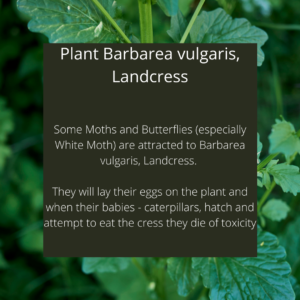
End Trap Plants are crops that you plant in your garden to attract certain moths and butterflies. The moths and butterflies lay their eggs on these plants, instead of on the ones you actually like. Once the caterpillars hatch, they take a bite out of the leaves and ultimately then die of toxicity. On Gardening Australia, Jerry Coleby-Williams spoke about an end-trap plant that will help save your cabbages from white moth. He recommended we plant Barbarea vulgaris amongst our cabbages. During the cooler months we have this plant in stock and we usually always have them in our Eden Seeds Packs.
Beneficial Insects

Beneficial insects are any insect that performs a valued service like pollination and/or pest control.
Beneficial insects are any insects that perform a valued service, such as pollination or pest control. We need to plant more plants that flower, so that we can attract these beneficial insects to eat all the pests ones. The beneficial insects are usually attracted to the pollen or nectar on small flowers. Sometimes, we don't even need to plant more plants. For example, just allowing your herbs or lettuce go to flower once in a while is enough to attract beneficial insects to your garden.
We also now stock Eden Seeds' Beneficial Insect Seed Mix. It is a colourful mix of flowers and herbs, annuals and perennials used to attract insects like lace wings, lady bugs, hoverflies, wasps and bees. It is also a fantastic mix that helps promote natural biodiversity in your garden.
Companion planting is more than just planting some marigolds around your vegetables but marigolds are all you have, they are a great place to start!
Gardening is a Discovery! Always remember that just because it worked for Susan doesn’t mean it will work for you. Susan’s soil and micro climate may be entirely different to yours.
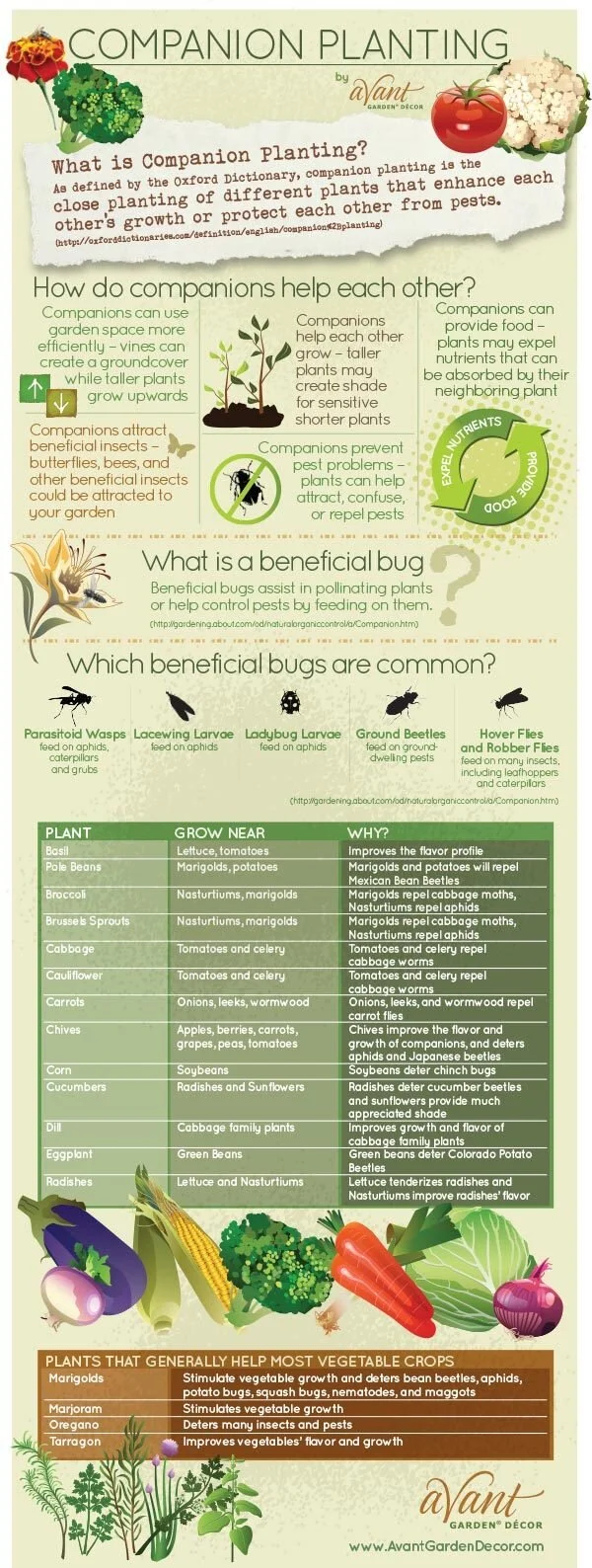
I love this pictogram from Avant Garden that shows some great benefits of companion planting
We can't always think 'if we can't eat it, we can't grow it!'

A Garden is not a Sick Bay
“An economic threshold is the insect's population level or extent of crop damage at which the value of the crop destroyed exceeds the cost of controlling the pest” Which basically means it would cost me more to deal with the problem than it would to replace the plant.
One of the hardest things I’ve had to learn having a garden is something the The Mountain Man told me “a garden is not a sick bay!”
Yesterday I had to pull out a Camellia japonica that was not doing well nor was it ever doing to do well. It was part of a hedge I was making and all the other camellias were doing perfectly fine, gloriously fine.
This camellia had reached its economic threshold. “An economic threshold is the insect's population level or extent of crop damage at which the value of the crop destroyed exceeds the cost of controlling the pest”
Which basically means it would cost me more to deal with the problem than it would to replace the plant.
You see this plant had been attacked by scale and I treated it. It then got a little sick and I treated it. It appeared to be well enough to plant in the hedge, then it got attacked by scale again and then it started to have die back and then it got mealy bug.

Yesterday I had, had enough. I had already spent time and product (money) reviving this plant. I weighed up the cost it would take to bring this plant back to vigour vs a new plant of a similar size and it was not worth it. Out it came and a new plant went in.
I felt guilty the moment I ripped it out. Maybe I should have tried harder etc… but this morning as I stare at my now healthy, glorious looking camellia hedge all I feel is joy and I’m glad I took the plunge and did it.
Is their a plant in your garden that you’ve reached economic threshold with?

Improving Sandy Soils
How do you improve any soil? Getting your soil right makes plants more robust and less prone to disease and insect attack, helps them develop better roots and helps the soil retain moisture for longer.
So to Improve Soil my mantra is ORGANIC MATTER, ORGANIC MATTER, ORGANIC MATTER.
How do you improve sandy soils?
How do you improve any soil?
Sandy soils are devoid of most nutrients. Getting your soil right makes plants more robust and less prone to disease and insect attack, helps them develop better roots and helps the soil retain moisture for longer.
So to Improve Sandy Soils (any soils) my mantra is ORGANIC MATTER, ORGANIC MATTER, ORGANIC MATTER.
Bring in compost (bag or trailer load). I love and use Searles Garden Products, Soil Activator and Searles Composted Five in One.
Make your own compost. It’s as easy as getting a few old bins drilling a lot holes in them, sinking them halfway into the ground and adding all kitchen scraps, cardboard, newspaper, leaf matter then let the worms do their thing). If that’s too hard buy an Urban Composter Bokashi Bin. It does it all for you
Compost, Compost and Compost. Then I would throw some Organic Link around. Water and then mulch the top with an organic mulch like sugar cane. Water again. Then let nature do its thing. Then REPEAT
Why compost?
Two reasons
Compost helps improves the soils organic carbon. This is the basis of soil fertility. It releases nutrients for plant growth, promotes the structure, biological and physical health of soil, and is a buffer against harmful substances. Basically the more soil carbon you have the healthier your soil and therefore your plants and the soil will hold more water (less watering for you).
Organic matter, compost, increases CEC. Sandy soils rely heavily on the high CEC of organic matter for the retention of nutrients in the topsoil.
CEC, Cation exchange capacity, is a measure of the soil’s ability to hold positively charged ions. It’s very important to the soil as it influences - soil structure stability, nutrient availability, soil pH and the soil’s ability to hold and release fertiliser.
Why Organic Link?
Organic Link contains Natural Rock Dust Minerals & Zeolite. These are usually lacking in sandy soils. Organic Link contains lots of other good things too, I’m just going to talk about these two today!
Zeolite helps the CE to occur. Basically zeolite can hold and exchange nutrients required by plants, making nutrients readily available. Rock Dust is a finely ground volcanic basalt containing a huge number of slow release micro-nutrients. This improves the wettability of sandy soils and CEC of sandy soils. It also enables plants to easily pick up the nutrients they need.
So as you can see composting, organic linking and mulching is important to any garden, not just sandy soils.

Help! I have a Garden for First Time
When moving to a new house that has lawn, established trees and garden beds - what is the best way to take stock and come up with a plan for what you want to do with a new space when you know nothing about it’s current conditions?
When moving to a new house that has lawn, established trees and garden beds - what is the best way to take stock and come up with a plan for what you want to do with a new space when you know nothing about it’s current conditions?
There are a few steps one can take one taking over an existing garden.
First step is live in the garden. Especially if you’ve come from a unit or house with no yard. Moving into a place with a yard you start have visions of grandeur. Let yourselves live in it for a little while.
Watch where the sun falls during the seasons
Does your backyard face north/south etc?
What has the average temperatures been? Do you get frost, humidity? Is it on average a good rainfall area?
Watch when it rains where does the water flow/bank up?
Does the ground soak up the water?
What plants are in the yard already? Do you like these? Do they fruit or flower? Do you not like them and plan on removing them? What will this do, open up more sun?
What’s the soil profile look like in different areas of your garden? Dig a hole and see for yourself. Is it sandy, rock hard, clay or maybe is lush beautiful composted soil. Note : In a lot of new estates healthy soil is absent. Before I even contemplate a garden I would be improving my soil health with composts and microbes
Does the current place have a working water efficient irrigation system, what’s the water usage, do we need to plan for tanks? How many tanks? Where will they fit?
If it has lawn, how long does it take to mow? Is that something you enjoy? What’s the best mower to get considering lawn size?
Many people would add walk the streets to see what others grow well but I find this can be misleading as other house may have different aspects than you, be a different level gardener, they might have better soil due to years of building it up. You don’t know.
Instead I suggest you can see what plants are growing in the area. Take photos of the ones you like and then go to your local garden centre and seek their advice, if they will grow in your yard with your soil and micro climate.
I find it best to walk the streets and get a feel for concepts. Buy some magazines and have a look what concepts people use on their gardens.
What do you want in a garden? Write that list - pool, a big covered entertaining area, vegetable garden? Do you like formal gardens or lush tropical gardens? Do you want all open spaces or hide away nooks? Do you want space to put a children adventure playground or a parents retreat? Do you need a men’s shed or a women’s escape room?
Do you have solar? As you don’t want to plant large trees that will block the solar but you also want to plant trees that will cool the house in summer, so you don’t need air cons as much.
Visit your local garden centre. Locally owned garden centres have local horticulturists who know your area and have local knowledge on plants and micro climates.
Use friends and family. Do you have gardeners as friends and family? Invite them over for a drink and casually bring up your garden plans. Most gardeners are eager to share their knowledge. Take their advice on but realise they don’t know your area so sometimes what they suggest may not work for you.
I think unless you have a solid plan of attack the best thing you can do in a new established garden is live it and allow your dreams and plans to evolve over those first few months.
For my place I knew what I wanted exactly out the back. I knew how it would look in the end after I come into a small fortune . Some small things have changed but the major things have always been the same.
The front yard has been a different story. Ideas have flown every which way and even after two years it’s still evolving as the family evolves.
Gardens aren’t static. They are meant to evolve and change over time. We aren’t meant to landscape our yard in a day and then never touch it again.
So take your time, enjoy your new place and just listen and learn from what your current place is telling you.

Who am I?
Some of you may not know the face behind Trevallan's web presence.
So here I am!
I believe I have developed a great personal rapport with all of Trevallan's customers, both in person and online. In fact, sometimes I forget I am actually just a business on a computer screen and as a result, some of you may not know the face behind Trevallan's web presence….So here I am!

I come from a family of gardeners. My knowledge is part book based, but mostly comes from being surrounded by it all my life. It's amazing what you can learn just by listening and being made to do something as a chore !
My grandparents were gardeners. Their vegetable patch sustained the family, so, apart from meat, there was no store-bought food. My grandfather also loved fiddling with plants and taught himself to cross breed, graft and do cuttings. However, his true love lay with camellias and azaleas, he was also a lawn fanatic. One of my fondest memories is getting in trouble as I didn’t mow straight enough on his ‘bowling green’ lawns.
Before going into retail, my parents ran a successful landscaping business 'Trevallan Landscapes' that would have been in operation for about 40 odd years today had my father not died in 2000. Trevallan Landscapes was high in demand and I remember my father travelling all over Queensland doing landscaping work - private and commercial. Working for him throughout my childhood was also a great way for me to earn pocket money.
In 1999, I finished my business degree and although I wanted to travel the world, I decided to postpone travel to help my mother at the centre after my father's unexpected death.
Since then, my pieces of paper have increased - I have a Certificate III in Horticulture, am chemcert qualified, have been a national finalist for Young Horticulturalist of year and have also been a HAL emerging leader, as well as being a member of the Queensland Horticultural Media Association.
However, as quickly as my pieces of paper increase, so does my workload. I have written for local papers and gardening magazines. I write all the information found on this website, manage Trevallan's workshops and social media - Facebook and Instagram, plus physically work at Trevallan. I also love giving gardening related talks to social and gardening clubs.
While I've been paper collecting so has Trevallan - over the years Trevallan has won a few awards, one I am most proud of is Best Small Garden Centre in Qld in 2010. We have also just joined Tourism Queensland, as we were recognised as a place of attraction to visitors outside of Ipswich.
As many of us know, knowledge isn't gained from just reading a few books. Knowledge consists of a lifetime of asking questions and determining what you believe is right answer.

I attend a plethora of industry events, run my own events here at Trevallan and read as much as I can, to stay informed in regards to all things plants. I also try to take the time to listen to my customers, my growers and my suppliers, as I find they've tried and tested many things I wouldn't get a chance to do in my lifetime.
My aim at Trevallan has always been to grow people’s minds, allowing them to experience gardening in their own style, but also educating them and giving them the tools for success. I want gardening to be for everyone, so I try to make it easy and simple. For me, Trevallan is a place that grows people’s minds, not just gardens.
But horticulture isn't my only love - aromatherapy is another passion. In between all my paper accumulating for horticulture, I also completed - Certificate Four Massage Therapy, attended many Aromatherapy Masterclasses and am also a qualified Aromatic Kinesiologist and run my own Energetic Healing Practice, Potionatrix .
In October 2012, I won a world wide competition to create my own essential oil blend. This blend 'wisdom' was produced, until recently (2019) by internationally renowned aromatherapy company, Perfect Potion and sold at Trevallan, as well as world-wide, via Perfect potion stores and online trading.
However, life isn't just about fertilising and sweet smells as on top of all of the above, I'm nurturing a young family with three children.
So that's me.
The woman behind the computer screen.