Find Us:
77 Fernvale Rd
Brassall QLD 4305
(07) 3201 8630
Open:
Tue-Sun 9am - 4pm

Best Cut Flowers
Looking for a plant that flowers for months and makes the perfect winter gift? Cyclamen persicum is your go-to for cool-season colour and easy care.
I love the cooler weather. I know the days are still warm, but the nights have that glorious cool tinge and even better, all the plants I love to surround myself with are now in bloom, or coming into bloom.
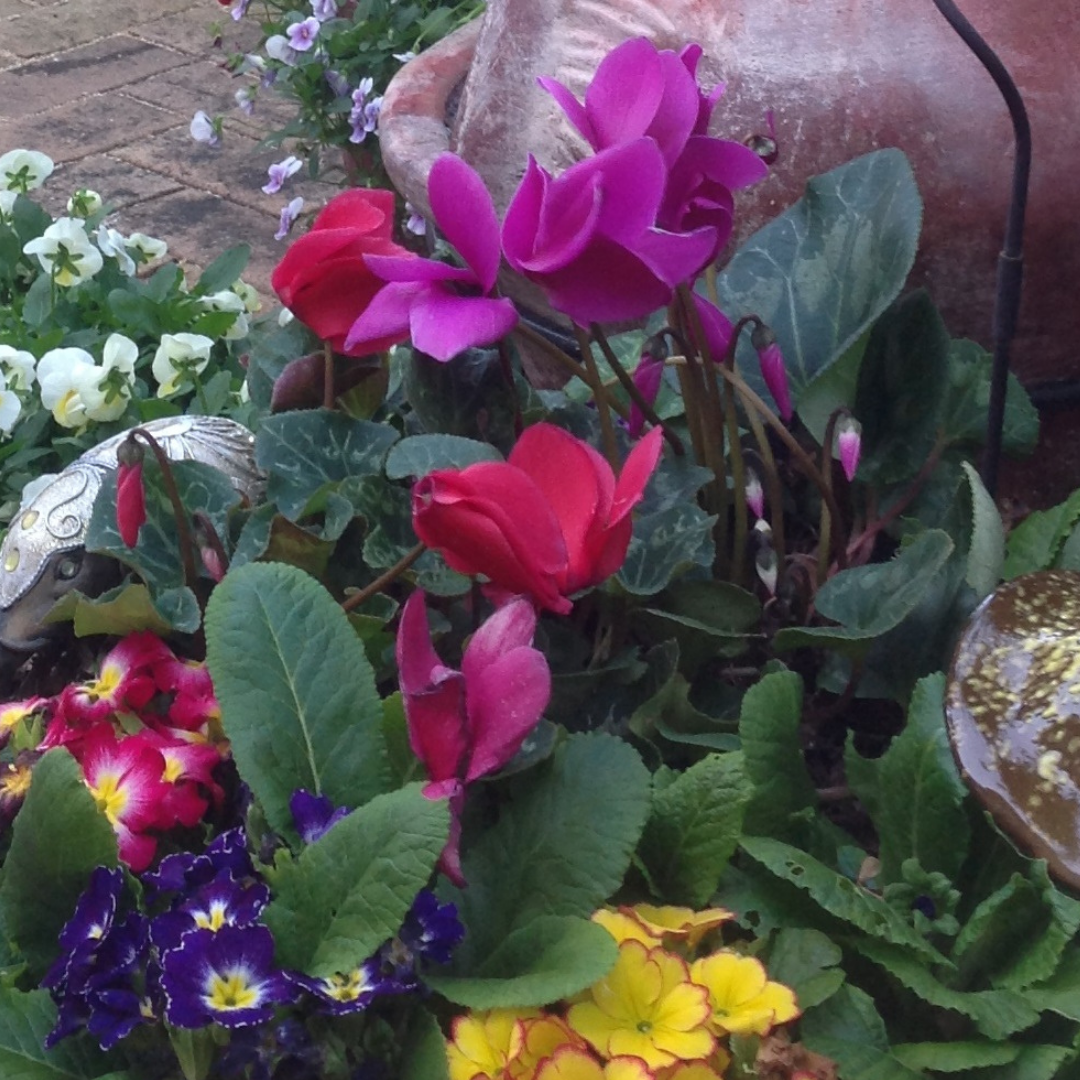
Cut Flowers that lasts for months inside or out!
I love gift giving at this time of year. I don’t do cut flowers, of course as I want my gifts to last a little longer, but I also know not everyone is a green thumb, so I also don’t want to cause any stress with my gift.
Which is why I always love giving Cyclamens.
Why Cyclamens?
Cyclamen persicum, native to the rocky slopes of the eastern Mediterranean, think Turkey, Syria, and Jordan is usually the Cycamen you will find at Trevallan. Despite their exotic origin, they’re remarkably well suited to life here in Ipswich during winter on patios or cool, bright indoor spaces.
They flower for months, from April right through to October, in a rich tapestry of colours, from snowy whites to rich reds, mauves, pinks, and bi-tones. This year a blue one was released for the first time. The foliage is also just as striking as the flowers — heart, kidney, or rounded leaves, patterned or marbled with silver.
A gift and a decoration in one.
Treat Them Cold, Keep Them Beautiful
Even though Cyclamens can grow well indoors, they love the cold. Cool air slows their respiration and preserves their blooms. I always say: cold mornings are their skincare routine!
At home, I water mine once a week, a good slow drench under a tap using icy cold water. Then, I pop them outside (in a shady spot) overnight. That cool, fresh air seems to give them a new lease on life. Indoors, they sit prettily in a bright room until it’s time for their next drink.
The trick is to let them dry out slightly between waterings. Cyclamens grow from a tuber, and those tubers are prone to rot if overwatered or if water collects in the crown. So always water the soil around the base, never directly into the middle of the plant. That centre is their weak spot.
Potting, Planters, and Fuss-Free Beauty
I prefer to keep mine in a decorative planter, not potted into a decorative pot with drainage. I simply place the Cyclamen, in its original black plastic pot, inside the planter. That way, I can take it out to water properly, let it drain, and then pop it back in. Just don’t let water sit in the base, soggy roots are sad roots.
Feeding Flowers, Not Foliage
Cyclamens are moderate feeders, and like many flowering plants, too much nitrogen means lots of leafy growth and very few flowers. To keep mine flowering and healthy, I feed fortnightly with Silica and Potash Liquid. This helps strengthen cell walls, increase flower production, and prolong bloom life. The result? Bloom after bloom, week after week.
Deadheading and Dormancy
Cyclamens don’t like being trimmed with scissors. To remove a tired flower or yellowing leaf, gently twist the stem at the base and pull it cleanly away from the tuber. This reduces the risk of rot or infection and helps the plant focus its energy on new growth.
Cyclamens grow from a tuber and tend to die down during our hot, humid summer. In our hot, humid climate, that’s perfectly normal. You can let the plant rest by placing the pot in a cool, dry, shady spot, reduce watering to almost nothing, and wait. If you’re lucky, it may re-sprout next autumn. If not? Well, you still got months of blooms for the price of a bunch of cut flowers and then some.

Cyclamen - best flower for indoors
A Cyclamen will warm your soul, even on the coldest morning. Whether you’re decorating your home, cheering up your work desk, or spreading a little love, don’t forget, a living gift like this blooms longer, lingers longer, and keeps on giving.

Extreme Weather Plant Protectants
When the weather swings to either extreme, freezing mornings or relentless heat, I put a protective coat on my plants. For me, that coat is Silica and Potash or Envy.

Hopefully my silica and potash spray works better than using my good coats
Once the cold mornings start, I feel like I should be going out and putting a big winter coat on some of my plants. In summer I want to go put a big Sombrero on all my plants.
The reality is, plants don’t just struggle in cold conditions, they also suffer through heat, dry winds, intense sun and sudden temperature swings. In Ipswich, it’s often not just cold or just hot, but the constant stress of moving between extremes.
We don’t have a big coat and hat for our garden so there are two products that work like a protective layer in both hot and cold conditions, Silica and Potash and Envy.
How does Silica and Potassium help with Extreme Weather Protection?

Silica and Potash by Plant of Health is product we use at Trevallan
Silica (Si)
Role in Protection:
Cell structure strengthening: Silica deposits in plant tissues strengthen cell walls, helping prevent cell rupture caused by ice crystal formation in cold conditions and cell collapse or scorching during extreme heat.
Stress tolerance: Silica improves overall stress tolerance by helping plants regulate internal processes more efficiently, increasing resistance to cold stress, heat stress, drought and rapid temperature fluctuations.
Water retention: Silica helps plant cells retain water, buffering against dehydration caused by freezing temperatures as well as moisture loss during heat, dry winds and high evapotranspiration.
Potash (Potassium, K)
Role in Protection:
Osmoregulation: Potassium regulates water movement within plant cells, helping maintain cell turgor pressure. This reduces the risk of cell damage during freezing conditions and helps plants stay hydrated and functional during heat stress and dry conditions.
Enzyme activation: Potassium activates enzymes involved in metabolism and stress response pathways, allowing plants to better manage cold stress, heat stress and environmental extremes.
Carbohydrate movement: Potassium aids in the transport of carbohydrates throughout the plant. In cold conditions, these carbohydrates can act as natural antifreeze agents, while in hot conditions they support energy availability, recovery and stress resilience.
Combined Benefits of Liquid Silica and Potassium for Extreme Weather Protection
Silica is often more effective when applied as a foliar spray. This is because silica is less mobile in the soil and can be better absorbed directly through the leaves, allowing quicker and more targeted uptake by the plant.
The same applies to potassium, foliar feeding provides a rapid way to deliver potassium to plants, particularly during critical growth stages or periods of environmental stress.
Together, silica and potash support plants through both cold and hot weather extremes by improving the physical and biochemical stability of plant cells. Stronger cell walls, improved water regulation and more efficient internal processes help plants cope with frost, heat stress, drying winds and sudden temperature fluctuations, while also improving overall plant health and resilience.
At Trevallan, we use Plant of Health’s Potash and Silica (certified organic and safe to use across your whole garden). I liquid feed the garden centre about once a month with this product. I add the liquid fertiliser to Birchy, and the entire garden centre is fertilised in around 20 minutes.
What is Envy?

Envy is a frost protectorent and anti transpirant.
Envy is a frost protectant and anti-transpirant that supports plants through both cold and hot weather extremes.
Envy is designed to prevent frost damage by providing a physical and/or chemical barrier that reduces ice nucleation, the process by which ice crystals begin to form from supercooled water, a key factor in frost damage on plant surfaces.
Once sprayed over a plant’s foliage, Envy can increase frost tolerance by up to 4°C.
The same protective film also helps plants during hot, dry and windy conditions. Envy can substantially reduce moisture loss by up to 50%, helping to protect foliage from sunburn, windburn and dehydration during periods of heat stress.
Envy does not hinder plant growth or photosynthesis. It forms a semi-permeable membrane over the leaf surface that still allows the plant to breathe. It is non-toxic, pH neutral, and will biodegrade in sunlight.
Envy is best applied as a foliar spray and should be reapplied as new growth emerges to maintain protection during changing conditions.
Both products ‘Silica and Potash’ and ‘Envy’ can be applied as a foliage spray - mix the product with water and spray over the plant’s foliage.
Both need to be applied regularly for best results.

Planting Sweet Peas
Sweet Peas are a fragrant spring flowering annual, native to Italy. They have one of the most enchanting flowers, delicate and fragrant, perfect in garden or admired in a vase. Learn how to grow Sweet Peas in Ipswich.
Sweet pea flowers from The Mountain Man
Sweet Peas are a fragrant spring flowering annual, native to Italy. They have one of the most enchanting flowers, delicate and fragrant, perfect in garden or admired in a vase.
Tradition dictates that March 17th (St Patrick's day) is the time to plant Sweet pea seeds. Have you ever wondered why?
Planting PEA seeds on St Patrick's Day is an old American tradition. As you will need the 'luck of the Irish' to get plants to grow while there is still snow on the ground!!!
For us here in Australia, we still follow this tradition because lets be honest here in Ipswich we need the 'luck of the Irish' to get sweet peas flowering and looking good. Normally, March is still too warm to start our winter gardens here in SE QLD.
Instead I use time as a reminder to prepare my soil.
Noel Burdette used to live here in the Ipswich region. Years ago he offered me this great advice about preparing the soil for Sweet Peas. This information is for sweet peas but can be applied to any peas.
Noel's Sweet Pea Advice
Sweet peas like a full sun position in the garden with plenty of airflow to minimise any fungal concerns.
They also enjoy a slightly higher level of pH in the soil, somewhere between 7.5 - 8.5. You can adjust your pH by applying a generous amount of Dolomite (provide much needed Magnesium) or a light dusting of Lime (as the calcium content is important).
They love well composted soil. We use Searles Compost but a little well aged sheep, cow or chicken manure worked into the soil would also help to encourage good drainage, yet adequate moisture retention.
Usually around mid April is a good time to plant out your seeds or the first quarter moon after St Patricks Day. Noel recommends to soak them overnight in a little water with a small amount of Condi's crystals (usually get this at a chemist) as this will encourage a higher percentage of germination.
After planting the seeds in the ground, water them in once and don't water again until they are "up and out "of the ground.
Pinch out any lateral growth in the early stages as what you're looking for are strong, upright plants that will then branch out as they get older and provide long lasting, fragrant blooms from late winter and into spring.
Fertilise your Sweet Peas with Organic Link when first growth appears and then alternating fortnightly between Triple Boost and Silica and Potash Liquid fertiliser.
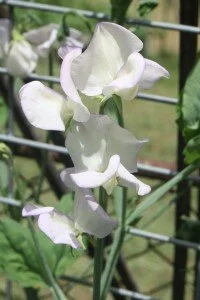
Sweet Pea Fragrant spring flowering annual, used as cut flower, native to Italy
All sweet peas are climbing. Some are dwarf climbers (only grow to about 50cm) and others can grow to over 2m.
With all types of sweet peas, ensure they have somewhere to stretch their tendrils (fences or tepees) or maybe try them in a hanging basket and let the tendrils hang down.
Trevallan stocks Eden Seeds (non-hybrid open pollinated old fashioned seeds) Sweet Peas and Pohlmans Sweet Pea Seedlings. This year we have two choices in the seeds and the seedlings. The seedlings aren't usually available until April.
Bijou, Dwarf (seeds and seedlings)
Early Gigantea, mixed colours to 3m high, early flowering (seedlings only)
Spencer Choice Mix, The classic English sweetpea, 1902 release developed from Earl of Spencer's garden, climbing (seeds only)
Come into Trevallan and we can help you on your Pea Journey. Good Luck.

Azaleas
Azaleas are the blaze of colour that brings warmth to the cooler months garden. These divine mass flowering plants will do well for many years but they do need a little TLC to look their best.

Azaleas are the blaze of colour that brings warmth to the cooler months garden. These divine mass flowering plants will do well for many years but they do need a little TLC to look their best.
These beautiful plants have dark lush green foliage and come in a wide variety of colours from white, through to pinks, purples, reds and oranges. There are two basic flower types – single and double. The double is my favourite and luckily many double flowering azaleas spot flower throughout the year so I can enjoy this lovely plant all the time!
Most Azaleas will thrive in semi-shade but some will also look fantastic in full sun or full shade. I prefer the smaller more compact varieties that usually grow to around 50cm to 1m high but some can get over 2m high.
Azaleas love acid soil; the pH range should be between 5.5 and 6.0. Many Ipswich residents find that their garden’s soil pH is too low and prefer to grow azaleas in pots and that's perfectly ok as these plants do well in pots and gardens.
Azaleas have a shallow tight root system. If a good layer of mulch is applied, to your pots or the garden bed, and a soil wetter is used at least every 12 months azaleas should thrive. The mulch, must be organic mulch, like sugar cane or rainforest fines. This helps to keep moisture in the soil, and also helps keep the roots warm in winter and cool in summer. The soil wetter helps water penetrate the soil and root ball as after a period of time your soil can become hydrophobic (resists water).

Nice Surprise Azalea
To keep my azaleas looking their best I use the Plant of Heath Range. I use Organic Link every three months and I will also try to give them a liquid fertiliser fortnightly. I alternate between Triple Boost and Neem Oil (together) and Silica and Potash. When my azaleas have finished flowering I prune them back by about one third.
Azaleas do have some pest and disease problems but I find the healthier the plant the less trouble I have.
Petal blight is a fungal disease that turns the beautiful flowers suddenly brown. You can use an organic fungicide called eco-fungicide but I find the easiest solution is to pick off the affected flowers and throw them away and then I give them some liquid fertiliser.
A common problem with azaleas is one where the leaves loose their colour and lustre; it kind of looks like the leaf has been sand blasted. If this occurs, turn the leaves over and you may see black spots. This is a sign of Lace bug. Severe infestations can lead to reduced plant vigour and loss of leaves. To prevent this from happening I mix Neem oil into my Triple Boost Liquid fertiliser (that I foliar spray once a fortnight). I find prevention is better than fighting the problem after it occurs.

Red Wings Azalea
If the problem does occur I spray with Eco-Fend. You may need to spray a few times to control your infestation and unfortunately once the leaves have that sand blasted look they will stay that way. A good trim and fertilise will help promote nice new healthy growth to cover the unsightly affected growth.
I love how azaleas can enliven a garden‘s dull spots and bring a smile to the face of a friend when given as a present. These plants truly will give your life the TLC it deserves.

Camellia Japonica
Do yourself and your garden a favour and treat yourself to a Camellia Japonica. These glorious plants are sometimes called the Rose of Winter.
Over the years my grandfather has tried to teach me a lot. He tried to teach me to fish but I could never stand still long enough to catch anything! He tried to teach me to cylinder mow but I could never get the hang of mowing in a straight line. He even tried to teach me to be a little quieter and we all know that didn’t work! The one thing he did teach me well though was how perfect Camellia Japonicas are.
Do yourself and your garden a favour and treat yourself to a Camellia Japonica.
These glorious plants are sometimes called the Rose of Winter. I think they should be called the Jewel of Winter because they put on a fabulous flower display in the cooler months of the year when the rest of the garden often looks dull and bare.
Japonica flowers are what make this plant so perfect.
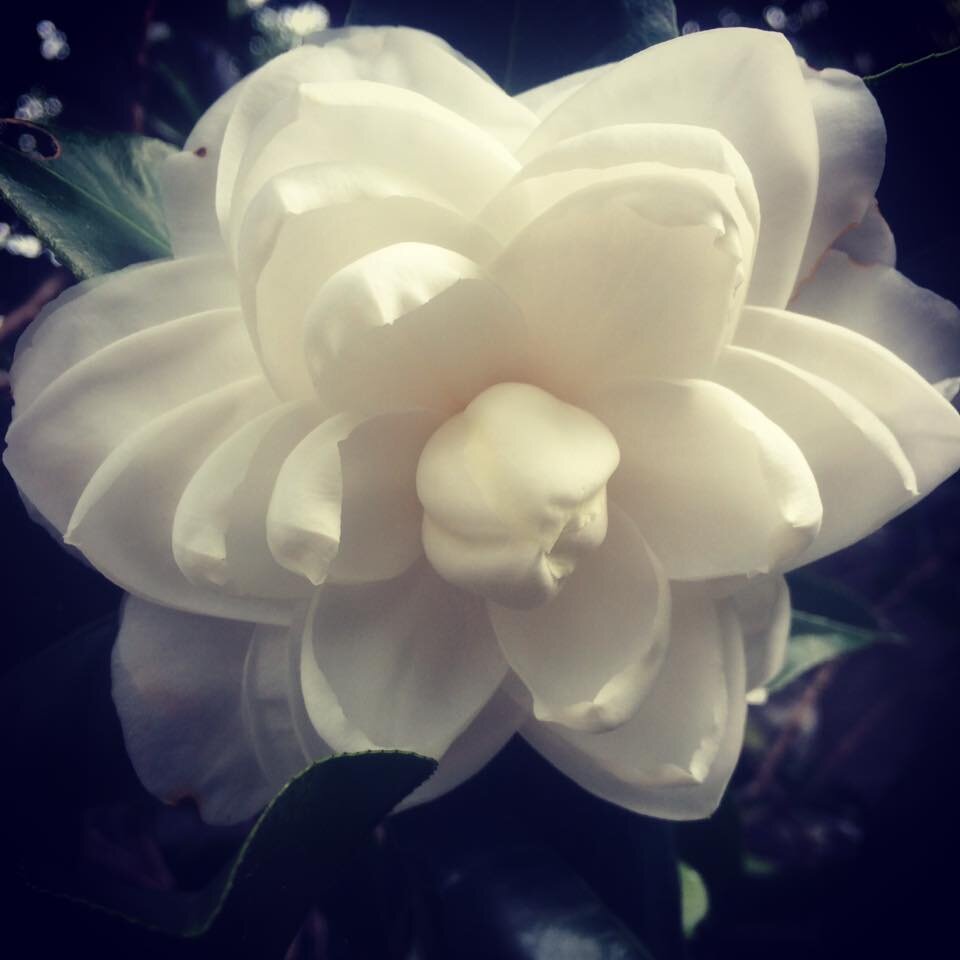
I get such joy in seeing the buds open to these so flawless and diverse flowers. I have found over ten different descriptions of Japonica flowers. The most common are single, double, peony and formal double. The shade of the flowers are just as diverse and can vary from red to pink to white and sometimes have multi-coloured stripes or specks. The flowers are not small either with many flowers being at least 15cm in diameter. What is even better is these plants flower in abundance and the flowers last for ages. A childhood memory is of water bowls all over our house filled with japonica flowers.
Camellia Japonicas have the darkest green glossiest foliage. The leaves are quite broad, thick and smooth making the plant look lush and dense. Japonicas will grow superbly in full shade or part shade. In climates where deciduous trees are popular japonicas are usually planted underneath so they are protected from the hot summer sun but are free to shine while they are in flower and the tree is naked.
Japonicas don’t mind if they are planted in the ground or in a pot. They don’t like wet feet though so make sure your soil is well drained and slightly acidic, around pH6. They are quite hardy once established. I find they do best if they are mulched well and are given a good fertilise about every three months with a slow release complete organic fertiliser like Organic Link. I also like to give my japonicas a granular dose of sulphate of potash around April/May to help promote flowers. During their flowering season I liquid Plant Care them on a regular basis to keep them healthy while in bloom.
About once a year usually around the end of August I add a little bit of Dolomite to the soil around my camellias. Camellias can be prone to calcium deficiency and I find adding a little bit of Dolomite helps with this. If I can’t add Dolomite (or I forget) I try to Liquid Bio Trace my Camellias at least twice a year.
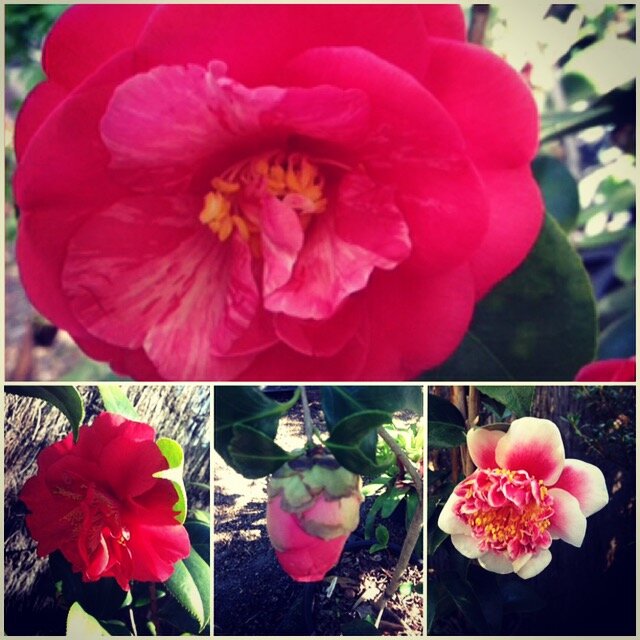
Camellia Japonica Flowers
Why doesn’t everyone have one of these glorious plants?
Over the years they have gotten a bad reputation because they are slow growing and some varieties can take years to flower or suffered Bud Drop.
Beautiful plants do not grow overnight and it is nice to have a plant that does not need constant trimming.
Bud Drop is the loss or decay of buds. This can be caused by over watering (we sometimes get wet winters), high temperatures (we sometimes have hotter than expected winters), pot bound roots and incorrect positioning.
Some Japonicas can take years to flower and some don't flower that well in our climate. I remember my mother waiting years for our 'Waterlilly' japonica to flower. It was well worth it but seriously!!! I have found in Ipswich's unpredictable winter climate the formal doubles struggle to flower spectacularly every year, the others flower very easily.
There are many japonicas that are perfectly suited to flower and grow in Ipswich. Don't ever forget that even one Camellia japonica in a pot on a veranda is the perfect way to give your dull winter life some TLC and bring some happiness back into your garden!

All about Strawberries
Strawberry! Fragaria sp.
This relative of the Rose has delicate runners with charming flowers in white and shades of pink that makes Strawberries an attractive option for pots and baskets. Let’s be honest though we don’t grow strawberries for the flowers, we grow it for the delightful fruit that comes after the flowers!

My Grandfather’s Strawberries
Strawberry! Fragaria sp.
This relative of the Rose has delicate runners with charming flowers in white and shades of pink that makes Strawberries an attractive option for pots and baskets. Let’s be honest though we don’t grow strawberries for the flowers, we grow it for the delightful fruit that comes after the flowers!
Growing Strawberries is relatively easy pending conditions and the ever decreasing chance of pollination.
They need deep, rich and friable soil in a position that gets full to part sun. I always add some compost before I plant, never mushroom compost, as Strawberries like slightly acidic soil (pH of 6 – 6.5). My grandfather always mounded up his strawberry patch, left about 30cm between each plant and heavily sugar caned mulched the strawberry patch. The mulching helps prevent fungal diseases, reduces weed invasion and also stops the strawberry fruit from sitting on the bare dirt and rotting away.
Strawberries like moist soil but not really wet. They are very surface rooted so they need regular watering as they can dry out pretty quickly. Once you see the fruit forming you can ease up a little on the watering.
My grandfather would feed his strawberries with Organic Link and Triple Boost in beginning but as soon as the plants got big and leaves turned a lovely deep green colour, he would start to Silica and Potash every second week.

Strawberry Ruby Red growing great in a hanging basket
Crop rotation is very important with strawberries. It is recommended that you move your strawberries to a new patch, with fresh soil, every three years. My Grandfather would let his strawberries form runners at the end of the new seasons plants and direct the runners towards the strawberries new patch of ground. Then every two years he would pull up his old strawberries and let the ground lie fallow for a season or two. Strawberries shouldn’t be planted where tomatoes, eggplants, capsicums or chillis have been for at least three years as they have a tendency to pass on a plethora of fungal diseases.
While Strawberries are very easy to grow they can have a few problems.
Mould and fungus can be an issue, especially when the air is cold and there is water hanging around on the foliage. Best way to prevent this is to water in the early hours of the morning. Snails, slugs and birds can be an issue once the fruit start to form. You can use snail and slug pellets and for birds my grandfather used to use old cds (reflective things scare birds away). You can also use fruit protection netting.
I find growing strawberries in pots or hanging baskets works wonderfully and I don’t have any problems with snails eating my fruit. I use Platinum potting mix and fertilise the same as if they were in the ground.

'Vivipary' on a strawberry fruit
Sometimes a phenomena known as 'Vivipary' can occur on your strawberries. In a few words this just means that the seed is germinating before it is naturally shed as is the natural order of things. I have read of others who have attempted to grow these seedlings on but have not tried it myself. By all accounts each seedling grows on to be a normal healthy plant of the the mother plant.
Some of you may be asking why don’t we grow strawberries from seed?
Simple answer is some plants are just too much of a hassle to grow from seed and Strawberries would have to top this list. I have actually read they are one of the hardest plants to germinate by seed and it can take up to two years before the plant even contemplates producing strawberries.
One website gives this tip for germinating strawberry seeds “Tuck your strawberry seed packet inside a sealed plastic bag or airtight container and place in your freezer for 3-4 weeks. When you remove the bag or container, do not break the seal until it (and its living contents) have reached room temperature....... Opening the package too quickly may result in water condensing on the cold seeds, and this will reduce your chances of success.” Seriously, some plants are better off being bought ready made.
Trevallan stocks a few different strawberries, some are available all year, some are only available from May to July. My grandfather always said Autumn is best time to plant strawberries but really any time is a good time to plant something.
STRAWBERRY LOWANNA only available in 125mm pots or bigger
Lowanna is like the strawberry for giants. They can grow to about 30cm high and 30cm wide in comparison to a normal strawberry that will grow to about 15cm high. The fruit is also bigger than normal as the Plant growth is concentrated on fruit production rather than runner production (this means not as many baby strawberry plants). These are Australian Bred Strawberries that will grow in all zones. One of the best things about Strawberry 'Lowanna' is day neutral which means it fruits throughout the year (whenever the temperate is between 20-30C). So this means Strawberry 'Lowanna' can crop from October all the way through to late May normally.
STRAWBERRY REDLANDS JOY only available in 125mm pots or bigger
Another wonderful Australian bred Strawberry, Redlands Joy is a mid season variety. With exceptionally large sweet juicy fruit that shows some rain resistance, this variety will grow well in a sub tropical climate and is a very good performer in pots
STRAWBERRY SUGARBABY only available in 125mm pots or bigger.
Another mid-season variety with fruit usually ready to eat from early June. Fruit are exceptionally attractive red, glossy, conical, L to XL sized (20g), firm and resilient, with resistance to rain damage. Flesh is bright red, of low acidity, and excellent sweet flavour.
STRAWBERRY SWEETHEART only available in seedlings
This is an alpine type strawberry with white flowers, bearing large deep red, sweet fruit. Just your good old fashioned strawberry.

Strawberry Pinkie
STRAWBERRY PINKIE only available in 100mm pots
Pinkie produces medium, bright red fruit with an elongated shape and is also noted for its pink flowers. Only grows to about 15cm high
STRAWBERRY RUBY RED only available in 100mm pots
Ruby Red produces medium sized bright red fruit with an elongated shape and is also noted for its red flowers. Only grows to about 15cm high
STRAWBERRY SWEETIE only available in 100mm pots
Sweetie produces medium to large, bright red, bi-conical shaped fruit. This delicious tasting strawberry has high sugar levels, and is also very healthy. It has white flowers and only grows to about 15cm high.

The Autumn Vegetable Patch
Some us can get gardening bored by beginning of March. We want to play but know it's to early. There are a number of things you can be doing to get your vegetable patch up to scratch so when the ‘autumn' weather starts you’ll be ready.
The beginning of March is traditionally the time to plant our winter crops.
Sometimes this is not the case in SE QLD, Ipswich in particular! Every year is different but most years we can get March day time temperatures exceeding 35 degrees. In weather like this I wonder how anyone could seriously be thinking about planting cabbages!
We do get vegetable garden bored. We want to play yet we know it's to early.
There are a number of things you can be doing to get your vegetable patch up to scratch so when the ‘autumn' (cooler) weather starts you’ll be ready.
Most winter vegetables will grow better if the soil’s pH reading is quite high around 6.5. Your soil’s pH is a measure of its alkalinity or acidity and different plants thrive at different pH levels.
Before you add anything though, you should always measure your soil’s pH with a testing kit. Adding lime will increase your pH reading - making your soil more alkaline. Attempting to make your soil more acidic - a lower pH reading - is a lot more difficult.

Eden Seeds
If you need to add lime to your soil it might be too late for granulated lime to work. It can take months to break down. Eco-flo lime is a liquid concentrated form of lime and is very effective. Enriched with seaweed eco-flo lime is perfect for rapidly correcting acidic soils and boosting calcium levels in your soil. It is also registered organic.
Another thing to note is if your soil’s pH is great you may still want to add some Dolomite. Dolomite helps add calcium and magnesium back into your soil. These two trace elements are water soluble so are easily leeched out of your soil. Especailly after a lot of rain. Lack of calcium is the number one cause of blossom end rot, so even if your garden’s pH is around 6.5 I would still add some Dolomite.
Next make sure your vegetable garden is free of weeds and if you need to add more compost (we use Searles organic compost) or manure now is time to do it.
While it may be too hot or wet to be planting seedlings into the ground, it's a great time to be raising seeds. Seeds are a great way to try different vegetables. The seed range is so extensive at Trevallan we have a “seed wall”. An added bonus of using seeds is you can stagger your crops so everything doesn't ripen at once.
Trevallan stocks Eden Seeds. Eden Seeds distributes old traditional open pollinated varieties of seeds, preferably old Australian varieties and organically or bio-dynamically grown where possible.
It is believed that these types of seeds grow plants that are more nutritious and better tasting, hardier and easier to grow for the home gardener. These older varieties also produce over an extended period of time.
When growing seeds it is best to use a seed raising mix. Some seeds require pre planting preparation, beetroot supposedly germinates quicker if soaked overnight. Some people also do the first water with a weak solution of liquid fertilizer.
As for what to plant your seeds into, there are a myriad of choices - plastic pots, folded up toilet rolls, egg cartons, old seedling trays.

Home Grown Eggplants and Capsicum
I find the trick to seeds is keeping them in part shade and a really LIGHT watering every day to every second day in hot weather. You want to keep them moist but not wet. Once the plant starts to grow I add a little Triple Boost Liquid fertiliser to my watering.
Once the weather cools down continuously it will be time to plant out all those seeds into your garden beds.
If you don't get the chance to raise your own seeds Trevallan stocks a great range of vegetables in seedlings. These seedlings won’t start arriving until about April as it’s still just too hot to plant. Some of your choices could be beetroot, broccoli, snow peas, strawberries, Asian greens, onions, leeks, cauliflower, spinach, rocket, coriander, kale and cabbage. Some people may also like to plant out peas, though I don’t know why… Yuk!
Don't forget we are now proud stockist's of VEGEPOD. Vegepods are an easy to manage contained raised gardening bed that has self-watering technology by using a wicking system. Plants can last weeks without watering in our Vegepods. They also have a Protective Cover that protects crops from UV and pests. We have two set up in the garden centre and for the first time in years we had a tomato crop in summer without fruit fly stings!
Once everything is planted out in your garden don't forget to give it some Organic Link and fortnightly applications of Triple Boost and Neem.
Happy gardening.

Winter Vegetables
Autumn, Warm Days, cool nights. Perfect for vegetable planting.
Autumn. Warm Days, cool nights. Perfect for vegetable planting.
By now your vegetable patch has been freshly composted and manured. It’s just waiting for you to plant out. If you are having trouble with how to start off your vegetable patch, check out my Vegetable Patch Checklist
The basic cool season vegetables that I find grow well in most areas are – broccoli, beetroot (my favourite), cabbage, cauliflower, leek, onions, shallots, silverbeet, spinach, snow peas, strawberries (my other favourite), peas, kale and rhubarb.
If you don’t get a frost or you can cover your vegetables - beans, lettuce, capsicum and tomatoes can also be grown.
If you get really cold you can give brussels sprouts a go.
This is the basic vegetable range; there are so many different variations on these classic cooler weather vegetables.

In seedlings alone you can get about four different versions of broccoli.
If you start using old fashioned open pollinated seeds, the list can be endless.
If your vegetable patch consists of a variety of different sized pots don’t worry, there is a large range of dwarf vegetables available in seedlings and seeds.
Leek, lettuce, capsicums, shallots, silverbeet, spinach, snow peas, strawberries, peas and rhubarb all grow well in pots without needing dwarf varieties.
The secret to growing any vegetables in pots follows the same principles as growing in the ground.
Start with the best quality soil or potting mix, mulch with an organic material (I like organic sugar cane mulch that is free from weeds), fertilise with a complete organic slow release fertiliser and liquid fertilise fortnightly with a complete organic liquid fertiliser.
I like using the Plant of Health range of fertilisers – Organic Link and Triple Boost and Searles' range of garden soil for gardens and potting mix - Platinum Potting Mix for pots
I find the cooler months are the best time for growing herbs. Nearly all the herbs are available now. Herbs grow well in the garden or in pots and most herbs can be grouped together in pots to make mini herb gardens.
The best thing about growing cool season vegetables is that it’s usually too cold for the pests to be out and about. If you do get a few pests a pyrethrum based spray or one of the new organic sprays like eco oil or eco fend work well. Mildew and mould is a common problem during wet winters - copper spray (some are considered organic) can be the best solution.
I have heard that having pretend white butterflies in your vegetable patch not only looks pretty but helps deter moths. Jerry Coleby-Williams has also mentioned that Land Cress is a confirmed biocontrol. We stock Land cress in seeds and in plants.
Remember though the healthier the soil, the healthier the plants and the less likely you are to get problems. Now get outside and get dirty!

Brighten your Garden with Oranges, Yellows and Pinks.
Ixoras have dark green leathery leaves and produce large clusters of tiny flowers in the summer and autumn. They can be a little hard to grow but are worth the effort
Ixoras.
This is an I love it or I hate it plant.
My mum loves them. I must admit I verge on the opposing side. So, why on earth would I write about them and stock them at Trevallan if they are on my not so favourite list?
Well as with many things these plants have grown on me over the years and as with many plants there seems to be a time and a place for them.
Ixoras are native to the tropical and subtropical areas throughout the world, with many of them in Tropical Asia. These plants typically can't handle frosts so if you are in a frost prone area these may not be for you. Some Ixoras are more prone to being cold affected while others can handle a little bit of cold.

Ixoras have dark green leathery leaves and produce large clusters of tiny flowers in the summer and autumn. The more common Ixoras usually have orange, gold, pink or red flowers. Ixoras prefer acidic soil and usually like a little shelter from our blazing summer sun. In saying that I have seen many gorgeous Ixoras growing in full sun in a commercial setting (shopping centres). They don't mind being in pots or the ground.
I find the four most popular Ixoras are 'Prince of Orange', 'Pink Malay', dwarf orange and dwarf gold. Ixora williamsii is also popular as it has red flowers but it really dislikes the cold so is not commonly grown in Ipswich.
Prince of Orange has fiery orange flowers and can grow around two meters tall. The dwarf orange and yellow grow to around 1/2 metre. These look amazing in pots but I have seen them in gardens trimmed into a hedge and they look stunning when in flower. You can hardly see their green leaves.
My favourite Ixora is Pink Malay. Why do I love it? Not just because it gets covered in pink flowers but because it is so hardy. This Ixora is absolutely amazing; growing to around a metre it can handle full sun and shade. It can grow in pots or the garden and I have seen it successfully growing in a shopping centre car park. Yes that's right, a shopping centre car park. A place that has no good soil, no mulch, no care, only rain fall and it looks glorious. This is why I love this plant.
Ixoras like all my plants get fertilised with Organic Link and Triple Boost and neem oil. I use Searles Platinum Potting Mix for pots and Searles' garden soil for gardens.
There is a grub that likes to destroy your Ixora flower heads. There are a few ways to combat this. As soon as the buds start appearing I begin to mix neem oil in with my fortnightly Triple Boost. If it gets really bad I will spray with Dipel. I will sometimes use Searles' Bug Beater. Eco-oil would also work.
Sooty mould can also form on the leaves. This can be caused by scale and ants. Give your plant a really good soil drench and use a soil wetter if necessary. Fertilise with Organic Link and spray with neem oil or Eco-oil. In a fortnight or so you should be able to hose off the soot and hopefully the ants would have dissipated.
This autumn and summer brighten up your dull spots with shades of orange, yellow and pink.
Autumn Gardening
It’s amazing what some time outside can do for the soul. I know I am looking forward to quality gardening time this autumn!
I'll be honest when that calendar clicks over to March 1st I totally expect the weather to change.
Even though I live in Queensland I also expect trees to start changing colour and I even kind of imagine being that person that rakes a pile of autumn leaves into a pile then jumps on them, like they do in the movies!
Annnd this all starts on March 1st!
Reality hits... Its a 35 degree day with what feels like 60% humidity. Sweat is currently sitting on top of sweat. Pretty much like its been for last few days. We are supposed to get rain but we all know, the weather man has no idea how really how the week will turn out!
I try to enjoy the weather today because it wasn't as hot as yesterday. I try to write an amazing welcome to Autumn post on Facebook ... I try to be excited about my Autumn vegetable patch. I try to share the supposed Autumn hints and tricks with you.
As an Ipswichite I know that usually Autumn will hit mid April ... but this year who knows ... It's been a crazy year already.
Today I was wondering, what do I write to welcome us all to Autumn and I came across something I had written in 2007.
Feeling hot, bothered and frustrated, the sentiment I was reading really resonated with me. I do believe as I type this now my fingernails are the cleanest they have been in a long while! I'm not sure whether to blame the weather or life suddenly becoming really busy, since we got 'back to normal'.
The bundle of joy mentioned below recently turned 14 and he has a brother and a sister now. It's funny how life turns full circle on you. Today I had 20 minutes spare, in between a phone call and general mother/life/businessperson duties ... I gardened like no one was watching.... and I can tell you that 20mins today felt more like a accomplishment than I washed, dried and put sheets on everyone's bed!
Since the birth of my first bundle of joy things have changed. My fingernails got clean. For the last 12 weeks I’ve had clean fingernails. I hate it. In between feeding, changing nappies, singing mother goose nursery rhymes and pretending to sleep, I haven’t had the time to get outdoors and get dirty.
Things had to change.
So a hat, a sun shade and a play mat was brought and out we went into the wide green yonder of our backyard (well it’s actually brown at the moment). The garden was to big of a job to tackle on my first day of getting the dirt back under my nails, so my pots got a work out.
It felt great. Elbow deep in soil, surrounded by dreams of rain, and reality of watering cans and soil wetters.
An hour later, two pots were completed. I had spreading pansies, perennial primula, alyssum and a camellia. I had mulched, soil wetted and fertilised. My nails were dirty and I was the happiest person around.
My little bundle of joy had received his first lesson in gardening and I didn’t let anything stand in my way of gardening.
This season don’t let life and the weather stand in the way of you getting your fingernails dirty. We can still get out water and admire our plants.
Flowers and gardening bring so much joy to everyone. Isn’t it nice to drive around and see gardens that are well taken care of and full of flowers. Isn’t lovely when you come home from a hard day at work to drive in and see of bright pot of flowers at the front door. Doesn’t it make you feel good when you eat a home grown tomato.
I can’t believe how much happier it made me feel just by getting outdoors and tending to my pots. They say laughter is the medicine for the soul, that person must not have been a gardener. Flowers are definitely the medicine for my soul.
Everyone should get outside and get dirty!
Plant a pot of flowers,
Put in a crop of tomatoes,
Redo a small section of your garden,
Whatever it is remember that no one can take the joy and pleasure that gardening brings away from you …
Not even the weather man!
It’s amazing what some time outside can do for the soul.
I know I am looking forward to quality gardening time this Autumn, no matter what the weather or guidelines the Government brings in!

Zygo Cactus
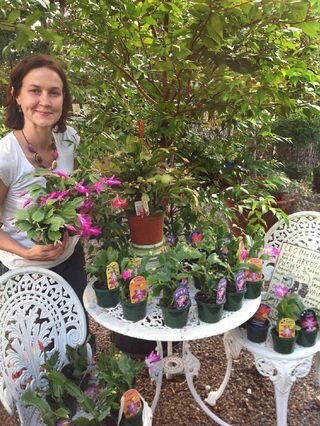
Sometimes botanical names just make me feel like my tongue is permanently tied and afterwards I just want to have a giggle at how ridiculous I sound.
Saying Schlumbergera is one of those times.
I'm sure most of you know Schlumbergeras as they are commonly called Zygocactus (which was their former botanical name), Christmas Cactus, Holiday Cactus and Easter Cactus.
It's funny how northern hemisphere common names are still used here in the southern hemisphere. I quite often get people asking for Christmas Cactus around April, May as Schlumbergeras flower in the cooler months. The northern hemisphere have Christmas in the cooler months hence Christmas Cactus. In the Southern hemisphere we refer to these plants as Easter Cactus as they are usually flowering around our Easter.
Schlumbergeras were named after Frédéric Schlumberger, a French collector of cacti. When we think of cacti we oftemn imagine a cacti in the desert, these plants are not desert plants.
Schlumbergeras are epiphytes - plants which depend on others for support, but not nutrition - from the jungles of southeast Brazil, a humid area with high rainfall. These plants have flattened spineless, pendulous branches with prominent notches at the margins.
The flowers are asymmetrical in shape and appear at the stem tips. Their flowers are described as inflorescence. Inflorescence refers to a group or cluster of flowers arranged on a stem that is composed of a main branch or a complicated arrangement of branches. The flowers were originally shades of pink but thanks to breeding programs all over the world, the flower colours now range from pink, lavenders and reds through to oranges, yellows and whites.
Like all epiphytes, Schlumbergeras need excellent drainage and do not grow well in heavy garden soil or potting mix. Some people like to use orchid mix; some cacti mix. I like using an excellent quality potting mix like Searles Platinum Mix and just not watering them as much. If planting in the ground, I do add a bit of orchid mix to the soil when planting.
I fertilise them about three times a year with Organic Link slow release fertiliser and use Triple Boost liquid fertiliser about once a fortnight when they are in flower.

While Schlumbergeras can grow in the sun, I think they look superb in the shade. There is a school of thought that believes Schlumbergeras flower in response to shortening day length and that they are so sensitive that their normal flowering can be upset if they are grown in an area which is lit up at night, for example on a balcony near a street lamp or outside light. I'm not sure I completely believe this as I'm assuming the Brazilian rainforest wouldn't be exceptionally bright at the best of times. Other schools of thought believe the flowers are triggered to bloom near the beginning of the rainy season while others bloom near the end of the heavy rain. I think it could be a little of both.
Since we can't replicate Mother Nature, I usually fertilise, water and make sure my night light is turned off and hope for the best!

Chrysanthemums
Chrysanthemums are one of the easiest plants to grow and are perfect for green or brown fingered gardeners
Chrysanthemums are traditionally given at Mother’s Day as they flower profusely during autumn and they contain the word mum!
I have found for some strange reason people tend to shy away from having Chrysanthemums in their garden. Maybe they are just too common?

Chrysanthemums are one of the easiest plants to grow and are perfect for green or brown fingered gardeners!
I find these brilliantly flowering plants are one of the best for gardens in the full sun.
They are so many varieties of chrysanthemums available today, one to suit every garden. The US National Chrysanthemum Society has derived that there are 13 different types of flower forms. Then there are the colours, I think every year they get more exquisite. There are single coloured and multi-coloured blooms ranging in colour from pure white to all shades of yellow, reds and purples.
Chrysanthemums are one of the easiest plants to grow and are perfect for green or brown fingered gardeners! Chrysanthemums have long lasting flowers and are relatively pest and disease free. This makes them perfect for everyone as this enables us to enjoy these plants hassle free for many years to come.
Potted chrysanthemums can flower for several weeks indoors but thrive best if placed in full sun. They can be grown in pots or in the garden. To keep them looking fantastic and to promote more flowers, remove all spent flowers and discoloured leaves and liquid fertilised fortnightly.
After flowering chrysanthemums should be cut back to about 15cm (6") high and given Organic Link fertiliser. They will usually flower again in about two months.
Chrysanthemums aren’t just the perfect idea to brighten up one's garden.
They can be used in cooking and teas. NASA Clean Air Study also found chrysanthemum plants can reduce indoor air pollution. Extracts of chrysanthemum plants have been shown to have a wide variety of potential medicinal properties, including anti-HIV-1, antibacterial and antimycotic.
Pyrethrum a well-known insecticide is also derived from chrysanthemums.
This Autumn don’t stress about finding a beautiful, versatile, easy care plant - just buy a Chrysanthemum!

Camellia Sasanqua
Camellias are amongst the world's best flowering plants. They are hardy and disease resistant

Autumn is my favourite season. Cool crisp nights and fresh sunshine days. The days are shorter but seemed to be filled with achievable goals (maybe because we aren’t sweating by 9am!). Autumn is also a glorious time of year because one of my favourite plants starts to flower – Camellias.
Don Burke said it best way back in 2002 “Camellias are amongst the world's best flowering plants. They are hardy and disease resistant, most varieties have attractive, glossy green foliage, and they put on their fabulous flower display in the cooler months of the year when the rest of the garden often looks dull and bare”.
Originally from China camellias have taken well to their Australian home. I have four favourite types of camellias - sasanquas, japonicas, reticulates and hybrids.
Sasanquas are the TLC my autumn garden needs. They seem to burst into life, brightening up sun and shade spots alike with their elegant sometimes fragrant blooms. Of course these plants are still handsome at other times of the year, with their deep green, glossy leaves, and graceful habit. Sasanquas are a versatile shrub with a variety of uses. They are great as a hedge, look fantastic espaliered against a fence, perfect as a statement in a pot or garden and can even be used as bonsai.

Camellia Sasanqua Flower
Camellia sasanquas flower in abundance from March through August with much of the shrub being covered with their striking coloured flowers. These flowers are mostly singles or semi-doubles and range in colour from white through to deep pinks and reds. All the flowers have brilliant yellow stamens that the Australian native bees find delicious!
Some of the sasanquas even have a delightful fragrance that gently wafts through the air tickling your senses and leaves you wanting more. To promote this profusion of flowers and good growth, fertilising with Organic Link should be done at least twice a year, just before flowering and just after. I also like to give my Camellia sasanquas a granular dose of sulphate of potash around February to help promote flowers. If you find you are a little late this year you can just start liquid fertilising with Silica and Potash, every fortnight to help promote blooms. During their flowering season I liquid Plant Care them on a regular basis to keep them healthy while in bloom. About once a year usually around the end of February I add a little bit of Dolomite to the soil around my camellias. Camellias can be prone to calcium deficiency and I find adding a little bit of Dolomite helps with this. If I can’t add Dolomite (or I forget) I try to Liquid Bio Trace my Camellias at least twice a year.
Sasanquas also possesses the distinct advantage of tolerating both full sun and partial shade. These are the perfect plant for your south facing garden or patio. As long as they are planted into good quality potting mix or garden soil and mulched correctly sasanquas are one of the most robust drought tolerant plants around.

Camellias in Ipswich are considered to be relatively slow growing; as a result they are quite happy to stay in a pot.
This is also why they make an excellent hedge – with little effort they can easily be trained to grow thick and neat, they really only need to be pruned once a year after flowering.
There are over 1000 named varieties of Camellia sasanquas, so this diverse group of flowering shrubs should fulfil a range of needs and colour schemes in everyone’s garden. Give your shady or sunny garden spots some TLC this weekend with the hardy Camellia sasanqua.

Pretty Pots
Wonderful warm days, cool nights. I can not express how much I love autumn in the garden
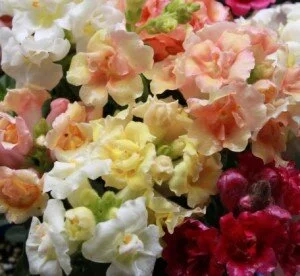
Snapdragon Double Mix
Wonderful warm days, cool nights. I can not express how much I love autumn.
This is usually the time I up end all my all drab/dead pots that lost their lust for life around the same time temperatures hit forty and I got caught up in the school routine.
I usually just throw the dead plants out and throw the soil from the pots if it’s old on the lawn as a quick top dressing.
I love grouping my terracotta pots. Before I even start to plant I work out which pots I want to use and usually have grouping of three or four all different sized and shaped terracotta pots. I also work out where I’m putting my pots and does that area get all day sun, some shade and sun or all day shade.
Next I get my potting mix. I always use, what is in my eyes, the best quality potting mix – Searles Platinum Potting Mix 30Lt. I find that if I give my plants the best possible start in life they are more likely to flourish with little input from me. I use Peat 80 for everything in pots whether its roses, vegetables, azaleas or flowering annuals

Pansy Mixed
Plants in pots do need a little bit more care and attention than plants in the ground. I try to give my pots a complete organic slow release fertiliser with Organic Link every three months and I alternate my liquid fertilisers fortnightly. I use Triple Boost and Silica and Potash. I am sometimes a bit forgetful with the liquid fertilising but I have realised that if I want my potted plants to stand out and look really amazing once a fortnight is best.
Next it’s time to choose the plants.
The best thing about this time of year is that I can start filling all my empty pots with winter flowering annuals like pansies, tall snap dragons, primula and violas! Plus all year round annuals like lobelia and asylum.
I’m not usually an annual person. It’s not that annuals are that much work, it’s just I’m too much of an impatient gardener to wait for the seedlings to grow into plants and flower! But I just love the cooler flowering annuals.
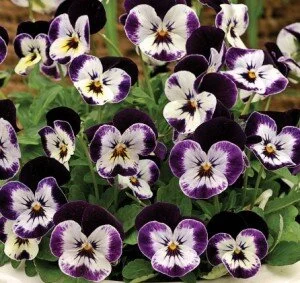
Viola Mixed
Some of you may be wondering what an annual is.
Annuals are a range of plants that usually flower and grow for one season, many do grow for longer. Winter flowering annuals such as pansies and violas will usually only grow in Ipswich during the cooler months by the time Christmas is here they have completely died off.
I may only get five months of winter annual joy but how could I not love the bright infusion of colour these wonderful plants can bring?
The best thing about winter annuals is that many of them are perfect for cut flowers. Snapdragons and stocks can last for a couple of weeks inside in a vase.
This weekend get outside, get dirty and breathe back some life into your old pots.

An unconditional love
This Mother’s Day look past your mum’s insane streak and don’t forget all the wonderful Tim Tams and pieces of pie she gave you and is probably still giving you!
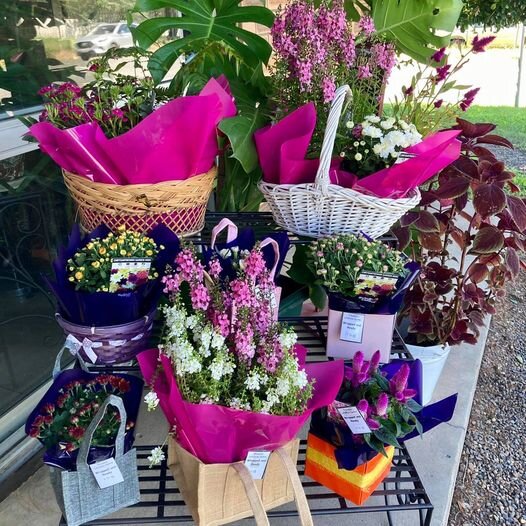
Spoilt for Choice at Trevallan for chrysanthemums
When I was quite young, I once watched a mum give the last two Tim Tams in a packet to her kids. At the time I thought the woman had gone completely mad - who gives away perfectly good Tim Tams ?
Years later, I came across this quote “A mother is a person who seeing there are only four pieces of pie for five people, promptly announces she never did care for pie.” As a mother myself, I now understand the crazy lady giving away her Tim Tams (though giving away Tim Tams is still a little crazy)!
As parents, we sometimes forget that we are children too and our mums will always be our mums!
Because we are always children in our mother’s eyes, they have the ability to drive us, as adults, a little insane at times.
Their insanity, so it seems, is not due to old age, it’s just their ability to never stop caring or loving us.
This Mother’s Day, look past your mum’s insane streak and don’t forget all the wonderful Tim Tams and pieces of pie she gave you, and probably is still giving you without you even realising!

Love this beautiful winter flowering plant
Don’t just give her a pot of flowers, give her something that she really wants – time with you.
As a mother of young children, my ideal Mother’s Day would probably be sleeping in a bed without sand, crumbs and/or tiny feet kicking me through the night, to enjoy my morning coffee, without the need to be a climbing frame, not having the Terraria computer game theme song stuck in my head or answering a 1000 questions before 5am, oh and of course a massage and a hair cut.
My mum, on the other hand, would probably appreciate a day of my kids shenanigans, sorry, I mean ah, a day of quality time with my children and myself.
So this Mother’s Day the only answer is - the kids are spending the day at mum’s house, I’ll be supervising! Win, win!
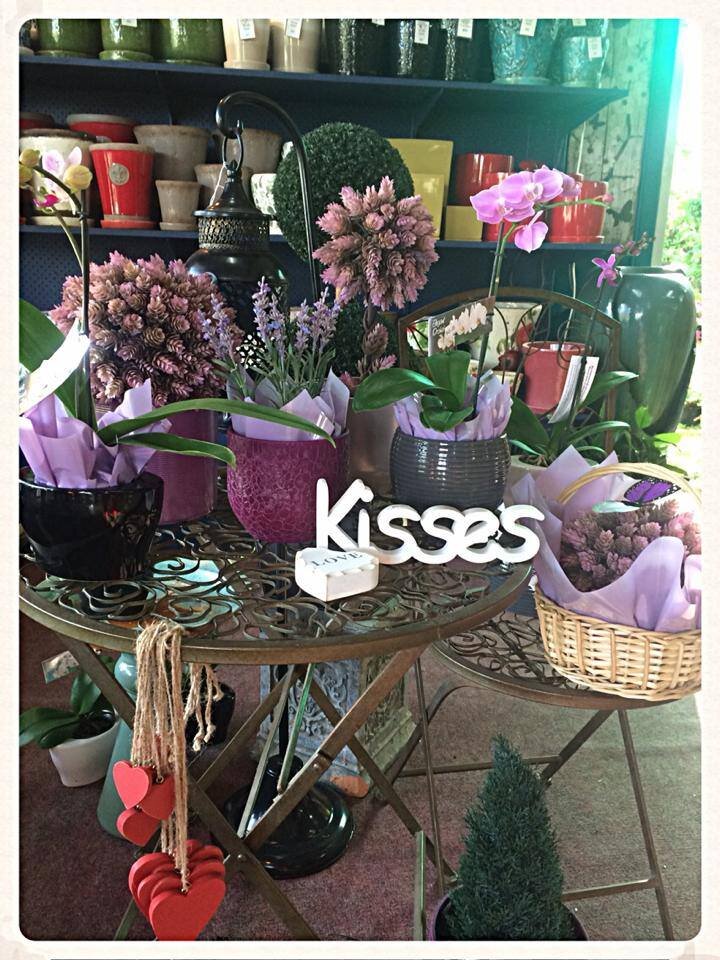
Lavender shades
Seriously though, in today’s world it seems we are spoilt for choice in the present department. Believe it or not, a few years ago, a pot of chrysanthemums was the only choice you had as a gift option for Mother’s Day.
This Mother's Day, Trevallan Lifestyle Centre is overflowing with living flowering gifts. Cyclamens, azaleas, pansies, orchids, kalanchoes, even flowering cactus and of course chrysanthemums, all are in bloom, look fantastic and are easy to care for – even brown thumb mums should enjoy!
With every present you give though, don’t forget to give a little of your time as well.
Our mothers just want the best for us – so ignore the so called mothering insanity and instead, give her a hug and kiss and let you know you love her.
Because while a mother’s love is unconditional, we as children need to reassure them that our love is unconditional too!

Roses are Red
The rose has long been a source of fascination and meaningfulness for cultures around the world. I have never claimed to know the secrets of growing roses in a climate where for about six months of the year we have what feels like 100% humidity but here are a few of my tips.
The rose has long been a source of fascination and meaningfulness for cultures around the world.
Cleopatra was believed to have covered the floor of her palace room with roses before Mark Antony visited for in those times anything which was said "under the rose" was deemed to be a secret.
For many of us Queenslanders though how to keep roses looking amazing feels like a state secret.

I often stare in awe at the pictures in magazines of roses elsewhere in Australia. How dare they have the climatic conditions to grow these plants successfully?
I have never claimed to know the secrets of growing roses in a climate where for about six months of the year we have what feels like 100% humidity.
Many rose growers out there will probably have a small heart attack at my way of growing roses but that’s ok, my way is the right way for me and maybe if you’ve never had any success in the past it may become the right way for you.
The first thing I needed to realise was that my roses may never look like they do elsewhere. The humidity we suffer is the cause of most rose problems. No amount of sprays, fertilisers or correct planting techniques will change the problems humidity brings.
To combat most of the rose problems such as black spot, fungus, bud worm that occur during the warmer months I trim and fertilise.
I don’t spray.
During the really humid months most of my roses look like bare thorny sticks. I find removing all the affected leaves, trimming back the plant and then fertilising with a slow release complete organic fertiliser like Organic Link works fantastically.
I always trim my roses like I am cutting the flowers off for a long stemmed vase. I personally can’t stand long straggly bushes so I make sure all my roses get a good prune continuously throughout the year. I also find a good dose of granular Sulphate Potash at least twice a year, Winter and Summer, helps with fungal problems and boosts blooms.
After pruning you can use a product like Steriprune which is designed to protect wounds against infections and die back. Come the cooler months and my roses are thick and lush and full of flowers. The few leaves that do get black spot or mould just get pulled off and when the flowers die, I still trim the stem right back like I am cutting it for a long stemmed vase.
To keep roses healthy and insect free I try to regularly liquid fertilise them with Rose Triple Boost and neem oil, fortnightly is ideal (but not always possible). When black spot is rife I alternate between the Rose Triple Boost and Silica and Potash Liquid fertiliser (certified organic).
Another organic alternative for black spot and rust is eco-fungicide. Eco-fungicide is a registered organic fungicide for the control of powdery mildew, black spot and rust in many plants including tomatoes, zucchini, roses, grapevines and geraniums. It attacks existing fungal infections and kills external fungal growth within minutes. Eco-fungicide also leaves an invisible protective coating that prevents new spores from germinating.

This Rose quote is so true even when growing roses. You must put up with all the disease, insects etc but it is well worth it when they bloom
To control insects some people like to use a pyrethrum based spray or neem oil.
All my roses are in full sun in pots and in the ground. I use Searles Platinum Potting Mix for the pots and Searles' Garden Mix for the ground. I mulch with Sugarcane.
Roses do not have the prettiest bush and they can sometimes seem a bit fussy but the reward of the rose is well worth it all.