Find Us:
77 Fernvale Rd
Brassall QLD 4305
(07) 3201 8630
Open:
Tue-Sun 9am - 4pm

Winter Solstice 2026
The Winter Solstice marks the longest night of the year and the beginning of Cancer season, a time traditionally associated with reflection, intuition and renewal. Explore the history and meaning of this seasonal turning point, the practice of creating space for what comes next, and a collective tarot, essential oil and flower essence reading to guide the season ahead.
Winter Solstice, Cancer Season & Listening to What Lies Beneath
The Winter Solstice marks the shortest day and longest night of the year. For thousands of years, cultures around the world have honoured this seasonal turning point with rituals, feasts, fires, candles and quiet reflection.
While traditions varied, many shared a common theme: acknowledging the darkness while celebrating the gradual return of the light.
In our modern world, it is easy to view the solstice as simply a date on the calendar. Yet it remains a powerful reminder that nature moves in cycles. There are seasons of growth, abundance, harvest and reflection.
The Winter Solstice isn't really about manifesting in the way social media often presents it. Traditionally, it is about honouring the darkness, listening deeply and trusting that growth is occurring even when you cannot yet see it.
Adding another layer to this seasonal turning point, the Winter Solstice also marks the beginning of Cancer season in astrology.
Ruled by the Moon, Cancer is associated with intuition, emotions, home, family, nurturing and the quieter wisdom that emerges when we slow down enough to listen. It encourages us to turn inward, reflect on what truly nourishes us and pay attention to the subtle messages that often become lost in the busyness of everyday life.
Together, the Winter Solstice and Cancer season invite us to pause, reflect and reconnect with ourselves before the light begins its gradual return.
One of the ways many people honour this transition is through clearing space.
This can be as practical as decluttering a room, opening the windows, cleaning forgotten corners or refreshing your surroundings. It can also be energetic: releasing old stories, limiting beliefs, emotional baggage or patterns that no longer support where you are heading.
Creating space is not about getting rid of things for the sake of it. It is about becoming intentional about what you wish to carry forward into the next season.
If space clearing is something you would like to explore further, I have written several blogs on the practice and how it can be incorporated into everyday life.
A Winter Solstice Reflection
At Potionatrix, I have been leaning into the energy of the Winter Solstice. To explore the themes of this season, I asked three questions:
What is my intuition trying to tell me right now?
What needs my care, attention and nourishment over the coming months?
How can I honour my own natural rhythm instead of forcing growth?
The cards that emerged carried a surprisingly consistent message.

The overarching card was the Six of Cups Reversed, often associated with releasing old stories, outdated expectations and patterns that may once have served a purpose but no longer align with who we are becoming.
The Star appeared as a reminder of hope, trust and inspiration. Even when the path ahead is not fully visible, it encourages us to stay connected to what lights us up and trust that we are being guided forward.
The Six of Swords Reversed suggested a transition that is underway but perhaps not yet fully embraced. Rather than forcing movement, it asks us to gently acknowledge where we may be resisting necessary change.
The Two of Swords Reversed invited honesty. Sometimes the answers we seek are already present. We simply need to stop avoiding them and trust what we already know.
Taken together, the cards reflected a theme that feels perfectly aligned with both the Winter Solstice and Cancer season:
Trust what is calling you forward.
Release what belongs to the past.
Stop forcing outcomes.
Listen to your inner wisdom.
Allow change to unfold in its own time.
Aromatherapy & Flower Essence Support
To complement the reading, an essential oil and bush flower essence were selected.
Ylang Ylang emerged as the essential oil companion for this solstice. Often associated with self-acceptance, emotional balance, joy and surrender, it encourages us to soften our grip on control and reconnect with the heart.
The Australian Bush Flower Essence Sedum was also selected. Sedum is traditionally used when we feel disconnected, isolated or separate from others. It reminds us of our place within community, family and the wider web of life.
Together, they offered a gentle reminder that growth does not always come from pushing harder. Sometimes it comes from allowing support, trusting ourselves and reconnecting with what truly nourishes us.
Your Winter Solstice Invitation
If you feel called to create your own Winter Solstice ritual, consider lighting a candle, diffusing a favourite oil, pulling a card and spending a few moments with these questions:
What is my intuition trying to tell me right now?
What needs my care, attention and nourishment over the coming months?
How can I honour my own natural rhythm instead of forcing growth?
The answers may not arrive immediately. Like the gradual return of the light after the solstice, some insights reveal themselves slowly. And perhaps that is the lesson of this season. Not everything needs to be rushed. Not every answer arrives the moment we ask the question. Sometimes growth begins quietly, beneath the surface, long before we can see the results.
The Winter Solstice invites us to trust that process.

Best Cut Flowers
Looking for a plant that flowers for months and makes the perfect winter gift? Cyclamen persicum is your go-to for cool-season colour and easy care.
I love the cooler weather. I know the days are still warm, but the nights have that glorious cool tinge and even better, all the plants I love to surround myself with are now in bloom, or coming into bloom.

Cut Flowers that lasts for months inside or out!
I love gift giving at this time of year. I don’t do cut flowers, of course as I want my gifts to last a little longer, but I also know not everyone is a green thumb, so I also don’t want to cause any stress with my gift.
Which is why I always love giving Cyclamens.
Why Cyclamens?
Cyclamen persicum, native to the rocky slopes of the eastern Mediterranean, think Turkey, Syria, and Jordan is usually the Cycamen you will find at Trevallan. Despite their exotic origin, they’re remarkably well suited to life here in Ipswich during winter on patios or cool, bright indoor spaces.
They flower for months, from April right through to October, in a rich tapestry of colours, from snowy whites to rich reds, mauves, pinks, and bi-tones. This year a blue one was released for the first time. The foliage is also just as striking as the flowers — heart, kidney, or rounded leaves, patterned or marbled with silver.
A gift and a decoration in one.
Treat Them Cold, Keep Them Beautiful
Even though Cyclamens can grow well indoors, they love the cold. Cool air slows their respiration and preserves their blooms. I always say: cold mornings are their skincare routine!
At home, I water mine once a week, a good slow drench under a tap using icy cold water. Then, I pop them outside (in a shady spot) overnight. That cool, fresh air seems to give them a new lease on life. Indoors, they sit prettily in a bright room until it’s time for their next drink.
The trick is to let them dry out slightly between waterings. Cyclamens grow from a tuber, and those tubers are prone to rot if overwatered or if water collects in the crown. So always water the soil around the base, never directly into the middle of the plant. That centre is their weak spot.
Potting, Planters, and Fuss-Free Beauty
I prefer to keep mine in a decorative planter, not potted into a decorative pot with drainage. I simply place the Cyclamen, in its original black plastic pot, inside the planter. That way, I can take it out to water properly, let it drain, and then pop it back in. Just don’t let water sit in the base, soggy roots are sad roots.
Feeding Flowers, Not Foliage
Cyclamens are moderate feeders, and like many flowering plants, too much nitrogen means lots of leafy growth and very few flowers. To keep mine flowering and healthy, I feed fortnightly with Silica and Potash Liquid. This helps strengthen cell walls, increase flower production, and prolong bloom life. The result? Bloom after bloom, week after week.
Deadheading and Dormancy
Cyclamens don’t like being trimmed with scissors. To remove a tired flower or yellowing leaf, gently twist the stem at the base and pull it cleanly away from the tuber. This reduces the risk of rot or infection and helps the plant focus its energy on new growth.
Cyclamens grow from a tuber and tend to die down during our hot, humid summer. In our hot, humid climate, that’s perfectly normal. You can let the plant rest by placing the pot in a cool, dry, shady spot, reduce watering to almost nothing, and wait. If you’re lucky, it may re-sprout next autumn. If not? Well, you still got months of blooms for the price of a bunch of cut flowers and then some.

Cyclamen - best flower for indoors
A Cyclamen will warm your soul, even on the coldest morning. Whether you’re decorating your home, cheering up your work desk, or spreading a little love, don’t forget, a living gift like this blooms longer, lingers longer, and keeps on giving.

Winter Gardening Jobs
Winter in Ipswich brings cold nights and warm days, perfect for gardening. Mulch to maintain soil temperature, fertilise with Silica and Potash, and protect young plants from frost. Start a herb garden, plant seed potatoes, and enjoy winter blooms like camellias. Maintain your lawn, care for fruit trees, and focus on herbs and leafy greens in your vegetable patch. Keep your garden thriving all winter with these expert tips.
Winter in Ipswich brings a mix of cold nights and warm days. As a gardener, you might find yourself stripping off layers one minute and bundling up the next. Here's how you can make the most of this season in your garden:
Fertilise Gardens and Pots
At the turn of every season I also like to soil wet and fertilise my gardens and pots. I use Plant of Health’s granular Soil Soaker and Organic Link Fertiliser. Soil Soaker enables hydrophobic soils to become water penetrable and retain water. It also houses beneficial microbes, nutrients, silica and diatomaceous earth these make soil healthy which in turn improves root and shoot development and also reduces plant stress.
I will use Soil Soaker first then in a week or so give them all a good fertilise with Organic Link.
I also use Silica and Potash monthly to help plants naturally withstand cold damage. For young plants susceptible to frost, apply Envy frost protectant monthly.
While insects aren’t usually bad at this time of year if you do notice an attack a spray with neem oil is usually all you need.
Feed my winter flowering plants
Sometimes we just can’t get around to fertilising all our plants. At this time of year if I can’t fertilise everything I like to pay particular attention to my camellia sasanquas and japonicas, rondeletias, zygo cacti, azaleas and my poinsettias to keep them looking good and help promote flowers. I will also start to liquid fertilise these plants with Silica and Potash fortnightly to promote flowering.
Mulching
Mulching isn't just for summer; it's equally important in winter. It helps keep the ground temperature even, reducing cold stress on your plants.
Pruning
Late winter is a great time to prune most plants to ensure healthy spring growth.
Lawn Care
At the turn of every season I like to soil wet and fertilise my lawn. Even though I know winter isn’t a time for large growth, I find the heathy it is all year the better it looks and less attention I need to ultimately pay to it. I use Plant of Health’s granular Soil Soaker and Lawn and Turf Fertiliser.
I find lawn weeds don’t grow anywhere near as quickly in winter as they do in spring. I believe if I can get on top of them now I won’t be doing the bindii dance in summer! Normally at this time of year I can easily dig up any stray weeds and I always mow with the catcher on. If by chance I do need to spray I try to do it about three days after rain when the weeds are young but not in flower yet. I use Searles ‘Lawn Perfect’ as it kills most of the weeds coming up in my lawn. I don't worry too much about winter weed as I find out it dies out quickly as soon as the weather warms up.
Fruit Tree Care
Citrus trees can prone to Leaf Curl and Leaf Miner. Both these problems are mainly caused by insects. Normally when my plants are under attack I trim off affected growth and fertilise with Organic Link. At this time of year my citrus are usually in fruit or flower and I don’t want to stress the plants out and cause a flower or bud drop. So I will start a weekly spray for at least four weeks with Plant Care and Neem Oil, mixed together to give them an immediate boost.
After fruiting I will trim and fertilise.
While fruit fly isn’t meant to be active in winter I always change my fruit fly wick every three months or on the turn of the season, so beginning of Winter. Any fruit that is forming with get a spray with Eco-naturalure, an organic fruit fly spray to protect them from the odd pregnant female flying about! For more information on Fruit Fly click here.
What to plant
With the cool nights and warm days, it has become a vegetable gardeners paradise. There are so many vegetables that grow at this time of year beetroot, broccoli, snow peas, Asian greens, strawberries, onions, kale, leeks, cauliflower, spinach, rocket, coriander, cabbage, peas (though I don’t know why… Yuk!), just to name a few. Tomatoes and zucchini can also be planted now to get good growth before summer hits with fruit fly.
Winter is also a great time to start a herb garden. Herbs like basil thrive in the cooler months. Instead of paying high prices for fresh herbs, you can grow your own. Trevallan offers a variety of everyday herbs like chives, oregano, lemongrass and unique herbs like bergamot, chamomile, and chia. Now is also a good time to try seed potatoes, garlic and shallots.
Regularly fertilise with Triple Boost and Neem to enjoy a bountiful harvest of winter vegetables.
Jobs done … I can kick back relax read my Winter About the Garden Magazine and enjoy the sunshine!

Australian Native Kangaroo Paws
Kangaroo paws belong to the genus Anigozanthos, which are native to south western Western Australia. This area of Australia is dryer, slightly warmer and the soil is sandy...very sandy. A little different to Ipswich's climate and soil.
You know how as a kid you thought your mum was the vegie monster because she made you eat food like Brussel sprouts but as you get older the idea of Brussel sprouts for dinner grows on you till somehow you find yourself not only buying them and cooking them but also enjoying them.

Kangaroo Paw, an Australian Native Plant
Kangaroo Paws are kind of like my Brussel sprout in the garden! For years I would almost double over in pain at the idea of growing one of these hideous plants. Why? I couldn’t come to terms with a plant that had gangly disease ridden leaves and long boring flowers.
I guess I just had never seen it used well in landscaping because now I am totally in love. Why? Strangely enough it was Ipswich City Council and the Riverheart parklands that caused me to start to fall in love with them because a few years ago they were planted en masse in the gardens and they looked fantastic most of the year.
Kangaroo Paws belong to the genus Anigozanthos, native to south-western Western Australia. A region that’s drier, hotter, and has very sandy soil. Quite different from Ipswich's heavier soils and sticky summer air.
And that’s where a lot of the trouble starts. One of the main reasons I disliked Kangaroo Paws was because of the dreaded ink spot, those black patches that ruin the leaves. It’s mostly caused by fungal diseases thanks to humidity, but frost damage and snails can also contribute. Parts of Ipswich can swing between high humidity and black frosts, basically, Kangaroo Paw hell.
Some newer cultivars, like the Celebration series, recommend growing in pots in a partially shaded spot and only in areas with less than 70% humidity (Ipswich averaged around 75% in summer 2024). So while Kangaroo Paws traditionally love full sun and excellent drainage, if you're in a more humid region like ours, pots in airy spaces with morning sun might be the better way to go. Terracotta pots are a great choice too, because they breathe. If you want to grow Kangaroo Paws out in the garden, try going for the older varieties like Anigozanthos flavidus or the red and yellow flowering forms in the Bush Gem series.
Most sprays or fertilisation will not prevent Ink spot. Thanks to Angus Stewart, the main cultivator of Kangaroo Paws, I now know the best and easiest way to deal with ink spot! Mow over them when the leaves start to become infected and fertilise with a complete organic slow release fertiliser like Organic Link! Secateurs would work just as well as a mower but nowhere near as fun!
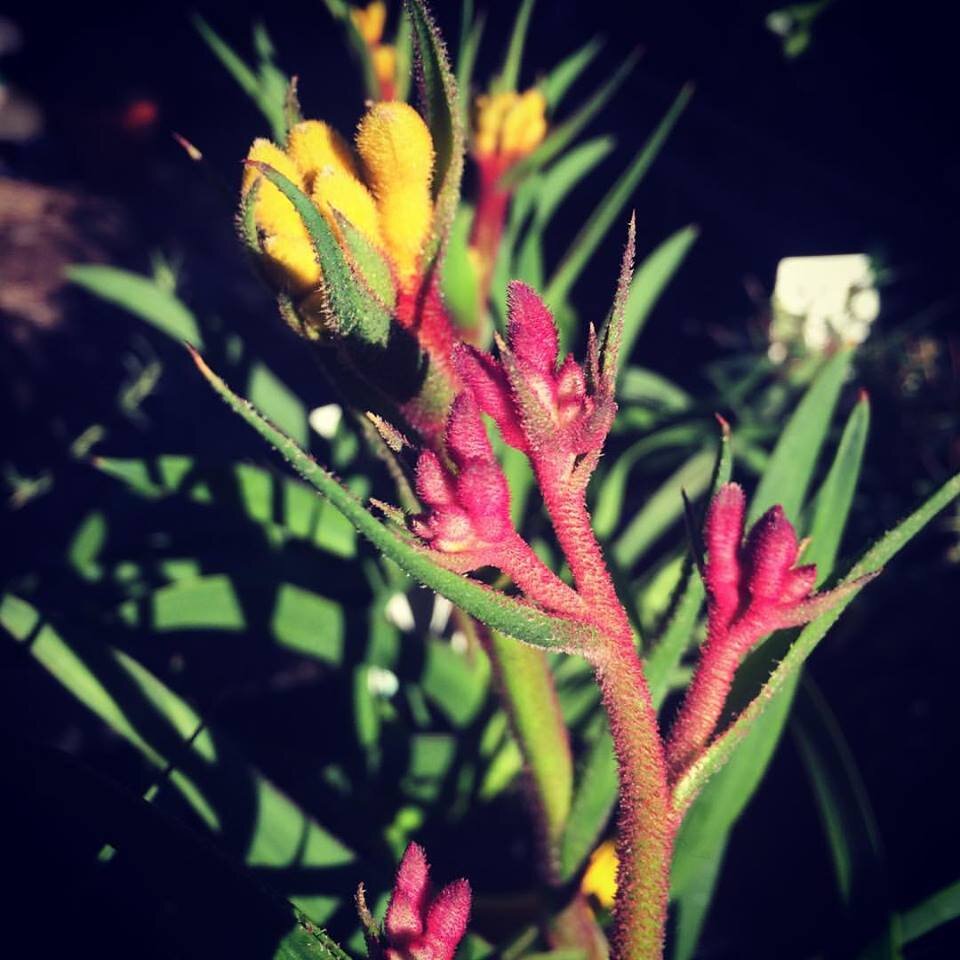
By cutting all that leaf off, you get get rid of Ink spot and encourage beautiful, fresh new leaf which gives the plant a really vigorous green appearance and promotes the flowers and the flowers are the best part.
Kangaroo Paw flowers have been described as one of Australia’s most striking and unusual flowers and with modern cultivation I think there is one available in in all the colours of the rainbow, hot pink, red and green and the black are my favourite.
These fabulous bird-attracting, drought tolerant plants grow to all different sizes too. From small boarder plants to large striking feature plants there is one suit all gardens. All they need is a dry well drained spot in full sun and easily accessible by mower (or Secateurs)!
I love using a mixture of flowering heights in pots too. They make an awesome feature in a hot area of your patio or garden. Just remember to remove the spent flowers and yucky leaves and this plant should reward you with vibrant colour most of the year.
This weekend eat some Brussel sprouts and plant an icon of the Australian garden at your house.
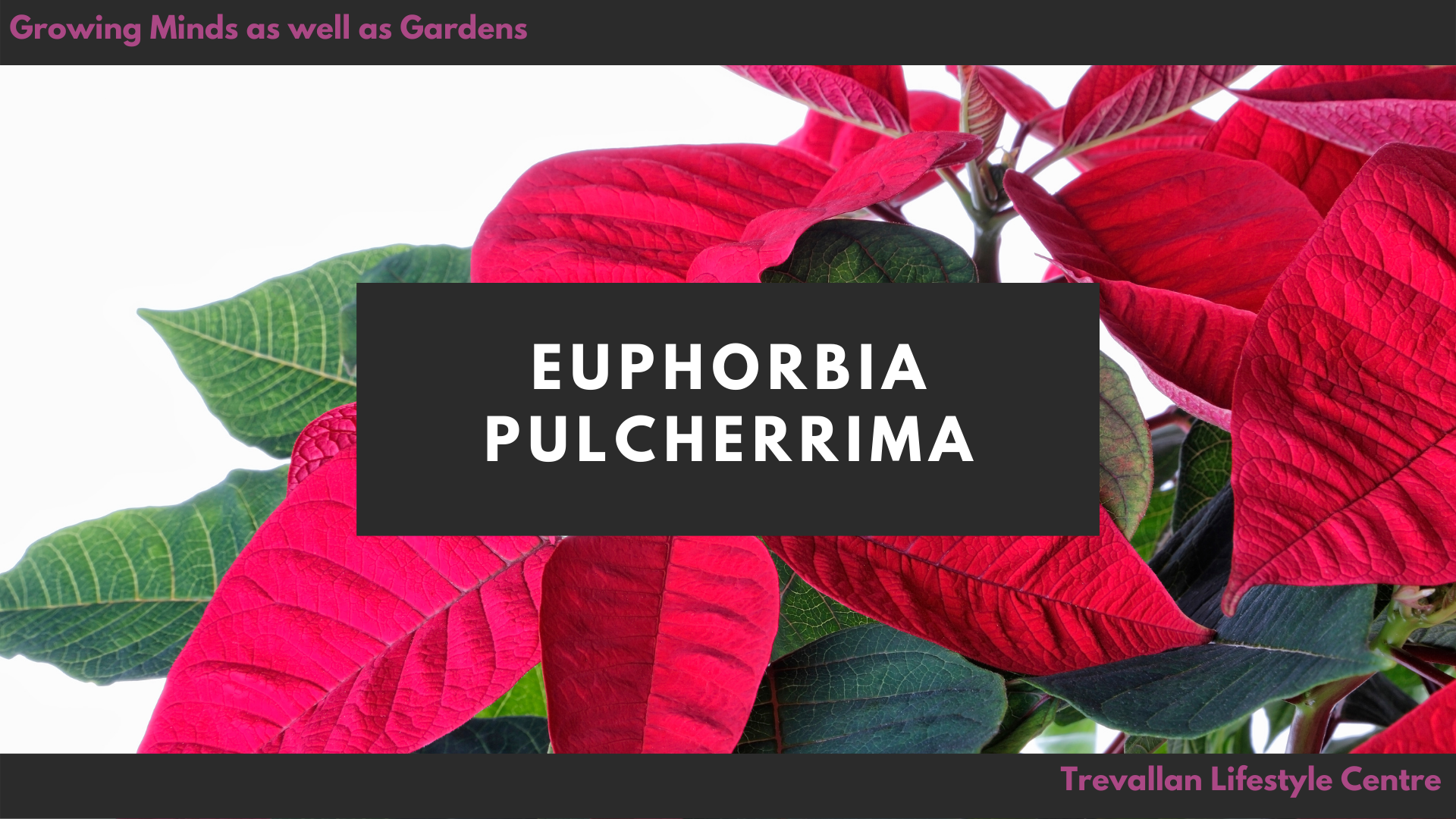
Red Poinsettia, Euphorbia pulcherrima
Poinsettias are amazing plants. They will grow in full sun, full shade, indoors or outdoors. They can handle most soil types, the cold, the dry, the heat.
I thought I’d talk about one of the most commonly used Christmas indoor plants, the Red Poinsettia, Euphorbia pulcherrima.
While this beautiful plant is native to Mexico and Central America, it has well established itself into Australian culture, to the point that when Brisbane City Council was formed on 1 October 1925, the red poinsettia was chosen as the floral emblem!
Poinsettias are amazing plants. They will grow in full sun, full shade, indoors or outdoors. They can handle most soil types, the cold, the dry and the heat. For this reason, I’m amazed we don’t use more of them in our gardens.

Poinsettias at Pohlmans Nursery around October
For me, there really is nothing finer than the sight of a poinsettia naturally blooming. I remember the first time I saw a hedge of Poinsettias in colour, it was going up both sides of a driveway out at Lowood. Oh my, it took my breath away.
Did you know that what we think are the ‘flowers’ of the poinsettia are actually ‘bracts’ or clusters of coloured leaves. The coloured part is actually leaves that have changed colour. The real flowers are insignificant and found in the centre of each of these clusters.
The colour pigmentation of these bracts is triggered by the shorter periods of sunlight that the plant experiences during the winter months. That’s right, the natural time for a Poinsettia to flower is winter. Short days, long nights!
Why do we associate them with Christmas if they flower in the winter? That’s an easy one to answer, because we have always been inundated with the Northern Hemisphere’s idea of a cold snowy Christmas.... they have Poinsettias flowering naturally at Christmas and for them it’s a bright bit of colour on a bleak outlook.
To make Poinsettias flower at Christmas, we need to adjust their lighting. I have included a picture of Pohlmans Poinsettias around October. They put these plants into special hothouses and adjust the lighting over the next few months to bring them into colour. The next picture is what the same room looks like in December!
Poinsettias come in all different colours, it’s just we normally associate red ones with Christmas. However, I do love the hot pink and double bract ones.
Boss lady hates poinsettias as they can be deciduous in the subtropics after and sometimes during flowering time. As a result, some years results in a shabby plant and other years, if it’s a dry summer, you get a full, thick plant. She never knows what they will look like and it annoys her!

The same Poinsettias at Pohlmans Nursery in December
While there are ‘dwarf’ versions of Poinsettia on the market, you still need to trim them back every few years to keep them looking neat. I find if I trim them back harshly at end of winter and give them a good feed of Organic Link fertiliser, they are usually looking lush by October. When trimming, it’s important to know that these plants have a milky sap that can be irritating to some, but more importantly, can ruin your clippers. So make sure you wear protective gear and always thoroughly clean your clippers afterwards.
As mentioned before, I have found Poinsettias will grow anywhere. Pots, the garden, indoors or outside. If planting them in a pot, always use excellent quality potting mix and don’t over pot. If planting them in a garden, use excellent quality garden soil. Never plant your Poinsettia near a street light or an outdoor light that is constantly on, as they will never change colour. I find using Poinsettias in the garden is a great way to make a dark green space bright during our bleaker months of the year.
This Christmas enjoy your red Poinsettia inside and then go plant it in the garden so it can do what it does naturally.

Extreme Weather Plant Protectants
When the weather swings to either extreme, freezing mornings or relentless heat, I put a protective coat on my plants. For me, that coat is Silica and Potash or Envy.

Hopefully my silica and potash spray works better than using my good coats
Once the cold mornings start, I feel like I should be going out and putting a big winter coat on some of my plants. In summer I want to go put a big Sombrero on all my plants.
The reality is, plants don’t just struggle in cold conditions, they also suffer through heat, dry winds, intense sun and sudden temperature swings. In Ipswich, it’s often not just cold or just hot, but the constant stress of moving between extremes.
We don’t have a big coat and hat for our garden so there are two products that work like a protective layer in both hot and cold conditions, Silica and Potash and Envy.
How does Silica and Potassium help with Extreme Weather Protection?

Silica and Potash by Plant of Health is product we use at Trevallan
Silica (Si)
Role in Protection:
Cell structure strengthening: Silica deposits in plant tissues strengthen cell walls, helping prevent cell rupture caused by ice crystal formation in cold conditions and cell collapse or scorching during extreme heat.
Stress tolerance: Silica improves overall stress tolerance by helping plants regulate internal processes more efficiently, increasing resistance to cold stress, heat stress, drought and rapid temperature fluctuations.
Water retention: Silica helps plant cells retain water, buffering against dehydration caused by freezing temperatures as well as moisture loss during heat, dry winds and high evapotranspiration.
Potash (Potassium, K)
Role in Protection:
Osmoregulation: Potassium regulates water movement within plant cells, helping maintain cell turgor pressure. This reduces the risk of cell damage during freezing conditions and helps plants stay hydrated and functional during heat stress and dry conditions.
Enzyme activation: Potassium activates enzymes involved in metabolism and stress response pathways, allowing plants to better manage cold stress, heat stress and environmental extremes.
Carbohydrate movement: Potassium aids in the transport of carbohydrates throughout the plant. In cold conditions, these carbohydrates can act as natural antifreeze agents, while in hot conditions they support energy availability, recovery and stress resilience.
Combined Benefits of Liquid Silica and Potassium for Extreme Weather Protection
Silica is often more effective when applied as a foliar spray. This is because silica is less mobile in the soil and can be better absorbed directly through the leaves, allowing quicker and more targeted uptake by the plant.
The same applies to potassium, foliar feeding provides a rapid way to deliver potassium to plants, particularly during critical growth stages or periods of environmental stress.
Together, silica and potash support plants through both cold and hot weather extremes by improving the physical and biochemical stability of plant cells. Stronger cell walls, improved water regulation and more efficient internal processes help plants cope with frost, heat stress, drying winds and sudden temperature fluctuations, while also improving overall plant health and resilience.
At Trevallan, we use Plant of Health’s Potash and Silica (certified organic and safe to use across your whole garden). I liquid feed the garden centre about once a month with this product. I add the liquid fertiliser to Birchy, and the entire garden centre is fertilised in around 20 minutes.
What is Envy?

Envy is a frost protectorent and anti transpirant.
Envy is a frost protectant and anti-transpirant that supports plants through both cold and hot weather extremes.
Envy is designed to prevent frost damage by providing a physical and/or chemical barrier that reduces ice nucleation, the process by which ice crystals begin to form from supercooled water, a key factor in frost damage on plant surfaces.
Once sprayed over a plant’s foliage, Envy can increase frost tolerance by up to 4°C.
The same protective film also helps plants during hot, dry and windy conditions. Envy can substantially reduce moisture loss by up to 50%, helping to protect foliage from sunburn, windburn and dehydration during periods of heat stress.
Envy does not hinder plant growth or photosynthesis. It forms a semi-permeable membrane over the leaf surface that still allows the plant to breathe. It is non-toxic, pH neutral, and will biodegrade in sunlight.
Envy is best applied as a foliar spray and should be reapplied as new growth emerges to maintain protection during changing conditions.
Both products ‘Silica and Potash’ and ‘Envy’ can be applied as a foliage spray - mix the product with water and spray over the plant’s foliage.
Both need to be applied regularly for best results.

Azaleas
Azaleas are the blaze of colour that brings warmth to the cooler months garden. These divine mass flowering plants will do well for many years but they do need a little TLC to look their best.

Azaleas are the blaze of colour that brings warmth to the cooler months garden. These divine mass flowering plants will do well for many years but they do need a little TLC to look their best.
These beautiful plants have dark lush green foliage and come in a wide variety of colours from white, through to pinks, purples, reds and oranges. There are two basic flower types – single and double. The double is my favourite and luckily many double flowering azaleas spot flower throughout the year so I can enjoy this lovely plant all the time!
Most Azaleas will thrive in semi-shade but some will also look fantastic in full sun or full shade. I prefer the smaller more compact varieties that usually grow to around 50cm to 1m high but some can get over 2m high.
Azaleas love acid soil; the pH range should be between 5.5 and 6.0. Many Ipswich residents find that their garden’s soil pH is too low and prefer to grow azaleas in pots and that's perfectly ok as these plants do well in pots and gardens.
Azaleas have a shallow tight root system. If a good layer of mulch is applied, to your pots or the garden bed, and a soil wetter is used at least every 12 months azaleas should thrive. The mulch, must be organic mulch, like sugar cane or rainforest fines. This helps to keep moisture in the soil, and also helps keep the roots warm in winter and cool in summer. The soil wetter helps water penetrate the soil and root ball as after a period of time your soil can become hydrophobic (resists water).

Nice Surprise Azalea
To keep my azaleas looking their best I use the Plant of Heath Range. I use Organic Link every three months and I will also try to give them a liquid fertiliser fortnightly. I alternate between Triple Boost and Neem Oil (together) and Silica and Potash. When my azaleas have finished flowering I prune them back by about one third.
Azaleas do have some pest and disease problems but I find the healthier the plant the less trouble I have.
Petal blight is a fungal disease that turns the beautiful flowers suddenly brown. You can use an organic fungicide called eco-fungicide but I find the easiest solution is to pick off the affected flowers and throw them away and then I give them some liquid fertiliser.
A common problem with azaleas is one where the leaves loose their colour and lustre; it kind of looks like the leaf has been sand blasted. If this occurs, turn the leaves over and you may see black spots. This is a sign of Lace bug. Severe infestations can lead to reduced plant vigour and loss of leaves. To prevent this from happening I mix Neem oil into my Triple Boost Liquid fertiliser (that I foliar spray once a fortnight). I find prevention is better than fighting the problem after it occurs.

Red Wings Azalea
If the problem does occur I spray with Eco-Fend. You may need to spray a few times to control your infestation and unfortunately once the leaves have that sand blasted look they will stay that way. A good trim and fertilise will help promote nice new healthy growth to cover the unsightly affected growth.
I love how azaleas can enliven a garden‘s dull spots and bring a smile to the face of a friend when given as a present. These plants truly will give your life the TLC it deserves.

The Winter Lawn
Transform your patchy lawn into a lush green paradise with these expert lawn care tips. Learn how to aerate, use soil wetting agents, fertilize, and control weeds organically. Say goodbye to unwanted invaders and welcome a healthy, vibrant lawn just in time for Christmas. Get ready for backyard cricket and envy-inducing lawns with our comprehensive lawn care guide.
Who has recently taken a good look at their lawn?

Does it look lush and green? Take a closer look, is that lush greenness coming from the lawn or all the weeds that have recently taken hold due to the rain.
At the moment my lawn isn't looking as good as it should - it is looking a bit patchy and the weeds like bindi, clover and Mullumbimby couch are coming through.
Sound like your lawn? Why not set yourself a simple lawn challenge so that by Christmas your lawn will be looking glorious and everyone will be coming to your house to play backyard cricket.
Sometimes with constant use most lawns become very hard and compacted and slightly hydrophobic (water-repellent).
So the first thing you need to do is aerate your lawn. Aerating your lawn means that the soil is opened up to allow air, water and nutrients to penetrate the grass roots. Aeration helps the roots grow deeply and produce a stronger, more vigorous lawn. Small lawns can be aerated with a sturdy garden fork. Simply insert the fork into the lawn and wriggle it back and forth to fracture the soil profile. If this doesn’t work and larger lawns may need a lawn aerator and/or lawn corer.
Once I have aerated my lawn I like to use a soil wetting agent. I prefer to use Plant of Health’s granular Soil Soaker, my sister loves putting the liquid Soak Soaker into Birchy and spraying it all over her lawn. To really up my lawn game I will put some liquid microbes into Birchy and do it all at the same time.
Hydrophobic lawns do not soak up water leading to overly dry or overly wet spots and can also stop the soil from being able to uptake nutrients (fertilisers). Soil wetting agents can help fix these problems.
A week or so after you've soil wetted you can fertilise.
I know it is winter and people say there is no need to fertilise in winter but I always like to give mine a little feed because the lawn still grows, just a bit slower. I also like to give it a liquid fertilise with Triple Boost about once a month.
I use a complete organic fertiliser by Plant of Health called Organic Link. It is pelletised and does not work in those special lawn fertiliser contraptions. I put mine in a bucket and break up the pellets a little bit and then use my hands and just throw it out over the lawns. The same company does offer an organic based slow release lawn fertiliser called Lawn and Turf Food.
I love the Plant of Health range as it makes my lawn grow thick and lush, not long and sparse, so less mowing and less weed problems. Most weeds occur in lawns that are sparse and unhealthy. The Plant of Health Range also makes my lawn roots grow strong and deep, so my lawn is more resistant to lawn grub and becomes more drought tolerant.
Dave Horton from Horton Turf Farm uses the Plant of Heath fertiliser range and has not used grub kill on his turf farm for over 10 years....if a turf farm doesn't need to spray for lawn grubs why do you?
So, hopefully by now my soil wetter and lawn fertiliser have started to work and most of my weedy areas are slowly being consumed by healthy lawn!
If this isn't the case I'll give my lawn a spray with Jerry Colby-Williams Iron Sulphate trick (see video) before I will resort to chemical weedkillers. I am not a huge fan of using chemicals on my lawns. I try to hand weed and keep the turf healthy before I resort to weed killers.
Did you know there is even the best time to mow and weed according to the moon calendar as growth will be slower?
Sometimes, if your lawn is so infected with weeds, you may need to use a spray. I try to minimise my use of these by spraying well before the weed has flowered. Usually three or four days after rain is when our lawn weeds are growing but not flowering. I have found this is a great time to spray.
When I do spray I like to use Searles’ Ultraweed. If you have Mullumbimby couch you will need Searles’ Lawn Weeder. These products are fine to use on all couch lawns.
The trick with killing weeds in the lawn is to be consistent. Think of it this way - once you see the weeds it usually means that they have already re-seeded. You may need to spray twice or even three times a fortnight apart, until the weeds have disappeared.
During this time you'll be happily mowing away, with a catcher on, of course, so you don't spread any stray lawn weed seeds. Don’t forget to set your mower a little higher too so you can shade out the lawn weeds.
If you are unlucky enough to lawn pests like lawn grub or army worm, you can try a Neem Oil (organic) drench every two weeks or spray with Dipel (organic). Again I don’t like using heavy chemicals on my lawns but if you needed to you can use Searles’ Dead Grub. Just know that this can harm the good bugs as well as the bad bugs in your lawn. So after you have used a product like Dead Grub always follow it up with a liquid feed of Microbes.
By Christmas you should have the best lawn on the street, unless someone else on your street also took up my lawn challenge!

Camellia Japonica
Do yourself and your garden a favour and treat yourself to a Camellia Japonica. These glorious plants are sometimes called the Rose of Winter.
Over the years my grandfather has tried to teach me a lot. He tried to teach me to fish but I could never stand still long enough to catch anything! He tried to teach me to cylinder mow but I could never get the hang of mowing in a straight line. He even tried to teach me to be a little quieter and we all know that didn’t work! The one thing he did teach me well though was how perfect Camellia Japonicas are.
Do yourself and your garden a favour and treat yourself to a Camellia Japonica.
These glorious plants are sometimes called the Rose of Winter. I think they should be called the Jewel of Winter because they put on a fabulous flower display in the cooler months of the year when the rest of the garden often looks dull and bare.
Japonica flowers are what make this plant so perfect.
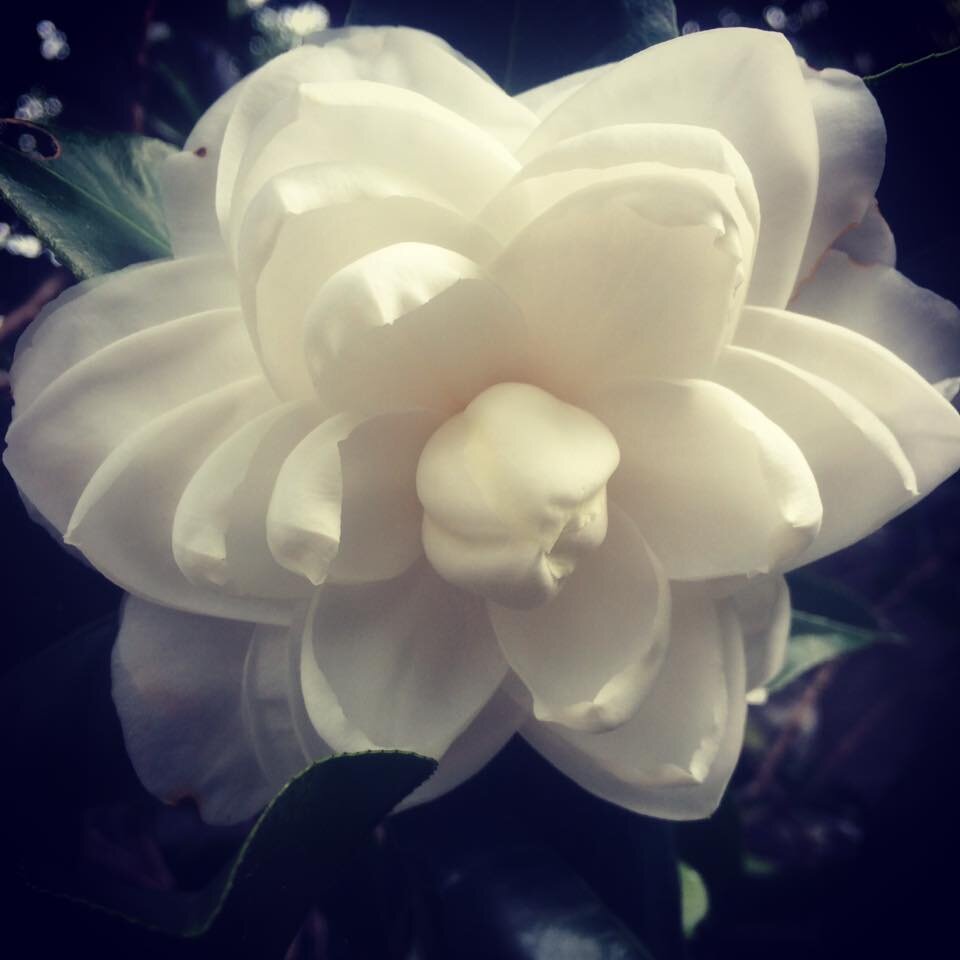
I get such joy in seeing the buds open to these so flawless and diverse flowers. I have found over ten different descriptions of Japonica flowers. The most common are single, double, peony and formal double. The shade of the flowers are just as diverse and can vary from red to pink to white and sometimes have multi-coloured stripes or specks. The flowers are not small either with many flowers being at least 15cm in diameter. What is even better is these plants flower in abundance and the flowers last for ages. A childhood memory is of water bowls all over our house filled with japonica flowers.
Camellia Japonicas have the darkest green glossiest foliage. The leaves are quite broad, thick and smooth making the plant look lush and dense. Japonicas will grow superbly in full shade or part shade. In climates where deciduous trees are popular japonicas are usually planted underneath so they are protected from the hot summer sun but are free to shine while they are in flower and the tree is naked.
Japonicas don’t mind if they are planted in the ground or in a pot. They don’t like wet feet though so make sure your soil is well drained and slightly acidic, around pH6. They are quite hardy once established. I find they do best if they are mulched well and are given a good fertilise about every three months with a slow release complete organic fertiliser like Organic Link. I also like to give my japonicas a granular dose of sulphate of potash around April/May to help promote flowers. During their flowering season I liquid Plant Care them on a regular basis to keep them healthy while in bloom.
About once a year usually around the end of August I add a little bit of Dolomite to the soil around my camellias. Camellias can be prone to calcium deficiency and I find adding a little bit of Dolomite helps with this. If I can’t add Dolomite (or I forget) I try to Liquid Bio Trace my Camellias at least twice a year.
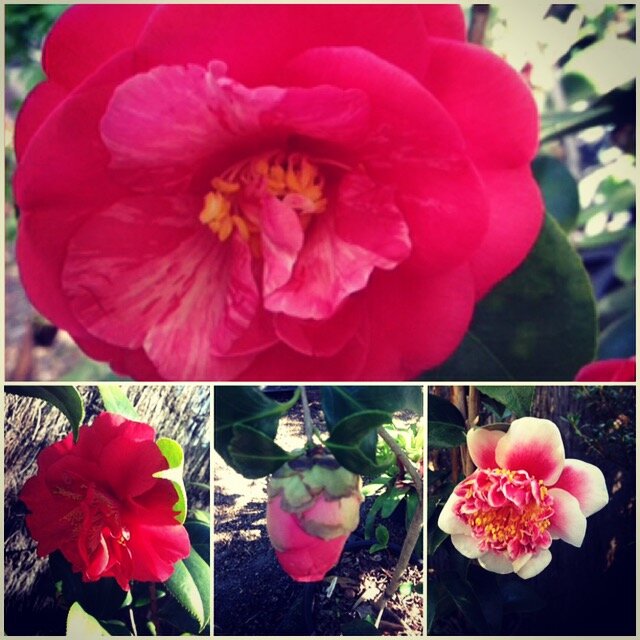
Camellia Japonica Flowers
Why doesn’t everyone have one of these glorious plants?
Over the years they have gotten a bad reputation because they are slow growing and some varieties can take years to flower or suffered Bud Drop.
Beautiful plants do not grow overnight and it is nice to have a plant that does not need constant trimming.
Bud Drop is the loss or decay of buds. This can be caused by over watering (we sometimes get wet winters), high temperatures (we sometimes have hotter than expected winters), pot bound roots and incorrect positioning.
Some Japonicas can take years to flower and some don't flower that well in our climate. I remember my mother waiting years for our 'Waterlilly' japonica to flower. It was well worth it but seriously!!! I have found in Ipswich's unpredictable winter climate the formal doubles struggle to flower spectacularly every year, the others flower very easily.
There are many japonicas that are perfectly suited to flower and grow in Ipswich. Don't ever forget that even one Camellia japonica in a pot on a veranda is the perfect way to give your dull winter life some TLC and bring some happiness back into your garden!

Summer Sun, Winter Shade
Discover a list of plants that thrive in spots with winter shade and hot afternoon sun in summer. From border plants to those exceeding 1m, find suitable options and care tips in this gardening guide.
Are you seeking plants that flourish in locations with limited sunlight during winter and intense afternoon sun in summer? Read on to explore a list of plant recommendations based on personal experience, along with practical care insights for these unique conditions..
Now there are a few plants that I can recommend that will only stay a metre but others I have to give honourable mentions too as they are very trimmable and usually look better when trimmed. Now this is not an exhaustive list. I am sure many people out there could add to it. It’s just ones I personally have successfully grown.
Border Plants and Groundcovers
Gardenia Radicans and Trachelospermum Tricolour shine as potential border choices. While the latter is typically used as a groundcover, its adaptability makes it an excellent loose box hedge candidate.
You could also consider the charming Kalanchoe and select varieties of Azaleas (the light series is an excellent choice). Grasses like Liriope and Dianella also offer a visually pleasing solution.
Reaching the 1m Mark
For spots requiring plants around the 1m mark, explore the elegance of Carissa 'Desert Star,' the compact Murraya Min-a-Min, and other dwarf forms of Murraya. Acmena Allyn Magic and Syzygium Little Denise also make the list, alongside the vibrant Coleus and enchanting Gardenia True Love.
Taller Options with Trimming Potential
While exceeding the 1m height, Camellia sasanqua, Magnolia figo (port wine magnolia), Magnolia Coco, and Brunfelsia latifolia (yesterday, today and tomorrow) can be judiciously trimmed to suit the available space. Syzygium 'Cascade' offers another option in this category.
Care Tips for Success
To ensure these plants thrive, adopt a few care practices. After winter, use a complete organic fertilisers like Organic Link coupled with liquid fertilizers like Plant Care to fortify the plants for upcoming heat. Optimal soil cultivation plays a pivotal role in fostering robust plant health while simultaneously mitigating plant stressors and reducing water needs. To this end, the incorporation of compost, utilization of soil wetting agents, and application of mulch (preferably organic like sugar cane) emerges as prudent practices.
During the transition from colder to warmer temperatures and the shift from shade to sun, swift changes in temperatures may lead to leaf burn on plants. However, this effect tends to diminish as plants progressively acclimate to new conditions.
This compilation of plants tested in conditions with no winter sun and intense summer afternoons offers an array of choices for your space. With proper care and understanding, you can cultivate a vibrant and resilient garden, transforming even challenging areas into thriving plant havens.

My Favourite Scentous Month
I find the best way to give my life some TLC especially during one of the coldest months of the year is to have a Rogiera amoena.

I love July. It has to be my favourite month. Not only is it my birthday month but my favourite plant is starting to flower. I first discovered this plant when I was a little girl climbing trees in my parent’s garden. At the time I thought that my mother and father had especially planted this tree for me so I had flowers on my birthday. I just could never work out why they planted it under my sister’s window and not mine! Even when I smell the flowers today I get transported back to their garden and a time of simple existence.
I find the best way to give my life some TLC especially during one of the coldest months of the year is to have a Rogiera amoena. Many of you would know it by it’s old botanical name Rondeletia amoena. Whether it be in the garden or a pot this plant is a must for all gardeners. Some may class it as old fashioned, for me it’s timeless!
Previously the genus name, Rondeletia, commemorates Guillaume Rondelet, a 16th century French naturalist. The species name, amoena, is from the Latin meaning 'lovely' and lovely it is.
Rogiera amoena is an evergreen shrub or small tree to around 3m tall. It has dense green foliage making the perfect tree for hedging or as a feature. Energex even thinks it’s a wonderful plant and recommends it for planting under power lines.
By July Rogiera amoena are just beginning to produce their clusters of deep pink buds which will slowly open to salmon-pink, perfumed flowers. They will flower from July until the end of spring. These deliciously scented flowers do not have an overpowering scent. If you are anything like me though you’ll want to sit all day in the garden and breathe in this divine scent.

Rogiera amoena’s are a versatile plant that can be grown in full sun or part shade. It is a very tough, drought-tolerant plant for any style of garden from tropical to formal. These plants are hardly bothered by pests or disease and they even attract butterflies!
Whether you have a green-thumb or slightly brown tinged one Rogiera amoena are for you.
A light prune after flowering and a seasonal fertilise with an organic slow release fertiliser, I use Organic Link, will promote a denser form and more beautiful plant.
This weekend spoil yourself and take a trip back to your childhood. Rogiera amoena are the best and easiest way to give yourself and garden some TLC during the cold month of July.

Kalanchoe
Nothing kick starts you like the vibrant shades of the Kalanchoe. These hardy plants are perfect for giving your garden some TLC during winter.

With the onset of winter, we all need a kick start to get out in the garden. Nothing kick starts you like the vibrant shades of the Kalanchoe and these hardy plants are perfect for giving your garden some TLC during winter.
Kalanchoes are one of the prettiest bushy succulents. They belong to the stonecrop (Crassulaceae) family, which is the same family as the Jade plant or money tree. Kalanchoes are the ultimate winter plant whether it is for your garden or pots.
These glorious plants flower from June through to September, sometimes even longer. Kalanchoe flowers are best described as masses of small bouquets of starry, four petalled flowers that develop at the end of a stalk. The vivid colour of the flowers - hot pink, bright yellow, brilliant orange and intense red make a dramatic statement during the bleak cold of winter. In the past, the flowers have only been available in single form, but in recent years, a double flowering Kalanchoe has been released and is available in all the vibrant colours, hot pink being my favourite.
Kalanchoes have a compact habit and their leaves are oval with scalloped edges. They usually have lush green foliage, but some varieties have grey leaves, which can actually add a lovely contrast to a dull spot in your garden, or brighten a boring pot.

Kalanchoes are a succulent that can grow anywhere and are extremely hardy. They don’t mind whether they are grown in full sun or shade, so are perfect for shady balconies or the western side of the house. They don’t mind if they are left inside while they are flowering or if they spend their life outside. They look magnificent mass planted in the garden, or as a specimen plant in a pot. They even look fantastic in a hanging basket.
Brown or green fingered, Kalanchoes are sure to survive at your house. These beauties don’t need much water and would much prefer to be dry than wet. A good watering once or twice a week is all that is needed to keep these plants looking beautiful. They don’t like to sit in water, so make sure that if planted in a pot, their saucer isn’t constantly full or if in the ground, it is a well-drained area. Try planting in a clay pot with Searles Platinum potting mix as sometimes roots in plastic pots tend to sweat during the warmer months, which can lead to an untimely death.
Kalanchoes will thrive if Organic Link is used every three months and Triple Boost is applied every two weeks. If by chance insects attack your kalanchoe, trim off the affected foliage and spray with Eco-Oil (organic pesticide) or Neem Oil. Don’t fret though, these plants are tough and should survive even if they are only attended to rarely.
Flowering kalanchoes brighten any cold bleary winter’s day, so give your life and garden some TLC this weekend by getting outside with your morning coffee and enjoying the colours of summer whilst wearing your Ugg boots!

Pretty Pots
Wonderful warm days, cool nights. I can not express how much I love autumn in the garden
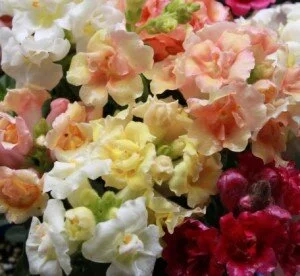
Snapdragon Double Mix
Wonderful warm days, cool nights. I can not express how much I love autumn.
This is usually the time I up end all my all drab/dead pots that lost their lust for life around the same time temperatures hit forty and I got caught up in the school routine.
I usually just throw the dead plants out and throw the soil from the pots if it’s old on the lawn as a quick top dressing.
I love grouping my terracotta pots. Before I even start to plant I work out which pots I want to use and usually have grouping of three or four all different sized and shaped terracotta pots. I also work out where I’m putting my pots and does that area get all day sun, some shade and sun or all day shade.
Next I get my potting mix. I always use, what is in my eyes, the best quality potting mix – Searles Platinum Potting Mix 30Lt. I find that if I give my plants the best possible start in life they are more likely to flourish with little input from me. I use Peat 80 for everything in pots whether its roses, vegetables, azaleas or flowering annuals

Pansy Mixed
Plants in pots do need a little bit more care and attention than plants in the ground. I try to give my pots a complete organic slow release fertiliser with Organic Link every three months and I alternate my liquid fertilisers fortnightly. I use Triple Boost and Silica and Potash. I am sometimes a bit forgetful with the liquid fertilising but I have realised that if I want my potted plants to stand out and look really amazing once a fortnight is best.
Next it’s time to choose the plants.
The best thing about this time of year is that I can start filling all my empty pots with winter flowering annuals like pansies, tall snap dragons, primula and violas! Plus all year round annuals like lobelia and asylum.
I’m not usually an annual person. It’s not that annuals are that much work, it’s just I’m too much of an impatient gardener to wait for the seedlings to grow into plants and flower! But I just love the cooler flowering annuals.
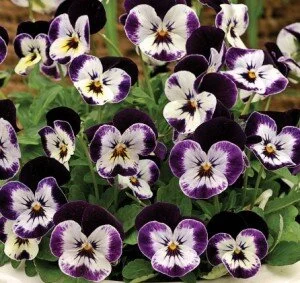
Viola Mixed
Some of you may be wondering what an annual is.
Annuals are a range of plants that usually flower and grow for one season, many do grow for longer. Winter flowering annuals such as pansies and violas will usually only grow in Ipswich during the cooler months by the time Christmas is here they have completely died off.
I may only get five months of winter annual joy but how could I not love the bright infusion of colour these wonderful plants can bring?
The best thing about winter annuals is that many of them are perfect for cut flowers. Snapdragons and stocks can last for a couple of weeks inside in a vase.
This weekend get outside, get dirty and breathe back some life into your old pots.

Aloe Aloe
Forget all you know about Aloes. Now imagine a beautiful structural plant with colourful flowers that make birds sing, bees buzz and nature do a happy dance.
About 12 months ago I was asked to visit an open garden featuring Aloes.
My first thoughts were “seriously, you want me to go and look at a garden full of aloe veras and succulents!” I found it very hard to go with an open mind.
The day arrived and quite simply my mind was blown.

As I walked down the drive, colour and flowers burst from every space. Birds sang, bees buzzed and nature did a happy dance.
A few times I had to shake my head and remind myself I was in an aloe garden not a beautiful cottage garden.
Forget all that you know about aloe. For me that wasn’t hard as all I knew was the ugly looking aloe vera.
Now imagine a beautiful structural plant. Imagine a plant that is able to withstand the harsh Australian climate by storing water and food within swollen leaves and roots. Imagine a plant whose flowers can last weeks as well as being bird attracting. Imagine a plant that is not only easy to grow but resistant to disease and pests.
Imagine the beautiful new range of aloes named Aloe-Aloe!
These amazing plants are native to South Africa so they are used to harsh climatic conditions. It was not just the hardiness of the aloe-aloes that intrigued me and left me wanting more. It was their huge display of flowers with their differing colours, red, white, yellow, pink and all the colours in between. I think the only colour I couldn’t find was blue!

Some plants and flowers were tiny, only reaching 20cm high. Others reached meters into the sky. Click here for a quick reference chart on flowering times and heights of Aloe-Aloes.
The versatility of this plant is excellent. On its own in a pot it makes a fantastic feature. Planted out in a garden or pot amongst other flowering shrubs it also looked great. The garden I saw was mainly aloe-aloes but there were other shrubs intermingled amongst it and the garden looked amazing. Depending on where I looked and the other plants used, some areas of the display garden looked like a cottage garden, others were tropical and lush and some formal. The Aloe-Aloes worked in all genres.
How could you not want a range of plants in your garden that can flower from February to November. Grow well in a full sun position but can handle a little shade. They would rather have dry feet than wet.
We used a good quality potting mix when planting ours and fertilized with Organic Link and Triple Boost.
I honestly think these amazing plants would suit any garden. I am a true converted lover of Aloe-Aloe. Next time I am asked to go look at an Aloe garden I’ll be jumping up and down and packing my camera.

Roses are Red
The rose has long been a source of fascination and meaningfulness for cultures around the world. I have never claimed to know the secrets of growing roses in a climate where for about six months of the year we have what feels like 100% humidity but here are a few of my tips.
The rose has long been a source of fascination and meaningfulness for cultures around the world.
Cleopatra was believed to have covered the floor of her palace room with roses before Mark Antony visited for in those times anything which was said "under the rose" was deemed to be a secret.
For many of us Queenslanders though how to keep roses looking amazing feels like a state secret.

I often stare in awe at the pictures in magazines of roses elsewhere in Australia. How dare they have the climatic conditions to grow these plants successfully?
I have never claimed to know the secrets of growing roses in a climate where for about six months of the year we have what feels like 100% humidity.
Many rose growers out there will probably have a small heart attack at my way of growing roses but that’s ok, my way is the right way for me and maybe if you’ve never had any success in the past it may become the right way for you.
The first thing I needed to realise was that my roses may never look like they do elsewhere. The humidity we suffer is the cause of most rose problems. No amount of sprays, fertilisers or correct planting techniques will change the problems humidity brings.
To combat most of the rose problems such as black spot, fungus, bud worm that occur during the warmer months I trim and fertilise.
I don’t spray.
During the really humid months most of my roses look like bare thorny sticks. I find removing all the affected leaves, trimming back the plant and then fertilising with a slow release complete organic fertiliser like Organic Link works fantastically.
I always trim my roses like I am cutting the flowers off for a long stemmed vase. I personally can’t stand long straggly bushes so I make sure all my roses get a good prune continuously throughout the year. I also find a good dose of granular Sulphate Potash at least twice a year, Winter and Summer, helps with fungal problems and boosts blooms.
After pruning you can use a product like Steriprune which is designed to protect wounds against infections and die back. Come the cooler months and my roses are thick and lush and full of flowers. The few leaves that do get black spot or mould just get pulled off and when the flowers die, I still trim the stem right back like I am cutting it for a long stemmed vase.
To keep roses healthy and insect free I try to regularly liquid fertilise them with Rose Triple Boost and neem oil, fortnightly is ideal (but not always possible). When black spot is rife I alternate between the Rose Triple Boost and Silica and Potash Liquid fertiliser (certified organic).
Another organic alternative for black spot and rust is eco-fungicide. Eco-fungicide is a registered organic fungicide for the control of powdery mildew, black spot and rust in many plants including tomatoes, zucchini, roses, grapevines and geraniums. It attacks existing fungal infections and kills external fungal growth within minutes. Eco-fungicide also leaves an invisible protective coating that prevents new spores from germinating.

This Rose quote is so true even when growing roses. You must put up with all the disease, insects etc but it is well worth it when they bloom
To control insects some people like to use a pyrethrum based spray or neem oil.
All my roses are in full sun in pots and in the ground. I use Searles Platinum Potting Mix for the pots and Searles' Garden Mix for the ground. I mulch with Sugarcane.
Roses do not have the prettiest bush and they can sometimes seem a bit fussy but the reward of the rose is well worth it all.
The Perfect Plant
The perfect plant is called Pieris Japonica 'Temple Bells'. This beautiful plant can be used as a feature plant in a pot or as a low hedge in a garden. It is versatile, easy to maintain and looks good all year whether it’s hot or frosty cold.
I can find the beauty in most plants but like everyone else I am always on the hunt for the perfect plant.
You know the one – grows in full sun or part shade, does not require me to fight with my twisted and kinked hose every day to water it, looks good even when I forget to fertilise, flowers most of the year, doesn’t have a scent so I can’t drive the neighbours batty and doesn’t require me to trim it to make it look good! Oh, and I forgot to mention only grows about a metre so it looks good in a garden or in a pot and it doesn’t mind the cold or the heat!
You are all laughing now because you think the perfect plant doesn’t exist. Well I think it does.
Are you ready for it?
The perfect plant is called Pieris Japonica 'Temple Bells'.
Now when you all go rushing out to your local nursery to get the perfect plant, you must make sure you ask for Pieris japonica 'Temple Bells' as I don’t know any other Pieris that grows as well in Ipswich.
This highly ornamental plant has extremely dark green lush foliage that forms a dense mound. In the warmer months its new growth is a brilliant red that fades to copper then green. Though it is slow growing it still forms a nice shrub in a year or two.
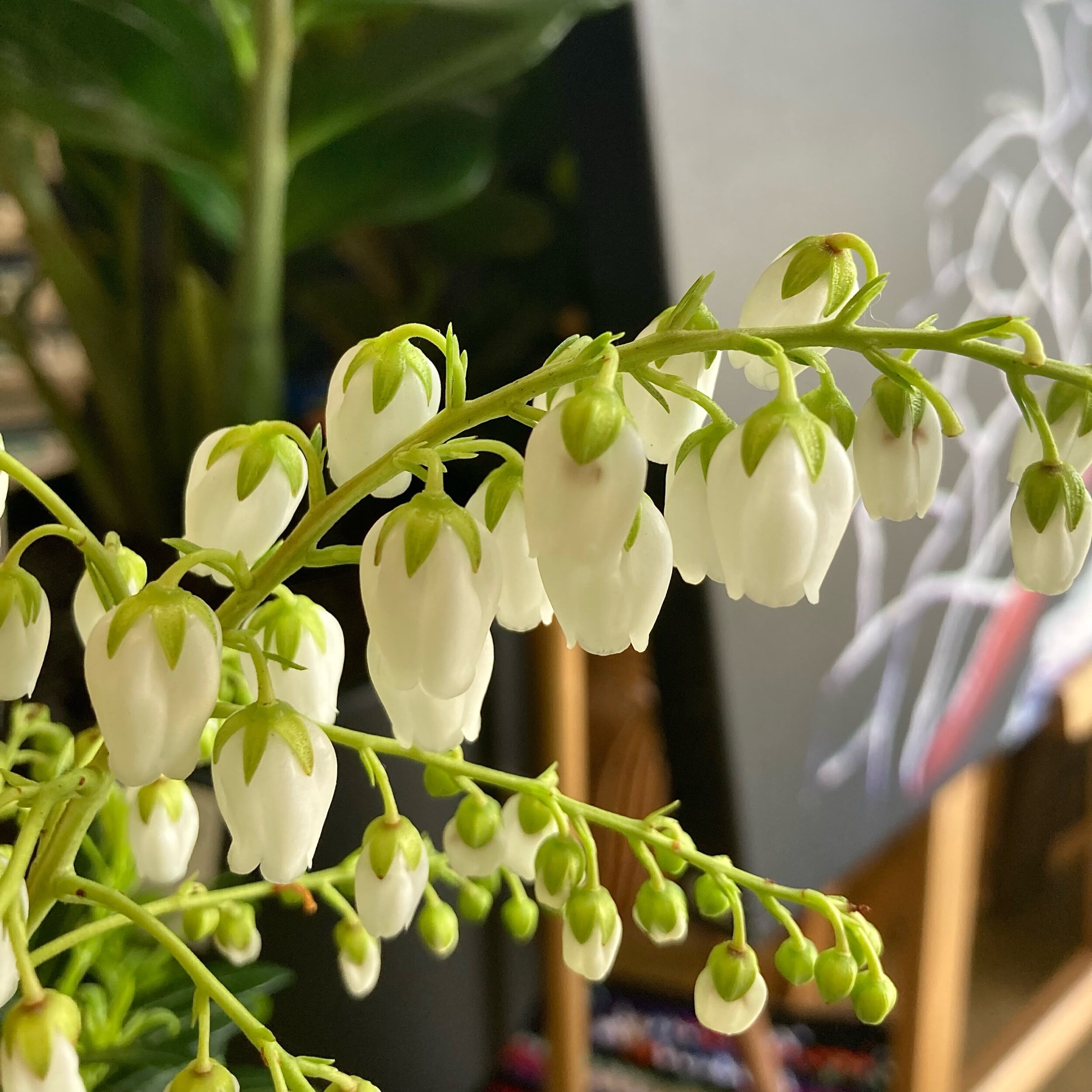
It’s the almost continuous flowering that makes this plant perfect. The flowers can start their show as early as March. The plant becomes covered with small lime green bell shaped buds that as the weather cools grow and open to form pure white bells that appear to be dripping off the plant. The flowers remind me of the lily of the valley flower. By the time the warmer weather kicks in, the white bells have dropped leaving the greenish ‘bell holders’ still on the bush for another month or so. It almost seems that the plant is in flower for more than half a year due to its three phase flowering process.
I have grown this plant in a pot in full sun for years now and it has always looked fabulous. It can thrive in some shade too. As Pieris Japonica 'Temple Bells' won’t win any medals for fastest growing plant but not the slowest growing plant either - you can expect it to reach around a metre in height.
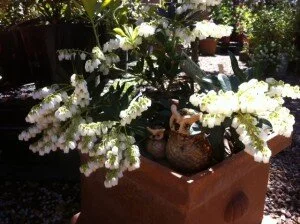
Pieris 'Temple Bells' in Bloom
This beautiful plant can be used as a feature plant in a pot or as a low hedge in a garden. It is versatile, easy to maintain and looks good all year whether it’s hot or frosty cold.
Always use excellent quality potting mix (I use Searles' Platinum Potting Mix) or garden soil (I use Searles' Garden Soil) and try to fertilise every season with a complete organic slow release fertiliser like Plant of Health's Organic Link.
Pieris japonica 'Temple Bells' really is the perfect plant. Give your garden some TLC this weekend and get a Pieris. It will reward you all year.