Find Us:
77 Fernvale Rd
Brassall QLD 4305
(07) 3201 8630
Open:
Tue-Sun 9am - 4pm

Time to Reconsider Coleus
Discover the beauty and resilience of Australia’s native Coleus and Plectranthus species. From the fragrant Plectranthus graveolens to the charming Cockatoo Bush, these tactile, aromatic plants bring depth, texture, and scent to any garden. Perfect for shaded, waterwise, and subtropical Australian landscapes.
Guest Post by Robert WilsonThe Case for Native Australian Species in Garden Design.
Love them or hate them, whether they are Coleus or Plectranthus, whether they feel nostalgic or a little bit "Granny garden", it’s time to take a fresh look at this diverse and under-appreciated genus.
Coleus has a broad distribution across Tropical and Sub-tropical regions of the world, but a special mention should be made for the charm, toughness, tactility and interest of our little native species (more on those later).
Let’s start with the familiar face: Coleus scutellarioides, the Painted Nettle. Spread throughout South East Asia and parts of Northern Australia, this is the garden variety we love (or don’t). It’s loud, it’s loveable(!) and when you look for it, it’s everywhere! Dayglo colours, wild leaf patterns, velvet textures, exotic leaf shapes. There is a cultivar to suit every palette. They are fun to collect, easy to propagate, accessible on any budget, and forgiving under most conditions. Garish or kitsch? Or A bold, herbaceous infill plant that emphasizes tropical plants with almost year round colour and interest! A winner in Brisbane, tolerates a range of conditions but for best colour, plant in dappled light and prevent flowering by dead-heading regularly. A minor few display good foliage colour in full sun (one of these is pictured). They can be standardized, pruned hard, plaited, heeled and generally forced into horticultural submission. For cheap, impactful, full, fast growing, tolerant, tough and vibrant bedding displays; get a hold of some “Painted Nettle” today!
I want to make a bigger case, one that speaks further to scent, texture, and mood in our gardens.
Australia’s native Coleus/Plectranthus species are not only beautiful: they’re powerfully sensory, and critically underused. Unlike their bright exotic cousins, native Coleus don’t shout. They enhance the pomp and circumstance of their big brothers and sisters in the garden. They support bold colour (or enhance earthen tones), radiate scent, and invite touch. They offer subtle leaf shapes, aromatic foliage, ease of maintenance, and floral displays that surprise in the dappled light. These aren’t feature plants; they’re the glue in a planting design. A skilfully selected and beautifully designed frame will enhance any artwork. They deserve far more love.
Let’s explore a few that bring scent, tone, and tactility into the spotlight:

Coleus argentatus (Silver Coleus)
This soft, silvery shrub shimmers in the shade. The foliage has a suede-like feel that begs to be touched, and its tall spikes of white, mauve, or soft blue flowers make it a beautiful alternative to lavender, especially in subtropical beds where lavender may fail. It’s cooling, calming, and quietly luminous. With its bright foliage and reliability in lower light conditions- perfect for brightening a shady or dull corner of the garden!

Coleus graveolens (Bush Basil)
A plant of surprising depth. Thick, textured leaves with a bright lime green tone and a strong, resinous aroma, somewhere between basil, mint, and native herbs. The foliage feels almost succulent under the fingers, while its purple-blue flowers rise up on soft stems. It brings density, texture, and fragrance to native garden designs. Large, intricately veined leaves provide the perfect foil to bold native wildflowers such as Grevillea or Hibiscus.

Plectranthus nitidus EN (Nightcap Plectranthus)
A small, endangered rainforest species that absolutely glows in low light. Glossy green leaves with maroon undersides and stems, a crisply toothed margin, and elegant leaf venation make it one of the most beautiful bedding plants for shady areas. Its flowers are like tiny chandeliers, twinkling purple and white across the understory. Want to see it? Gold Coast Regional Botanic Gardens has it planted in sweeps and mounds beneath rainforest trees; an absolute masterclass in subtle beauty.
Coleus bellus Rare (Coleus “Mount Carbine”)
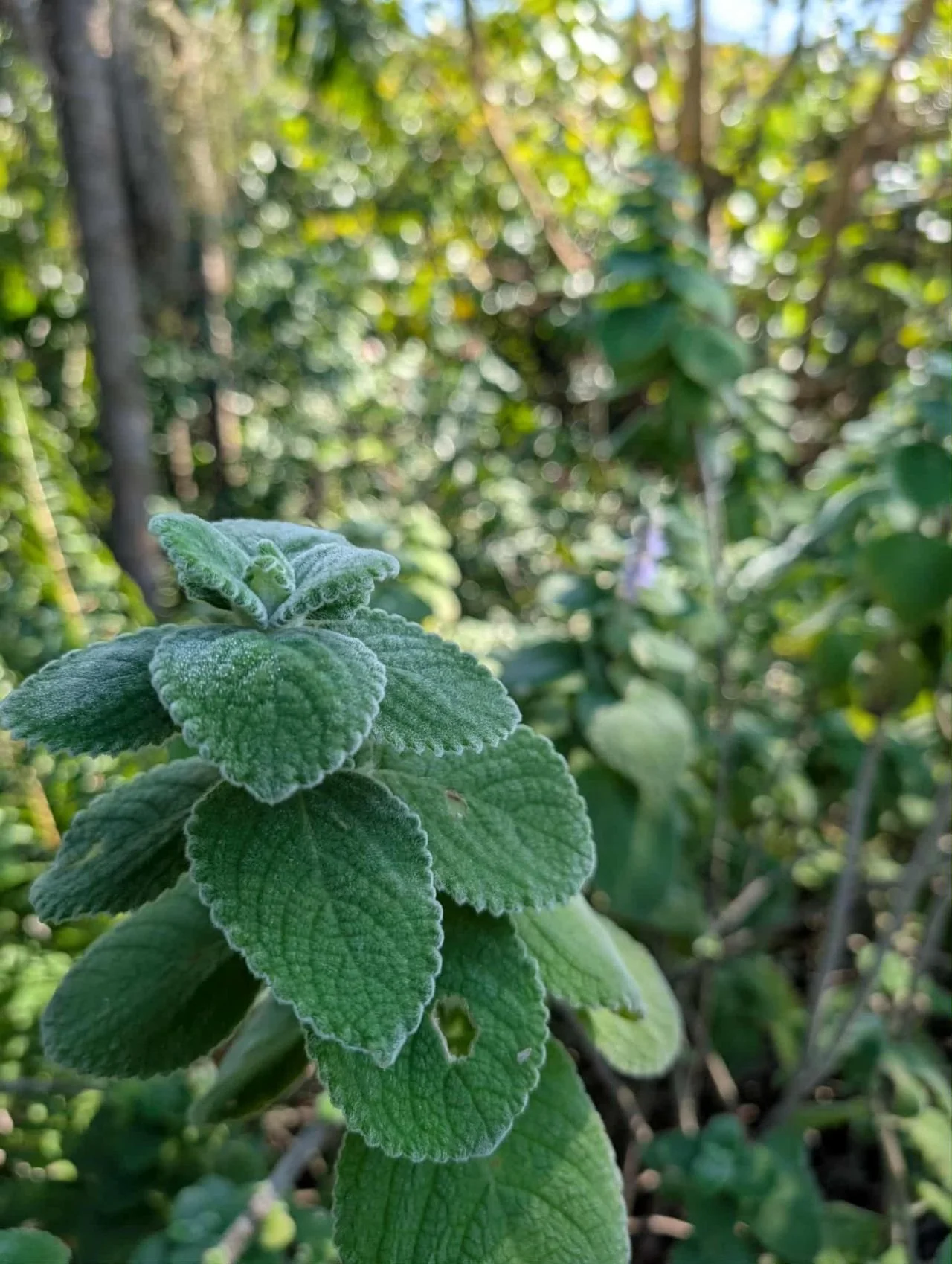
Tall, tactile, and bursting with lemon-sherbet scent. Its velvety leaves carry a rich citrus aroma that releases as you brush past. This is a plant for people who understand gardens as spaces to feel as well as look. It makes a fantastic sensory border, cut it back hard, enjoy the soft flushes of new growth, and let it do the work lambs ears can’t do in the tropics and sub-tropics. Or let it standardise for a quivering display of electric green texture in the back of a bed. While not a showy flowerer, C. bellus sports a delightful and reliable sky blue flower.

Coleus alloplectus EN (Slenderleaf Hullwort)
This is my favourite; tough, bronzed, and full of personality. Its new growth bursts in tones of gold, copper and bronze, it sets the stage for bold spikes of purple flowers. It thrives under pressure, responds beautifully to pruning, and pairs exquisitely with native garden design tones: olive, parchment, drab, stone, silver and dun. It’s a complementary gem with year-round interest.

Best Cut Flowers
Looking for a plant that flowers for months and makes the perfect winter gift? Cyclamen persicum is your go-to for cool-season colour and easy care.
I love the cooler weather. I know the days are still warm, but the nights have that glorious cool tinge and even better, all the plants I love to surround myself with are now in bloom, or coming into bloom.
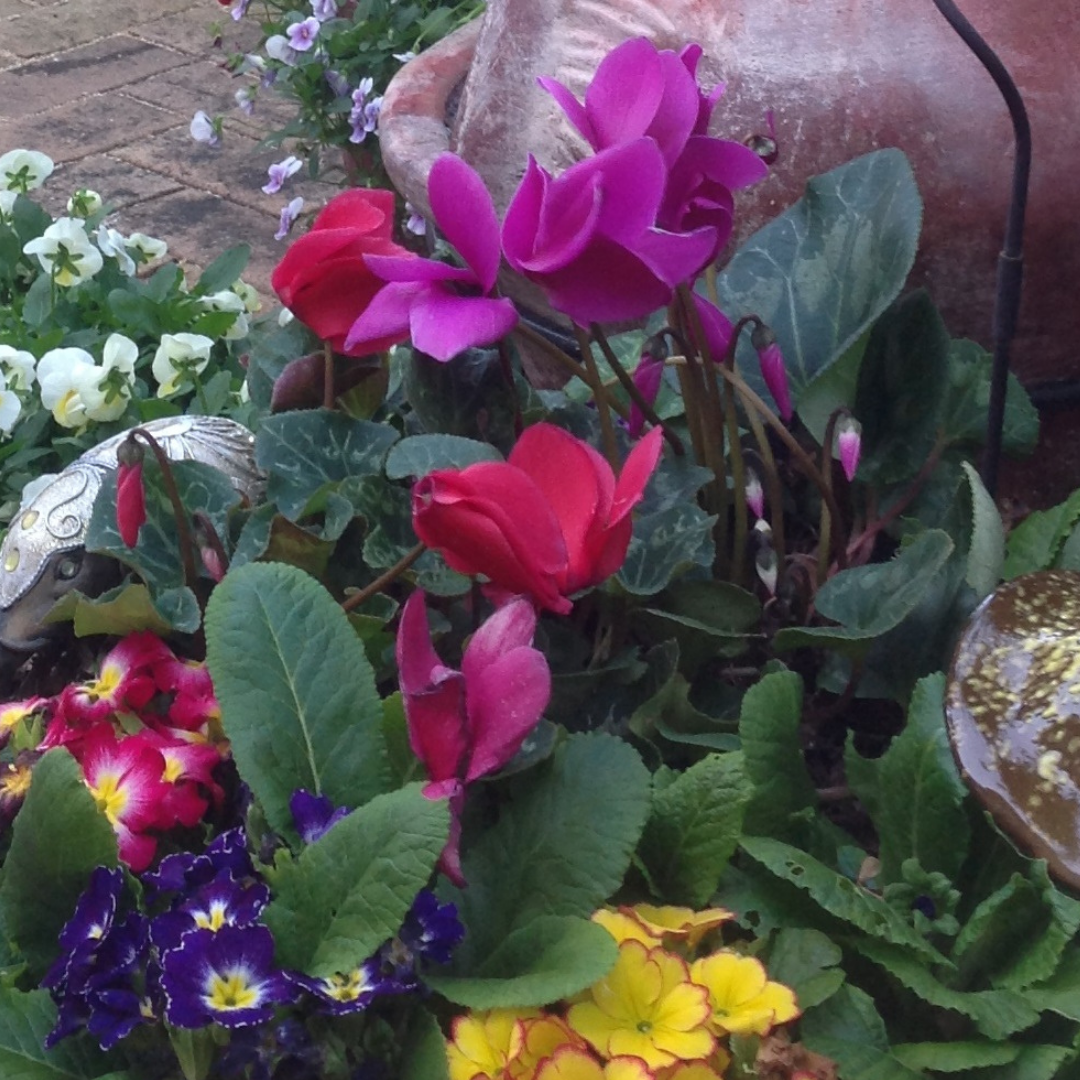
Cut Flowers that lasts for months inside or out!
I love gift giving at this time of year. I don’t do cut flowers, of course as I want my gifts to last a little longer, but I also know not everyone is a green thumb, so I also don’t want to cause any stress with my gift.
Which is why I always love giving Cyclamens.
Why Cyclamens?
Cyclamen persicum, native to the rocky slopes of the eastern Mediterranean, think Turkey, Syria, and Jordan is usually the Cycamen you will find at Trevallan. Despite their exotic origin, they’re remarkably well suited to life here in Ipswich during winter on patios or cool, bright indoor spaces.
They flower for months, from April right through to October, in a rich tapestry of colours, from snowy whites to rich reds, mauves, pinks, and bi-tones. This year a blue one was released for the first time. The foliage is also just as striking as the flowers — heart, kidney, or rounded leaves, patterned or marbled with silver.
A gift and a decoration in one.
Treat Them Cold, Keep Them Beautiful
Even though Cyclamens can grow well indoors, they love the cold. Cool air slows their respiration and preserves their blooms. I always say: cold mornings are their skincare routine!
At home, I water mine once a week, a good slow drench under a tap using icy cold water. Then, I pop them outside (in a shady spot) overnight. That cool, fresh air seems to give them a new lease on life. Indoors, they sit prettily in a bright room until it’s time for their next drink.
The trick is to let them dry out slightly between waterings. Cyclamens grow from a tuber, and those tubers are prone to rot if overwatered or if water collects in the crown. So always water the soil around the base, never directly into the middle of the plant. That centre is their weak spot.
Potting, Planters, and Fuss-Free Beauty
I prefer to keep mine in a decorative planter, not potted into a decorative pot with drainage. I simply place the Cyclamen, in its original black plastic pot, inside the planter. That way, I can take it out to water properly, let it drain, and then pop it back in. Just don’t let water sit in the base, soggy roots are sad roots.
Feeding Flowers, Not Foliage
Cyclamens are moderate feeders, and like many flowering plants, too much nitrogen means lots of leafy growth and very few flowers. To keep mine flowering and healthy, I feed fortnightly with Silica and Potash Liquid. This helps strengthen cell walls, increase flower production, and prolong bloom life. The result? Bloom after bloom, week after week.
Deadheading and Dormancy
Cyclamens don’t like being trimmed with scissors. To remove a tired flower or yellowing leaf, gently twist the stem at the base and pull it cleanly away from the tuber. This reduces the risk of rot or infection and helps the plant focus its energy on new growth.
Cyclamens grow from a tuber and tend to die down during our hot, humid summer. In our hot, humid climate, that’s perfectly normal. You can let the plant rest by placing the pot in a cool, dry, shady spot, reduce watering to almost nothing, and wait. If you’re lucky, it may re-sprout next autumn. If not? Well, you still got months of blooms for the price of a bunch of cut flowers and then some.
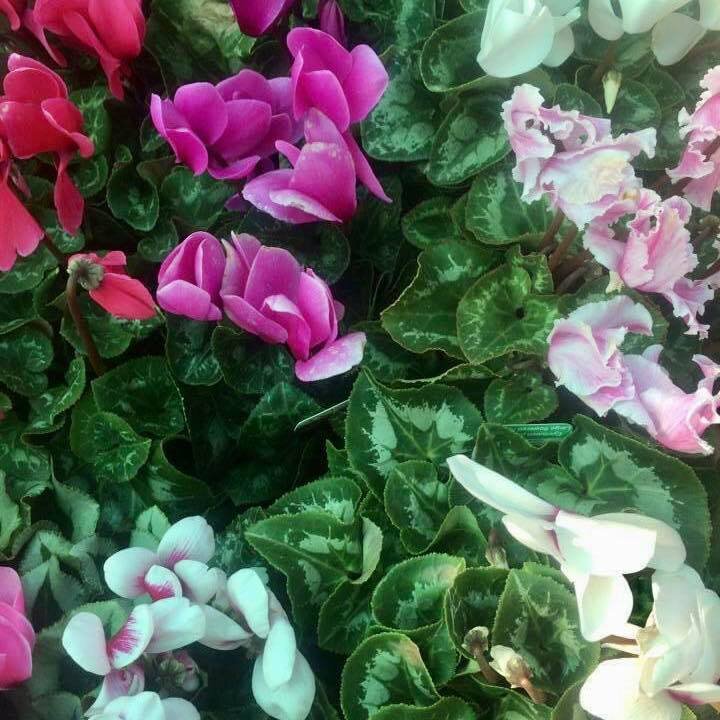
Cyclamen - best flower for indoors
A Cyclamen will warm your soul, even on the coldest morning. Whether you’re decorating your home, cheering up your work desk, or spreading a little love, don’t forget, a living gift like this blooms longer, lingers longer, and keeps on giving.

Planting Sweet Peas
Sweet Peas are a fragrant spring flowering annual, native to Italy. They have one of the most enchanting flowers, delicate and fragrant, perfect in garden or admired in a vase. Learn how to grow Sweet Peas in Ipswich.
Sweet pea flowers from The Mountain Man
Sweet Peas are a fragrant spring flowering annual, native to Italy. They have one of the most enchanting flowers, delicate and fragrant, perfect in garden or admired in a vase.
Tradition dictates that March 17th (St Patrick's day) is the time to plant Sweet pea seeds. Have you ever wondered why?
Planting PEA seeds on St Patrick's Day is an old American tradition. As you will need the 'luck of the Irish' to get plants to grow while there is still snow on the ground!!!
For us here in Australia, we still follow this tradition because lets be honest here in Ipswich we need the 'luck of the Irish' to get sweet peas flowering and looking good. Normally, March is still too warm to start our winter gardens here in SE QLD.
Instead I use time as a reminder to prepare my soil.
Noel Burdette used to live here in the Ipswich region. Years ago he offered me this great advice about preparing the soil for Sweet Peas. This information is for sweet peas but can be applied to any peas.
Noel's Sweet Pea Advice
Sweet peas like a full sun position in the garden with plenty of airflow to minimise any fungal concerns.
They also enjoy a slightly higher level of pH in the soil, somewhere between 7.5 - 8.5. You can adjust your pH by applying a generous amount of Dolomite (provide much needed Magnesium) or a light dusting of Lime (as the calcium content is important).
They love well composted soil. We use Searles Compost but a little well aged sheep, cow or chicken manure worked into the soil would also help to encourage good drainage, yet adequate moisture retention.
Usually around mid April is a good time to plant out your seeds or the first quarter moon after St Patricks Day. Noel recommends to soak them overnight in a little water with a small amount of Condi's crystals (usually get this at a chemist) as this will encourage a higher percentage of germination.
After planting the seeds in the ground, water them in once and don't water again until they are "up and out "of the ground.
Pinch out any lateral growth in the early stages as what you're looking for are strong, upright plants that will then branch out as they get older and provide long lasting, fragrant blooms from late winter and into spring.
Fertilise your Sweet Peas with Organic Link when first growth appears and then alternating fortnightly between Triple Boost and Silica and Potash Liquid fertiliser.
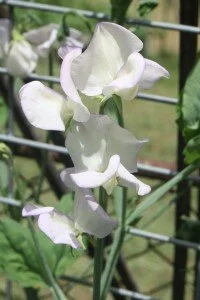
Sweet Pea Fragrant spring flowering annual, used as cut flower, native to Italy
All sweet peas are climbing. Some are dwarf climbers (only grow to about 50cm) and others can grow to over 2m.
With all types of sweet peas, ensure they have somewhere to stretch their tendrils (fences or tepees) or maybe try them in a hanging basket and let the tendrils hang down.
Trevallan stocks Eden Seeds (non-hybrid open pollinated old fashioned seeds) Sweet Peas and Pohlmans Sweet Pea Seedlings. This year we have two choices in the seeds and the seedlings. The seedlings aren't usually available until April.
Bijou, Dwarf (seeds and seedlings)
Early Gigantea, mixed colours to 3m high, early flowering (seedlings only)
Spencer Choice Mix, The classic English sweetpea, 1902 release developed from Earl of Spencer's garden, climbing (seeds only)
Come into Trevallan and we can help you on your Pea Journey. Good Luck.

Parsley
One fragrant herb I am really fond of using in the garden is parsley. t's dark green, lush, exceptionally hardy. Can handle full sun or part shade. Can handle wind and a dry out once established. It prefers nice fertile soil but will grow basically anywhere as long as you give it a good start. Plus you can eat it and if one dies in your border it's easy to replace.

Curly leaf parsley (Petroselinum crispum)
One fragrant herb I am really fond of using in the garden is parsley.
Parsley I believe is an under used bedding plant. Here we have this amazing herb that can be added to any dish and it smells just so refreshing when the wind blows through it yet we only ever put one plant in our gardens.
I honestly think parsley should be used as a border plant in a garden. It's dark green, lush, exceptionally hardy. Can handle full sun or part shade. Can handle wind and a dry out once established. It prefers nice fertile soil but will grow basically anywhere as long as you give it a good start. Plus you can eat it and if one dies in your border it's easy to replace.
I think it's highly underused as a herb for our herb gardens!
If you pick the leaves regularly it promotes more growth. You should really pick from the outside in.

Italian or flat leaf parsley (Petroselinum crispum neapolitanum)
If you've had trouble growing parsley in past it could be because you aren't a witch, superstition says only witches could grow parsley and it was best just to steal it from their yard when you needed it. Usually before a night out on the town with friends as it was believed to reduce the effects of alcohol!
Parsley is a great companion plant and will aid the growth of many plants including tomato, beans, onions and asparagus. I read growing parsley under roses enhances their fragrance!
If you want to attract butterflies, parsley is a favourite of the swallowtail butterfly caterpillars. If you let your parsley flower and go to seed, parsley will attract hoverflies to your garden. With some species of hoverflies, the larvae are known to eat aphids, thrips and other destructive insects. Parsley is also believed to repel harmful beetles.

Flower on Italian or flat leaf parsley (Petroselinum crispum neapolitanum)
This plant is already looking like the best scented plant. Easy to grow, attracts beneficial insects, makes roses smell better, stops the effects of alcohol.... winning! Best of all though is we can eat it and it makes food taste amazing. I think parsley can be paired with any dish and it will enhance the flavour.
Now there are two types of parsley and I think both are brilliant. So you can use either one for your lush tropical scented border plant.
Curly leaf parsley (Petroselinum crispum) with ruffled leaves and Italian or flat leaf parsley (Petroselinum crispum neapolitanum) with flat leaves. In general people believe that flat-leaf parsley has a more robust flavour and that curly-leaf parsley tastes more bitter. I honestly think it depends on the particular plant, its growing conditions, and age.
So it doesn't matter which parsley you choose and it doesn't matter if you grow it for the leaves, the flowers, the scent or the taste. It has so many uses in our gardens and our culinary kitchens I think it's a necessary plant for our scented gardens.

Fennel
Fennel (Foeniculum vulgare) is actually part of the carrot family. It has yellow flowers and light green feathery foliage (just like a carrot). The whole plant can be eaten. It is native to The Mediterranean but it grows easily all over the world.
You know what I love roasted?
Fennel bulbs... oh my goodness yum.
So I thought today since I'm feeling a bit peckish, I'd talk about this Amazing Herb. After a bit of research I found out it has a varied history before it got to my roasting pan.

Positive Vibes Essential Oil Blend contains Fennel essential Oil
Did you know the medicinal properties of this herb were well used as far back as the ancient Greeks. They used to chew the seed to help them control their weight during training for the Olympics. It was also believed that it conveyed longevity and gave a person strength and courage.
Romans ate the seeds on long marches when they did not have time to stop and cook and devout Christian's would chew the seeds to satisfy hunger cravings during fast.
Then in the Middle Ages fennel was associated with witchcraft. It was hung inside houses and churches to protect people from evil!
Fennel seems to be used for a lot in traditional medicine from coughs to constipation to kidney stones.
Fennel essential oil is wonderful when you feel attacked or uncertain. It helps you stand your ground and speak your truth with calm assurance. It encourages honest communication and brings lightness to situations that feel heavy. Beyond this, fennel’s sweetness reminds us to finish what we’ve started and to release anything that keeps us from moving forward. It’s an oil of completion and quiet focus, helping us stay dedicated to our goals and approach them with clarity and confidence. When you wear fennel oil, it supports your inner strength and allows you to move through endings and new beginnings with grace.

Fennel Flower
Plus fennel is an amazing Beneficial insect attractor. Jerry Coleby-Williams writes that fennel flowers "acting as nurseries for aphid-eating hoverfly and ladybird larvae. That's handy since aphids also find them attractive."
Seems like such an amazing herb so let's find out how we can all grow it!
Fennel (Foeniculum vulgare) is actually part of the carrot family. It has yellow flowers and light green feathery foliage (just like a carrot). The whole plant can be eaten.
It is native to The Mediterranean but it grows easily all over the world.
Fennel loves the full sun and doesn't require much water once established. The original fennel can grow quite tall so it's best as mid bedding in your garden. I love letting my fennel go to seed and collecting some seeds but letting the rest self seed through out the garden. I love seeing the feathery leaves blowing in the breeze.
For something really classy there is the bronze fennel which grows to only about 40cm and has an amazing shimmery bronze foliage. Now this plant should be used in more ornamental gardens as a feature plant. Bronze foliage isn't common and looks stunning against a green backdrop.
Florence fennel, the one with the bulb that I love roasted, is named Foeniculum vulgare Azoricum Group. It is a cultivar group (fancy horticultural term that helps distinguish a group of plants with similar characteristics) with an inflated leaf base which form my yummy bulbs.
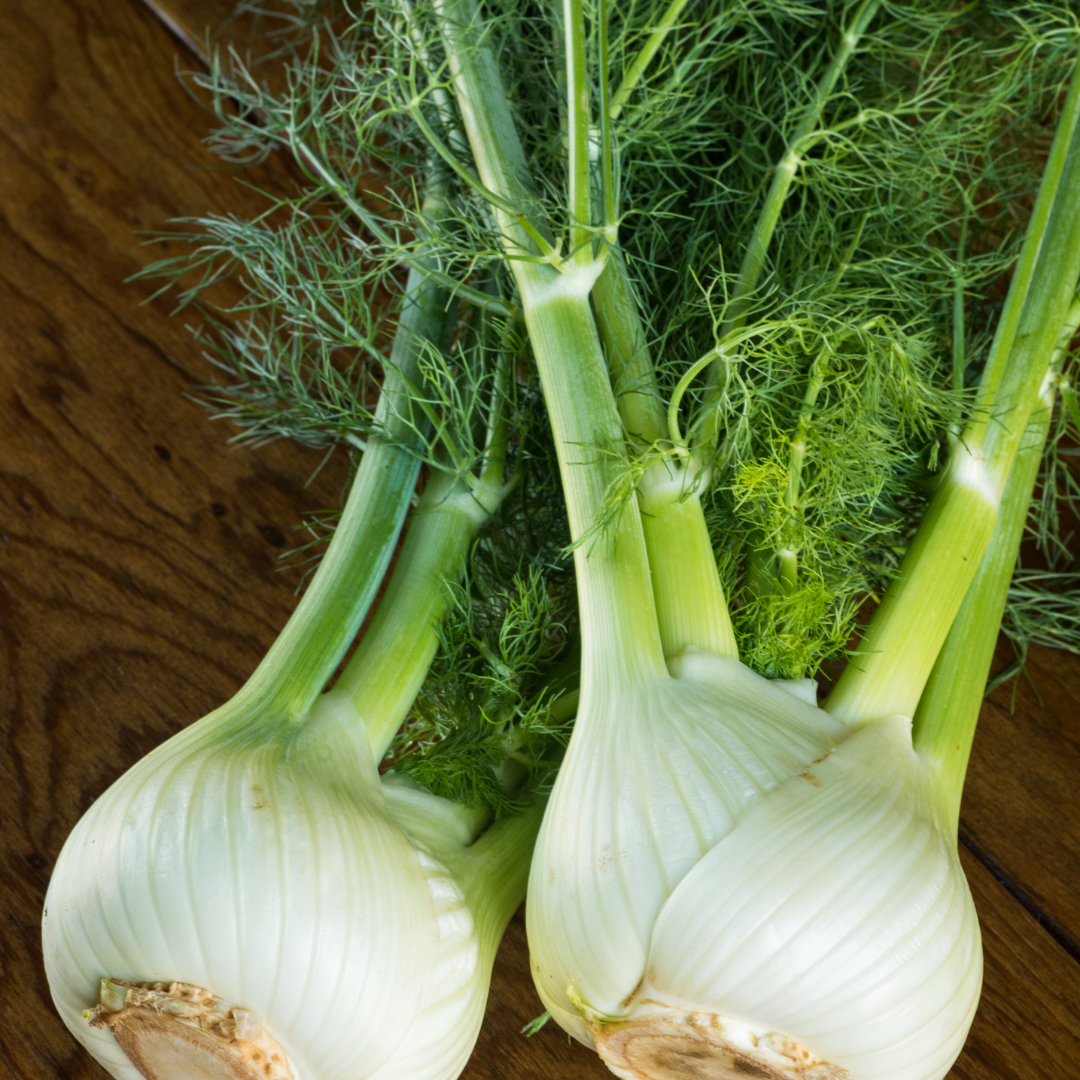
Foeniculum vulgare Azoricum Group
While I do fertilise mine with Organic link when I plant them I find they are extremely hardy and because I let mine self seed through the garden they come up of their own accord when they are ready and this makes them strong and healthy. After reading Jerry's post I believe you can keep cutting and letting the fennel Florence grow.
I love how this whole plant has a scent from the seeds to the leaves and the bulb. I think the best description is a light aniseed scent. When we have it at Trevallan I just love running my fingers through the foliage and the scent is released into the air and my hands come back smelling like lollies.
Can you imagine this plant near a window and on a hot windy day, the scent of aniseed would be just permeating through the house .... ohhhh yummy!
I love how scented plants have so many uses.
Get some fennel today, you will thank me!

Stephanotis floribunda
Want a plant that is classy, lush green, tropical looking and has a heavenly scent. Stephanotis floribunda is the plant for you.
Want a plant that is classy, lush green, tropical looking and has a heavenly scent.
Stephanotis floribunda is the plant for you.
For what ever reason this beautiful climber isn’t widely grown anymore. This makes it even more special as not everyone has one.
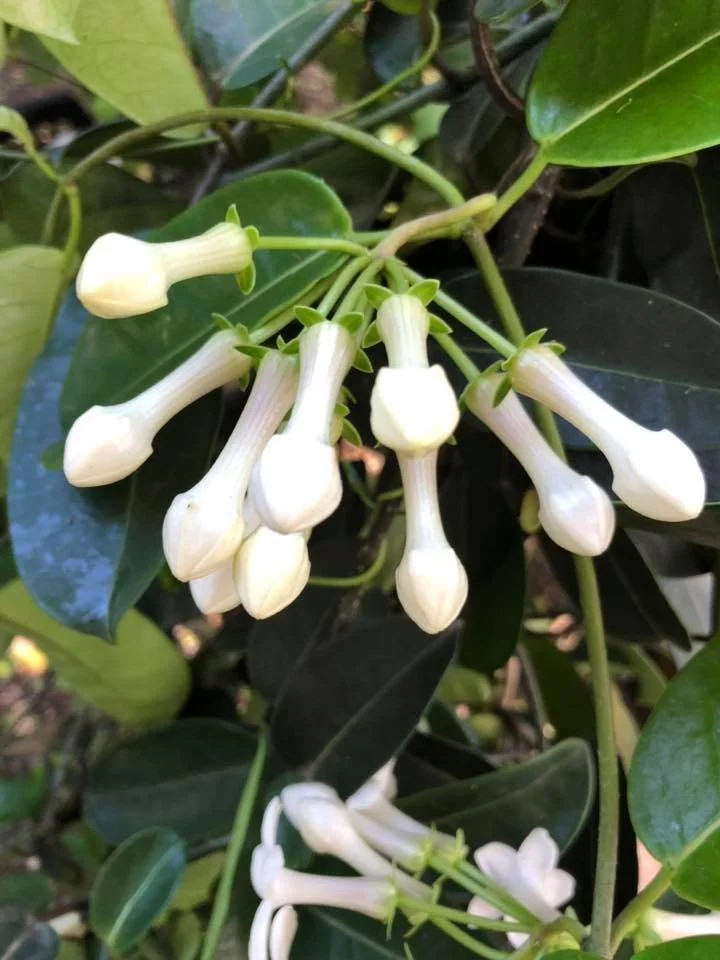
Stephanotis, or Madagascan jasmine has the most wonderful bunches of large starry white blooms and an absolutely delicious perfume. Mine just has one bunch of flowers open and I can catch that whiff of something special as I walk past. I can’t wait till all the bunches are open.
For years I’ve seen it used in floral bouquets especially for wedding parties, years ago it used to be called the Wedding Flower!
This luscious plant is a vigorous climber that's native to parts of Africa, Madagascar and Asia.
Stephanotis can be grown throughout most of Queensland, although the plant doesn't thrive in the cold and is frost tender. I have seen very old large ones in colder climates. I think they must of been protected while they were young.
It likes a warm, sunny position and can be grown either in pots or against a warm wall, which will retain the heat. It likes a rich, well drained soil and can grow up to 5 metres high, so it needs support with a trellis. But remember full sun can sometimes burn the flowers, so try giving it a little shade.
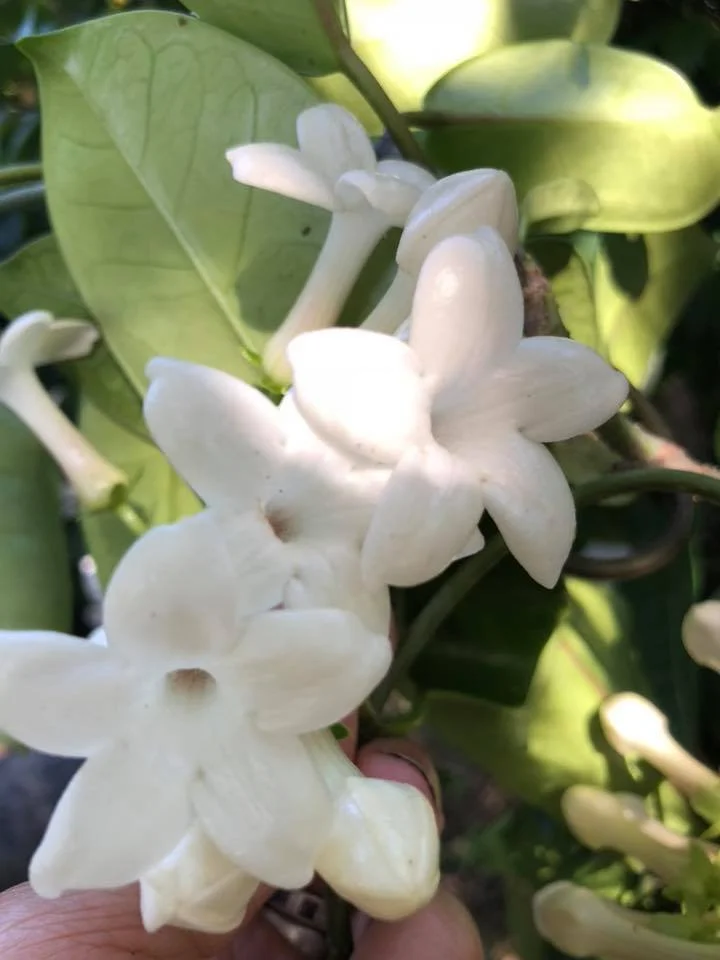
Stephanotis, when fully grown, is a great plant for covering large spaces, and is also useful for screening unsightly areas. Think of a star jasmine but with bigger leaves in its growth.
The dark green leathery leaves are very handsome even when they don't have any flowers. Stephanotis is great for adding a sense of presence and scent to the garden.
If you need to have a climber try Stephanotis and be that little bit different. Not everyone has one and I think you’ll enjoy the scent even more knowing you have an uncommon classy plant.

Clove Tree
Clove trees botanical name is Syzygium aromaticum. Clove are native to the Maluku Islands in Indonesia, but they have naturalised in many warm countries including Mexico, Kenya and Sri Lanka. Did you know that clove comes from the Latin word 'clavus', which means nail because cloves look like little nails! It has been in cultivation since 200BC!
Clove
It's a scent that goes hand in hand with Christmas.
Who remembers as a kid making oranges stuffed with cloves as decorations?
I'm not a huge fan of the smell of clove by itself but it does pack a huge punch in cooking and in energetics of essential oils. It also can slowly but surely kill mould spores.
There are many recipes out there for clove and mould removal, I like 1/4 teaspoon of clove bud essential oil (Syzygium aromaticum) to 1 litre of water. Shake and spray on affected surface. It can take numerous sprays before all the spores are killed.

Syzygium aromaticum and clove drying process
Clove trees botanical name is Syzygium aromaticum. In the past it's gone under a few different botanical names like Eugenia caryophyllata. Botanical names can change due to many factors the first reason is research. New scientific insights about relationships sometimes lead to changes in classification of plant groups.
Clove trees being a Syzgium are related to our native Lilly Pillys. Clove are native to the Maluku Islands in Indonesia, but they have naturalised in many warm countries including Mexico, Kenya and Sri Lanka.
Did you know that clove comes from the Latin word 'clavus', which means nail because cloves look like little nails! It has been in cultivation since 200BC! I love history information like this.
Clove trees are evergreens that grow to around 15m tall. They have smooth grey bark and long leaves that look like bay leaves. The flower buds initially have a pale hue, gradually turn green, then transition to a bright red when ready for harvest. Cloves are like the outside of the flower. The entire plant is fragrant and aromatic.
Clove trees grow best in a hot and wet conditions. So they usually aren't available in the Ipswich region. They can be grown up north. If you were able to acquire a clove tree it would need a ready supply of water and protection from the cold when young.
Cloves have a long history in food and many cultures have made it a yummy addition to many national dishes. It has also been used to flavour cigarettes and potpourri.
Cloves have also been used in tradional Chinese medicine and Indian Ayurvedic medicine for centuries.
Aromatherapists have used clove to help open our hearts to the beauty of possibilities. It helps us release emotional clutter that is controlling our lives. It helps us release the ties and attachments to material things and ideals about how our lives should be lived. It gives us an inner strength to move forward when we know we need to change.
Now is a great time is a great time to reflect and clean out the clutter that is holding us here - emotionally and physically.
I hope we can all be open to change and start to find simple pleasures in life and release the need to control things!!

African Blue Basil
This is new plant to me but I am falling in love with all its qualities - African blue basil (Ocimum kilimandscharicum x basilicum 'Dark Opal')

This was my original plant. Two years later, this plant is two metres wide and about a metre high. I think it’s one of my favourite plants.
The story goes that in 1983, owner of the Ohio owner of Campanion Plants, noticed a basil plant growing in the pathway between two other basil plants - green-leaved East African basil (Ocimum kilimandscharicum) and 'Dark Opal' basil.
The Ocimum kilimandscharicum is a large growing Perennial basil, with a beautiful camphor scent perfect for pesto making. This basil comes from the forests of Kenya, Tanzania and Uganda which means it can handle some shade.
Dark Opal is know for its compact growth and dark rich purple growth. This is also known to make an amazing red pesto.
The really amazing thing about the African blue basil is that it doesn't produce seed. That's right you can only produce it via cutting.
The African Blue Basil has taken on the prettiest qualities of its parents without the failings. It grows to about 1.5m and has lush bluish green leaves with purple lines through the centre. The new growth has a slightly darker twist. The flowers are the prettiest mauve colour.
African Blue Basil grows very similar to a normal basil. Plant in fertile soil in garden or a pot. It can grow in semi shade or full sun. Give it a nice trim to enable it to grow thick and busy. Fertilise regularly with a complete liquid fertiliser, like Triple Boost and about every three months with a complete organic fertiliser, like Organic Link.
This basil is perennial so it will continuously flower but it doesn't go lanky and to seed like normal sweet basil. This beautiful plant can be used as edible ornamental as it never dies down like normal basil can. It can be killed off by heavy frosts so please put it in a protected spot.
The flowers, leaves and young stems are edible. I've read that some people find the flavour a bit too camphory, but I find it has a rich, mellow flavour. I have been told it makes the best pesto as not only does it taste great but it holds its beautiful green colour and does not go brown like crushed sweet basil can in pesto.
Now we all know I love food so anything scented and edible to a perfect addition in my garden.
Now to find someone to make me that pesto!!

Patchouli
Patchouli is a bushy herb with dark green leaves and small, slightly fragrant pale pink-white flowers. It can get to around 1m in height. It loves a warm part sunny position and dislikes cold winters (protect from frost).

Patchouli growing in my friends garden
Scented plant that has no scent....
What the, she's gone crazy!
Pogostemon cablin or Patchouli as we know it.
Patchouli is a bushy herb with dark green leaves and small, slightly fragrant pale pink-white flowers. It can get to around 1m in height. It loves a warm part sunny position and dislikes cold winters (protect from frost).
While it's flowers do have a slight scent it's the dried leaves that are the most potent. The fresh leaves have no real scent.
My history lesson has always been that dried patchouli leaves were put into the fabric to deter moths... It was so used widely by India’s fabric manufacturers in the 19th century to protect their products from damage while in transit, that it became the signature scent of clothing and fabric exported from India. This unknown scent was believed to have captivated many European women and then became a guarantee of authenticity. For so many the source of the exotic fragrance was a mystery, so fraudulent fabrics were easy to spot because they didn’t have the signature patchouli scent. Now days this scent is associated with the hippie movement of the 60's as it's an ingredient in many incense that became popular in that time.
Did you know that patchouli was also an ingredient in coke and according to Wikipedia In 1985 Mattel used patchouli oil in the plastic used to produce the action figure Stinkor in the Masters of the Universe line of toys!
Patchouli is one of the most common essential oils of today. It is a strong, slightly sweet, intoxicating scent. It described as having a dark, musky-earthy aroma. It is one of my favourite essential oils. Robbi Zeck writes that patchouli "....awakens within the soul, a deep yearning for the comforting presence of peace, bringing spiritual insights to all realms. Patchouli's slow peacefulness brings about a state of mind and wholehearted feeling where unification occurs with the soul on all levels. When the fragments of your spirit have been scattered far and wide, call the peacemaker of your soul to you." How beautiful is this explanation of what a scent can do to your psyche.

Harvested Patchouli, ready for drying
I have a lovely friend who lives in Ipswich that grows amazing patchouli plants. So big she can easily harvest a large amount of leaves each year to dry and hang in her cupboards.
Patchouli grows well in pots or the garden. It does love to be fed. I sprinkle Organic Link every three months over the soil and I liquid feed every fortnight with Triple Boost. Patchouli do not like wet feet, so try not to over water it and if you have clay soil you may be better growing your patchouli in a pot.
Patchouli flowers in summer. If you want to harvest the leaves it is best to do it on a dry morning before the plant comes into bloom.
Maybe it's time we all relived the ☮️ of the 60's and full our homes with this delightful scent.

Scented Magnolias
No fragrant garden is complete without the popular Port wine Magnolia, Magnolia figo, and it’s sister Magnolia Coco.

Port wine Magnolia, Magnolia figo
No fragrant garden is complete without the popular Port wine Magnolia, Magnolia figo, and it’s sister Magnolia Coco.
Coco is more like another version of Magnolia figo (hybrid) .... not better just different.
Coco has extremely scented creamy flowers edged in burgundy. It flowers late winter into spring and spot flowers during summer. Magnolia figo has smaller flowers and are a deep purple wine colour. Both flowers form up the stems of the tree and are extremely prolific.
Both are highly scented but I find Coco's scent is a lot stronger than figo. Magnolia figo’s scent seems to waft through the air early evening and night where as Coco has a definite strong scent all day and evening. Beneficial insects also love the flowers, maybe even more than me!

Magnolia Coco
Both have glossy green leaves but I find Coco has a slightly looser habit and grows slightly wider and taller (around 3-4m). Magnolia figo can grow to about 2-3m and has a tighter denser foliage. I think Magnolia figo is more suited to hedging and Coco is suited to an amazing as a stand alone shrub.
They will grow in full sun to full shade but they are a lot slower in the shade. They like a slightly acidic soil and I find they perform better if they are regularly fertilised with Organic Link and tip pruned.
I have seen them growing in large pots but they need a lot more fertilising and care.
They are dry tolerant once established and don't mind the cold. If it gets really cold where you are they may be slower growing.
Note
Michelia is a genus of flowering plants belonging to the Magnolia family. Recently the michelia was dropped and replaced by magnolia.
Port wine magnolias botanical name is now Magnolia figo and Michelia coco is now called Magnolia Coco.

Lemon Balm
Melissa is the Greek word for "honey-bee." It was traditionally used by the ancient bee keepers. They used to rub the crushed leaves on the beehives to encourage the domesticated bees to return to their hives. They also believed that the lemon balm would also bring new bees to the hive.
The most amazing thing happened to me yesterday. I was admiring our beautiful Lemon Balm (Melissa officinalis) and I gently agitated the foliage. The scent that was released was so delicious and soft but with such a strong bite I just had to do it again.
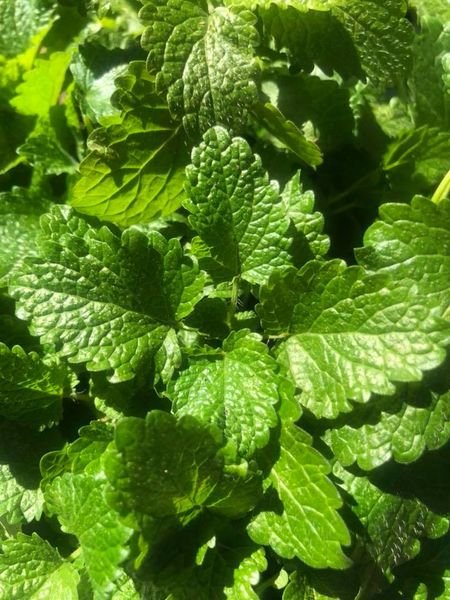
As I leant my hand down to swish the foliage I saw about six European bees and a number of native bees swarming the foliage looking for nectar.
It was like the scent of just the foliage alone (no flowers) sent out a calling card to all the nearby bees.
Here’s where the story gets even cooler.
Melissa is the Greek word for "honey-bee." It was traditionally used by the ancient bee keepers. They used to rub the crushed leaves on the beehives to encourage the domesticated bees to return to their hives. They also believed that the lemon balm would also bring new bees to the hive.
How cool is that.
I love how random bits of information make sense.
Melissa naturally occurs throughout Europe to central Asia. It is widely cultivated today for its essential oil, practical herbal uses and as a great bedding plant.

Lemon Balm is a lemon-scented perennial with a 4-angled stem and ovate, toothed dark green leaves. It likes to grow in moist soil in the sun or partial shade. It provides a nice thick ground cover. It can grow well in a pot (we have ours growing in an old saucepan), hanging baskets or the garden.
After flowering it is recommended to prune back to produce a fresh crop of leaves.
There are so many uses for lemon balm and I think I am going to have to see if I can get this plant growing at home.
Dried leaves can be added to potpourri and herb pillows.
You can use it in cooking – soups, salads, flavoured oils, sauces.
You can use it to make a tea to help with nervous disorders, indigestion associated with nervous tension, depression, anxiety, gout.
It can also be rubbed fresh onto the skin as an insect repellent and to soothe insect bites.
Lemon Balm essential oil is one of my favourite oils and is also very precious and very expensive. So I have to be careful not to use it in every blend I make.
It has been said that it is the ruler of the brain, strengthening memory and removing melancholy. Fischer-Rizzi said it helps us find inner contentment and strengthens ‘wisdom of the heart’. It is one of the best essential oils to help with down in dumps can’t move depression.
I was in love with this herb just from its scent.
Now I know no garden should exist without it!
Go find some lemon balm and lift your spirits and give your heart some contentment.

Native Basil
Coleus graveolens is commonly called Bush Basil or the Five Spice Herb! This plant is native from Cape York all way down to NSW.
Today I have one you all probably know but maybe you are a bit like me and didn’t know it was a native!
Coleus graveolens, synonym Plectranthus graveolens
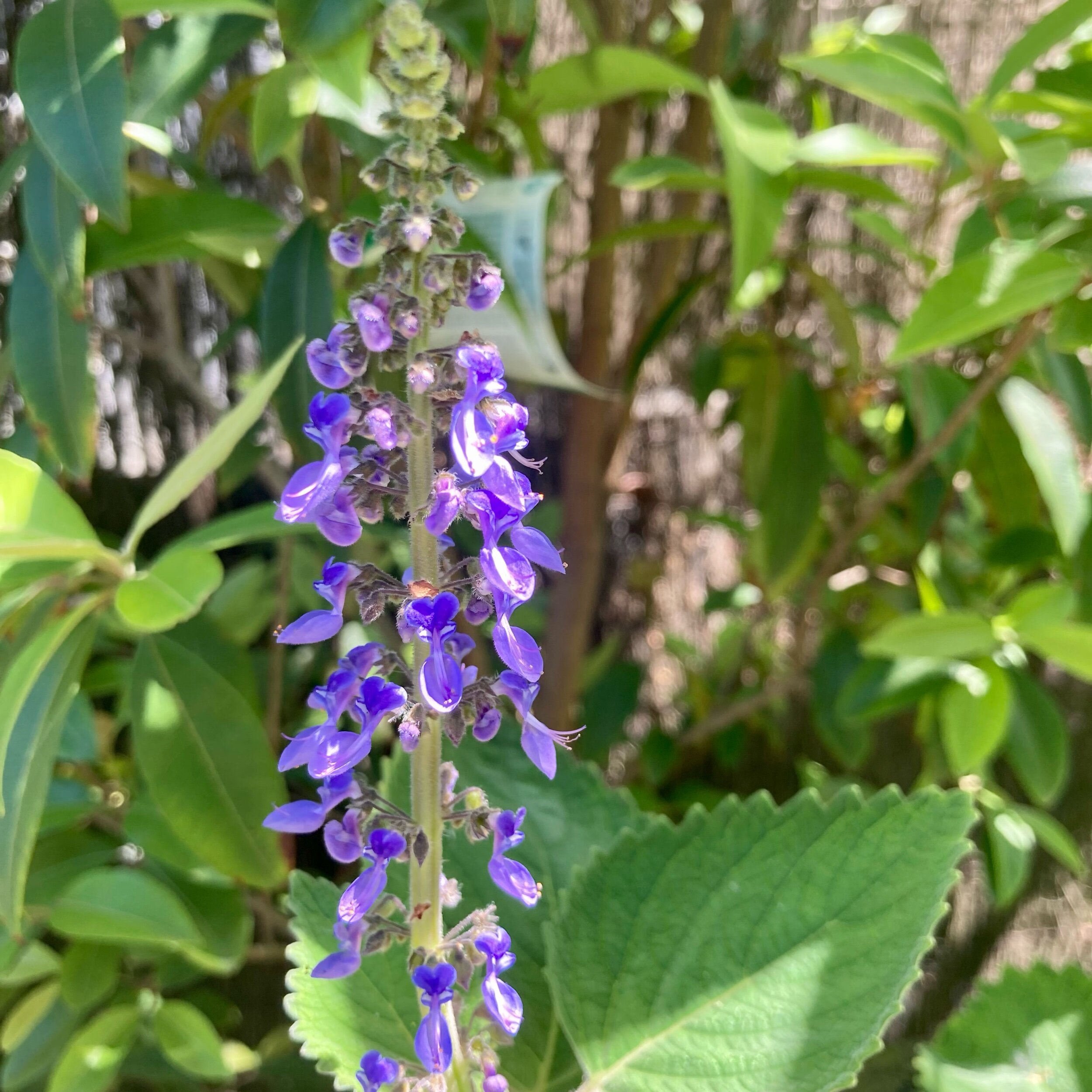
Commonly called Bush Basil or the Five Spice Herb!
This plant is native from Cape York all way down to NSW.
Bush Basil is a very strong herb and is said best to use with Mediterranean flavours like tomato and garlic. You could use fresh leaves on a pizza or blend for a pesto.
It also has many medicinal qualities and can be steeped into a tea to help with coughs and colds.
It’s a vigorous growing herb and can handle full sun or shade and will grow in pots or the garden. It doesn’t mind the heat, dry or cold once established.
It gets covered in pretty mauve flower stalks in the warmer months. These are great as cut flowers and if you cut the leaves off with the flowers it will work as an aromatic bunch of flowers. Scenting the house nicely. The flowers also attract all different types of beneficial insects.
It can get to about 1.5m tall if let go but I find it’s best to trim after flowering otherwise it can get rather scraggly.
As with all my natives I would be fertilising my bush Basil with an organic complete slow release fertiliser like Organic Link every three months.

Yesterday, Today and Tomorrow
The true beauty of Brunfelsia latifolia is in its flowers. Sweetly perfumed, they appear from September to late November. When they first open they are a violet colour, fading to lavender blue and then white, with the three colours present on the bush at the same time. How extraordinary that a plant can be covered in three different coloured flowers at once!
I’m noticing this plant in flower everywhere at the moment - Brunfelsia latifolia, Yesterday, Today, Tomorrow. It’s been a great season for them and I think all of them are stepping out of the shadows to scream ‘Look at me’.
I like to refer to this plant as a vintage plant as there is no such thing as old fashioned in gardening.
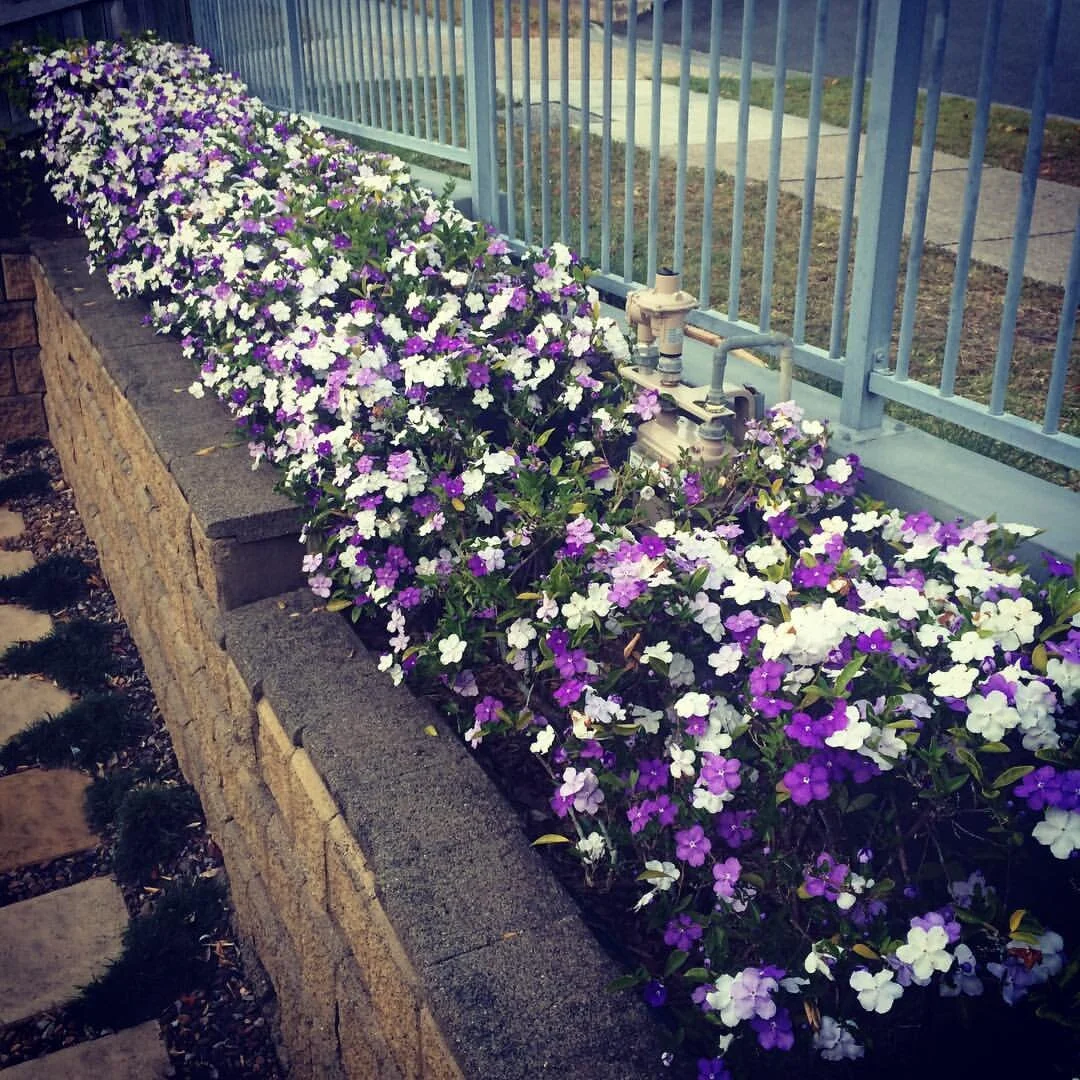
This evergreen shrub grows slowly to around 2-4m tall and 2m wide. Most people tend to keep theirs at around the 1.5m mark. The foliage is dense and a smoky green colour. The new leaves can go purplish in cool weather.
The true beauty of Brunfelsia latifolia is in its flowers. Sweetly perfumed, they appear from September to late November. When they first open they are a violet colour, fading to lavender blue and then white, with the three colours present on the bush at the same time. How extraordinary that a plant can be covered in three different coloured flowers at once!
Brunfelsia latifolia enjoys full sun or partial shade. It enjoys a trim but does not need to be trimmed to look thick and lush.
I find all Brunfelsias can be hungry plants. I like to feed them with Organic Link four times a year and I give them liquid bio trace (mix of trace elements by Plant of Health) at least three times a year.
The great thing about this plant is, once established, it doesn’t seem to mind if it’s a little dry or a little wet; it likes the summer heat and can handle the winter chills. It’s not keen on heavy frosts, though.
I find they grow better in the ground but I have seen some nice ones in pots. I would just recommend feeding it more.
Years ago, a dwarf brunfelsia latifolia was released that only grows to around a metre. It is perfect for borders or small gardens. Be aware that this plant can be slower to flower.
The only downside to brunfelsia latifolia is that they are highly toxic to animals and humans if eaten, so if you have an animal, especially a goat or a friend that is a vegan that likes to eat the plants in your garden, please take precautions.
Indulge all of your senses by planting a brunfelsia latifolia this weekend!

Coriander actually has a purpose!
WHAT? Coriander actually has a purpose?
Coriander actually has two purposes, making your tastebuds zing, I’m team coriander and attracting beneficial insects to our garden.
WHAT? Coriander actually has a purpose?

Coriander actually has two purposes, making your tastebuds zing, I’m team coriander and attracting beneficial insects to our garden.
Did you know that coriander flowers actually attract things like PARASITIC WASPS. Yes, you do want these wasps in your garden. They are stingless and so small that most of the time we don't even know they are there!
But they utilise caterpillars, beetles, flies, scale and other insects even aphids to house and feed their developing young.
So the bad bugs actually turn into a maternity ward for the good bugs. Which, in theory, decreases the bad bugs you have.
What else can coriander flowers do? Attract hover flies!
Adult Hover flies feed on the nectar as they pollinate flowers. The female lays her eggs near aphid colonies. When the eggs hatch the larvae begin feeding on the aphids. After spending several days eating aphids, the hover fly larvae attach themselves to a stem and build a cocoon. After ten or so days adult emerges and cycle begins again.
Coriander can also help protect potatoes, eggplant and capsicums from Colorado potato beetles.
Planting coriander around tomatoes can not only protect the tomatoes from pests but also improve their flavour.
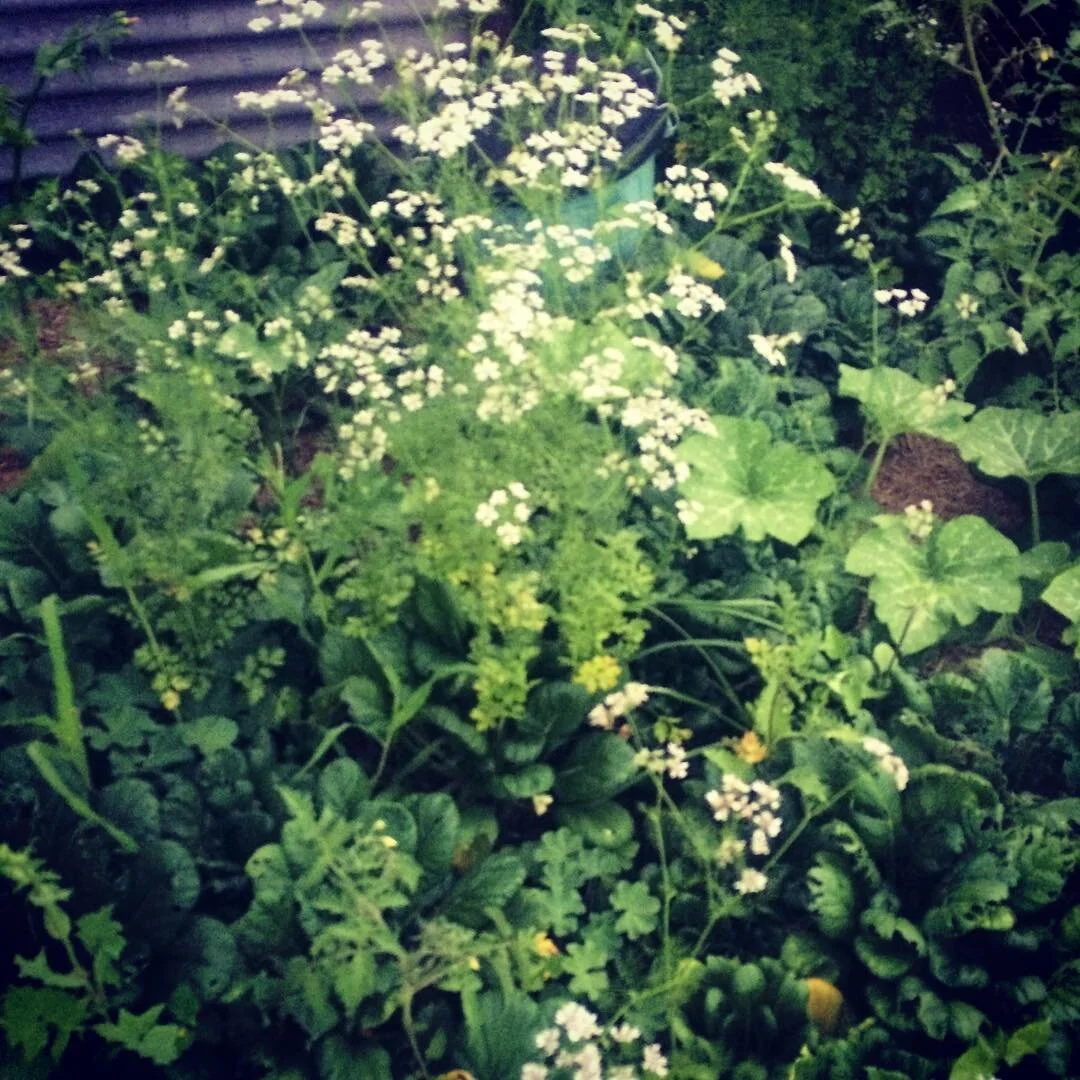
Just because you can’t eat it doesn’t mean it doesn’t have a huge impact in the garden. Start creating a mini eco system in your garden and discover the new beneficial insects!
But how do you successfully grow coriander?Plant your coriander in cooler months, plant a few plants. You can never have too much coriander !
Use as much coriander as you can in cooler months. It grows really well at this time. Now as the weather heats up all this plant wants to do is bolt and flower. Perfect. This is exactly what you want one plant to do straight away.
Let one plant flower and self seed everywhere. Don’t forget coriander flowers attract good bugs.
Water the area surrounding your self seeded coriander and wait for lots and lots of little baby coriander to appear. There should be lots. So use as needed. Let some grow up big and strong so you can repeat the process and use others while they are small and delicious.
With your other plants that you didn’t let go to flower. Keep trimming the flower stalk out for as long as you can (coriander starts to taste a little funny) at that point your baby coriander should have sprouted and you can let these ones go to seed.
Now coriander hate humidity. So don’t over water your coriander and if you plant your coriander in winter it should be well established by summer not to easily wilt with a little sun.
Most common cause of death is steaming to death. Meaning, we over water them and they boil to death in the ground.
I find coriander grows well in large terracotta pots too. The terracotta helps the soil breathe.
Just remember coriander is annual that just wants to flower and have lots of babies in summer. We can try and slow down nature but we can’t change what a plant intrinsically wants to do. We can try to tame Mother Nature but we will never have full control.
I hope this helps and we can have a long enjoyable coriander season with enough flowers to create a mini eco system.

Backhousia citriodora
Lemon Myrtle (Backhousia citriodora) is an absolute delight for any garden. It is a small growing tree (around 3-5m) with leaves that release a strong lemon scent when crushed or after rain. I love breaking off a few and throwing them on the lawn before I mow. It makes mowing so much more enjoyable!
One of my all time favourite scented foliage plants is the Backhousia citriodora (lemon myrtle).
It is endemic to subtropical rainforests of central and south-eastern Queensland, Australia, with a natural distribution from Mackay to Brisbane.

Unfortunately the lemon myrtle was very hard hit by the myrtle rust and the commercial availability of the smaller plants became very limited. You see, Backhousia citriodoras don’t grow true to form from seed, cutting grown is always best but Backhousias are notoriously hard to grow from cutting. Understand now why there can be a shortage some years! Older established trees are readily available and now the smaller ones are slowly coming back on the market.
Lemon Myrtle (Backhousia citriodora) is an absolute delight for any garden. It is a small growing tree (around 3-5m) with leaves that release a strong lemon scent when crushed or after rain. I love breaking off a few and throwing them on the lawn before I mow. It makes mowing so much more enjoyable!
New growth is tinged red and in summer you’ll get abundant clusters of creamy white flowers which are loved by butterflies and bees.
Lemon myrtle is quite versatile and can be used as a screen, hedge or feature tree and is suitable for most gardens and courtyards. It loves the full sun and can handle the cold and dry once established. It is naturally thick and dense and doesn't require trimming to keep it neat.
A good fertilise with Organic Link on turn of every season would be appreciated by the tree.

Long, hot day calls for an icy mineral water (maybe with a splash of vodka) and some Backhousia citriodora leaves for a great tang.
The leaves, flowers and seeds of lemon myrtle are all edible and can be used in cooking to flavour biscuits, cakes, bread, pasta, meat and herbal teas. It can be also use to scent your own soaps or bath bombs.
Lemon Myrtle essential oil is also available. It has an intense lemony aroma which is uplifting and invigorating and is great to use when studying or just needing a gentle nudge into the fast track of the day.
One of my all time favourite natives. Trevallan always tries to have these amazing natives in stock
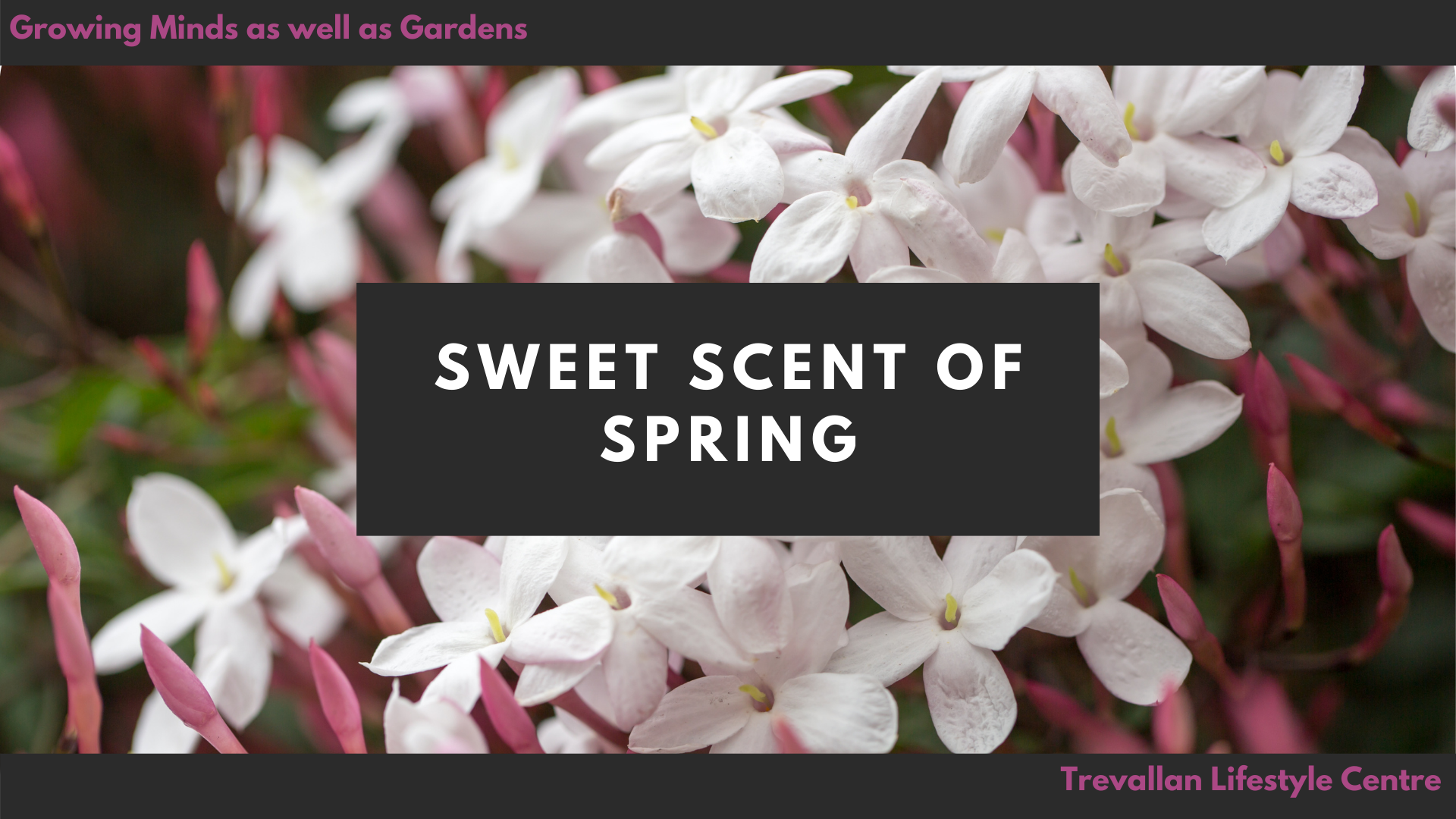
My Dirty Little Secret
I love the scent wafting in the air, just a hint of spring. I love getting up close and breathing deeply letting the fragrance fill me. I love how it captures me and makes me want more. Oh how glorious it would be to be surrounded by Jasmine polyanthums.
Every year around this time my secret love affair starts.
It starts off slow with only a hint of the love and pure joy that will come as the days turn into weeks and finally months.
Then it’s gone. All the happiness and pleasure gone and I come crashing back down to earth.
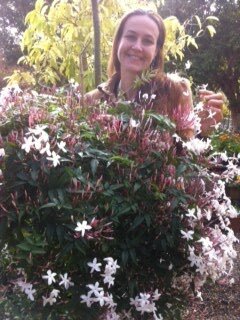
Jasmine Polyanthum in full bloom. I love this scent.
I have to keep my love a secret as so many people disagree with me plus this love is just so, so, so common!
But I’ll let you in on my dirty little secret…. I love Jasmine polyanthum. They give my end of winter start of the westerly winds blues the TLC I need to continue. I know spring will be here soon.
I love nearly everything about this plant.
I love the soft feather like foliage, the deep green lushness of its leaves.
I love the way it soft stems intertwine themselves and fall gracefully down.
I love how the pink buds form at the end of winter, letting me know the end of this cold is close.
I love watching the deep pink buds open to the purest white flower.
But most of all I love the scent.
I love the scent wafting in the air, just a hint of spring. I love getting up close and breathing deeply letting the fragrance fill me. I love how it captures me and makes me want more. Oh how glorious it would be to be surrounded by Jasmine polyanthums.

Every year I forget what their scent does to me. Then I start to notice them everywhere. This beautiful dense climber with pink buds and then they buds open and I’m in love all over again.
While Jasmine polyanthums are beautiful at this time of year reality hits around autumn and winter when they have a tendency to look a little shabby. I have found that a good fertilise with Organic Link Fertiliser and trim after flowering (November) and just before flowering (June) helps keep them looking neat and beautiful.
Jasmine polyanthums love the full sun but can grow in some shade. They are a very vigorous climber and can cover an area quite quickly.
If you don’t have anywhere for them to climb don’t worry they look glorious in hanging baskets or trailing over the edges of retaining walls.
I have even seen some Jasmine polyanthums climbing on chain link fence and they were so highly trimmed it looked like a box hedge.
These plants are hardy – they don’t mind a little bit of dry weather or a little bit of wet weather. They seem to handle the cold and the heat and once established can handle most soil types.
Jasmine flowers are also commonly used as aphrodisiacs so make sure you like your neighbours before you use it on your fencing!
Also for many people the scent can be very overpowering and even a bit sickly so do be mindful of where you plant it.
This weekend give your love life some TLC and bring a Jasmine polyanthum home, it can even stay inside for a few days too, so you can enjoy the scent 24/7.

My Favourite Scentous Month
I find the best way to give my life some TLC especially during one of the coldest months of the year is to have a Rogiera amoena.

I love July. It has to be my favourite month. Not only is it my birthday month but my favourite plant is starting to flower. I first discovered this plant when I was a little girl climbing trees in my parent’s garden. At the time I thought that my mother and father had especially planted this tree for me so I had flowers on my birthday. I just could never work out why they planted it under my sister’s window and not mine! Even when I smell the flowers today I get transported back to their garden and a time of simple existence.
I find the best way to give my life some TLC especially during one of the coldest months of the year is to have a Rogiera amoena. Many of you would know it by it’s old botanical name Rondeletia amoena. Whether it be in the garden or a pot this plant is a must for all gardeners. Some may class it as old fashioned, for me it’s timeless!
Previously the genus name, Rondeletia, commemorates Guillaume Rondelet, a 16th century French naturalist. The species name, amoena, is from the Latin meaning 'lovely' and lovely it is.
Rogiera amoena is an evergreen shrub or small tree to around 3m tall. It has dense green foliage making the perfect tree for hedging or as a feature. Energex even thinks it’s a wonderful plant and recommends it for planting under power lines.
By July Rogiera amoena are just beginning to produce their clusters of deep pink buds which will slowly open to salmon-pink, perfumed flowers. They will flower from July until the end of spring. These deliciously scented flowers do not have an overpowering scent. If you are anything like me though you’ll want to sit all day in the garden and breathe in this divine scent.

Rogiera amoena’s are a versatile plant that can be grown in full sun or part shade. It is a very tough, drought-tolerant plant for any style of garden from tropical to formal. These plants are hardly bothered by pests or disease and they even attract butterflies!
Whether you have a green-thumb or slightly brown tinged one Rogiera amoena are for you.
A light prune after flowering and a seasonal fertilise with an organic slow release fertiliser, I use Organic Link, will promote a denser form and more beautiful plant.
This weekend spoil yourself and take a trip back to your childhood. Rogiera amoena are the best and easiest way to give yourself and garden some TLC during the cold month of July.

Camellia Sasanqua
Camellias are amongst the world's best flowering plants. They are hardy and disease resistant

Autumn is my favourite season. Cool crisp nights and fresh sunshine days. The days are shorter but seemed to be filled with achievable goals (maybe because we aren’t sweating by 9am!). Autumn is also a glorious time of year because one of my favourite plants starts to flower – Camellias.
Don Burke said it best way back in 2002 “Camellias are amongst the world's best flowering plants. They are hardy and disease resistant, most varieties have attractive, glossy green foliage, and they put on their fabulous flower display in the cooler months of the year when the rest of the garden often looks dull and bare”.
Originally from China camellias have taken well to their Australian home. I have four favourite types of camellias - sasanquas, japonicas, reticulates and hybrids.
Sasanquas are the TLC my autumn garden needs. They seem to burst into life, brightening up sun and shade spots alike with their elegant sometimes fragrant blooms. Of course these plants are still handsome at other times of the year, with their deep green, glossy leaves, and graceful habit. Sasanquas are a versatile shrub with a variety of uses. They are great as a hedge, look fantastic espaliered against a fence, perfect as a statement in a pot or garden and can even be used as bonsai.

Camellia Sasanqua Flower
Camellia sasanquas flower in abundance from March through August with much of the shrub being covered with their striking coloured flowers. These flowers are mostly singles or semi-doubles and range in colour from white through to deep pinks and reds. All the flowers have brilliant yellow stamens that the Australian native bees find delicious!
Some of the sasanquas even have a delightful fragrance that gently wafts through the air tickling your senses and leaves you wanting more. To promote this profusion of flowers and good growth, fertilising with Organic Link should be done at least twice a year, just before flowering and just after. I also like to give my Camellia sasanquas a granular dose of sulphate of potash around February to help promote flowers. If you find you are a little late this year you can just start liquid fertilising with Silica and Potash, every fortnight to help promote blooms. During their flowering season I liquid Plant Care them on a regular basis to keep them healthy while in bloom. About once a year usually around the end of February I add a little bit of Dolomite to the soil around my camellias. Camellias can be prone to calcium deficiency and I find adding a little bit of Dolomite helps with this. If I can’t add Dolomite (or I forget) I try to Liquid Bio Trace my Camellias at least twice a year.
Sasanquas also possesses the distinct advantage of tolerating both full sun and partial shade. These are the perfect plant for your south facing garden or patio. As long as they are planted into good quality potting mix or garden soil and mulched correctly sasanquas are one of the most robust drought tolerant plants around.

Camellias in Ipswich are considered to be relatively slow growing; as a result they are quite happy to stay in a pot.
This is also why they make an excellent hedge – with little effort they can easily be trained to grow thick and neat, they really only need to be pruned once a year after flowering.
There are over 1000 named varieties of Camellia sasanquas, so this diverse group of flowering shrubs should fulfil a range of needs and colour schemes in everyone’s garden. Give your shady or sunny garden spots some TLC this weekend with the hardy Camellia sasanqua.

Can you Grow your own Curry?
Curry isn't just one herb, it is a complex seasoning that varies from region to region and even from family to family throughout Southeast Asia. If you thought you could buy a Curry plant, think again!
Curry isn't just one herb, it is a complex seasoning that varies from region to region and even from family to family throughout Southeast Asia. Curry seasonings can even be vastly different depending on the season. During summer months, the seasoning is mixed with spices that cool the body and in winter, a different blend helps keep the body warm.
So what are the plants commonly called 'Curry Plants'? Are they even used in Curries?
Curry Leaf Tree or Sweet Neem (Murraya koenigi)
The Murraya koenigi leaves are the primary seasoning in the South Indian dosa, a crispy, thin, rolled pancake-like bread but it is also used in pickles, egg dishes, chutneys and many other Asian and Indian dishes and is known as “sweet neem” in India.
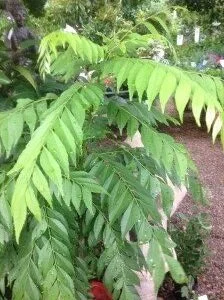
Curry Leaf Tree or Sweet Neem (Murraya koenigi)
Murraya koenigi is native to India and Sri Lanka. The leaf is the only part of the tree used in cooking and the raw, fresh curry leaf won’t really remind you of curry, but once the leaves are roasted in oil, the aroma and flavour can change remarkably, and the flavour is pleasant and delicious.
Even if you don't cook the Murraya koenigi is still a highly prized plant as its purely ornamental small, white flowers are highly fragrant.
It is a beautiful evergreen small tree that can be grown throughout Australia. Trees can grow up to 4m tall, in the warmer weather but it is advisable to prune back to a desired height of 1.5-2m. Pruning also encourages new growth and hence new leaves for harvesting throughout the year.
It requires full sun or semi shade position protected from heavy frosts. Ideal on warm northern side of buildings in cold climates.
The Curry Leaf tree requires reasonable drainage and regular fertilising. I use Organic Link every three months and Triple Boost regularly.
Curry Plant (Helichrysum italicum )
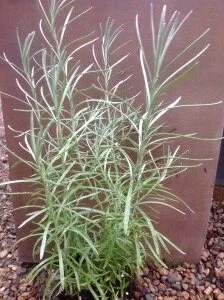
Curry Plant (Helichrysum italicum )
Although called the "curry plant" and smelling like the commercial curry powders, Helichrysum italicum has nothing whatsoever to do with this mixture of spices, nor with the actual curry tree (Murraya koenigii), and is not used as masala for curry dishes.
Helichrysum italicum grows naturally on dry, rocky or sandy ground around the Mediterranean. When growing at home try to make sure your plant is in free draining soil and full sun.
The leaves are grey with clusters of yellow flowers in Summer. These flowers are commonly used in dried flower arrangements.
The shrub can reach about 60 cm in height and can grow in pots or a garden bed. Like all herbs a good tip prune keeps the shrub looking neat and tidy. I usually fertilise at the turn of the season with Organic Link and Triple Boost regularly.
In the Mediterranean the young shoots and leaves of the Helichrysum italicum are used to flavour meat, fish or vegetable dishes. These shoots are then removed before serving. Many people don't like the actual taste of the plant as it has a resinous, somewhat bitter taste reminiscent of sage.
Do you have a Curry Plant or Tree?

Roses are Red
The rose has long been a source of fascination and meaningfulness for cultures around the world. I have never claimed to know the secrets of growing roses in a climate where for about six months of the year we have what feels like 100% humidity but here are a few of my tips.
The rose has long been a source of fascination and meaningfulness for cultures around the world.
Cleopatra was believed to have covered the floor of her palace room with roses before Mark Antony visited for in those times anything which was said "under the rose" was deemed to be a secret.
For many of us Queenslanders though how to keep roses looking amazing feels like a state secret.

I often stare in awe at the pictures in magazines of roses elsewhere in Australia. How dare they have the climatic conditions to grow these plants successfully?
I have never claimed to know the secrets of growing roses in a climate where for about six months of the year we have what feels like 100% humidity.
Many rose growers out there will probably have a small heart attack at my way of growing roses but that’s ok, my way is the right way for me and maybe if you’ve never had any success in the past it may become the right way for you.
The first thing I needed to realise was that my roses may never look like they do elsewhere. The humidity we suffer is the cause of most rose problems. No amount of sprays, fertilisers or correct planting techniques will change the problems humidity brings.
To combat most of the rose problems such as black spot, fungus, bud worm that occur during the warmer months I trim and fertilise.
I don’t spray.
During the really humid months most of my roses look like bare thorny sticks. I find removing all the affected leaves, trimming back the plant and then fertilising with a slow release complete organic fertiliser like Organic Link works fantastically.
I always trim my roses like I am cutting the flowers off for a long stemmed vase. I personally can’t stand long straggly bushes so I make sure all my roses get a good prune continuously throughout the year. I also find a good dose of granular Sulphate Potash at least twice a year, Winter and Summer, helps with fungal problems and boosts blooms.
After pruning you can use a product like Steriprune which is designed to protect wounds against infections and die back. Come the cooler months and my roses are thick and lush and full of flowers. The few leaves that do get black spot or mould just get pulled off and when the flowers die, I still trim the stem right back like I am cutting it for a long stemmed vase.
To keep roses healthy and insect free I try to regularly liquid fertilise them with Rose Triple Boost and neem oil, fortnightly is ideal (but not always possible). When black spot is rife I alternate between the Rose Triple Boost and Silica and Potash Liquid fertiliser (certified organic).
Another organic alternative for black spot and rust is eco-fungicide. Eco-fungicide is a registered organic fungicide for the control of powdery mildew, black spot and rust in many plants including tomatoes, zucchini, roses, grapevines and geraniums. It attacks existing fungal infections and kills external fungal growth within minutes. Eco-fungicide also leaves an invisible protective coating that prevents new spores from germinating.

This Rose quote is so true even when growing roses. You must put up with all the disease, insects etc but it is well worth it when they bloom
To control insects some people like to use a pyrethrum based spray or neem oil.
All my roses are in full sun in pots and in the ground. I use Searles Platinum Potting Mix for the pots and Searles' Garden Mix for the ground. I mulch with Sugarcane.
Roses do not have the prettiest bush and they can sometimes seem a bit fussy but the reward of the rose is well worth it all.