Find Us:
77 Fernvale Rd
Brassall QLD 4305
(07) 3201 8630
Open:
Tue-Sun 9am - 4pm

Figgin’ Delicious
Figs, delicious and oh so nutritious. Easy to grow in South East Queensland. Learn how here.
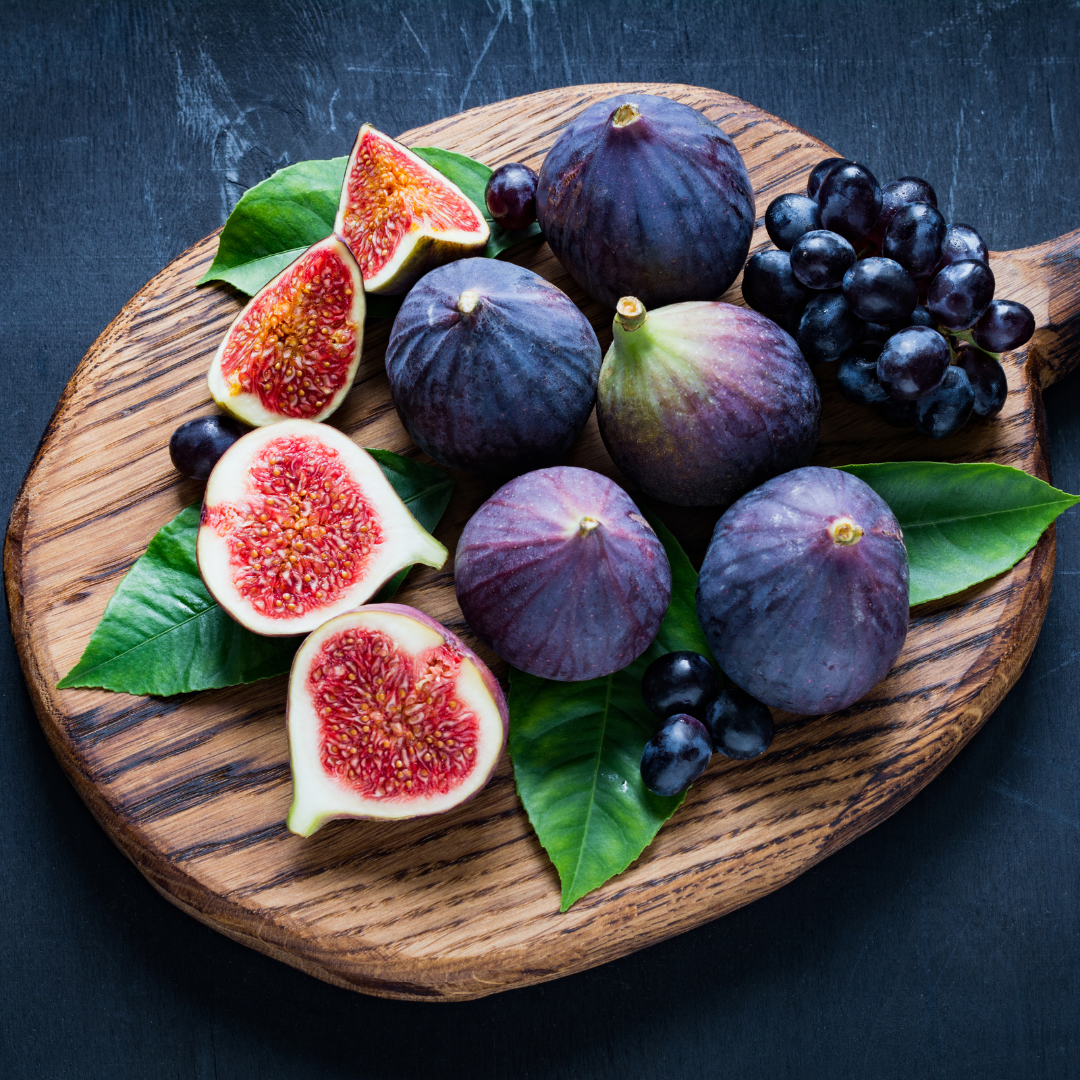
Highly concentrated source of minerals and vitamins in one bite
I love figs. I fell in love at first taste. It was a wine and cheese tasting at Sirromet Winery. It could have been the wine talking but the love affair started that day and it has never waned.
While bought figs are nice, nothing compares to growing your own and eating it straight off the bush. They are so lusciously sweet with a texture that combines the chewiness of their flesh, the smoothness of their skin, and the crunchiness of their seeds. Oh my, almost sensual.
Ficus carica is a large, broad-leaved deciduous tree with many unusual features. It usually bears two crops a year and its flowers are hidden on the inside of a pear shaped, fleshy receptacle which becomes the fruit which we call ‘fig’. Figs are pollinated by wasps but don’t need the wasp to form fruit so they are classed as self pollinating.
Figs are oh so tasty and very nutritious, thank goodness with the amount I eat! They have the highest amount of calcium of any fruit, and 100g of dried figs contains 16% of the daily recommended amount.
Figs are also an excellent source of dietary fibre. Fruit fibre has been shown to significantly lower the risk of breast cancer in postmenopausal women. It is also very filling and can help to take the edge off appetite.
Figs are also a good source of iron, magnesium, potassium, B vitamins, as well as vitamin K. Figs contain different types of antioxidants and have been shown in studies to raise antioxidant activity. Antioxidants mop up free radicals, which may contribute to the development of cancer, heart disease and the visible signs of aging by damaging DNA and other body systems. The riper the fig, the more antioxidants it contains.

Fig leaves are also surprisingly healthy. Several cultures use the leaves in cooking, particularly to wrap meats and fish. Studies have shown that an extract of fig leaves will increase insulin sensitivity, and may be useful for preventing diabetes. Studies on animals have also shown that fig leaves can reduce the likelihood of heart disease and possibly kill cancer cells as well.
Figs were such an important fruit crop of earlier civilisations in the Mediterranean region and Asia Minor that the Greeks even created laws forbidding the export of the best quality fruit. Figs were also revered in ancient Rome where they were thought of as a sacred fruit. According to Roman myth, the wolf that nurtured the twin founders of Rome, Romulus and Remus, rested under a fig tree.
So many reasons to grow a fig.
The real question is who can grow one?
Figs needs a mild, warm climate and grow best in a sunny situation protected from heavy frosts.
A full grown fig can be over 5 meters high and wide. Don’t worry, they can easily be pruned to a more manageable size without affecting fruit crop. They can grow in pots or the ground. If pots is your only option the dwarf variety ‘Figalicious’ may be your best option.
Pruning your fig is very easy as they fruit on new growth so you won’t ever have to worry about losing a crop. The best time to prune is in late winter. During the first few years, you want to try to create a strong central leader with a few healthy main branches coming off that. These main branches will produce new growth each year that's capable of bearing the weight of the fruit. You can trim up to 50% off the tree if necessary in the first year or two to create a strong healthy tree. You can prune every year if necessary as a well pruned fig can last hundreds of years
Similar to other fruit trees, you should remove any dead, broken or rotten branches. Then you remove any crooked or crossed branches. Figs can produce suckers at the base of the tree. It is important to trim these away, you want to encourage growth within the main plant.
Figs have a thick, white, sticky sap that will be released when trimming, it can quickly gum up pruners and other tools so always keep a cloth rag and solvent on hand to clean tools regularly. Always use sharp tools when pruning as blunt tools don’t cut cleanly and will leave the bare ends of wood jagged and frayed, and this can create entry points for pests and diseases. According to Thomas Zimmer Moon Planting Guide you should try to prune your Fig on a waxing moon to promote new growth on fertile days (water signs).
After pruning always fertilise with Organic Link and once new leaves start to form a fortnightly liquid fertilise with Triple Boost would be beneficial. All fruit trees are heavy feeders so I try to Organic Link my fruit trees every two to three months.
When you plant your Fig tree out make sure you use excellent quality potting mix if planting in pots, we use Searles Platinum Potting Mix. If planting in the ground I use Searles Garden Soil. I add more compost every year to my garden planted fig and mulch with Sugar Cane.
Fig Brown Turkey
A vigorous fig that bears medium sized, richly flavoured figs with a sugary taste, brown skin and pinkish brown flesh.
The crop is usually produced over a prolonged period from summer to late autumn. Eat fresh or dried or use in jams and preservatives.
Fig White Genoa
A good bearer of large sized, long conical shaped, pale green fruit, flesh is reddish-pink with sweet flavour.
Can bear two crops a year. Used for fresh fruit, drying and jam.
Fig Black Genoa
A large sized, conical shaped, fig with purple skin and red flesh that has a very sweet rich flavour.
Can bear two crops a year. Used for fresh fruit, drying and jam.
Figalicious
A compact, small to medium sized tree that produces an abundance of delicious dark red fleshed fruit with purple-green coloured skin in summer. In a large pot will reach 1.0m high x 1.0m wide
Get healthy this year and grow a fig today. By the way they taste great with wine and cheese!
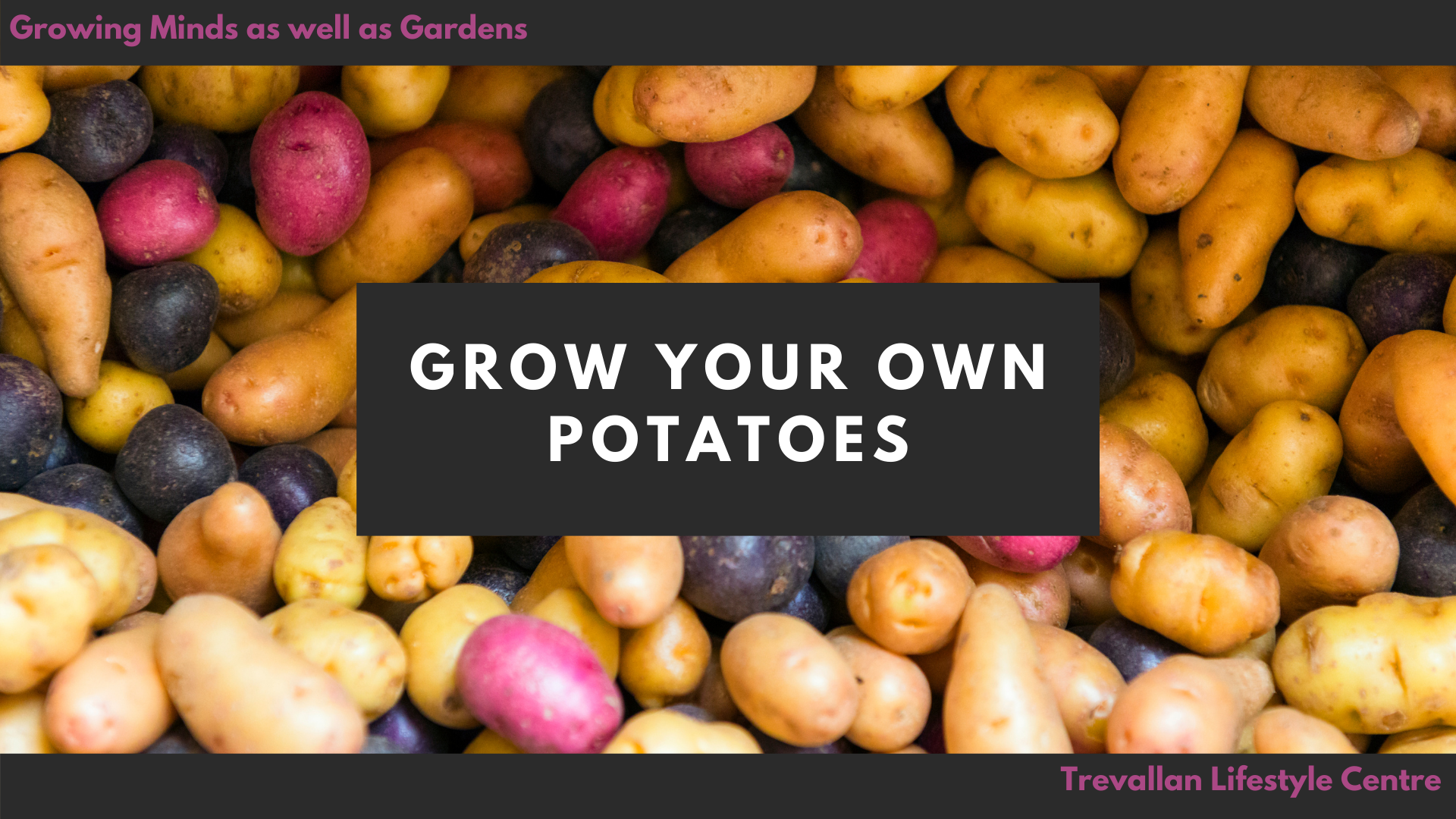
One Potato, Two Potato, Three Potato
Grow your own potatoes from certified organic seed. Did you know that 29 pesticides are commonly used when growing potatoes?
The first time I heard the words seed potato I imagined a packet of seeds looking somewhat like bean seeds! How wrong I was. Seed Potatoes are what you use to grow potatoes and look like baby potatoes. About 1kg of certified seed should produce about 10kgs of potato.
Woolworths sells potatoes for around $1kg sometimes, why am should I grow them myself?
Potatoes rank among the most contaminated with pesticides and fungicides. Twenty-nine pesticides are commonly used, and 79% of potatoes tested exceed safe levels of multiple pesticides (according to research done by FDA and USDA). Now I don't know about you but I used to use potatoes all the time in cooking. So this little piece of information didn't sit terribly well with me. If I started buying organic potatoes it would cost me upwards of $6kg. So growing potatoes seems like a good idea.
Why should I buy certified seed potato, why can’t I just plant the sprouts that grow from my potatoes from the grocery store?
Firstly potatoes are sprayed with growth inhibitors to stop them from sprouting in shops? This means that when they do finally sprout the growth may be inhibited. You may get weak growth, deformed growth or a plant more susceptible to insect and fungus attack.
Potato plants can carry many potato diseases: bacterial, viral, and fungal; and some of these are passed on through potato tubers. Plant viral infections are persistent and can not only affect your potato plants but your neighbourhood’s plants as well. All plants in the potato family can be affected like tomatoes, eggplants and chillies. These diseases can also contaminate soil and make an area implantable. Remember the Great Famine? Caused by potato blight!
If using non certified seed potatoes the chance of having a disease outbreak is increased. This is because the appearance of a growing potato crop, or the harvested tubers, is not a reliable guide to the pathogen level in the tubers. For example, late season viral infections may not be apparent until the next season’s crop is growing. So give your vegetable patch a little TLC and start with healthy certified seed.
The varieties of certified seed potato seem endless – Dutch Cream, Sebago, Pontiac and Desiree are just a few. There are red ones, pink ones and even blue ones! Some are good for boiling or mashing, some are better for baking and frying, there are even some that are perfect for microwaving! Some are all-rounders. How you like your potatoes cooked is how you choose which variety to grow.

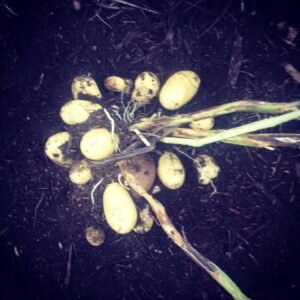
Some of my potatoes one year
Potatoes prefer a sunny, well-drained position and rich, fertile soil. Try not to plant them in the same spot where potatoes, tomatoes, capsicums or eggplants have been grown recently, as they are all in the same family. Ideally, rotate that area for around three years.
In cooler climates, potatoes are often planted 2–3 weeks before the last frost. In Ipswich, we don’t usually have to work around heavy frost, so I tend to plant mine in June/July when the weather is cooler.
Seed potatoes are best planted once they have short shoots around 1cm long. If you buy your seed potatoes in May or June, this usually takes about four weeks.
Large seed potatoes can be cut into two, three or four pieces, as long as each piece has a good eye or shoot. The cut surface should be left to dry for a couple of days before planting. Personally, I don’t usually cut mine, as I haven’t had as much success with pre-cut potatoes.
The principle for growing potatoes is the same whether you grow them in the ground or in pots.
Potatoes in the Ground
1. Plant certified seed potatoes into shallow trenches in loose, free-draining soil. I like to use good quality compost with some sugar cane mulch mixed through, so the soil stays open rather than heavy and compacted.
As the plants grow, keep adding soil or compost around the stems until the mound is roughly 20cm above the original soil level. This is called hilling. Potatoes form close to the surface, so covering them helps stop them being exposed to light and turning green. Green potatoes can upset the stomach, so they are best avoided. Hilling can also encourage a better harvest.
2. Harvest when the lower leaves start to yellow. You can gently dig around and harvest only what you need, leaving the rest of the plant to keep growing. If you want to harvest and store the crop, cut the tops off and leave the potatoes in the ground for another 2–3 weeks before digging.
I have had some potato plants that I harvested from continuously through the season, and others that I left to harvest all at once. In my experience, neither method affected the final result too much.
Dug potatoes should be kept in a cool dark spot.
Good luck and just think how amazed your friends will be when at your Summer pool party you have blue potato salad!
Some varieties of Potatoes Trevallan stocks
The last few years of increment weather around potato season has led to many varieties either being only available in small quantities or just not at all. This year we have a limited supply of Sebago, Dutch Cream and Desiree plus a few newer varieties
Sebago
A long to oval shaped all-rounder with white flesh and skin that’s common in supermarkets and green grocers around Australia. This potato is great for boiling, mash, roasting, baking, chips and mash.
Dutch Cream
Dutch Cream, from Holland, are perfect for frying or serving cold in a salad. Their creamy flavour means they are one of the few waxy varieties that work in a mash as well.
Nicola
Nicola have a low GI rating, with a yellow buttery flesh. They are a firm potato and will hold its shape after boiling, making it perfect for salads. They make a dense creamy mash and good roasted if you part boil; as this will make them crisp up easier.
Kennebec
An old-fashioned variety that has been in Australia for many years. It’s origin from the USA. Loves to be Baked, Roasted or Fried. Have heard its great for the BBQ or pizzas.
Desiree
Red-skinned, yellow flesh with a distinctive flavour. Originally bred in the Netherlands in 1962. Has great resistance to drought, and is fairly resistant to disease. Best used for roasting, baking, and boiling
Pontiac
A very reliable all-rounder with pink skin and white flesh. Great to boil, bake, roast, microwave and mash but not so suitable for frying.
Kipfler
A waxy, finger-shaped, knobbly potato with yellow skin and a light yellow flesh with a buttery nutty taste that is great boiled, steamed, in salads and roasted but not recommended for frying or chips.
Salad Rose
Features a red skin with yellow flesh. Salad Rose is excellent for salads, steaming, boiling, roasting and mashing. Very good for Soups and stews as it won't break apart once cooked.
Sapphire
Has unusual purple skin and flesh. Like all darker coloured veggies Sapphire is packed full of antioxidants. The colour is maintained even after cooking. Great all rounder potato, suitable for salads, boiling, mashing, roasting and chips.
Avanti
An early white potato bred in the Netherlands. A good all-rounder for boiling, roasting and chips.
Delaware
An Australian-bred variety known for reliable crops. Great boiled, steamed, roasted or used in salads.
Imperial Blue
An Australian-bred gourmet potato with striking purple-blue skin and flesh. Beautiful roasted, as wedges or in colourful salads.
Red Lady
A smooth red-skinned potato with creamy flesh. A lovely all-rounder for roasting, baking, boiling and warm winter dishes.
Rodeo
A reliable variety with creamy flesh and good storage qualities. Useful for roasting, baking and mashing.

Vegetable Garden Checklist
Quick guide to creating your own vegetable garden and growing your own food
✔ Choose a position that receives 5-6 hours sun per day.
✔ Remove the existing grass, plants, rubble.
✔ Add Organic Matter, water in well.
Organic Matter is compost, soil activator, animal manure, fertiliser manure pellets, blood and bone. If you have very clay soil add some liquid gypsum
✔Make sure ground is well tilled to at least 30cm, preferably 60cm.
✔ Choose vegetable seedlings that are appropriate for the season and Plant (roots side down 😉)!
Plant a diversity of flowers, herbs and vegetables so your garden attracts beneficial insects. Here is a great list of Cool Season Vegetables
✔After planting Water all in well with Triple Boost as this helps reduce transplant shock.
✔ Mulch with an organic mulch like sugarcane or lucerne. Water again.
Mulch helps to conserve soil moisture, suppress weeds, keep the soil an even temperature and stop erosion. If directly sowing seeds only use a very fine layer of mulch so as to not impede seed germination.
✔ Water regularly
✔ Fertilise with a combination of Triple Boost Fruit and Vegetable and Neem Liquid Fertiliser fortnightly .... Enjoy!

Winter Vegetables
Autumn, Warm Days, cool nights. Perfect for vegetable planting.
Autumn. Warm Days, cool nights. Perfect for vegetable planting.
By now your vegetable patch has been freshly composted and manured. It’s just waiting for you to plant out. If you are having trouble with how to start off your vegetable patch, check out my Vegetable Patch Checklist
The basic cool season vegetables that I find grow well in most areas are – broccoli, beetroot (my favourite), cabbage, cauliflower, leek, onions, shallots, silverbeet, spinach, snow peas, strawberries (my other favourite), peas, kale and rhubarb.
If you don’t get a frost or you can cover your vegetables - beans, lettuce, capsicum and tomatoes can also be grown.
If you get really cold you can give brussels sprouts a go.
This is the basic vegetable range; there are so many different variations on these classic cooler weather vegetables.

In seedlings alone you can get about four different versions of broccoli.
If you start using old fashioned open pollinated seeds, the list can be endless.
If your vegetable patch consists of a variety of different sized pots don’t worry, there is a large range of dwarf vegetables available in seedlings and seeds.
Leek, lettuce, capsicums, shallots, silverbeet, spinach, snow peas, strawberries, peas and rhubarb all grow well in pots without needing dwarf varieties.
The secret to growing any vegetables in pots follows the same principles as growing in the ground.
Start with the best quality soil or potting mix, mulch with an organic material (I like organic sugar cane mulch that is free from weeds), fertilise with a complete organic slow release fertiliser and liquid fertilise fortnightly with a complete organic liquid fertiliser.
I like using the Plant of Health range of fertilisers – Organic Link and Triple Boost and Searles' range of garden soil for gardens and potting mix - Platinum Potting Mix for pots
I find the cooler months are the best time for growing herbs. Nearly all the herbs are available now. Herbs grow well in the garden or in pots and most herbs can be grouped together in pots to make mini herb gardens.
The best thing about growing cool season vegetables is that it’s usually too cold for the pests to be out and about. If you do get a few pests a pyrethrum based spray or one of the new organic sprays like eco oil or eco fend work well. Mildew and mould is a common problem during wet winters - copper spray (some are considered organic) can be the best solution.
I have heard that having pretend white butterflies in your vegetable patch not only looks pretty but helps deter moths. Jerry Coleby-Williams has also mentioned that Land Cress is a confirmed biocontrol. We stock Land cress in seeds and in plants.
Remember though the healthier the soil, the healthier the plants and the less likely you are to get problems. Now get outside and get dirty!

Why you don't grow food from scraps!
I know the current trend is growing fruit and vegetables from scraps. I would never recommend growing anything from scraps or seeds from fruit and vegetables you buy from the shops. .
I know the current trend is growing fruit and vegetables from scraps. However, I would never recommend growing anything from scraps or seeds from fruit and vegetables you buy from the shops. .
Why? Well, firstly, most of the fruit you buy from the shops, even if it is organic, has been hybridised. As a result, the seeds you put in may be nothing like the vegetable you took it out of.
Secondly, a lot of fruit and vegetables nowadays have seeds in them that are sterile, which means the seeds will not usually grow. If they do , it will only be for a short period of time and they’ll usually wither out and die before anything happens, or will be very prone to insects and disease.

Thirdly, and in my eyes the most important reason why you shouldn’t grow from your scraps, is some vegetables, like potato tubers, can carry many bacterial, viral, and fungal diseases. These bacterial, viral, and fungal diseases are easily passed onto other plants and as a result, can contaminate the soil and make an area implantable. The infections in potatoes can not only affect your potato plants, but also have an impact on all plants in the potato family, such as tomatoes, eggplants and chillies.
I don't believe planting from scraps saves me time or money, in fact, I honestly believe it costs me time and money. This is why I try to always use vegetable seeds that are non-hybrid and open pollinated, like Eden Seeds, and I ALWAYS buy new certified organic potato seed.
Trevallan Lifestyle Centre stocks a wide range of Eden Seeds, which are non-hybrid, old traditional, open pollinated varieties of seeds, with no chemical treatment or genetic modification.

Fertilising at Trevallan
Trevallan follows best organic input in our fertilising practices and the other products we use to keep our plants healthy.
Quick Guide to Trevallan's Favourite Things
Trevallan Lifestyle Centre loves to use the Plant of Health Range at home and at the Garden Centre. We stock this range in store, what we use, you can use.

Slow release pelletised fertiliser
Can be used on every plant – natives, roses, camellias, palms, vegetables – we use it on every plant in the centre
Won’t burn or leech
Finely balanced mineral fertiliser
A high carbon, composted fertiliser to promote nutrient retention and to supply a home base for beneficial micro-organisms
For more information click here
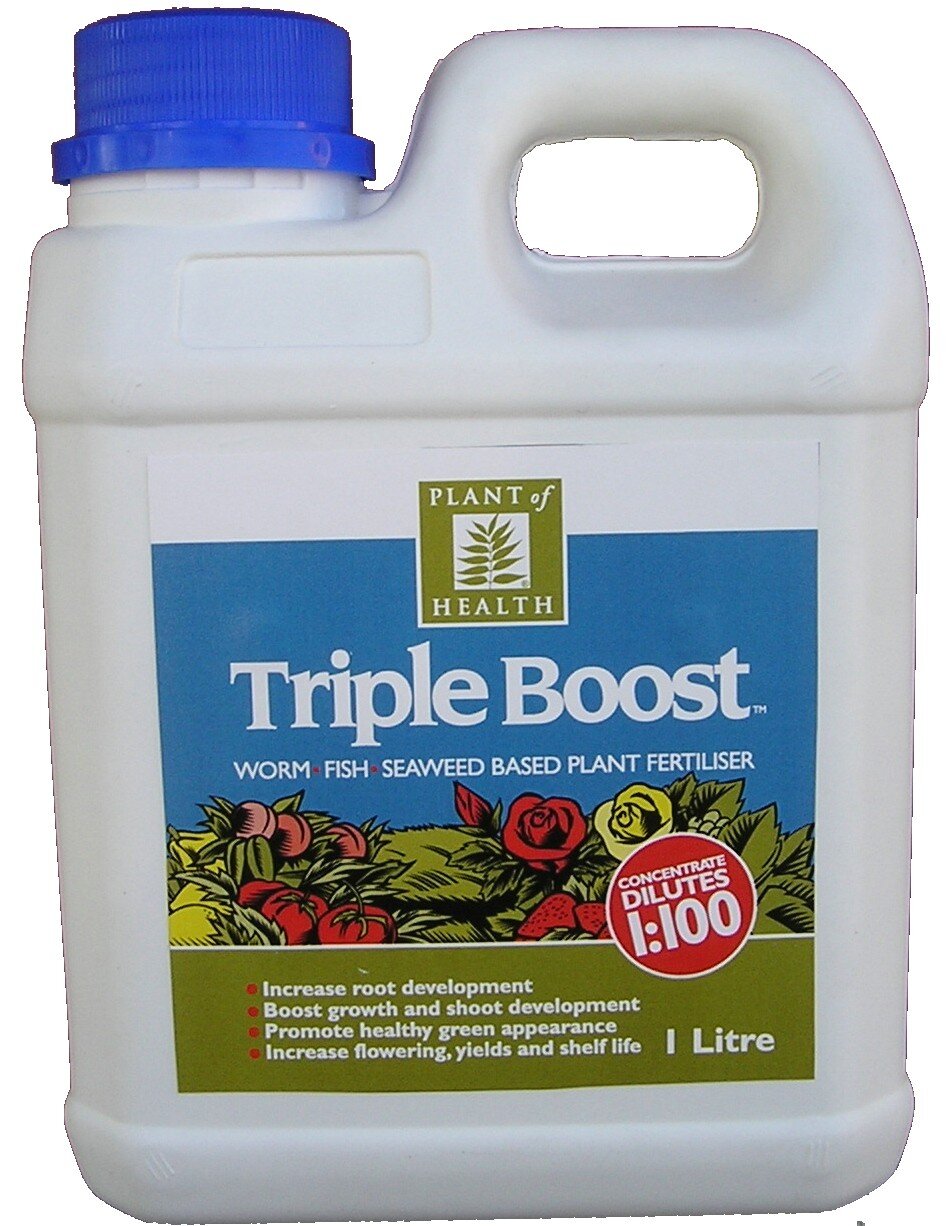
Liquid Fertiliser (mix with water and water over plants foliage)
Boosts growth and root development
Promotes healthy green appearance
Super concentrated fertiliser based on nature’s super foods – fish, seaweed and earthworm combined with trace elements
Contains Tricontanol (extracted from bees wax) powerful photosynthesis enhancer

Liquid Fertiliser (mix with water and water over plants foliage)
Potash helps the plants produce fruit and flowers
Silica can help with plant stress caused by heat, wind, cold and transplanting
For more information Click Here
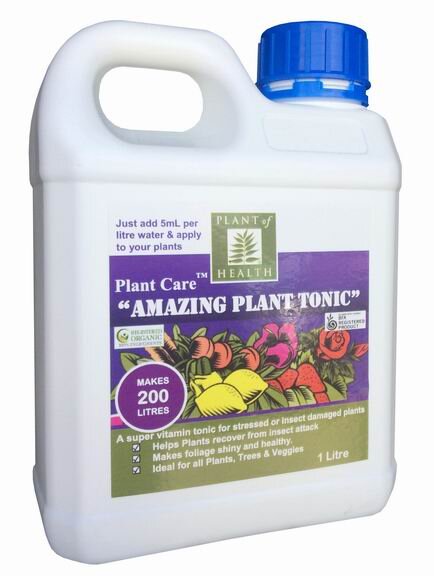
Liquid Fertiliser (mix with water and water over plants foliage)
Super tonic for stressed, flowering or fruiting plants
Helps prevent insect attack
Promotes the plants health during flowering and fruiting
Increases the plants foliage gloss and vitality

Eco friendly surfactant
Allows water to soak into the soil retaining it where it’s needed most.
Available in liquid form or granular form

Organic liquid that provides good bacteria to your soil (PROBOTIC FOR YOUR SOIL).
Enriches and detoxifies your soil and compost.
Healthy soil leads to enhanced plant growth. This can lead to better crop yields, drought and frost resistance and better pest and disease resistance.
Add to water and water into soil

Bio Trace
All in one trace element mix that contains major and micro trace elements that are essential to a plants overall health.
For more information on Trace Elements Click Here

Easy to spread, convenient application
Improves soil fertility
Improved root growth and lush green appearance
Retains moisture
Help put carbon back into the soil
Contains beneficial microbes
Added Trace Elements ensures luxury uptake of minerals maintaining mineral balance & lawn health
Continual use helps prevent Lawn Grub
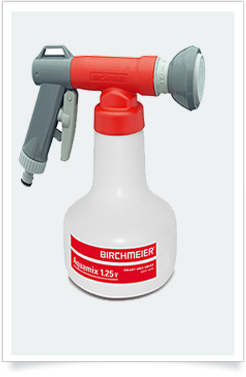
Birchy AquaMix is a fertilizer mixing unit for liquid fertilising without a watering can. The well designed dosing system ensures a precise mixture of water and liquid fertiliser. This is what we use in the garden centre and at home to apply the liquid fertilisers mentioned above.

Mites
MITES may be invisible to the naked eye but the damage they can cause to plants and lawns isn't so unobvious.
MITES
These pesky bugs are everywhere at the moment, even in lawns. I have found out there are about a gazillion different types of mites (well maybe not a gazillion but quite a few).
Unfortunately mites are invisible to the naked eye. The damage isn't so unobvious.
Some signs of mites
leaves take on a brown, felt-like appearance
distorted, knobbly new growth
the leaves may have yellow blotches on them
distortion, deformation, wilting, spotting, streaking or discoloration on the surface of the leaves
Flowers may not open or become distorted
spiderwebbing on the undersides of the leaves or up stems
With all insect infestations I treat the problem at hand but I also look at why the plant or lawn is being attacked. Is the plant/lawn stressed or unhealthy, too dry or too wet. I always follow the advice I was once given by an organic farmer - A healthy plant doesn’t suffer from an insect attack! So if my plants are suffering from an insect attack I deal with the insect but then look at how to make the plant/lawn healthy again.
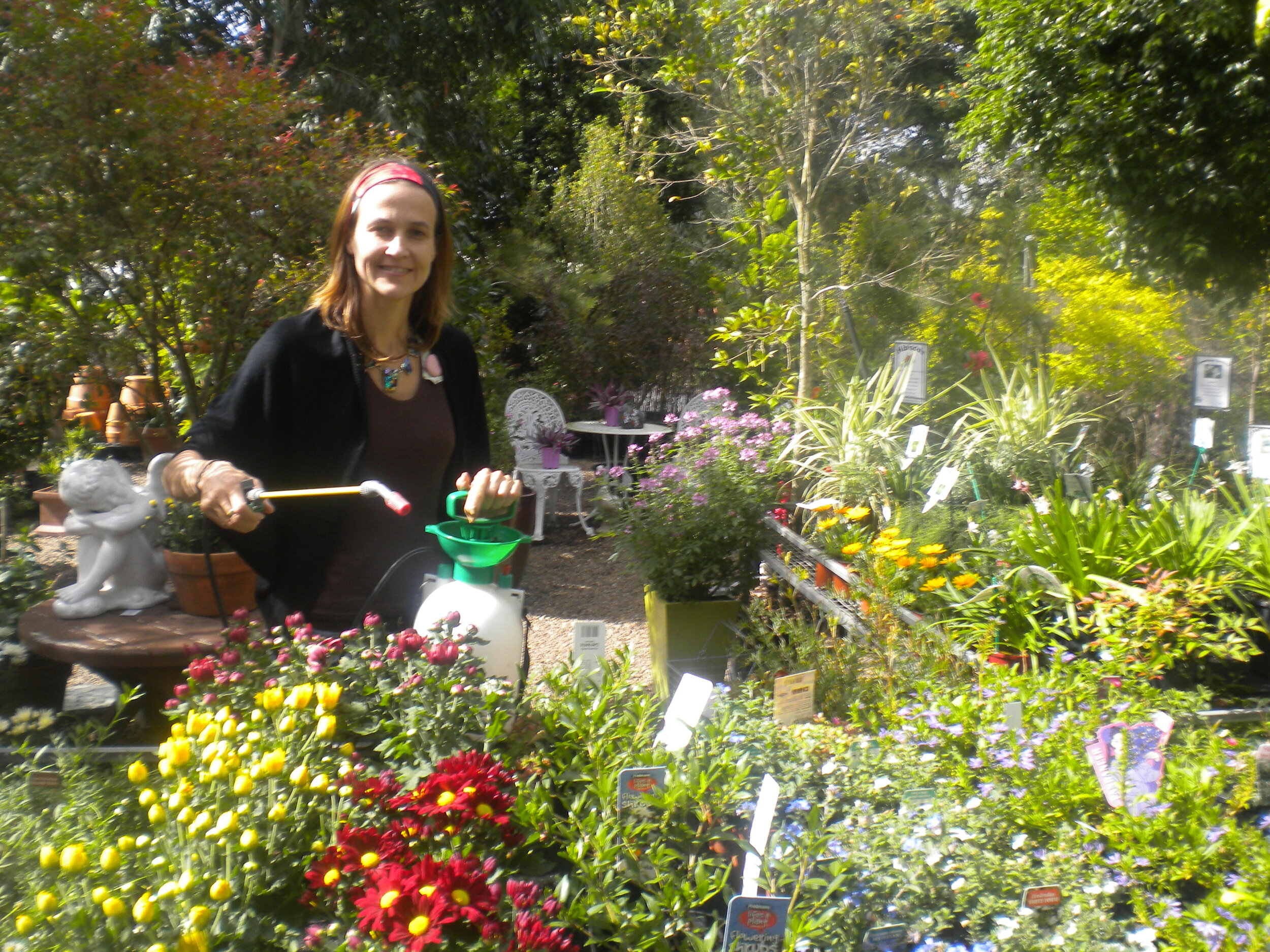
Our method of controlling most pests here at Trevallan is a simple one. Trim and fertilise. Sometimes though a fertilise with Organic Link and Triple Boost just doesn't cut it.
When I asked Des from Plant of Health (the team that make our wonderful organic fertilisers) what to use when i need to ‘spray’ to deal with an insect attack he recommended a weekly spray for at least four weeks with Plant Care and Neem Oil, mixed together. This can be used on lawns too.
Why Neem Oil and Plant Care?
Neem Oil is derived from the Azadirachta indica tree. When applied to insects and the plants they are eating, neem oil causes many insects to feed less, grow more slowly, molt less, and lose interest in laying eggs. Neem also suppresses the hatching of pest insects from their eggs.
Plant Care is like a vitamin pill for plants or when they’re sick or stressed. Plant Care contains natural liquid fish proteins, amino acids, liquid vermicast, fulvic acid, natural growth stimulants as well as a special blend of selected herbs and botanical extracts. Plant Care is a natural, non toxic foliar spray and can be used regularly on all plants, vegetables and lawns without the fear of NPK overload or plant damage.
So when mites or any other insects attack take Des' advice ‘a four week intensive care program’. You will see the difference in all your plants as you say goodbye to mites and any other nasty insects that want to destroy your garden.
Good Luck Mite Hunters.

Is Green Manure just really Green Poo?
Green manure crops are crops grown not to be harvested but instead to be incorporated into the soil before they reach maturity to contribute to the health of the soil.
Wonderful blistering hot days, humidity that feels like we should be living in tropics, rain and winds that blow your roof off then cool days that make us wonder if that 45 degree day was just in our imagination.
This is what it can feel like to live in Ipswich in the summer.
How would you fare in this weather? Hot, bothered, quick tempered?
I know I've been struggling, the smallest things bother me.
If I had a vegetable patch right now, I know I'd be pulling most of it up.
If the heat didn't kill everything off, the humidity or insects probably would have.
In years past when I have had a vegetable patch in summer I have suffered with burnt leaves, white mould all over my cucumbers, tomato blight and then to top it all off grubs in my fruit (from fruit fly stings).
Which is why now, at this time of year I always sow a summer green manure crop.
Green manure crops are crops grown not to be harvested but instead to be incorporated into the soil before they reach maturity to contribute to the health of the soil.
It is an old technique of soil management that seems to have been forgotten by many gardeners and farmers. I think it's because we are no longer aware of the proven benefits and cost effectiveness of green manure crops.
Trevallan Lifestyle Centre stocks Eden Seeds, a seed company that only stocks old traditional open pollinated varieties of seed, preferably old Australian varieties and organically or bio-dynamically grown where possible. Eden Seeds do a wonderful green manure seed pack that contains a mix of seeds suited to most climates.
Green manure crops contribute directly to the fertility of your vegetable patch through the supply of important plant nutrients. Legumes, for instance, supply nitrogen because their roots form an association with soil-borne bacteria that can transform nitrogen from the atmosphere into nitrogen compounds that can be used by plants. Isn't nature wonderful? It's also just saved you money as now you don't need to add as much fertiliser to your vegetable patch.
Green manure crops can also contribute indirectly to nutrient supply. Just the process of decomposition of the crop aids in making further nutrients available that are already present in the soil but in a form that cannot be used by plants. After the plants have grown and you incorporate them back into the soil you are supplying vast amounts of organic matter that is usually supplied by organic mulches. Once again saving you money - no need to buy organic mulch.
Drought resistance can also be improved as a lot of the crops are very deep rooted. Their roots can penetrate the subsoil and open it up. Next season's crops can also obtain plant nutrients from the subsoil once it is opened by deep rooted green manure crops.
So this weekend get dirty and take out all your hot weather anger on your vegetable patch by pulling everything up and planting some green manure crops. Your winter vegetables will thank you.