Find Us:
77 Fernvale Rd
Brassall QLD 4305
(07) 3201 8630
Open:
Tue-Sun 9am - 4pm

The Winter Lawn
Transform your patchy lawn into a lush green paradise with these expert lawn care tips. Learn how to aerate, use soil wetting agents, fertilize, and control weeds organically. Say goodbye to unwanted invaders and welcome a healthy, vibrant lawn just in time for Christmas. Get ready for backyard cricket and envy-inducing lawns with our comprehensive lawn care guide.
Who has recently taken a good look at their lawn?
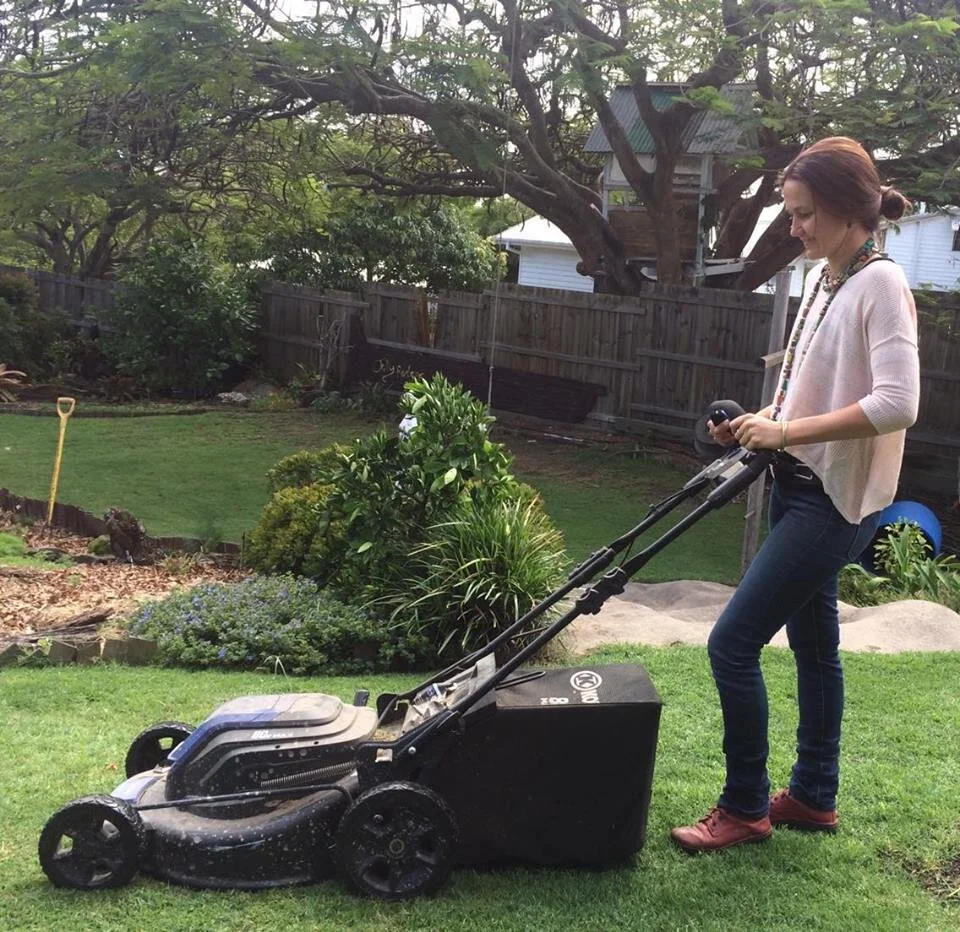
Does it look lush and green? Take a closer look, is that lush greenness coming from the lawn or all the weeds that have recently taken hold due to the rain.
At the moment my lawn isn't looking as good as it should - it is looking a bit patchy and the weeds like bindi, clover and Mullumbimby couch are coming through.
Sound like your lawn? Why not set yourself a simple lawn challenge so that by Christmas your lawn will be looking glorious and everyone will be coming to your house to play backyard cricket.
Sometimes with constant use most lawns become very hard and compacted and slightly hydrophobic (water-repellent).
So the first thing you need to do is aerate your lawn. Aerating your lawn means that the soil is opened up to allow air, water and nutrients to penetrate the grass roots. Aeration helps the roots grow deeply and produce a stronger, more vigorous lawn. Small lawns can be aerated with a sturdy garden fork. Simply insert the fork into the lawn and wriggle it back and forth to fracture the soil profile. If this doesn’t work and larger lawns may need a lawn aerator and/or lawn corer.
Once I have aerated my lawn I like to use a soil wetting agent. I prefer to use Plant of Health’s granular Soil Soaker, my sister loves putting the liquid Soak Soaker into Birchy and spraying it all over her lawn. To really up my lawn game I will put some liquid microbes into Birchy and do it all at the same time.
Hydrophobic lawns do not soak up water leading to overly dry or overly wet spots and can also stop the soil from being able to uptake nutrients (fertilisers). Soil wetting agents can help fix these problems.
A week or so after you've soil wetted you can fertilise.
I know it is winter and people say there is no need to fertilise in winter but I always like to give mine a little feed because the lawn still grows, just a bit slower. I also like to give it a liquid fertilise with Triple Boost about once a month.
I use a complete organic fertiliser by Plant of Health called Organic Link. It is pelletised and does not work in those special lawn fertiliser contraptions. I put mine in a bucket and break up the pellets a little bit and then use my hands and just throw it out over the lawns. The same company does offer an organic based slow release lawn fertiliser called Lawn and Turf Food.
I love the Plant of Health range as it makes my lawn grow thick and lush, not long and sparse, so less mowing and less weed problems. Most weeds occur in lawns that are sparse and unhealthy. The Plant of Health Range also makes my lawn roots grow strong and deep, so my lawn is more resistant to lawn grub and becomes more drought tolerant.
Dave Horton from Horton Turf Farm uses the Plant of Heath fertiliser range and has not used grub kill on his turf farm for over 10 years....if a turf farm doesn't need to spray for lawn grubs why do you?
So, hopefully by now my soil wetter and lawn fertiliser have started to work and most of my weedy areas are slowly being consumed by healthy lawn!
If this isn't the case I'll give my lawn a spray with Jerry Colby-Williams Iron Sulphate trick (see video) before I will resort to chemical weedkillers. I am not a huge fan of using chemicals on my lawns. I try to hand weed and keep the turf healthy before I resort to weed killers.
Did you know there is even the best time to mow and weed according to the moon calendar as growth will be slower?
Sometimes, if your lawn is so infected with weeds, you may need to use a spray. I try to minimise my use of these by spraying well before the weed has flowered. Usually three or four days after rain is when our lawn weeds are growing but not flowering. I have found this is a great time to spray.
When I do spray I like to use Searles’ Ultraweed. If you have Mullumbimby couch you will need Searles’ Lawn Weeder. These products are fine to use on all couch lawns.
The trick with killing weeds in the lawn is to be consistent. Think of it this way - once you see the weeds it usually means that they have already re-seeded. You may need to spray twice or even three times a fortnight apart, until the weeds have disappeared.
During this time you'll be happily mowing away, with a catcher on, of course, so you don't spread any stray lawn weed seeds. Don’t forget to set your mower a little higher too so you can shade out the lawn weeds.
If you are unlucky enough to lawn pests like lawn grub or army worm, you can try a Neem Oil (organic) drench every two weeks or spray with Dipel (organic). Again I don’t like using heavy chemicals on my lawns but if you needed to you can use Searles’ Dead Grub. Just know that this can harm the good bugs as well as the bad bugs in your lawn. So after you have used a product like Dead Grub always follow it up with a liquid feed of Microbes.
By Christmas you should have the best lawn on the street, unless someone else on your street also took up my lawn challenge!

Camellia Japonica
Do yourself and your garden a favour and treat yourself to a Camellia Japonica. These glorious plants are sometimes called the Rose of Winter.
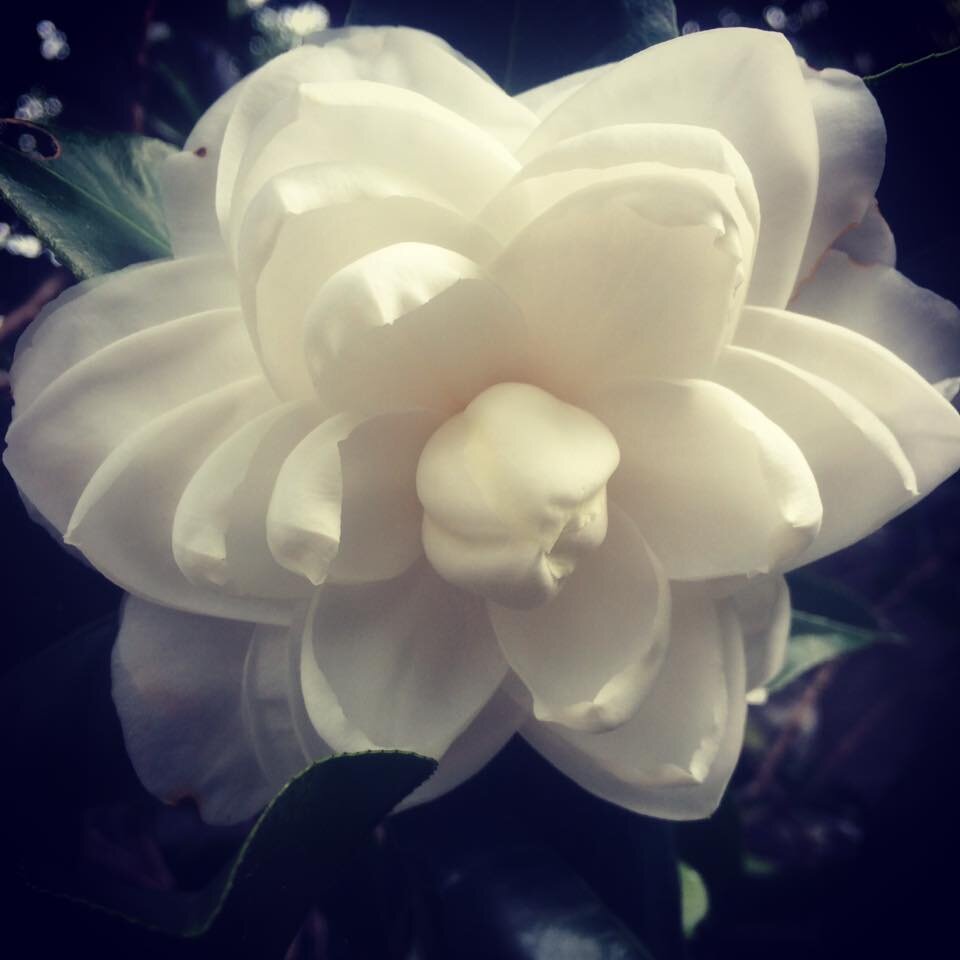
Over the years my grandfather has tried to teach me a lot. He tried to teach me to fish but I could never stand still long enough to catch anything! He tried to teach me to cylinder mow but I could never get the hang of mowing in a straight line. He even tried to teach me to be a little quieter and we all know that didn’t work! The one thing he did teach me well though was how perfect Camellia Japonicas are.
Do yourself and your garden a favour and treat yourself to a Camellia Japonica.
These glorious plants are sometimes called the Rose of Winter. I think they should be called the Jewel of Winter because they put on a fabulous flower display in the cooler months of the year when the rest of the garden often looks dull and bare.
Japonica flowers are what make this plant so perfect.
I get such joy in seeing the buds open to these so flawless and diverse flowers. I have found over ten different descriptions of Japonica flowers. The most common are single, double, peony and formal double. The shade of the flowers are just as diverse and can vary from red to pink to white and sometimes have multi-coloured stripes or specks. The flowers are not small either with many flowers being at least 15cm in diameter. What is even better is these plants flower in abundance and the flowers last for ages. A childhood memory is of water bowls all over our house filled with japonica flowers.
Camellia Japonicas have the darkest green glossiest foliage. The leaves are quite broad, thick and smooth making the plant look lush and dense. Japonicas will grow superbly in full shade or part shade. In climates where deciduous trees are popular japonicas are usually planted underneath so they are protected from the hot summer sun but are free to shine while they are in flower and the tree is naked.
Japonicas don’t mind if they are planted in the ground or in a pot. They don’t like wet feet though so make sure your soil is well drained and slightly acidic, around pH6. They are quite hardy once established. I find they do best if they are mulched well and are given a good fertilise about every three months with a slow release complete organic fertiliser like Organic Link. I also like to give my japonicas a granular dose of sulphate of potash around April/May to help promote flowers. During their flowering season I liquid Plant Care them on a regular basis to keep them healthy while in bloom.
About once a year usually around the end of August I add a little bit of Dolomite to the soil around my camellias. Camellias can be prone to calcium deficiency and I find adding a little bit of Dolomite helps with this. If I can’t add Dolomite (or I forget) I try to Liquid Bio Trace my Camellias at least twice a year.
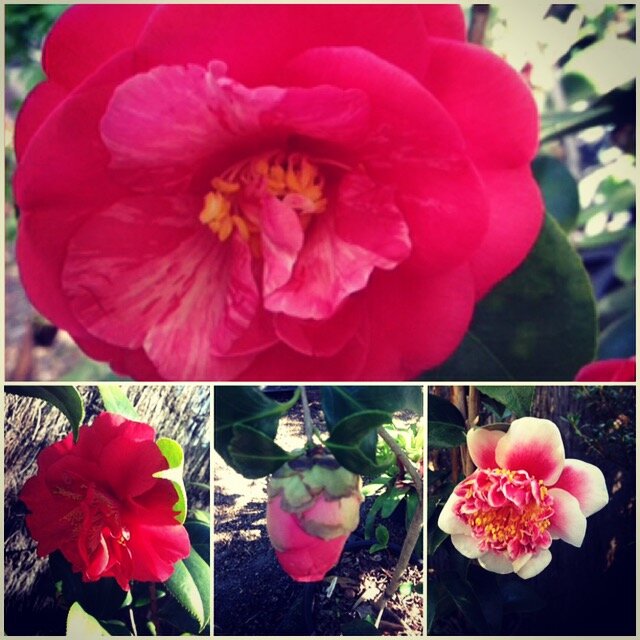
Camellia Japonica Flowers
Why doesn’t everyone have one of these glorious plants?
Over the years they have gotten a bad reputation because they are slow growing and some varieties can take years to flower or suffered Bud Drop.
Beautiful plants do not grow overnight and it is nice to have a plant that does not need constant trimming.
Bud Drop is the loss or decay of buds. This can be caused by over watering (we sometimes get wet winters), high temperatures (we sometimes have hotter than expected winters), pot bound roots and incorrect positioning.
Some Japonicas can take years to flower and some don't flower that well in our climate. I remember my mother waiting years for our 'Waterlilly' japonica to flower. It was well worth it but seriously!!! I have found in Ipswich's unpredictable winter climate the formal doubles struggle to flower spectacularly every year, the others flower very easily.
There are many japonicas that are perfectly suited to flower and grow in Ipswich. Don't ever forget that even one Camellia japonica in a pot on a veranda is the perfect way to give your dull winter life some TLC and bring some happiness back into your garden!

Vegetable Garden Checklist
Quick guide to creating your own vegetable garden and growing your own food
✔ Choose a position that receives 5-6 hours sun per day.
✔ Remove the existing grass, plants, rubble.
✔ Add Organic Matter, water in well.
Organic Matter is compost, soil activator, animal manure, fertiliser manure pellets, blood and bone. If you have very clay soil add some liquid gypsum
✔Make sure ground is well tilled to at least 30cm, preferably 60cm.
✔ Choose vegetable seedlings that are appropriate for the season and Plant (roots side down 😉)!
Plant a diversity of flowers, herbs and vegetables so your garden attracts beneficial insects. Here is a great list of Cool Season Vegetables
✔After planting Water all in well with Triple Boost as this helps reduce transplant shock.
✔ Mulch with an organic mulch like sugarcane or lucerne. Water again.
Mulch helps to conserve soil moisture, suppress weeds, keep the soil an even temperature and stop erosion. If directly sowing seeds only use a very fine layer of mulch so as to not impede seed germination.
✔ Water regularly
✔ Fertilise with a combination of Triple Boost Fruit and Vegetable and Neem Liquid Fertiliser fortnightly .... Enjoy!

Winter Vegetables
Autumn, Warm Days, cool nights. Perfect for vegetable planting.
Autumn. Warm Days, cool nights. Perfect for vegetable planting.
By now your vegetable patch has been freshly composted and manured. It’s just waiting for you to plant out. If you are having trouble with how to start off your vegetable patch, check out my Vegetable Patch Checklist
The basic cool season vegetables that I find grow well in most areas are – broccoli, beetroot (my favourite), cabbage, cauliflower, leek, onions, shallots, silverbeet, spinach, snow peas, strawberries (my other favourite), peas, kale and rhubarb.
If you don’t get a frost or you can cover your vegetables - beans, lettuce, capsicum and tomatoes can also be grown.
If you get really cold you can give brussels sprouts a go.
This is the basic vegetable range; there are so many different variations on these classic cooler weather vegetables.

In seedlings alone you can get about four different versions of broccoli.
If you start using old fashioned open pollinated seeds, the list can be endless.
If your vegetable patch consists of a variety of different sized pots don’t worry, there is a large range of dwarf vegetables available in seedlings and seeds.
Leek, lettuce, capsicums, shallots, silverbeet, spinach, snow peas, strawberries, peas and rhubarb all grow well in pots without needing dwarf varieties.
The secret to growing any vegetables in pots follows the same principles as growing in the ground.
Start with the best quality soil or potting mix, mulch with an organic material (I like organic sugar cane mulch that is free from weeds), fertilise with a complete organic slow release fertiliser and liquid fertilise fortnightly with a complete organic liquid fertiliser.
I like using the Plant of Health range of fertilisers – Organic Link and Triple Boost and Searles' range of garden soil for gardens and potting mix - Platinum Potting Mix for pots
I find the cooler months are the best time for growing herbs. Nearly all the herbs are available now. Herbs grow well in the garden or in pots and most herbs can be grouped together in pots to make mini herb gardens.
The best thing about growing cool season vegetables is that it’s usually too cold for the pests to be out and about. If you do get a few pests a pyrethrum based spray or one of the new organic sprays like eco oil or eco fend work well. Mildew and mould is a common problem during wet winters - copper spray (some are considered organic) can be the best solution.
I have heard that having pretend white butterflies in your vegetable patch not only looks pretty but helps deter moths. Jerry Coleby-Williams has also mentioned that Land Cress is a confirmed biocontrol. We stock Land cress in seeds and in plants.
Remember though the healthier the soil, the healthier the plants and the less likely you are to get problems. Now get outside and get dirty!

Fertilising at Trevallan
Trevallan follows best organic input in our fertilising practices and the other products we use to keep our plants healthy.
Quick Guide to Trevallan's Favourite Things
Trevallan Lifestyle Centre loves to use the Plant of Health Range at home and at the Garden Centre. We stock this range in store, what we use, you can use.

Slow release pelletised fertiliser
Can be used on every plant – natives, roses, camellias, palms, vegetables – we use it on every plant in the centre
Won’t burn or leech
Finely balanced mineral fertiliser
A high carbon, composted fertiliser to promote nutrient retention and to supply a home base for beneficial micro-organisms
For more information click here
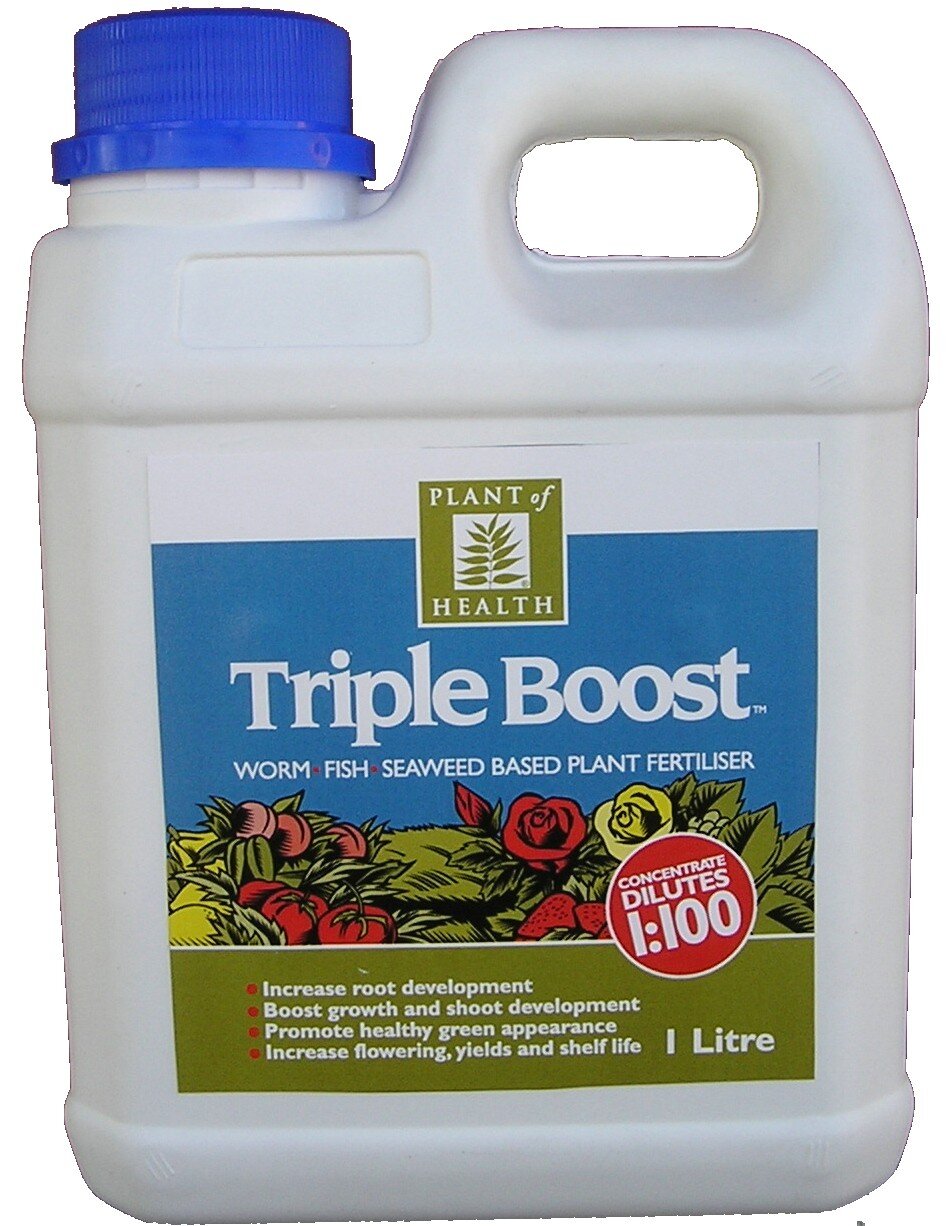
Liquid Fertiliser (mix with water and water over plants foliage)
Boosts growth and root development
Promotes healthy green appearance
Super concentrated fertiliser based on nature’s super foods – fish, seaweed and earthworm combined with trace elements
Contains Tricontanol (extracted from bees wax) powerful photosynthesis enhancer

Liquid Fertiliser (mix with water and water over plants foliage)
Potash helps the plants produce fruit and flowers
Silica can help with plant stress caused by heat, wind, cold and transplanting
For more information Click Here
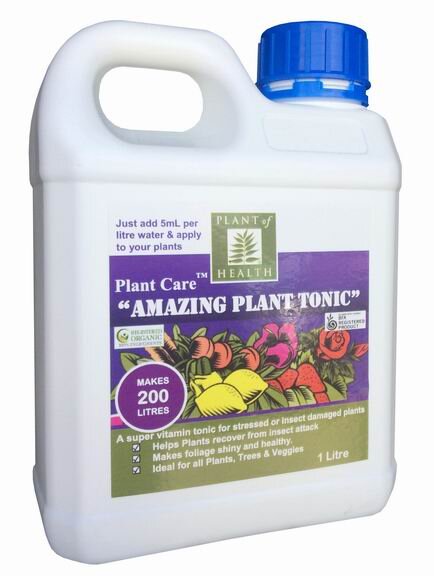
Liquid Fertiliser (mix with water and water over plants foliage)
Super tonic for stressed, flowering or fruiting plants
Helps prevent insect attack
Promotes the plants health during flowering and fruiting
Increases the plants foliage gloss and vitality

Eco friendly surfactant
Allows water to soak into the soil retaining it where it’s needed most.
Available in liquid form or granular form

Organic liquid that provides good bacteria to your soil (PROBOTIC FOR YOUR SOIL).
Enriches and detoxifies your soil and compost.
Healthy soil leads to enhanced plant growth. This can lead to better crop yields, drought and frost resistance and better pest and disease resistance.
Add to water and water into soil

Bio Trace
All in one trace element mix that contains major and micro trace elements that are essential to a plants overall health.
For more information on Trace Elements Click Here

Easy to spread, convenient application
Improves soil fertility
Improved root growth and lush green appearance
Retains moisture
Help put carbon back into the soil
Contains beneficial microbes
Added Trace Elements ensures luxury uptake of minerals maintaining mineral balance & lawn health
Continual use helps prevent Lawn Grub
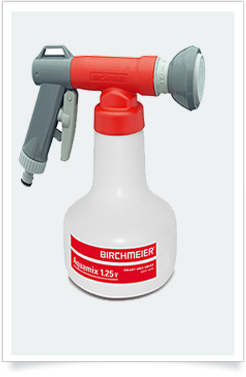
Birchy AquaMix is a fertilizer mixing unit for liquid fertilising without a watering can. The well designed dosing system ensures a precise mixture of water and liquid fertiliser. This is what we use in the garden centre and at home to apply the liquid fertilisers mentioned above.

Mites
MITES may be invisible to the naked eye but the damage they can cause to plants and lawns isn't so unobvious.
MITES
These pesky bugs are everywhere at the moment, even in lawns. I have found out there are about a gazillion different types of mites (well maybe not a gazillion but quite a few).
Unfortunately mites are invisible to the naked eye. The damage isn't so unobvious.
Some signs of mites
leaves take on a brown, felt-like appearance
distorted, knobbly new growth
the leaves may have yellow blotches on them
distortion, deformation, wilting, spotting, streaking or discoloration on the surface of the leaves
Flowers may not open or become distorted
spiderwebbing on the undersides of the leaves or up stems
With all insect infestations I treat the problem at hand but I also look at why the plant or lawn is being attacked. Is the plant/lawn stressed or unhealthy, too dry or too wet. I always follow the advice I was once given by an organic farmer - A healthy plant doesn’t suffer from an insect attack! So if my plants are suffering from an insect attack I deal with the insect but then look at how to make the plant/lawn healthy again.
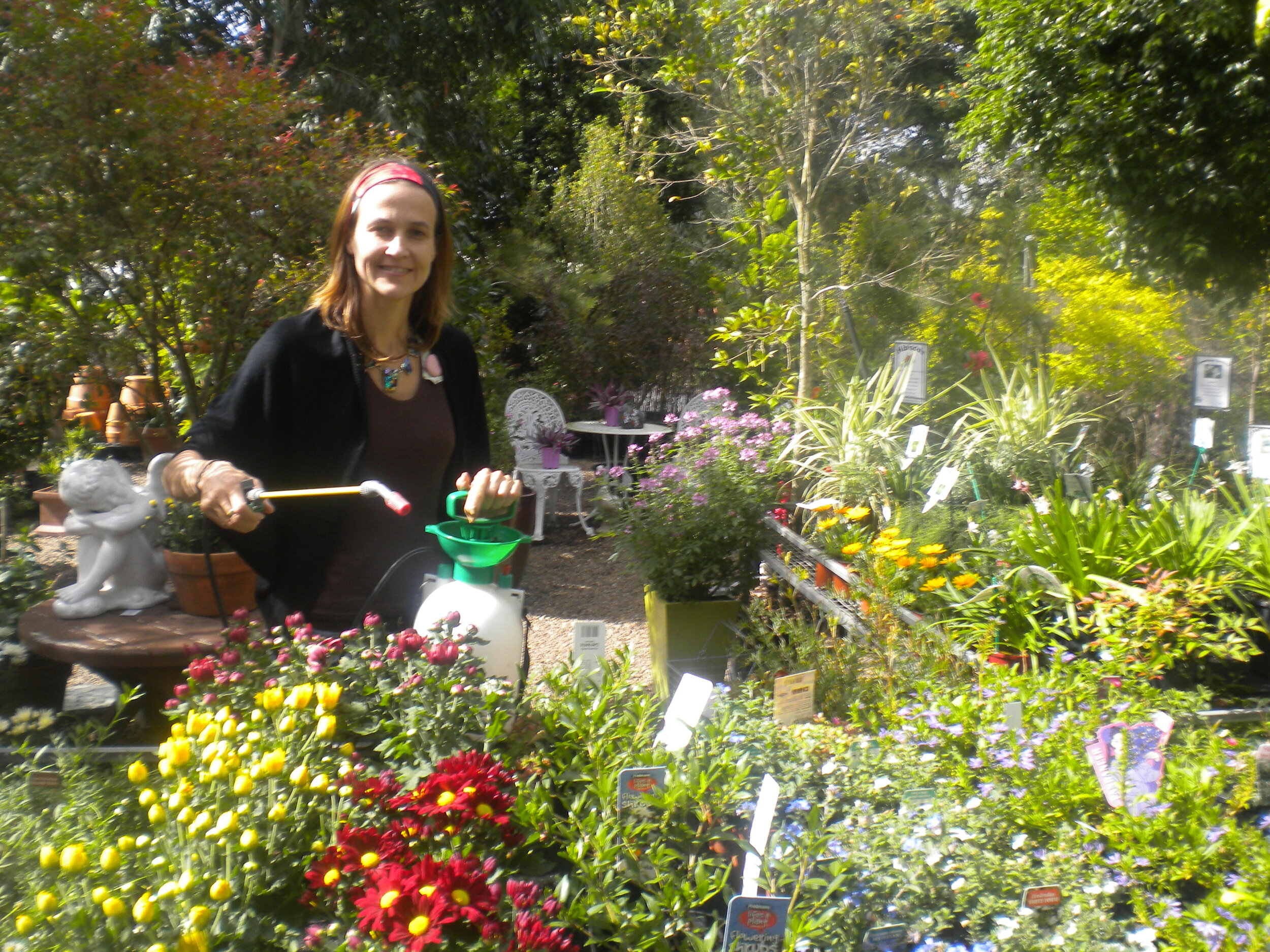
Our method of controlling most pests here at Trevallan is a simple one. Trim and fertilise. Sometimes though a fertilise with Organic Link and Triple Boost just doesn't cut it.
When I asked Des from Plant of Health (the team that make our wonderful organic fertilisers) what to use when i need to ‘spray’ to deal with an insect attack he recommended a weekly spray for at least four weeks with Plant Care and Neem Oil, mixed together. This can be used on lawns too.
Why Neem Oil and Plant Care?
Neem Oil is derived from the Azadirachta indica tree. When applied to insects and the plants they are eating, neem oil causes many insects to feed less, grow more slowly, molt less, and lose interest in laying eggs. Neem also suppresses the hatching of pest insects from their eggs.
Plant Care is like a vitamin pill for plants or when they’re sick or stressed. Plant Care contains natural liquid fish proteins, amino acids, liquid vermicast, fulvic acid, natural growth stimulants as well as a special blend of selected herbs and botanical extracts. Plant Care is a natural, non toxic foliar spray and can be used regularly on all plants, vegetables and lawns without the fear of NPK overload or plant damage.
So when mites or any other insects attack take Des' advice ‘a four week intensive care program’. You will see the difference in all your plants as you say goodbye to mites and any other nasty insects that want to destroy your garden.
Good Luck Mite Hunters.

Bloomin' Fabulous
Potassium Sulphate or Sulphate of Potash is commonly called Potash. It is an essential element necessary to the lives of all plants.
A common question I am asked is "why didn't my fruit trees fruit profusely or if they did why was the fruit misshapen?" Or "why didn't my camellias and azaleas flower as well this year?" Or even "why are all my coloured foliaged plants like crotons and dracaenas losing their colour?"
The answer is usually quite simple - Your garden just needs some TLC and maybe a little Potash!
Potassium Sulphate or Sulphate of Potash is commonly called Potash. It is an essential element necessary to the lives of all plants.
It aids in disease resistance and frost protection by strengthening the plants cell walls. It helps in seed and root development. It encourages strong new growth and helps with the formation of flower buds and fruit.
Potash can improve the quality and the colour of flowers and enhances the formation of proteins and sugars in fruit. Potash can even help plants with slender stems and large flower heads such as Iceland poppies and gerberas hold their heads erect.
Potash defective cues can be seen in a number of ways in your plant. Your plants might be showing signs of overall weakness especially in its stem. It could have yellowing leaf margins and grow more slowly. It could also be disease prone and its fruit and flowers will be small and poorly coloured and sometimes tasteless.
Don't confuse a potash deficiency though with an unhealthy plant. Always make sure you have given your plant some complete slow release organic fertiliser like Organic Link and a Bio Trace first.
Complete fertilisers, whether they are chemical or organic, usually contain potash. Organic Link contains potash. An N:P:K ratio can usually be found on the fertiliser label. A very quick explanation of the N:P:K ratio is - N stands for Nitrogen (greening, growing), P Phosphorus (roots) and K Potassium (fruiting, flowering).
If you use mainly a manure based fertiliser like blood and bone or chicken manure you will need to add potash as these products don’t naturally contain it.
Potash also is available by itself in a liquid form and a granular form.
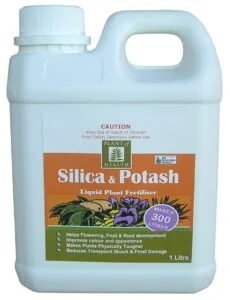
The liquid form is added to water and used as a foliar spray. Used like this it is quick acting but not long lasting and needs to be repeated on a fortnightly basis. This is best for promoting flowers especially on annuals. I use Plant of Health's Potash and Silica.
The granular form is added to the soil and watered in. The granular is slower acting but lasts a lot longer. This is best for correcting deficiencies, promoting fruit and stimulating coloured foliage. We use Searles' Potash.
This weekend I want you all to get some granular potash and go a little silly in your gardens.

The Secret to Great Looking Plants
If you've fertilised, watered well, even checked the pH level, what could possibly be wrong with your plants? Trace elements.
I have discovered the secret to great looking plants.
Trace Elements.
Trace Elements isn’t some brand spanking new fertiliser on the block. It’s an essential item to healthy soils.
Most gardeners are going ‘pfft’ - I so knew that.
Well you might know it but how many of you use a complete trace element mix on your gardens at least once a year? What about your pots, at least twice a year?
It seems everyone fertilises and expects to see results. What happens when you do all the right things but you don’t see the results you want?
A common question is – “I’ve given my plants all the TLC they can handle, I’ve fertilised, watered well, even checked the pH level and it's perfect. What could possibly be wrong with my plants?

Most of us are aware that plants require mineral nutrients for their growth and development. Nitrogen, phosphorus and potassium, the macro elements, the names that usually appear on fertilizer packages, whether you use organic or chemical fertilizers. It is sometimes assumed that they are the "important" nutrients. These macro elements are just consumed by the plants in large quantities. Trace elements, micro nutrients can often be forgotten about as they are required in minuscule quantities.
When it comes to macro elements being the most important nutrients, nothing could be further from the truth. Trace elements like Manganese, Iron, Zinc, and Copper, are every bit as vital to the plants metabolism as nitrogen, potassium and phosphorous. They have essential functions and so a deficiency in even one element will adversely affect the healthy growth of the plant. Strangely enough some trace elements when present in excessive concentrations are actually poisonous for plants.
Common gardening practices (such as liming acid soils) can contribute to widespread occurrence of micronutrient deficiencies in plants by decreasing the availability of the micronutrients present in the soil. Also, extensive use of glyphosate (most common weed killer) is increasingly suspected to impair micronutrient uptake by plants, especially with regard to manganese, iron and zinc.

So how do we pinpoint the problems in our soil? We can get a leaf or soil analysis. Yeah right! I couldn’t be bothered with all that.
So what do I do?
I use Plant of Health’s Bio Trace. It has a blend of the key micronutrients (e.g. iron, cobalt and manganese) supported by macro elements. It is also contains fulvic acid to further enhance growth and health.
The best thing about Plant of Health’s Bio Trace, you mix some up in a watering can and pour it over the plants foliage or as a soil drench. Done. Couldn’t have been easier.
Go on breathe some life into your garden and use Plant of Health’s Bio Trace.
Careful though, when you see the difference it makes you’ll be buying it in bulk like I do now!

Bugs on my Plants!
At the moment I am finding that aphids are having a feast in my garden. With the warm days many of my plants have tender, yummy, new shoots appearing, just what aphids love. There are many different species of Aphids; they are all small sap sucking insects that vary in colour from green to yellow and black.
Some days start off perfectly - the slow and steady rise from sleep to wakefulness, the smell and taste of a fresh brewed coffee and the deliciousness of a cooked breakfast. Finally as the sun starts to warm up the garden you get motivated to go outside and enjoy the day by being productive.
You take a slow stroll around the garden creating a mental checklist of what needs to be done when you stop short. What on earth has happened to my beautiful plants? They were fine yesterday (or whatever day I was last out here!) Now suddenly they are in dire need of a little TLC. The perfect morning is slowly spiraling downhill.
Even through the cold months insects can play havoc in our gardens.

Aphids on my rose buds
An easy way to keep insects and disease at bay is to keep our plants healthy. I fertilise every three months with a complete organic slow release fertiliser - Organic Link and I try to liquid fertilise every two weeks. Little and often is a great mantra. Fertilising regularly is a great way of helping our plants stay strong and able to fight off disease and insects.
Sometimes though even the best laid plans go astray and plants unfortunately will get disease and insects, it even happens to the best of us green thumbs!
At the moment I am finding that aphids are having a feast in my garden. With the warm days many of my plants have tender, yummy, new shoots appearing, just what aphids love. There are many different species of Aphids; they are all small sap sucking insects that vary in colour from green to yellow and black.
Aphids don’t just suck the life from your plants they also transmit virus diseases such as broad bean wilt. Aphids also secrete a sweet sugary honeydew which can lead to other problems like sooty mold.
Natural predators are lady birds but most of us don't have enough lady birds to stop an infestation.
I like to use neem oil to combat most insects in the garden but two other great organic products are Ecofend® and Eco Oil. Some people find alternating between them is a great idea.
Go and check all your flower buds and new growth. My camellia flowers and hibiscus flowers were inundated with aphids this morning.
Remember prevention is better than the cure so if you haven't fertilised recently now is a great time to do it.