Find Us:
77 Fernvale Rd
Brassall QLD 4305
(07) 3201 8630
Open:
Tue-Sun 9am - 4pm

Winter Gardening Jobs
Winter in Ipswich brings cold nights and warm days, perfect for gardening. Mulch to maintain soil temperature, fertilise with Silica and Potash, and protect young plants from frost. Start a herb garden, plant seed potatoes, and enjoy winter blooms like camellias. Maintain your lawn, care for fruit trees, and focus on herbs and leafy greens in your vegetable patch. Keep your garden thriving all winter with these expert tips.
Winter in Ipswich brings a mix of cold nights and warm days. As a gardener, you might find yourself stripping off layers one minute and bundling up the next. Here's how you can make the most of this season in your garden:
Fertilise Gardens and Pots
At the turn of every season I also like to soil wet and fertilise my gardens and pots. I use Plant of Health’s granular Soil Soaker and Organic Link Fertiliser. Soil Soaker enables hydrophobic soils to become water penetrable and retain water. It also houses beneficial microbes, nutrients, silica and diatomaceous earth these make soil healthy which in turn improves root and shoot development and also reduces plant stress.
I will use Soil Soaker first then in a week or so give them all a good fertilise with Organic Link.
I also use Silica and Potash monthly to help plants naturally withstand cold damage. For young plants susceptible to frost, apply Envy frost protectant monthly.
While insects aren’t usually bad at this time of year if you do notice an attack a spray with neem oil is usually all you need.
Feed my winter flowering plants
Sometimes we just can’t get around to fertilising all our plants. At this time of year if I can’t fertilise everything I like to pay particular attention to my camellia sasanquas and japonicas, rondeletias, zygo cacti, azaleas and my poinsettias to keep them looking good and help promote flowers. I will also start to liquid fertilise these plants with Silica and Potash fortnightly to promote flowering.
Mulching
Mulching isn't just for summer; it's equally important in winter. It helps keep the ground temperature even, reducing cold stress on your plants.
Pruning
Late winter is a great time to prune most plants to ensure healthy spring growth.
Lawn Care
At the turn of every season I like to soil wet and fertilise my lawn. Even though I know winter isn’t a time for large growth, I find the heathy it is all year the better it looks and less attention I need to ultimately pay to it. I use Plant of Health’s granular Soil Soaker and Lawn and Turf Fertiliser.
I find lawn weeds don’t grow anywhere near as quickly in winter as they do in spring. I believe if I can get on top of them now I won’t be doing the bindii dance in summer! Normally at this time of year I can easily dig up any stray weeds and I always mow with the catcher on. If by chance I do need to spray I try to do it about three days after rain when the weeds are young but not in flower yet. I use Searles ‘Lawn Perfect’ as it kills most of the weeds coming up in my lawn. I don't worry too much about winter weed as I find out it dies out quickly as soon as the weather warms up.
Fruit Tree Care
Citrus trees can prone to Leaf Curl and Leaf Miner. Both these problems are mainly caused by insects. Normally when my plants are under attack I trim off affected growth and fertilise with Organic Link. At this time of year my citrus are usually in fruit or flower and I don’t want to stress the plants out and cause a flower or bud drop. So I will start a weekly spray for at least four weeks with Plant Care and Neem Oil, mixed together to give them an immediate boost.
After fruiting I will trim and fertilise.
While fruit fly isn’t meant to be active in winter I always change my fruit fly wick every three months or on the turn of the season, so beginning of Winter. Any fruit that is forming with get a spray with Eco-naturalure, an organic fruit fly spray to protect them from the odd pregnant female flying about! For more information on Fruit Fly click here.
What to plant
With the cool nights and warm days, it has become a vegetable gardeners paradise. There are so many vegetables that grow at this time of year beetroot, broccoli, snow peas, Asian greens, strawberries, onions, kale, leeks, cauliflower, spinach, rocket, coriander, cabbage, peas (though I don’t know why… Yuk!), just to name a few. Tomatoes and zucchini can also be planted now to get good growth before summer hits with fruit fly.
Winter is also a great time to start a herb garden. Herbs like basil thrive in the cooler months. Instead of paying high prices for fresh herbs, you can grow your own. Trevallan offers a variety of everyday herbs like chives, oregano, lemongrass and unique herbs like bergamot, chamomile, and chia. Now is also a good time to try seed potatoes, garlic and shallots.
Regularly fertilise with Triple Boost and Neem to enjoy a bountiful harvest of winter vegetables.
Jobs done … I can kick back relax read my Winter About the Garden Magazine and enjoy the sunshine!

Azaleas
Azaleas are the blaze of colour that brings warmth to the cooler months garden. These divine mass flowering plants will do well for many years but they do need a little TLC to look their best.

Azaleas are the blaze of colour that brings warmth to the cooler months garden. These divine mass flowering plants will do well for many years but they do need a little TLC to look their best.
These beautiful plants have dark lush green foliage and come in a wide variety of colours from white, through to pinks, purples, reds and oranges. There are two basic flower types – single and double. The double is my favourite and luckily many double flowering azaleas spot flower throughout the year so I can enjoy this lovely plant all the time!
Most Azaleas will thrive in semi-shade but some will also look fantastic in full sun or full shade. I prefer the smaller more compact varieties that usually grow to around 50cm to 1m high but some can get over 2m high.
Azaleas love acid soil; the pH range should be between 5.5 and 6.0. Many Ipswich residents find that their garden’s soil pH is too low and prefer to grow azaleas in pots and that's perfectly ok as these plants do well in pots and gardens.
Azaleas have a shallow tight root system. If a good layer of mulch is applied, to your pots or the garden bed, and a soil wetter is used at least every 12 months azaleas should thrive. The mulch, must be organic mulch, like sugar cane or rainforest fines. This helps to keep moisture in the soil, and also helps keep the roots warm in winter and cool in summer. The soil wetter helps water penetrate the soil and root ball as after a period of time your soil can become hydrophobic (resists water).

Nice Surprise Azalea
To keep my azaleas looking their best I use the Plant of Heath Range. I use Organic Link every three months and I will also try to give them a liquid fertiliser fortnightly. I alternate between Triple Boost and Neem Oil (together) and Silica and Potash. When my azaleas have finished flowering I prune them back by about one third.
Azaleas do have some pest and disease problems but I find the healthier the plant the less trouble I have.
Petal blight is a fungal disease that turns the beautiful flowers suddenly brown. You can use an organic fungicide called eco-fungicide but I find the easiest solution is to pick off the affected flowers and throw them away and then I give them some liquid fertiliser.
A common problem with azaleas is one where the leaves loose their colour and lustre; it kind of looks like the leaf has been sand blasted. If this occurs, turn the leaves over and you may see black spots. This is a sign of Lace bug. Severe infestations can lead to reduced plant vigour and loss of leaves. To prevent this from happening I mix Neem oil into my Triple Boost Liquid fertiliser (that I foliar spray once a fortnight). I find prevention is better than fighting the problem after it occurs.

Red Wings Azalea
If the problem does occur I spray with Eco-Fend. You may need to spray a few times to control your infestation and unfortunately once the leaves have that sand blasted look they will stay that way. A good trim and fertilise will help promote nice new healthy growth to cover the unsightly affected growth.
I love how azaleas can enliven a garden‘s dull spots and bring a smile to the face of a friend when given as a present. These plants truly will give your life the TLC it deserves.

Camellia Japonica
Do yourself and your garden a favour and treat yourself to a Camellia Japonica. These glorious plants are sometimes called the Rose of Winter.
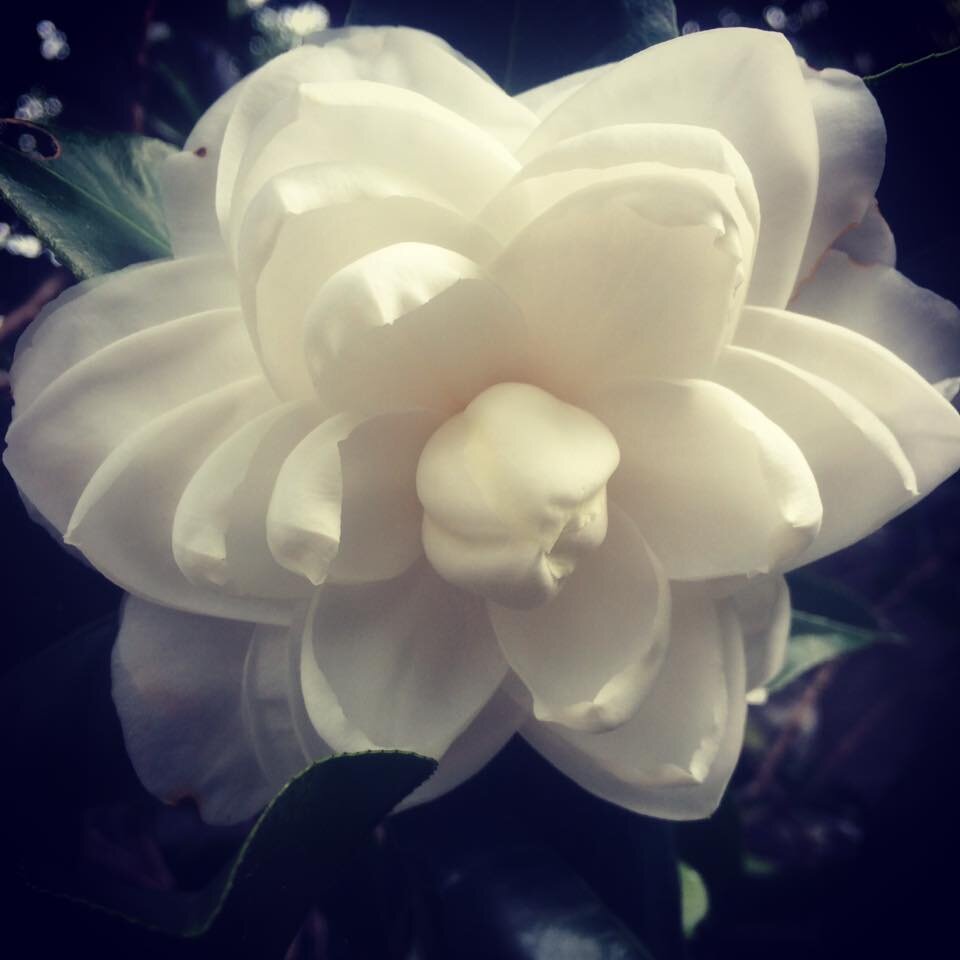
Over the years my grandfather has tried to teach me a lot. He tried to teach me to fish but I could never stand still long enough to catch anything! He tried to teach me to cylinder mow but I could never get the hang of mowing in a straight line. He even tried to teach me to be a little quieter and we all know that didn’t work! The one thing he did teach me well though was how perfect Camellia Japonicas are.
Do yourself and your garden a favour and treat yourself to a Camellia Japonica.
These glorious plants are sometimes called the Rose of Winter. I think they should be called the Jewel of Winter because they put on a fabulous flower display in the cooler months of the year when the rest of the garden often looks dull and bare.
Japonica flowers are what make this plant so perfect.
I get such joy in seeing the buds open to these so flawless and diverse flowers. I have found over ten different descriptions of Japonica flowers. The most common are single, double, peony and formal double. The shade of the flowers are just as diverse and can vary from red to pink to white and sometimes have multi-coloured stripes or specks. The flowers are not small either with many flowers being at least 15cm in diameter. What is even better is these plants flower in abundance and the flowers last for ages. A childhood memory is of water bowls all over our house filled with japonica flowers.
Camellia Japonicas have the darkest green glossiest foliage. The leaves are quite broad, thick and smooth making the plant look lush and dense. Japonicas will grow superbly in full shade or part shade. In climates where deciduous trees are popular japonicas are usually planted underneath so they are protected from the hot summer sun but are free to shine while they are in flower and the tree is naked.
Japonicas don’t mind if they are planted in the ground or in a pot. They don’t like wet feet though so make sure your soil is well drained and slightly acidic, around pH6. They are quite hardy once established. I find they do best if they are mulched well and are given a good fertilise about every three months with a slow release complete organic fertiliser like Organic Link. I also like to give my japonicas a granular dose of sulphate of potash around April/May to help promote flowers. During their flowering season I liquid Plant Care them on a regular basis to keep them healthy while in bloom.
About once a year usually around the end of August I add a little bit of Dolomite to the soil around my camellias. Camellias can be prone to calcium deficiency and I find adding a little bit of Dolomite helps with this. If I can’t add Dolomite (or I forget) I try to Liquid Bio Trace my Camellias at least twice a year.
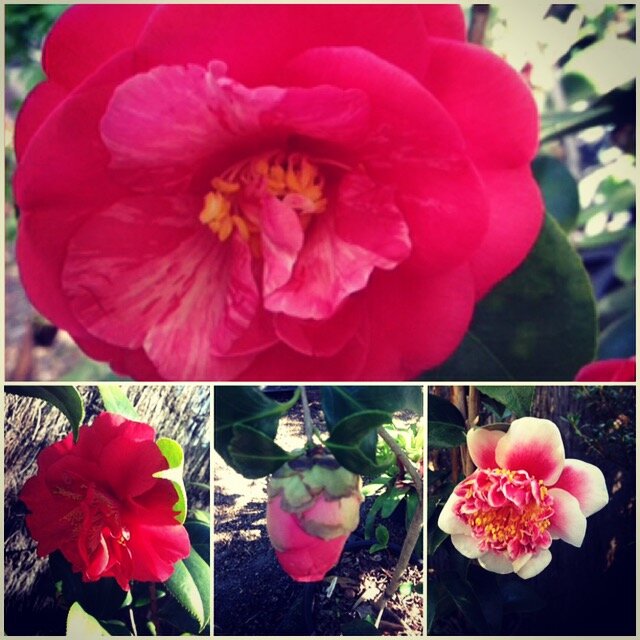
Camellia Japonica Flowers
Why doesn’t everyone have one of these glorious plants?
Over the years they have gotten a bad reputation because they are slow growing and some varieties can take years to flower or suffered Bud Drop.
Beautiful plants do not grow overnight and it is nice to have a plant that does not need constant trimming.
Bud Drop is the loss or decay of buds. This can be caused by over watering (we sometimes get wet winters), high temperatures (we sometimes have hotter than expected winters), pot bound roots and incorrect positioning.
Some Japonicas can take years to flower and some don't flower that well in our climate. I remember my mother waiting years for our 'Waterlilly' japonica to flower. It was well worth it but seriously!!! I have found in Ipswich's unpredictable winter climate the formal doubles struggle to flower spectacularly every year, the others flower very easily.
There are many japonicas that are perfectly suited to flower and grow in Ipswich. Don't ever forget that even one Camellia japonica in a pot on a veranda is the perfect way to give your dull winter life some TLC and bring some happiness back into your garden!
My Dirty Little Secret
I love the scent wafting in the air, just a hint of spring. I love getting up close and breathing deeply letting the fragrance fill me. I love how it captures me and makes me want more. Oh how glorious it would be to be surrounded by Jasmine polyanthums.
Every year around this time my secret love affair starts.
It starts off slow with only a hint of the love and pure joy that will come as the days turn into weeks and finally months.
Then it’s gone. All the happiness and pleasure gone and I come crashing back down to earth.

Jasmine Polyanthum in full bloom. I love this scent.
I have to keep my love a secret as so many people disagree with me plus this love is just so, so, so common!
But I’ll let you in on my dirty little secret…. I love Jasmine polyanthum. They give my end of winter start of the westerly winds blues the TLC I need to continue. I know spring will be here soon.
I love nearly everything about this plant.
I love the soft feather like foliage, the deep green lushness of its leaves.
I love the way it soft stems intertwine themselves and fall gracefully down.
I love how the pink buds form at the end of winter, letting me know the end of this cold is close.
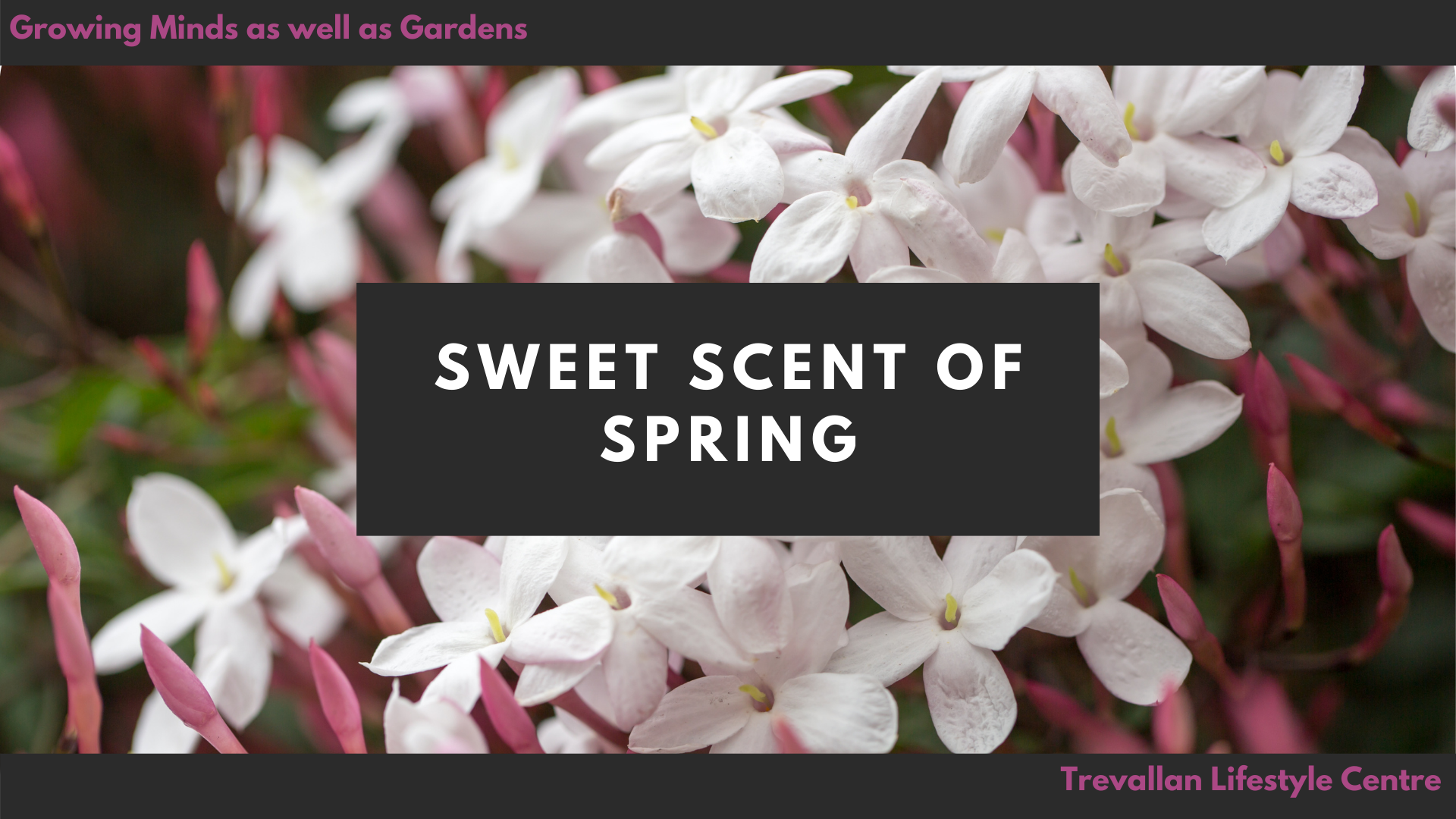
I love watching the deep pink buds open to the purest white flower.
But most of all I love the scent.
I love the scent wafting in the air, just a hint of spring. I love getting up close and breathing deeply letting the fragrance fill me. I love how it captures me and makes me want more. Oh how glorious it would be to be surrounded by Jasmine polyanthums.

Every year I forget what their scent does to me. Then I start to notice them everywhere. This beautiful dense climber with pink buds and then they buds open and I’m in love all over again.
While Jasmine polyanthums are beautiful at this time of year reality hits around autumn and winter when they have a tendency to look a little shabby. I have found that a good fertilise with Organic Link Fertiliser and trim after flowering (November) and just before flowering (June) helps keep them looking neat and beautiful.
Jasmine polyanthums love the full sun but can grow in some shade. They are a very vigorous climber and can cover an area quite quickly.
If you don’t have anywhere for them to climb don’t worry they look glorious in hanging baskets or trailing over the edges of retaining walls.
I have even seen some Jasmine polyanthums climbing on chain link fence and they were so highly trimmed it looked like a box hedge.
These plants are hardy – they don’t mind a little bit of dry weather or a little bit of wet weather. They seem to handle the cold and the heat and once established can handle most soil types.
Jasmine flowers are also commonly used as aphrodisiacs so make sure you like your neighbours before you use it on your fencing!
Also for many people the scent can be very overpowering and even a bit sickly so do be mindful of where you plant it.
This weekend give your love life some TLC and bring a Jasmine polyanthum home, it can even stay inside for a few days too, so you can enjoy the scent 24/7.

My Favourite Scentous Month
I find the best way to give my life some TLC especially during one of the coldest months of the year is to have a Rogiera amoena.

I love July. It has to be my favourite month. Not only is it my birthday month but my favourite plant is starting to flower. I first discovered this plant when I was a little girl climbing trees in my parent’s garden. At the time I thought that my mother and father had especially planted this tree for me so I had flowers on my birthday. I just could never work out why they planted it under my sister’s window and not mine! Even when I smell the flowers today I get transported back to their garden and a time of simple existence.
I find the best way to give my life some TLC especially during one of the coldest months of the year is to have a Rogiera amoena. Many of you would know it by it’s old botanical name Rondeletia amoena. Whether it be in the garden or a pot this plant is a must for all gardeners. Some may class it as old fashioned, for me it’s timeless!
Previously the genus name, Rondeletia, commemorates Guillaume Rondelet, a 16th century French naturalist. The species name, amoena, is from the Latin meaning 'lovely' and lovely it is.
Rogiera amoena is an evergreen shrub or small tree to around 3m tall. It has dense green foliage making the perfect tree for hedging or as a feature. Energex even thinks it’s a wonderful plant and recommends it for planting under power lines.
By July Rogiera amoena are just beginning to produce their clusters of deep pink buds which will slowly open to salmon-pink, perfumed flowers. They will flower from July until the end of spring. These deliciously scented flowers do not have an overpowering scent. If you are anything like me though you’ll want to sit all day in the garden and breathe in this divine scent.

Rogiera amoena’s are a versatile plant that can be grown in full sun or part shade. It is a very tough, drought-tolerant plant for any style of garden from tropical to formal. These plants are hardly bothered by pests or disease and they even attract butterflies!
Whether you have a green-thumb or slightly brown tinged one Rogiera amoena are for you.
A light prune after flowering and a seasonal fertilise with an organic slow release fertiliser, I use Organic Link, will promote a denser form and more beautiful plant.
This weekend spoil yourself and take a trip back to your childhood. Rogiera amoena are the best and easiest way to give yourself and garden some TLC during the cold month of July.

Kalanchoe
Nothing kick starts you like the vibrant shades of the Kalanchoe. These hardy plants are perfect for giving your garden some TLC during winter.

With the onset of winter, we all need a kick start to get out in the garden. Nothing kick starts you like the vibrant shades of the Kalanchoe and these hardy plants are perfect for giving your garden some TLC during winter.
Kalanchoes are one of the prettiest bushy succulents. They belong to the stonecrop (Crassulaceae) family, which is the same family as the Jade plant or money tree. Kalanchoes are the ultimate winter plant whether it is for your garden or pots.
These glorious plants flower from June through to September, sometimes even longer. Kalanchoe flowers are best described as masses of small bouquets of starry, four petalled flowers that develop at the end of a stalk. The vivid colour of the flowers - hot pink, bright yellow, brilliant orange and intense red make a dramatic statement during the bleak cold of winter. In the past, the flowers have only been available in single form, but in recent years, a double flowering Kalanchoe has been released and is available in all the vibrant colours, hot pink being my favourite.
Kalanchoes have a compact habit and their leaves are oval with scalloped edges. They usually have lush green foliage, but some varieties have grey leaves, which can actually add a lovely contrast to a dull spot in your garden, or brighten a boring pot.

Kalanchoes are a succulent that can grow anywhere and are extremely hardy. They don’t mind whether they are grown in full sun or shade, so are perfect for shady balconies or the western side of the house. They don’t mind if they are left inside while they are flowering or if they spend their life outside. They look magnificent mass planted in the garden, or as a specimen plant in a pot. They even look fantastic in a hanging basket.
Brown or green fingered, Kalanchoes are sure to survive at your house. These beauties don’t need much water and would much prefer to be dry than wet. A good watering once or twice a week is all that is needed to keep these plants looking beautiful. They don’t like to sit in water, so make sure that if planted in a pot, their saucer isn’t constantly full or if in the ground, it is a well-drained area. Try planting in a clay pot with Searles Platinum potting mix as sometimes roots in plastic pots tend to sweat during the warmer months, which can lead to an untimely death.
Kalanchoes will thrive if Organic Link is used every three months and Triple Boost is applied every two weeks. If by chance insects attack your kalanchoe, trim off the affected foliage and spray with Eco-Oil (organic pesticide) or Neem Oil. Don’t fret though, these plants are tough and should survive even if they are only attended to rarely.
Flowering kalanchoes brighten any cold bleary winter’s day, so give your life and garden some TLC this weekend by getting outside with your morning coffee and enjoying the colours of summer whilst wearing your Ugg boots!