Find Us:
77 Fernvale Rd
Brassall QLD 4305
(07) 3201 8630
Open:
Tue-Sun 9am - 4pm
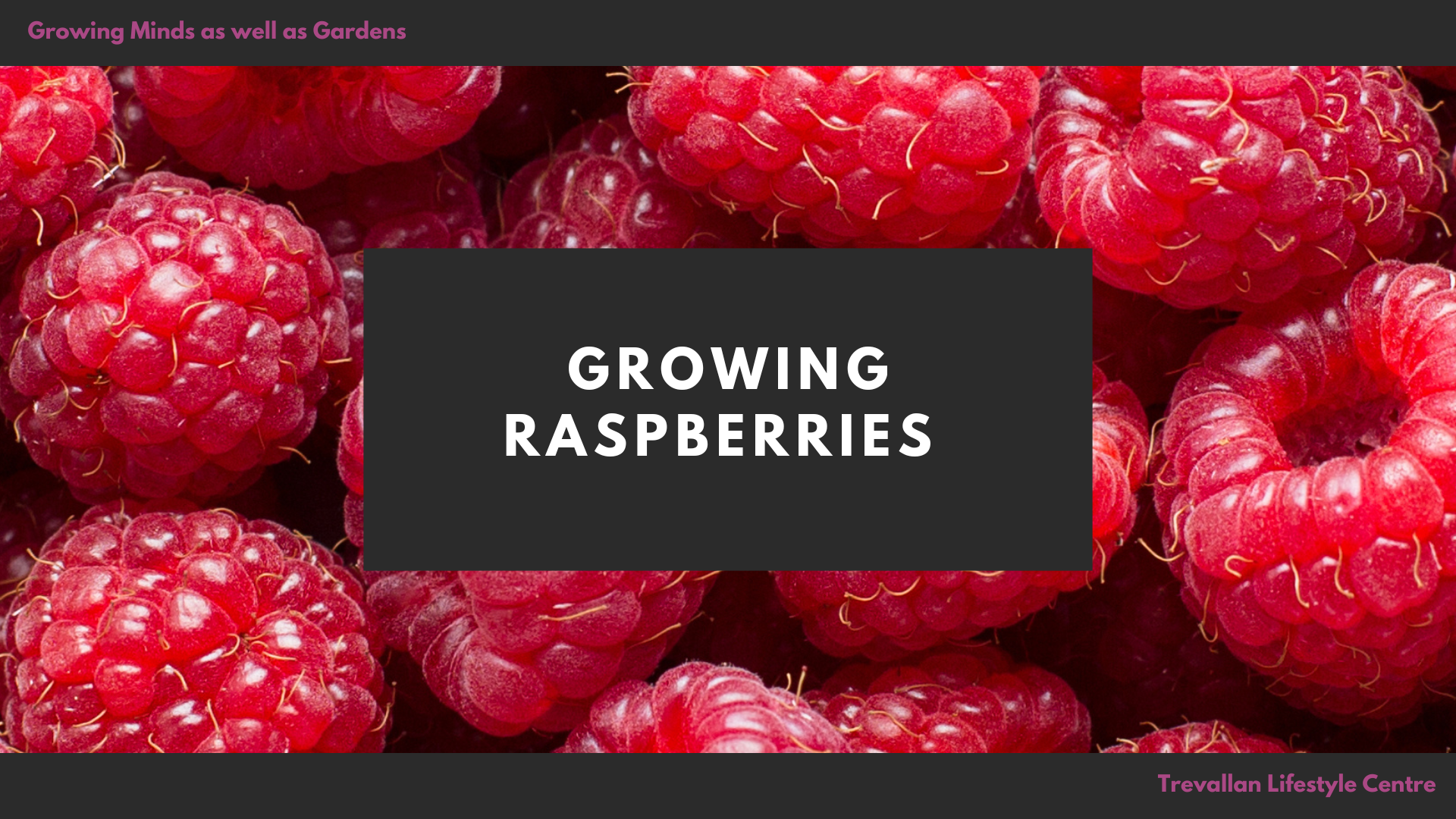
Raspberries
Discover the joys of growing Heritage Raspberries! These self-pollinating, hardy perennials produce sweet, tangy fruit twice a year, perfect for Queensland gardens. Their flowers attract bees, while their resilient canes thrive in unpredictable weather. Learn how to grow, prune, and enjoy this nutritious superfood!

Raspberries are one of those fruits that make you fall in love at first taste. Bursting with flavour, their sweetness is balanced by just the right amount of tang. Unfortunately my bank account doesn’t agree with this love affair and I have found I need to either grow my own or heavily reduce my consumption.
The Beauty of the Raspberry Bush
Raspberry plants (Rubus idaeus) are hardy perennials that send up fresh canes each year, making them a productive and surprisingly low-maintenance choice for home gardeners. Raspberry ‘Heritage’, (Rubus idaeus x Rubus hybrids), is popular variety for Queensland gardens as it is well suited to our long hot summers and mild autumns. They also have the ability to bear fruit twice a year, once on first-year canes (primocanes) and again on second-year canes (floricanes). This dual fruiting potential is especially valuable in Ipswich, where the weather can be unpredictable. Some years reward us with two abundant harvests, others with just one, and occasionally, none at all. But with Heritage raspberries, there’s always the hope of at least one fruitful season.
Raspberries are self-pollinating, so a single plant is all you need for a plentiful harvest. Their delicate white flowers are a magnet for bees and other beneficial insects. So why isn’t everyone growing these amazing plants? One word: thorns. Raspberry canes are covered in small, prickly thorns that can make harvesting and maintenance a bit of a challenge. While the reward of fresh, juicy berries is worth the effort, it’s best to approach with gloves and a bit of caution to avoid the sting
A Nutritional Powerhouse
Raspberries aren’t just delicious—they’re incredibly nutritious. Packed with dietary fibre, they support digestion and can help maintain healthy cholesterol levels. They’re also rich in vitamins C and K, manganese, and antioxidants, which help combat free radicals and support overall well-being.
It’s no wonder raspberries are often called a superfood!
Who Can Grow Raspberries?
If you’re in Ipswich, good news: raspberries can thrive here with the right care. While they prefer a mild climate, Heritage raspberries are resilient and adapt well to our warmer weather. They grow best in a sunny position with some afternoon shade to protect them from the harsh summer heat.
Raspberry plants are perfect for smaller gardens, as they can be trained on trellises to save space. They’re also happy in pots, provided you use a large container with premium potting mix.
Planting and Pruning Tips
Raspberries are happiest in fertile, well-draining soil with a slightly acidic pH of 6.0–6.5. Prepare the garden with garden soil and/or compost before planting. If you’re planting in a pot, choose a high-quality mix like Searles Platinum Potting Mix.
Pruning is where raspberries truly shine. Heritage raspberries are incredibly forgiving:
After the autumn harvest, cut all canes that have fruited back to the base. This encourages fresh growth.
For a second summer harvest, leave the primocanes (first-year canes) intact after their autumn fruiting, as they’ll bear again next season.
Always remove weak, dead, or overcrowded canes to promote air circulation and reduce disease risks.
Sharp tools are a must when pruning, as raspberries can gum up pruners with their sap. Clean tools regularly to keep them in top condition.
Feeding and Caring for Raspberries
Raspberry bushes are heavy feeders, so they’ll thrive with regular fertilising. Apply Organic Link fertiliser every 2–3 months to keep plants strong and productive. During the growing season, a fortnightly liquid feed with Triple Boost or a potassium-rich fertiliser will encourage abundant fruiting.
Mulching is another key to success. Organic mulch like sugar cane keeps roots cool, conserves moisture, and suppresses weeds. Water deeply and consistently, especially in the warmer months, as raspberries have shallow roots and can dry out quickly.
Pests that affect Raspberries
Raspberries are a joy to grow, but pests can occasionally try to steal the spotlight. Common culprits include fruit fly, aphids, spider mites, caterpillars, beetles, and of course, birds.
To keep your raspberries thriving:
Spray neem oil regularly or use other organic sprays to deter pests.
Hang fruit fly traps near your plants to catch those troublesome invaders.
Protect with netting to keep birds and larger pests at bay.
With a little attention and care, you can enjoy your raspberries pest-free!
Diseases and Problems that affect Raspberries
While raspberries are generally hardy, they can occasionally face a range of diseases and problems when grown in South East Queensland. Here's how to identify and manage these issues:
Diseases
Powdery Mildew: Ensure good airflow around the plants and avoid overhead watering. Apply sulphur-based sprays or organic fungicides (like eco-fungicide) to manage outbreaks.
Botrytis (Grey Mould): Promptly remove affected fruit, thin canes to improve ventilation, and apply copper fungicide during periods of high humidity.
Cane Blight: Prune out damaged or diseased canes using clean, sharp tools to prevent the disease from spreading.
Root Rot: Plant in well-drained soil or raised beds, and avoid overwatering to reduce the risk of waterlogging.
Common Problems
Sunburn: Leaves and fruit may scorch in Ipswich's intense summer heat. Use shade cloth or strategic planting to provide afternoon shade during heatwaves.
Poor Fruit Set: Inadequate feeding or incorrect pruning can lead to fewer berries. Fertilise regularly with a balanced feed like Organic Link, Triple Boost and Silica and Potash and prune correctly to promote healthy growth.
Overcrowding: Dense canes restrict airflow, increasing the risk of disease. Thin out canes annually, retaining only the strongest to ensure good ventilation.
Dry Soil: Raspberries have shallow roots that struggle in dry periods. Water deeply and consistently, especially during hot or windy weather. Apply organic mulches, such as sugar cane, to retain soil moisture and reduce evaporation.
By staying proactive and providing the right care, you can minimise these challenges and enjoy a thriving raspberry crop in your garden!

Figgin’ Delicious
Figs, delicious and oh so nutritious. Easy to grow in South East Queensland. Learn how here.
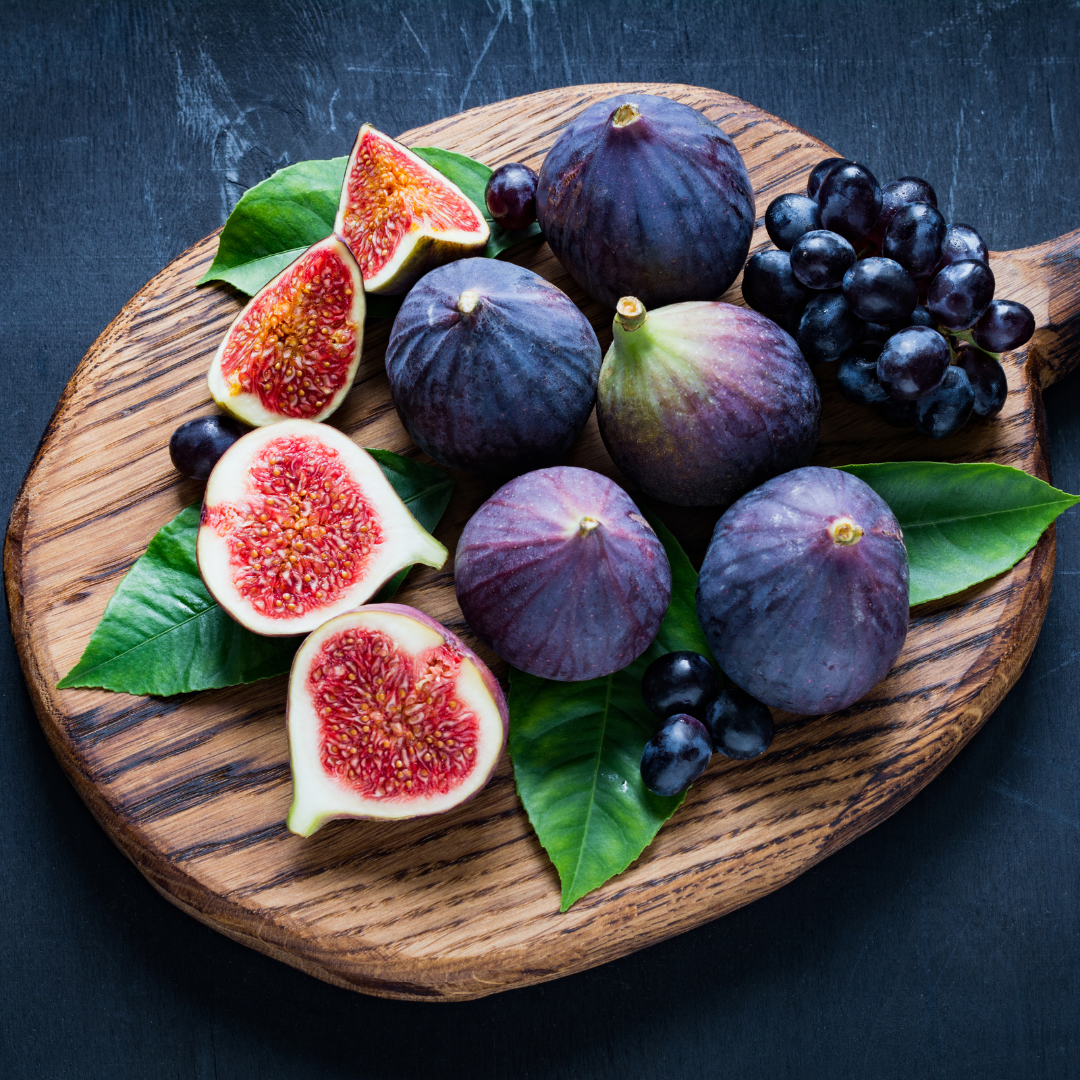
Highly concentrated source of minerals and vitamins in one bite
I love figs. I fell in love at first taste. It was a wine and cheese tasting at Sirromet Winery. It could have been the wine talking but the love affair started that day and it has never waned.
While bought figs are nice, nothing compares to growing your own and eating it straight off the bush. They are so lusciously sweet with a texture that combines the chewiness of their flesh, the smoothness of their skin, and the crunchiness of their seeds. Oh my, almost sensual.
Ficus carica is a large, broad-leaved deciduous tree with many unusual features. It usually bears two crops a year and its flowers are hidden on the inside of a pear shaped, fleshy receptacle which becomes the fruit which we call ‘fig’. Figs are pollinated by wasps but don’t need the wasp to form fruit so they are classed as self pollinating.
Figs are oh so tasty and very nutritious, thank goodness with the amount I eat! They have the highest amount of calcium of any fruit, and 100g of dried figs contains 16% of the daily recommended amount.
Figs are also an excellent source of dietary fibre. Fruit fibre has been shown to significantly lower the risk of breast cancer in postmenopausal women. It is also very filling and can help to take the edge off appetite.
Figs are also a good source of iron, magnesium, potassium, B vitamins, as well as vitamin K. Figs contain different types of antioxidants and have been shown in studies to raise antioxidant activity. Antioxidants mop up free radicals, which may contribute to the development of cancer, heart disease and the visible signs of aging by damaging DNA and other body systems. The riper the fig, the more antioxidants it contains.

Fig leaves are also surprisingly healthy. Several cultures use the leaves in cooking, particularly to wrap meats and fish. Studies have shown that an extract of fig leaves will increase insulin sensitivity, and may be useful for preventing diabetes. Studies on animals have also shown that fig leaves can reduce the likelihood of heart disease and possibly kill cancer cells as well.
Figs were such an important fruit crop of earlier civilisations in the Mediterranean region and Asia Minor that the Greeks even created laws forbidding the export of the best quality fruit. Figs were also revered in ancient Rome where they were thought of as a sacred fruit. According to Roman myth, the wolf that nurtured the twin founders of Rome, Romulus and Remus, rested under a fig tree.
So many reasons to grow a fig.
The real question is who can grow one?
Figs needs a mild, warm climate and grow best in a sunny situation protected from heavy frosts.
A full grown fig can be over 5 meters high and wide. Don’t worry, they can easily be pruned to a more manageable size without affecting fruit crop. They can grow in pots or the ground. If pots is your only option the dwarf variety ‘Figalicious’ may be your best option.
Pruning your fig is very easy as they fruit on new growth so you won’t ever have to worry about losing a crop. The best time to prune is in late winter. During the first few years, you want to try to create a strong central leader with a few healthy main branches coming off that. These main branches will produce new growth each year that's capable of bearing the weight of the fruit. You can trim up to 50% off the tree if necessary in the first year or two to create a strong healthy tree. You can prune every year if necessary as a well pruned fig can last hundreds of years
Similar to other fruit trees, you should remove any dead, broken or rotten branches. Then you remove any crooked or crossed branches. Figs can produce suckers at the base of the tree. It is important to trim these away, you want to encourage growth within the main plant.
Figs have a thick, white, sticky sap that will be released when trimming, it can quickly gum up pruners and other tools so always keep a cloth rag and solvent on hand to clean tools regularly. Always use sharp tools when pruning as blunt tools don’t cut cleanly and will leave the bare ends of wood jagged and frayed, and this can create entry points for pests and diseases. According to Thomas Zimmer Moon Planting Guide you should try to prune your Fig on a waxing moon to promote new growth on fertile days (water signs).
After pruning always fertilise with Organic Link and once new leaves start to form a fortnightly liquid fertilise with Triple Boost would be beneficial. All fruit trees are heavy feeders so I try to Organic Link my fruit trees every two to three months.
When you plant your Fig tree out make sure you use excellent quality potting mix if planting in pots, we use Searles Platinum Potting Mix. If planting in the ground I use Searles Garden Soil. I add more compost every year to my garden planted fig and mulch with Sugar Cane.
Fig Brown Turkey
A vigorous fig that bears medium sized, richly flavoured figs with a sugary taste, brown skin and pinkish brown flesh.
The crop is usually produced over a prolonged period from summer to late autumn. Eat fresh or dried or use in jams and preservatives.
Fig White Genoa
A good bearer of large sized, long conical shaped, pale green fruit, flesh is reddish-pink with sweet flavour.
Can bear two crops a year. Used for fresh fruit, drying and jam.
Fig Black Genoa
A large sized, conical shaped, fig with purple skin and red flesh that has a very sweet rich flavour.
Can bear two crops a year. Used for fresh fruit, drying and jam.
Figalicious
A compact, small to medium sized tree that produces an abundance of delicious dark red fleshed fruit with purple-green coloured skin in summer. In a large pot will reach 1.0m high x 1.0m wide
Get healthy this year and grow a fig today. By the way they taste great with wine and cheese!

Diospyros australis
What’s not to love about a beautiful native tree that work wonderfully as a feature tree or slow growing hedge that also produces edible fruit?
Diospyros australis, commonly known as Black Plum or Native Persimmon, is a small native rainforest tree found from south-east NSW up to tropical Queensland.
What’s not to love about a beautiful native tree that work wonderfully as a feature tree or slow growing hedge that also produces edible fruit?
Diospyros australis, commonly known as Black Plum or Native Persimmon, is a small native rainforest tree found from south-east NSW up to tropical Queensland.
During the cooler months Diospyros australis, produces plum-like berries. Berries are about 10mm in size, starting out yellow and turning black as they ripen. They are most edible when black and soft with a sweetness that makes them perfect for jellies, chutneys and jams.
Small cream/yellow flowers appear enmasse from October, and will self-pollinate. However it is sometimes advised to plant two or more trees to improve your chances of fruiting.
The fruit isn’t the only reason to grow one. I love the beautiful green glossy foliage. The leaves tend to have a yellow/green underside with a prominent yellow mid-vein. I would be using Diospyros australis instead of Syzigum australe for my hedge plantings.
Being a native rainforest tree, Diospyros australis prefers moist well composted soils. It performs best with protection from both wind and afternoon sun.
These trees can grow anywhere between 4 to 10 metres in the garden, but as they are slowish growing can easily be kept as a small bushy shrub or even in a large pot, trimmed to be a feature plant! I also found out they are known for their fire retardant properties, making them a worthwhile inclusion in your garden especially if you live in a bush fire zone.
The fruit and leaves of the Diospyros australis is said to have many medical properties. One property is helping to convert starch into energy and keep blood sugar levels in check, perfect for Diabetics. The fruit is said to also said to help relieve stomach pain, anti-scorbutic (high amounts of vitamin C) and diuretic. If you make your own vinegar from the fruit you can drink it to help reduce enlargement of spleen, diarrhoea, and those have urine retention problems.
This beautiful native tree, commonly called Burrpurr (Yolngu) by the First Nations, will become a must have in your garden.
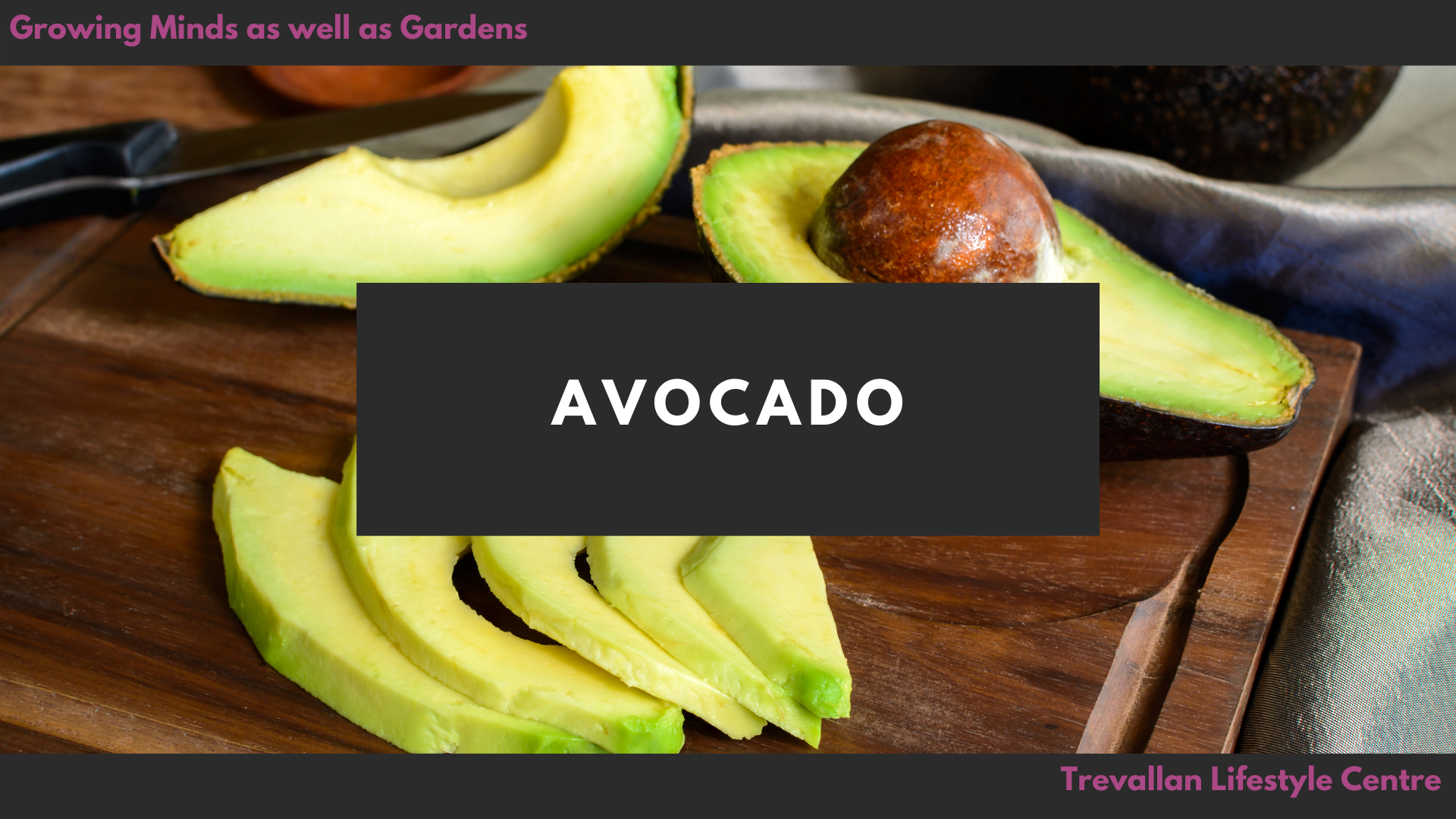
Avocado
Grow your own Superfood at home. Avocados are easy to grow if you know how.
Did you know that avocados are the only fruit apart from olives to contain monounsaturated fats? Monounsaturated fat is a healthy fat. Yes there is a thing called healthy fats! Healthy fats help you absorb essential fat-soluble nutrients (such as vitamin E), reduce the risk of developing Type 2 diabetes, help maintain a healthy heart and promote healthy skin.
It’s not just the healthy fats that make avocados so good. There are nearly 20 vitamins and minerals in this nutrient dense fruit. Avocados can help keep your immune system healthy, support mental performance, combat tiredness and even support a good mood.
They are not only a delicious way to ensure you are getting optimum nutrition per day, research shows adding avocado to a salad can increase your ability to absorb nutrients from other ingredients.
But avocados can be expensive in the shops….. so let’s grow our own!
Avocados love warm tropical climates. While you can easily grow an avocado from seed it is not recommended as seed grown avocados may not fruit or fruit successfully every year. It is always best to grow a grafted avocado, grafted by a reputable grower.
Avocados can grow over 6m in perfect conditions. Many of us could not handle this in our backyards which is why we recommend the dwarf growing varieties of avocados or keeping your avocado tree trimmed.
Wutrz and Fuerte are our two favourite varieties for growing in this area.
Avocados don’t need another avocado to fruit as the flowers are botanically classed as ‘bisexual’, carrying both male and female reproductive organs. However having more than one is beneficial and having both Type A and Type B flower types is even more beneficial. They tend to fruit more vigorously when they have friends.
Avocado flowers open twice over a two-day period - the first day as a female and the second day as a male.
Type A avocado flowers are ready to be pollinated in the morning, but any blossoms flowering in the afternoon are releasing their pollen.
Type B therefore, release pollen in the morning and are ready for fertilising in the afternoon.
This means the crawling and flying insects trying to harvest the pollen don't always get to their female counterparts to fertilise the fruit. Luckily, the trees usually flower for up to a month, so don’t panic if you can’t find type A and Type B. Just one Type will be enough to get fruit. If you plan on feeding the neighbourhood getting Type A and Type B might be a good idea. Wutrz are a Type A and Fuerte are classed as a Type B both grow fantastic in Ipswich region.
When growing either of these trees make sure it’s in a full sun position, well draining soil and protected from frosts. We recommend using good quality garden mix like Searles Garden Mix or excellent quality potting mix like Searles Platinum mix.
The trees should be fertilized every three months with a good quality organic slow release complete fertiliser like Organic Link. A liquid fertilizer, like Triple Boost should be applied fortnightly through the growing season. A good liquid trace element mix like Bio-Trace should be given about twice a year. Plant health is very important for best fruiting results.
Avocado – Wurtz
Wurtz Avocado is a gorgeous small tree perfect for pots or small gardens. It naturally small and only grows to around 3m. While it may be small in statue it still produces a consistent, heavy crop of beautiful fruit! It has pear-shaped fruit with dark green skin and can fruit from August till October.
Wurtz are classed as a Type A pollinator so would be beneficial to plant a Type B Avocado.
Get your mini orchard going in your backyard today.
Avocado - Fuerte
Fuerte is marginally oily with a rich, creamy flavour with notes of hazelnuts and is often hailed as the tastiest of all avocados. This B-Type avocado not only improves the pollination of A-Type varieties such as ‘Hass’ and ‘Wurtz’, but it also produces delicious pear-shaped fruit of its own from winter into spring. It has easy to peel fruit that crops better every second year. One of the best cold tolerant avocardos.
Fun Fact : The Fuerte avocado got it’s name as it was the only variety to survive the great freeze of 1913 in Los Angeles, California. Fuerte, means “strong” in Spanish. This avocado cultivar built the Californian avocado industry until the 1930s when Hass took over as it had a thicker skin (not better tasting) and therefore could be transported better.

Pomegranate
There are some foods out there that are extremely nutritious, Superfoods! Pomegranate's are one such food and you can easily grow them at home.
Ever heard of the term Superfood?
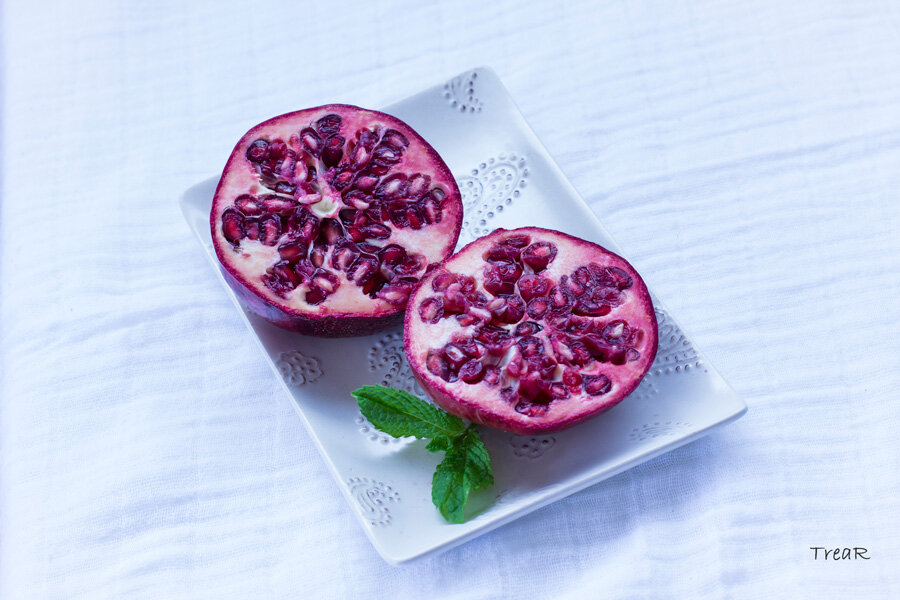
Pomegranate. A superfood and one of the most decorative fruit trees
The Macmillan Dictionary defines 'superfood' as a food that is considered to be very good for your health and that may even help some medical conditions. The Oxford Dictionary definition states a superfood is “a nutrient-rich food considered to be especially beneficial for health and well-being”.
In recent times the term Superfood believed to be a bit of a marketing term used to describe foods with supposed health benefits.
Whether you believe the hype, there are some foods out there that are extremely nutritious. Pomegranate's are one such food.
Since pomegrantes have been declared a Superfood they become highly sought after. There are a wide variety of health benefits associated with eating pomegranates. Some of the benefits are
helping to prevent heart disease, reduces strokes, and maintains good cholesterol levels.
Regular intake of pomegranate seeds helps fight gum disease reduces plaque, which means the seeds are a natural way to keep your teeth clean and white! Enjoy eating the seeds with benefits of having an amazing smile and pearly white teeth!
Pomegranate Seeds are considered a great source of iron.
Last but not least, pomegranate seeds are believed to be a natural anti-aging source and are widely used throughout the world. Keep yourself looking younger and healthier naturally.
But what do Pomegranates taste like?
They are a flavour like no other as you get a taste, aroma and mouth feel sensation. They are sweet and yet a little tart to taste. The aroma evolves from various 'woody', 'earthy', 'fruity', 'floral', 'sweet' and 'musty' notes and the mouth feel sensation comes from the seed hardness compared with the flesh softness. An amazing little fruit.
So this little Superfood sure packs a punch but do I really want to grow it?
Yes.
Pomegrantes are one of the most highly decorative fruit trees I have come across. The plants produce tangerine, orange, crinkly 8-petalled flowers from late spring to late summer. These are followed by the most extraordinary coloured and shaped fruit which appear like a shiny crown. These wonderful fruit start small and grow to the size of a tennis ball.
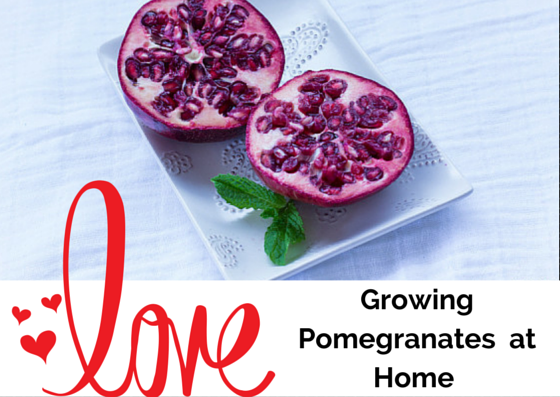
A Fruit tree perfect for pots
Pomegranate ‘Wonderful’ suits it name perfectly. This variety of pomegranate has become the world standard, noted for its rich red colour and piquant flavour. 'Wonderful' can be eaten as fresh fruit or juiced and has become popular as its seeds are less woody than others. Due to its amazingly beautiful flowers and fruit most people would think its an ornamental shrub.
This is this tough Mediterranean plant that is drought tolerant and prefers free draining soil. Pomegranates grow well in areas with cold winters and hot, dry summers. Ipswich can sometimes have wet summers so make sure your Pomegranate can stay high and dry. Pomegranates are very versatile and can also tolerate coastal conditions and frost. Water during fruiting to improve quality and fruit set. Plants are self-fertile but you get more fruit with friends. Fruiting season is usually February to March and in cooler areas can be decdious.
They can get to around 4m high so an open position is best. Trimming is acceptable and they prefer gardens over pots. when planting in the garden I did the hole twice as big as the pot and back fill with Searles' Garden Mix.
Pomegranates should be fertilized every three months, plant health is very important for best fruiting results. We use a good quality organic complete fertiliser like Organic Link. A liquid fertilizer, like Triple Boost should be applied fortnightly through the growing season. A good liquid trace element mix like Bio-Trace should be given about twice a year. It is recommended to tip prune them in July.
Now, have yourself a delicious cup of pomegranate seeds, snack away without feeling guilty!
Want another great Superfood to grow at home? Why not try Blueberries.

Blueberry
Blueberries are one of the yummiest to eat fruits but can be a little tricky to grow. Here’s some great tips to get yours looking and fruiting fantastically.
Hands up who has tried to grow a blueberry before?
Ok, now hands up who grew one successfully?
I know I have tried and failed. Not failed as in to death do us part. Failed as in I got sick of looking at a stick that had three blueberries on it!
I persevered. I can now give you some great growing tips on how I got mine to look so good.
Blueberries like a position that receives full sun most of the day but if you live in Ipswich, like me, and temperatures in Summer can reach over 40C, it is recommended that plants should get a little afternoon shade.
I have found growing my Blueberries in pots is a lot easier than the ground. They are an acidic loving plant and I find my local soil just isn't good enough.
I always use excellent quality potting mix, like Searles Platinum Potting Mix but add some (about a cup or two) course bark (10mm-25mm in size), usually just the Searles Orchid Bark is fine, to provide an open potting mix for root development. Blueberries produce masses of fine roots which mat together. Without an open potting mix all Blueberry varieties will only have a life of around 2-3 years in pots. This mix will extend the plants life well beyond this. Mulching the top of the pot is imperative to minimise drying out. Blueberries hate wet feet but fruit will taste bitter if they dry out too much. Mulch seems to help with both these problems.
Your Blueberry should be fertilized every three months with a good quality organic slow release complete fertiliser like Organic Link. A liquid fertilizer, like Triple Boost should be applied to the foliage fortnightly through the growing season. A good liquid trace element mix like Bio-Trace should be given about twice a year. Plant health is very important for best fruiting results.
I have grown a number of different Blueberries in the past. My current favourites are Blueberry Burst, Sunshine Blue and Gulf Coast.
BlueBerry Burst

Saying I'm excited about BlueBerry Burst would be an understatement. This Australian bred, naturally dwarfing evergreen blueberry (1m high and 75cm wide) is said to grow and fruit WELL anywhere in Australia.
Blueberry ‘Burst’ has been successfully trialled in both hot and cold environments throughout Australia and humid and dry areas too.
I have been successfully growing mine in a large pot in Ipswich for years and my friends grow theirs at Mt Marrow. Both have suffered through hot, humid summers, cold wet winters as well as hot dry summers, cold dry winters.
It has exceptionally large fruit and a very high yield and it still tastes amazingly sweet kind of like, you know a blueberry!
For those of you living in a warmer climate fruiting should start in July and those in a cooler climate around late august. Fruiting concludes within 3-4 months.
Sunshine Blue Blueberry

Sunshine Blue has it all. This semi-dwarf, versatile shrub features showy hot pink flowers that fade to white in spring, with delicious, sweet blue fruit during summer.
A wonderful shrub that is easily grown, producing abundant amounts of fruit for eating or use in pies and sauces.
Sunshine Blue tolerates higher pH soils better than many other blueberries and it is self-fertile.
It is a Southern Highbush with the low chilling requirement of 150 hours making it suitable for the subtropics, but is also surprisingly cold-hardy and a wonderful addition to patios and gardens in cooler areas.
Flowers October to November
Gulf Coast
Gulf Coast Blueberry is an exceptional hardy Blueberry, perfectly suited to the subtropics.
It has excellent flavour, firmness and good picking scar. A vigorous upright bush with moderate toughness and good tolerance to root rot.
It has a late fruiting season October, November, December.
While Blueberries are self pollinating they always produce better and more abundantly if they are surrounded by friends!

Growing Nectarines in Ipswich
The first nectarine was grown spontaneously as a bud sport. Which means that it grew morphologically different from the rest of the plant, which was a Peach tree. The basic difference is that Peaches have a fuzzy skin, while in Nectarines the fuzzy skin gene is recessive. Trevallan usually stocks Sunnybelle Nectarines, a low chill variety.

Did you know that the Nectarine is often referred to as a miracle plant.
The first nectarine was grown spontaneously as a bud sport. Which means that it grew morphologically different from the rest of the plant, which was a Peach tree.
The basic difference is that Peaches have a fuzzy skin, while in Nectarines the fuzzy skin gene is recessive.
Trevallan usually stocks Sunnybelle Nectarines. Sunnybelle Nectarine is a medium sized fruit with white flesh. It’s skin is bright red with light sugar speckles.
Normally nectarines don’t grow well in some parts of Ipswich but this guy is a low chill nectarine and it has been said to have one of the best flavours of a low chill nectarine range.
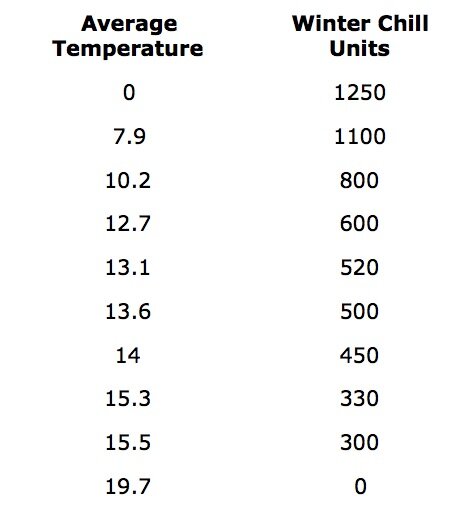
When we talk about some fruit trees we need to talk about chilling hours.
Chilling hours means number of hours a fruit tree needs to be exposed to effective winter temperatures for flower buds to break dormancy. This varies between varieties.
Most nectarine varieties need 700-900 chill hours but there are some low chill varieties available that need about 150-400 chill hours.
To check your chill hours you need to determine the average temperature for the coldest month (usually July). I found this great chart on Heritage Fruit Trees website that gives us an indication of chill hours to average temperatures.
Ipswich’s average temperature for July 2019 was about 15C (2018 was 16 and 2017 was 17).
So this means that if our average is between 17-15 degrees this means our chill units sit around 300. So we should be able to grow these nectarines without any hassle.
Sunnybelle can get to around 2-4m and can be grown in large pots with excellent quality potting mix (we recommend Platinum Potting Mix) or in the ground. If planting in the ground make sure your soil is excellent quality (we recommend Searles Garden Soil). For fruit trees I tend to dig my holes at least two to three times as big as pot in comes in and backfill with excellent quality garden soil. They much prefer full sun but can handle a little shade during summer. It is best to give these guys a good fertilise with Organic Link as soon as the weather warms up. I find alternating my fortnightly liquid fertiliser between Triple Boost and Potash and Silica helps the plant stay healthy and produce more fruit.
These guys tend to be deciduous, this means they drop their leaves in colder months. So don’t panic if during cooler months your tree doesn’t look fantastic.
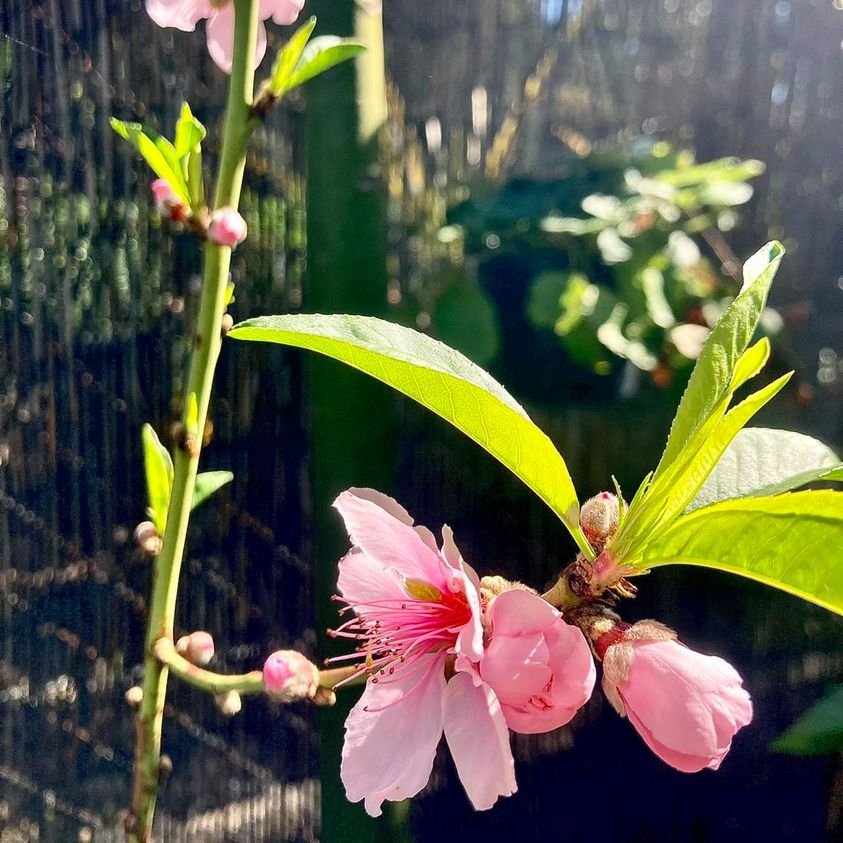
Sunnybelle Nectarines have beautiful pink flowers that appear as soon as it starts to get warm. They will sometimes appear before leaves even start to form after their winter shedding. Did you know that the nectarine flower symbolises a desire to do nice things for others and encourage sweet words. It is also about enhancing gentleness and softens our character, bringing out our best intentions. Sunnybelle Nectarines are self pollinating (they don’t need another Nectarine to help produce fruit). The fruit will start to form usually by October.
Nectarines are really susceptible to fruit fly so I would also buy a fruit fly exclusion net so you can not only grow yummy nectarines but actually enjoy your nectarines!
Sunnybelle Nectarine is a great fruit tree for any size garden.
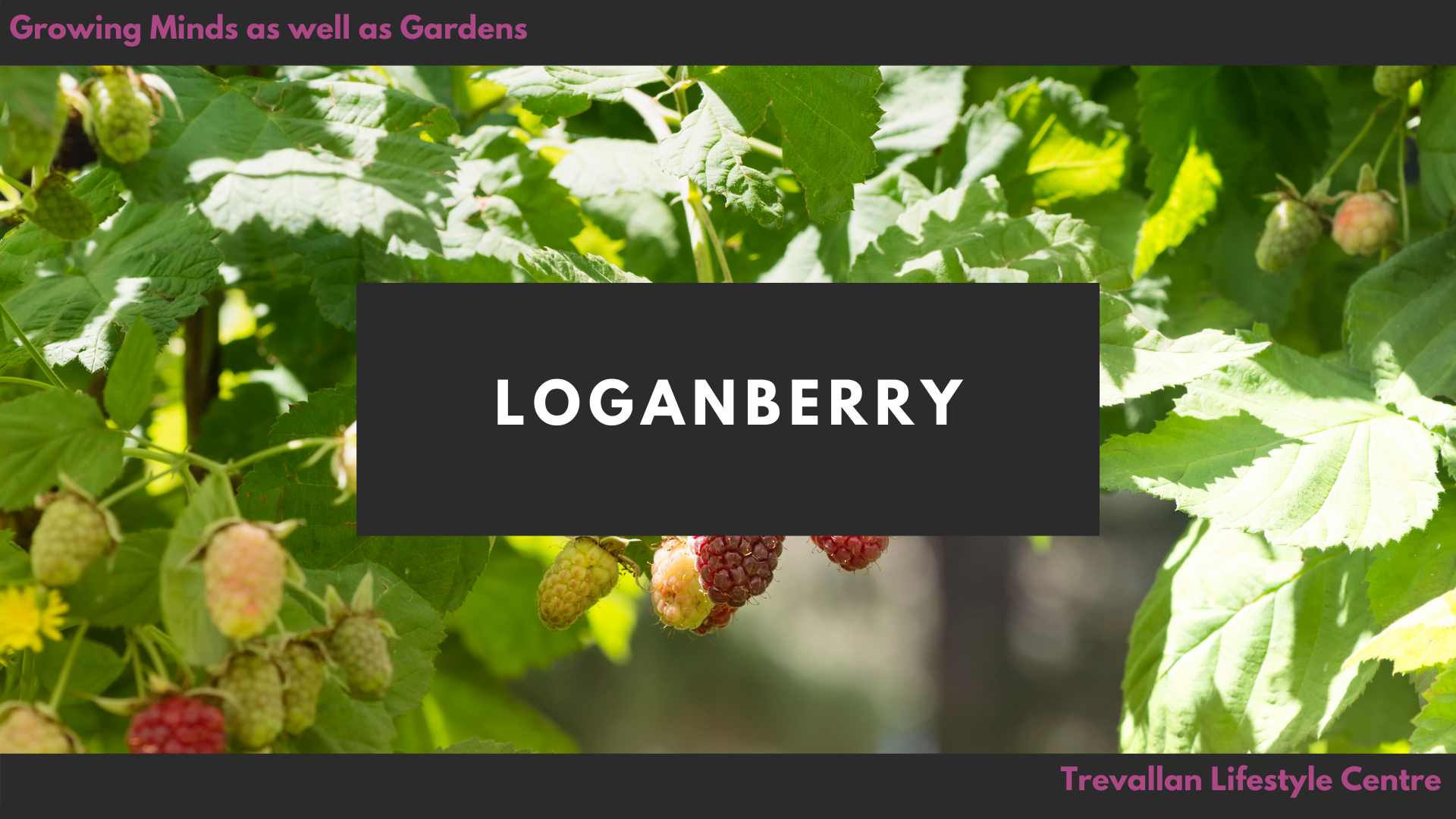
Loganberry - The Accidental Berry
Discover optimal Loganberry growth techniques, effective fertilization methods, and solutions to common problems in our informative blog. Enhance your harvest with expert tips!

If you are after something a bit different the loganberry may be your answer. The loganberry originated due to an accidental cross between a raspberry and a blackberry. The plant is named after the horticulturist who first created it, James Logan.
Loganberries look a lot like blackberries, or very dark raspberries depending on their variety.
Even though loganberry plants are very hardy and are more disease and frost-resistant than other berries they are not very popular with commercial growers. The two main reasons are - the bushes are thorny and the berries are usually under the leaves so its very labour intensive to harvest and the berries don't mature at the same time making it hard to get a complete harvest at once.
Loganberries are therefore more commonly grown by the suburban gardener.
Growth and Harvest
A loganberry bush usually produces about ten canes or vines. The canes tend instead to vine more like its blackberry mum and will need a bit of support to keep them from getting out of control. The vines aren’t as flexible as the blackberry though, so they don’t bend well. It is recommended to train loganberry vines up a trellis rather than along horizontal wires. The trellis should be placed in the ground at the same time as planting so as not to damage roots at a later stage.
The great thing about Loganberries is that the fruit doesn't ripen all at once, they can fruit for about two months, generally from mid-summer until mid-autumn. The berries are harvested when they are a deep purple colour. Amazingly each bush can produce 7 kg to 8 kg of fruit a year. The worst thing is you may need to wear gloves and long sleeves so the thorns don't bother you when harvesting!
Once you've harvested your berries use them up quickly as they will only stay fresh for around 5 days in the refrigerator. For longer storage, freeze your loganberries and use them in cooked dishes. Loganberries can be used in juice or in jams, pies, crumbles, fruit syrups, and country wines.
After you’ve picked your berries, cut the canes back to ground level. A big bush doesn’t mean more berries, so its better to keep it under control, ten to 12 canes will still produce well.
Loganberry vines can be brittle so choose a sunny location that is sheltered from the wind. For a successful crop, it is advisable to choose a fertile soil location for your loganberry trees, as is generally recommended for fruit-bearing plants. Nevertheless, loganberries display a notable tolerance for poorer soil conditions. If your soil is of lower quality, enhancing it with a quality organic garden soil or compost during planting can be beneficial.
Loganberries, like most plants, need regular watering and a good fertilise with a complete organic fertiliser, like Organic Link at the turn of every season. If they aren't producing much fruit try adding some granular sulphate of potash in spring.
When growing any fruit trees in Queensland it is advisable to have an active fruit fly trap going all year.
Pests and Diseases
Loganberries are generally quite resistant to disease and pests, but there can be a few problems.
Raspberry leaf spot fungus starts out as small spots on the upper surface of young leaves. As the lesions grow, the infected tissue may fall out, leaving holes in the leaves. Badly infected leaves curl downward at the edges and drop prematurely. Spray your plant with a fungicide (eco-fungicide is a great organic fungicide), cut out the spotted leave and any infected leaves that have fallen off should be raked away and destroyed.
Dryberry is caused by a tiny mite that lives in the buds of the plant. The mites will start to feed on the fruit as it develops, leaving you with some berries with dry or dead sections in them. It will need to be treated with an insecticide around the time the fruits are starting to form to combat the problem. Organic insecticides would be eco-oil or eco-fend. Regular treatment with Neem oil may also reduce the problem.
If you don't mind a few thorns Loganberries would be a great addition to your home orchard.

Fruit Fly
Two words that can strike fear into any fruit tree or vegetable grower – FRUIT FLY! How to deal with it Organically
So you want to know why your tomatoes get black spots and rot away or why you lose most of your peach crop to black spots and maggots.

Two words that can strike fear into any fruit tree or vegetable grower – FRUIT FLY!
Whether you have one fruit tree in a pot or a commercial orchard Queensland fruit fly can have devastating effects.
These files can sting up to 100 different varieties of fruit and vegetables such as Peach, nectarine, grapefruit, pear, avocado, grape, cumquat, apricot, orange, fig, tomato, eggplant, passionfruit, lemon, apple, loquat, chili, capsicum and strawberries.
Queensland Fruit Fly is an Australian Native insect. This native insect though is recognised as one of the world's worst fruit pests - it used to be estimated that it cost Australian fruit growers more than $100 million each year.
For many years it was just Queenslanders that used to have to suffer the trials of Fruit Fly devastation. Unfortunately fruit fly has not been well managed and many parts of NSW and Victoria have now also been declared Fruit Fly zones.

The adult Queensland Fruit Fly is only about 7 mm long and reddish brown with yellow markings. They lay their eggs in ripe fruit, their babies - maggots then hatch from the eggs and tunnel through the flesh of the fruit turning it into a brown, filthy inedible pulp. Affected fruit is recognised by a small sting mark that becomes discoloured and rot develops around.
Whether you grow one fruit tree or 100 we are all responsible for keeping this pest under control.
Some easy things to do
prune your fruit trees regularly, keeping the tops of the trees to a manageable height which makes fruit picking easier.
Remove any ripe fruit from fruit trees before it has a chance to fall to the ground
Most importantly collect fallen fruit from the ground and preferably place it into a black plastic bag and leave in the sun for 3-7 days to kill any maggots in the fruit.

Another easy way to help reduce the amount of fruit files is to use a trap. Searles Fruit Fly Trap attracts and kills the male fruit fly.
If there are no males in the area the female is unable to reproduce and moves on. The trap has a wick inside a container. The wick contains the pheromone of a female fruit fly in season, coupled with an insecticide. Traps are hung in an area near the fruit trees and can do an area of up to 500m. The wick lasts for three months and a replacement wick can be bought.
I change my wick at the turn of every season. Fruit fly usually have a dormancy period during the colder months but I have found our winters aren't really affecting them like they used too so I keep my trap going all year long.
My first season of using this method I was catching a small vegemite container of Fruit Flies a week!
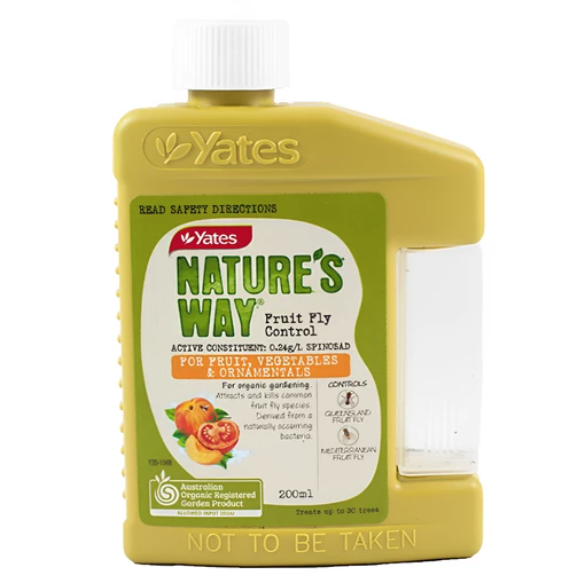
In conjunction with my trap I used to use eco-naturalure but this has now been replaced by Yates Nature's Way Fruit Fly Control. Yates Nature's Way Fruit Fly Control is a BFA registered organic fruit fly control spray for both male and female flies.
It combines specific food based attractants which target only fruit flies, and bacteria derived insecticide, spinosad, that leads to an almost instantaneous death.
You can also use fruit fly netting and fruit protection bags which are specially designed netting that you can use to cover your fruit trees or individual fruit.
I honestly believe that if every household had a fruit fly trap we could get on top of this horrendous outbreak.

Can you Grow your own Curry?
Curry isn't just one herb, it is a complex seasoning that varies from region to region and even from family to family throughout Southeast Asia. If you thought you could buy a Curry plant, think again!
Curry isn't just one herb, it is a complex seasoning that varies from region to region and even from family to family throughout Southeast Asia. Curry seasonings can even be vastly different depending on the season. During summer months, the seasoning is mixed with spices that cool the body and in winter, a different blend helps keep the body warm.
So what are the plants commonly called 'Curry Plants'? Are they even used in Curries?
Curry Leaf Tree or Sweet Neem (Murraya koenigi)
The Murraya koenigi leaves are the primary seasoning in the South Indian dosa, a crispy, thin, rolled pancake-like bread but it is also used in pickles, egg dishes, chutneys and many other Asian and Indian dishes and is known as “sweet neem” in India.
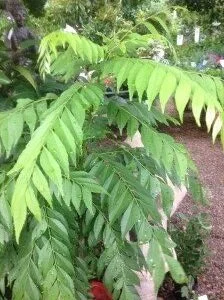
Curry Leaf Tree or Sweet Neem (Murraya koenigi)
Murraya koenigi is native to India and Sri Lanka. The leaf is the only part of the tree used in cooking and the raw, fresh curry leaf won’t really remind you of curry, but once the leaves are roasted in oil, the aroma and flavour can change remarkably, and the flavour is pleasant and delicious.
Even if you don't cook the Murraya koenigi is still a highly prized plant as its purely ornamental small, white flowers are highly fragrant.
It is a beautiful evergreen small tree that can be grown throughout Australia. Trees can grow up to 4m tall, in the warmer weather but it is advisable to prune back to a desired height of 1.5-2m. Pruning also encourages new growth and hence new leaves for harvesting throughout the year.
It requires full sun or semi shade position protected from heavy frosts. Ideal on warm northern side of buildings in cold climates.
The Curry Leaf tree requires reasonable drainage and regular fertilising. I use Organic Link every three months and Triple Boost regularly.
Curry Plant (Helichrysum italicum )
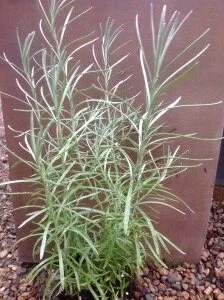
Curry Plant (Helichrysum italicum )
Although called the "curry plant" and smelling like the commercial curry powders, Helichrysum italicum has nothing whatsoever to do with this mixture of spices, nor with the actual curry tree (Murraya koenigii), and is not used as masala for curry dishes.
Helichrysum italicum grows naturally on dry, rocky or sandy ground around the Mediterranean. When growing at home try to make sure your plant is in free draining soil and full sun.
The leaves are grey with clusters of yellow flowers in Summer. These flowers are commonly used in dried flower arrangements.
The shrub can reach about 60 cm in height and can grow in pots or a garden bed. Like all herbs a good tip prune keeps the shrub looking neat and tidy. I usually fertilise at the turn of the season with Organic Link and Triple Boost regularly.
In the Mediterranean the young shoots and leaves of the Helichrysum italicum are used to flavour meat, fish or vegetable dishes. These shoots are then removed before serving. Many people don't like the actual taste of the plant as it has a resinous, somewhat bitter taste reminiscent of sage.
Do you have a Curry Plant or Tree?

The fruit is Perfect for Wine, I'll take two!
Beautiful tree with glossy, deep green leaves, small white flowers, and reddish young growth. Only four or five weeks after flowering the round, purple-black edible fruits are ready to harvest.

Fruit of Grumichama eugenia
The Grumichama is valued almost as much for its aesthetic elegance as it is for its sweet, cherry like fruits.
In its native Brazilian habitat, Grumichama are sometimes seen as a large tree reaching heights of up to 15 metres, however in most Australian home orchards it grows more slowly. Most plants will only become a small, bushy tree to about 6 metres high. This tree can easily be trimmed and kept at a much lower height of 3m.
It is a very beautiful tree with glossy, deep green leaves, small white flowers, and reddish young growth. Only four or five weeks after flowering the round, purple-black fruits are ready to harvest. The flesh of the Grumichama is soft, melting, and sweet like a cherry. The thin, delicate skin is also edible.
The fruits can be eaten directly off the tree, turned into jam or my personal favourite wine!
Its wood is sometimes used in carpentry, woodworking and turnery.
Can be planted in full sun and doesn't mind low temperatures. Fertilise with Organic Link every three months.

The Dirty Dozen
The Dirty Dozen, a list of the fruits and vegetables likely to contain the highest amounts of pesticide residue. You can plant many of these at home.
I'm getting a little gardening bored. It's still too early to be planting my winter vegetables and my vegetable patch is cleaned, composted, mulched and waiting. My few gardens are fertilised, trimmed and waiting for cooler weather to start planting out more. My lawns are fertilised, soil wetted and weed killed - just waiting on rain to green them up.
So what does one do when garden bored - they start dreaming big. I think I have about 40 seed packets of the things I'd like to grow this winter.
So I may have gotten a little over excited. So how do I narrow it down? How do I decide what to plant in my vegetable patch each season or what fruit trees to grow?
I came across an interesting article on the extremely high amounts of pesticide residue on frozen berries. The interesting thing was most of the residue found on the frozen berries were pesticides that are banned in Australia. This happens because most frozen berry companies get their berries from a variety of overseas sources.
The old mind clogs started turning over and after a bit more research I discovered the 'Dirty Dozen' and the 'Clean Fifteen'. These are two lists released by the Environmental Working Group (EWG) each year.
EWG, a nonprofit organization that cites its mission as being to help “people live healthier lives in a healthier environment,” started compiling a list of fruits and vegetables that contain the highest amounts of pesticides in the mid-1990s.
The Dirty Dozen, a list of the fruits and vegetables likely to contain the highest amounts of pesticide residue. The Clean 15 is a list of fruits and vegetables least likely to contain pesticides. The EWG take into account how people typically wash and prepare produce - for example, apples were washed and bananas peeled before testing.
While the EWG’s list is based on the U.S. Department of Agriculture’s Pesticide Data Program, I still find it a great help in determining what to plant and over the years I have used the Dirty Dozen as a guide to what to plant each year. Over the years the list hasn't change much. So I do try to keep track of previous years as it's not like the big farms suddenly stop using pesticides its more like something just contains more pesticides than previous years. One vegetable that continuously goes on and off the list is potatoes. So I always try to grow my own potatoes. Most of vegetables and fruits mentioned can be grown in Ipswich in our vegetable gardens and orchards.
2021 saw the EWG release a special report on citrus fruits, which aren't represented in the Dirty Dozen, but have caught the attention of the organization for trending upward in trace amounts of pesticide recorded.
EWG'S DIRTY DOZEN FOR 2021
(number one being the most highest in pesticide residue)
Strawberries
Spinach
Kale / Collard and Mustard Greens
Nectarines
Apples
Grapes
Cherries
Peaches
Pears
Bell and Hot Peppers
Celery
Tomatoes
EWG'S CLEAN FIFTEEN FOR 2021
Avocados
Sweet corn
Pineapple
Onions
Papaya
Sweet peas (frozen)
Eggplant
Asparagus
Broccoli
Cabbage
Kiwi
Cauliflower
Mushrooms
Honeydew melon
Cantaloupes
Don't get gardening bored, plan big and include the 'Dirty Dozen' in your backyard.

Bloomin' Fabulous
Potassium Sulphate or Sulphate of Potash is commonly called Potash. It is an essential element necessary to the lives of all plants.
A common question I am asked is "why didn't my fruit trees fruit profusely or if they did why was the fruit misshapen?" Or "why didn't my camellias and azaleas flower as well this year?" Or even "why are all my coloured foliaged plants like crotons and dracaenas losing their colour?"
The answer is usually quite simple - Your garden just needs some TLC and maybe a little Potash!
Potassium Sulphate or Sulphate of Potash is commonly called Potash. It is an essential element necessary to the lives of all plants.
It aids in disease resistance and frost protection by strengthening the plants cell walls. It helps in seed and root development. It encourages strong new growth and helps with the formation of flower buds and fruit.
Potash can improve the quality and the colour of flowers and enhances the formation of proteins and sugars in fruit. Potash can even help plants with slender stems and large flower heads such as Iceland poppies and gerberas hold their heads erect.
Potash defective cues can be seen in a number of ways in your plant. Your plants might be showing signs of overall weakness especially in its stem. It could have yellowing leaf margins and grow more slowly. It could also be disease prone and its fruit and flowers will be small and poorly coloured and sometimes tasteless.
Don't confuse a potash deficiency though with an unhealthy plant. Always make sure you have given your plant some complete slow release organic fertiliser like Organic Link and a Bio Trace first.
Complete fertilisers, whether they are chemical or organic, usually contain potash. Organic Link contains potash. An N:P:K ratio can usually be found on the fertiliser label. A very quick explanation of the N:P:K ratio is - N stands for Nitrogen (greening, growing), P Phosphorus (roots) and K Potassium (fruiting, flowering).
If you use mainly a manure based fertiliser like blood and bone or chicken manure you will need to add potash as these products don’t naturally contain it.
Potash also is available by itself in a liquid form and a granular form.
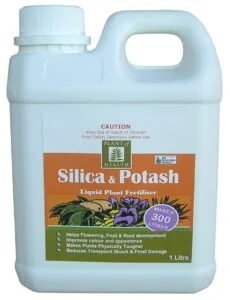
The liquid form is added to water and used as a foliar spray. Used like this it is quick acting but not long lasting and needs to be repeated on a fortnightly basis. This is best for promoting flowers especially on annuals. I use Plant of Health's Potash and Silica.
The granular form is added to the soil and watered in. The granular is slower acting but lasts a lot longer. This is best for correcting deficiencies, promoting fruit and stimulating coloured foliage. We use Searles' Potash.
This weekend I want you all to get some granular potash and go a little silly in your gardens.