Find Us:
77 Fernvale Rd
Brassall QLD 4305
(07) 3201 8630
Open:
Tue-Sun 9am - 4pm

The Jaboticaba Tree
Looking for a fruit tree that’s a little out of the ordinary? Meet the Jaboticaba tree (Plinia cauliflora), a Brazilian gem that grows grape-like, deep purple fruit directly on its trunk—yes, the trunk! This quirky habit, called cauliflory, makes it look like nature’s bubble tea. The fruit is sweet, juicy, and slightly tangy, perfect for fresh eating, jams, or even wine. Slow-growing but worth the wait, it thrives in warm climates and even grows well in pots. If you want a beautiful, unique, and delicious tree, Jaboticaba is the one!

Picture Curtesy of Jim Madden
Looking for a fruit tree that’s a little out of the ordinary? One that will make your neighbours do a double take and ask, “What on earth is that?” Well, meet the Jaboticaba tree (Plinia cauliflora), a Brazilian beauty that’s as fascinating as it is delicious!
Unlike your standard fruit tree, the Jaboticaba likes to do things a little differently. Instead of growing fruit on branches like a respectable tree, it breaks all the rules, producing grape-like, deep purple fruit directly on its trunk. That’s right, the trunk! This quirky habit, known as cauliflory, makes the tree look like it’s been sprinkled with nature’s own bubble tea pearls.
And these little purple gems? They taste amazing, like a mix between a grape and a cherry, with a hint of tang. Eat them fresh (if you can beat the birds to them), turn them into jams, jellies, wine, or even liqueur. In Brazil, Jaboticaba wine is a thing, and honestly I think we are missing out not having it readily available here!
Beyond its delicious fruit, Jaboticaba is a bit of a show-off in the garden. Its lush, glossy green leaves give it a tropical feel, and when it flowers, the trunk is covered in tiny white blossoms, making it look like a tree out of a fairy tale. It’s slow-growing, and unless you’re a very patient gardener, you might not see it reach its full 10-metre potential in your lifetime but trust me, it’s worth the wait! Most people keep them at 3 metres to make harvesting easier and to keep their backyard jungle under control.

Picture Curtesy of Jim Madden
Jaboticabas love warm, humid climates, making them perfect for the Ipswich region. They enjoy rich, slightly acidic soil, regular watering, and a good feed of Organic Link fertiliser on the turn of every season to keep them thriving. They can handle a bit of dry weather, but if you want loads of juicy fruit, don’t slack on the watering!
Jaboticabas are low maintenance, but they do have a few enemies. Scale insects and aphids love them as much as we do! Keep an eye out for sticky leaves or sooty mould, which are signs of sap-sucking pests. A dose of eco-oil or neem oil will keep them in check. Birds and fruit fly can also be a problem which is why a lot of people keep their trees small so they can net them.
Don’t have space for a giant tree? No worries! Jaboticabas grow surprisingly well in pots—just make sure to pick a big one, use Searles Platinum Potting Mix, and give it plenty of love
Why You Need a Jaboticaba Tree
It’s a total conversation starter—guests will be amazed when they see fruit growing on the trunk!
The fruit is packed with antioxidants and traditionally used in Brazilian folk medicine for everything from digestion to respiratory health.
It makes your garden look like something from a fantasy novel when in bloom.
It’s low maintenance and happy in a pot, making it great for small gardens.
If you want a fruit tree that’s beautiful, unique, and delicious, Jaboticaba is the one! It might take a little patience (it’s a slow grower), but once it starts fruiting, you’ll be hooked. Get yourself one, and prepare for your backyard to become the envy of all who see it!

Pretty Pots
Wonderful warm days, cool nights. I can not express how much I love autumn in the garden
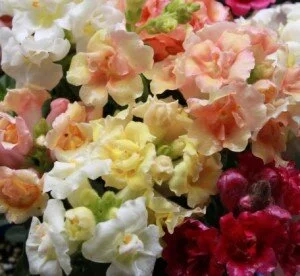
Snapdragon Double Mix
Wonderful warm days, cool nights. I can not express how much I love autumn.
This is usually the time I up end all my all drab/dead pots that lost their lust for life around the same time temperatures hit forty and I got caught up in the school routine.
I usually just throw the dead plants out and throw the soil from the pots if it’s old on the lawn as a quick top dressing.
I love grouping my terracotta pots. Before I even start to plant I work out which pots I want to use and usually have grouping of three or four all different sized and shaped terracotta pots. I also work out where I’m putting my pots and does that area get all day sun, some shade and sun or all day shade.
Next I get my potting mix. I always use, what is in my eyes, the best quality potting mix – Searles Platinum Potting Mix 30Lt. I find that if I give my plants the best possible start in life they are more likely to flourish with little input from me. I use Peat 80 for everything in pots whether its roses, vegetables, azaleas or flowering annuals
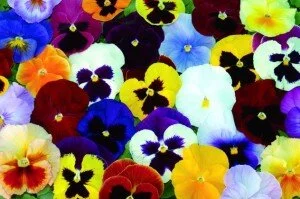
Pansy Mixed
Plants in pots do need a little bit more care and attention than plants in the ground. I try to give my pots a complete organic slow release fertiliser with Organic Link every three months and I alternate my liquid fertilisers fortnightly. I use Triple Boost and Silica and Potash. I am sometimes a bit forgetful with the liquid fertilising but I have realised that if I want my potted plants to stand out and look really amazing once a fortnight is best.
Next it’s time to choose the plants.
The best thing about this time of year is that I can start filling all my empty pots with winter flowering annuals like pansies, tall snap dragons, primula and violas! Plus all year round annuals like lobelia and asylum.
I’m not usually an annual person. It’s not that annuals are that much work, it’s just I’m too much of an impatient gardener to wait for the seedlings to grow into plants and flower! But I just love the cooler flowering annuals.
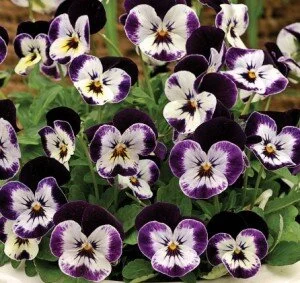
Viola Mixed
Some of you may be wondering what an annual is.
Annuals are a range of plants that usually flower and grow for one season, many do grow for longer. Winter flowering annuals such as pansies and violas will usually only grow in Ipswich during the cooler months by the time Christmas is here they have completely died off.
I may only get five months of winter annual joy but how could I not love the bright infusion of colour these wonderful plants can bring?
The best thing about winter annuals is that many of them are perfect for cut flowers. Snapdragons and stocks can last for a couple of weeks inside in a vase.
This weekend get outside, get dirty and breathe back some life into your old pots.