Importance of Horticultural Shows
For years, Trevallan Lifestyle Centre has proudly sponsored the horticultural section at the Ipswich Show and honestly, I think sometimes people forget just how important these sections really are.
The Ipswich Show Society actually began life as the Ipswich Agricultural and Horticultural Society back on 14 March 1866. Later becoming known as the Queensland Pastoral and Agricultural Society in 1872. The first show itself was held in Churchill along the Bremer River in 1873 before eventually moving to the Warwick Road grounds in 1877.
That means people in Ipswich have been competitively growing and displaying plants for over 150 years.
Years ago, agricultural and horticultural shows were not just sideshow alley and show bags! They were how knowledge travelled. Before gardening shows on television, before Facebook groups and before you could Google why your camellia looked terrible, growers learnt from each other at shows.
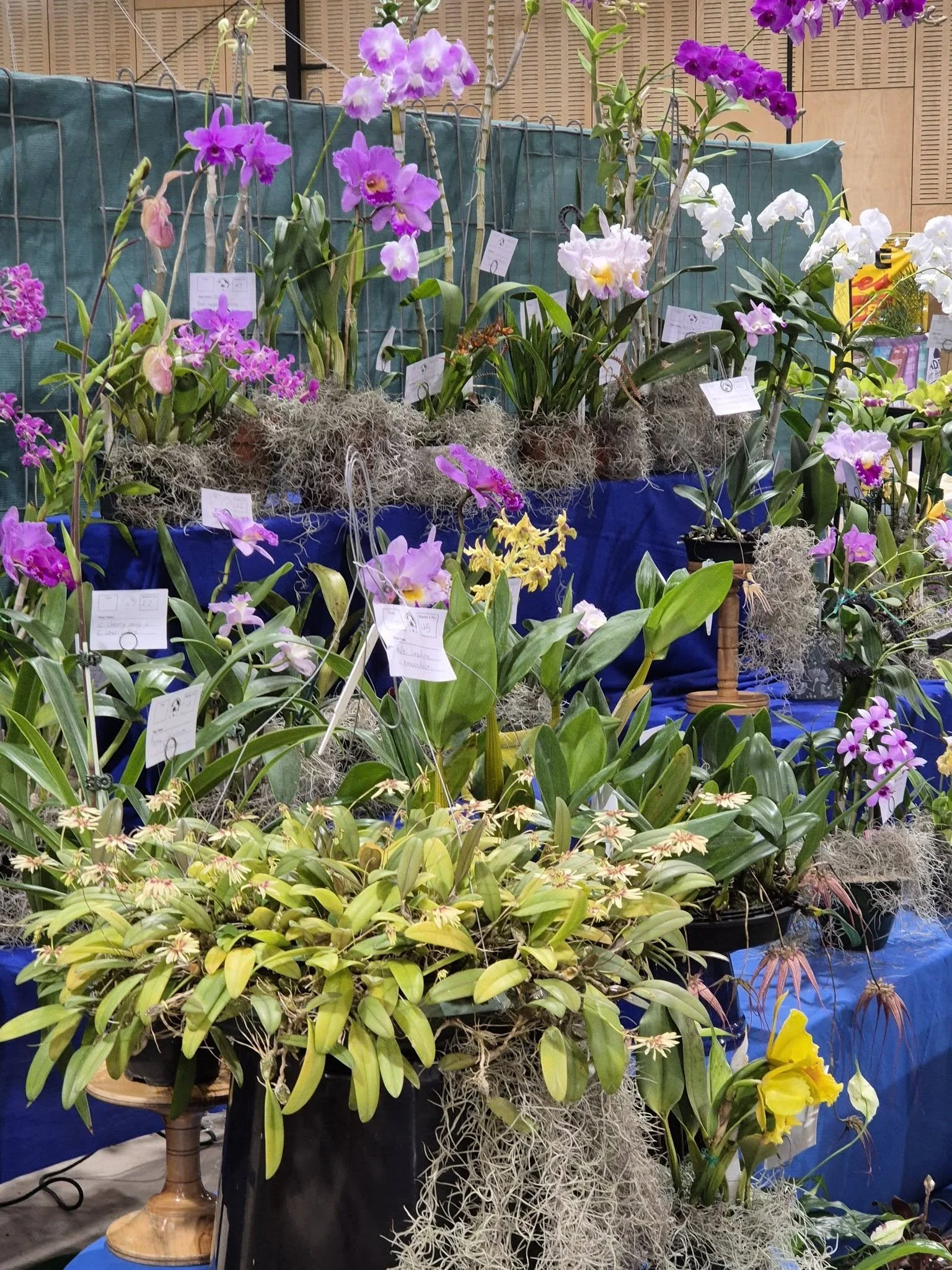
People brought along their best orchids, begonias, chrysanthemums, ferns, vegetables, fruit and flowers to show what could actually be grown in the local climate. You could see new varieties, better growing techniques, different pruning methods, unusual species and honestly probably stalk the person who always managed to grow the best dahlias in the district.
That side of shows still matters but I think many have forgotten why.
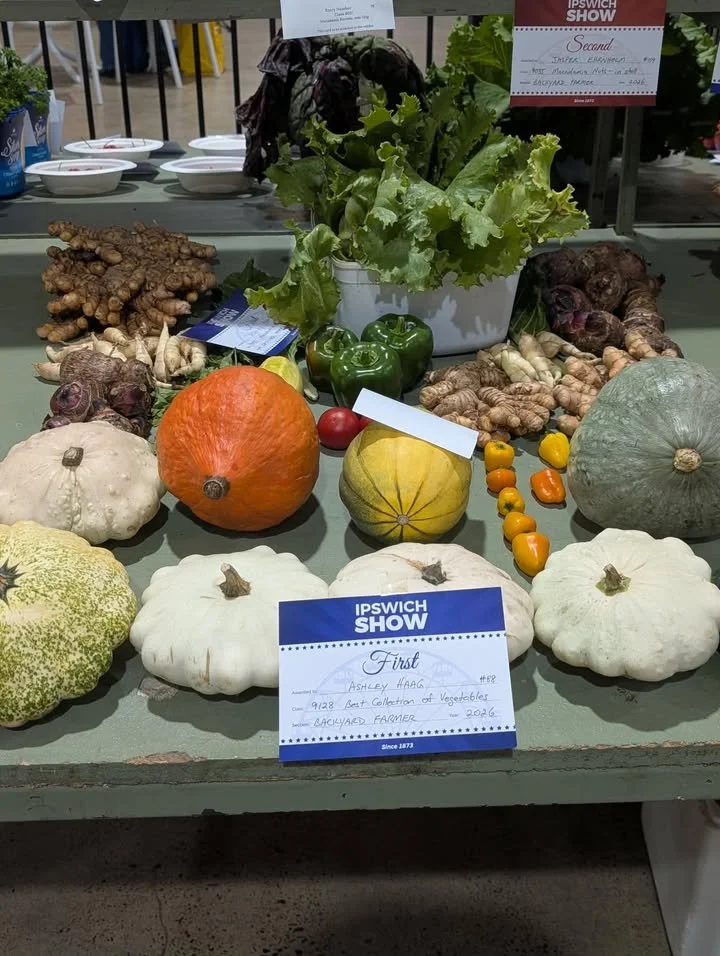
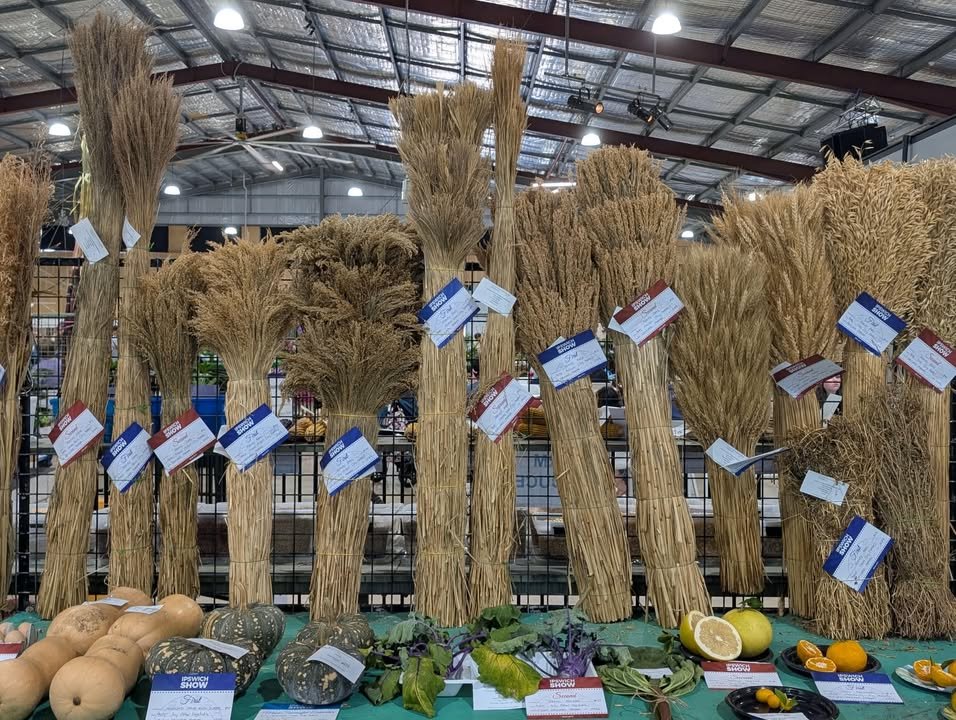
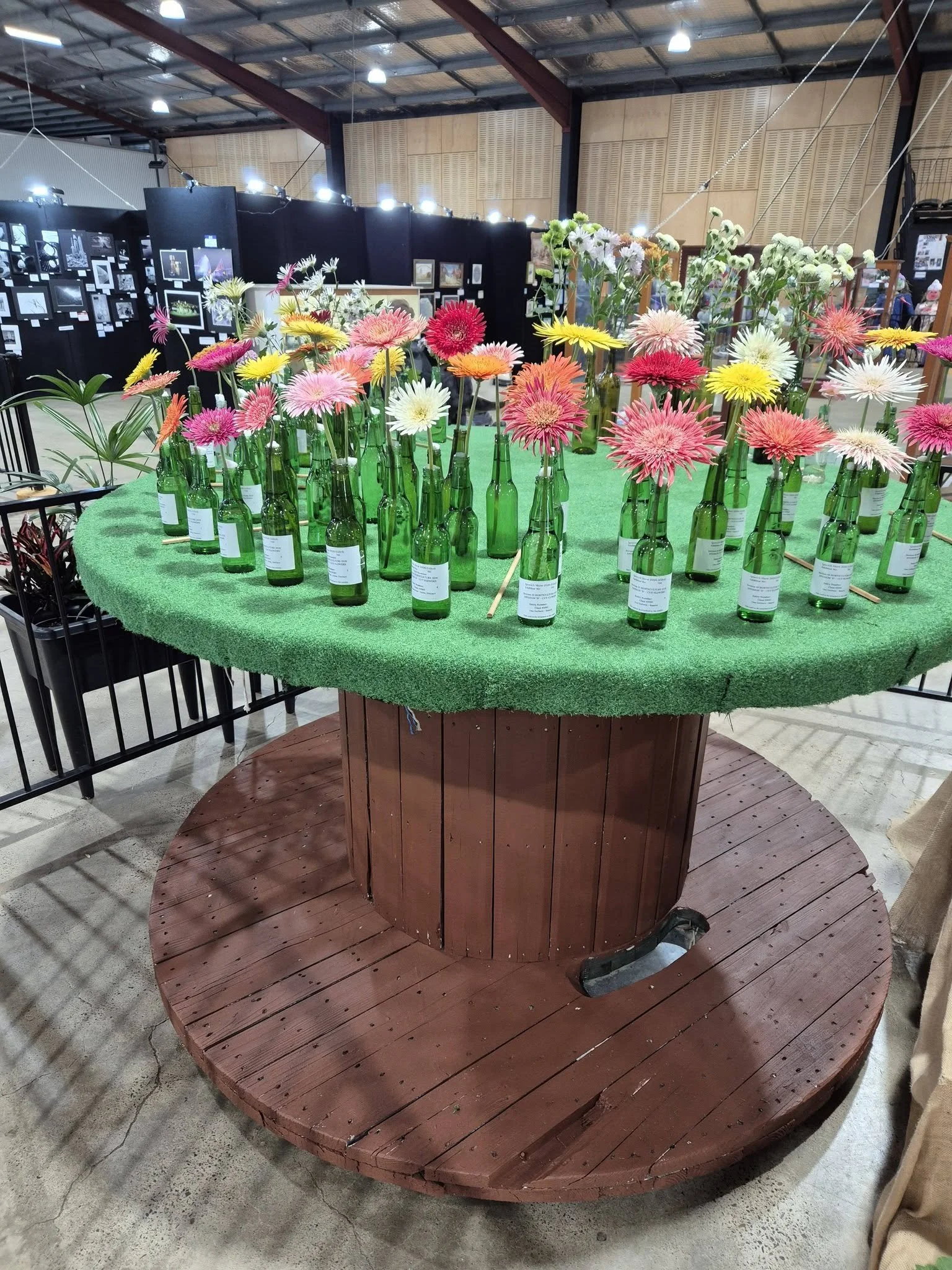
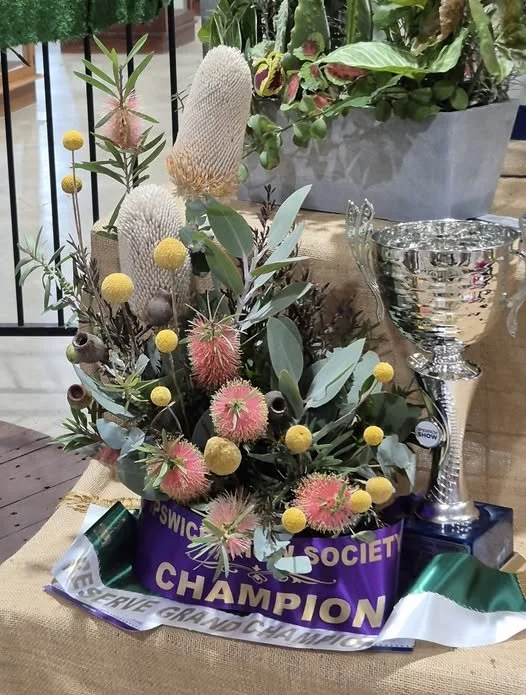
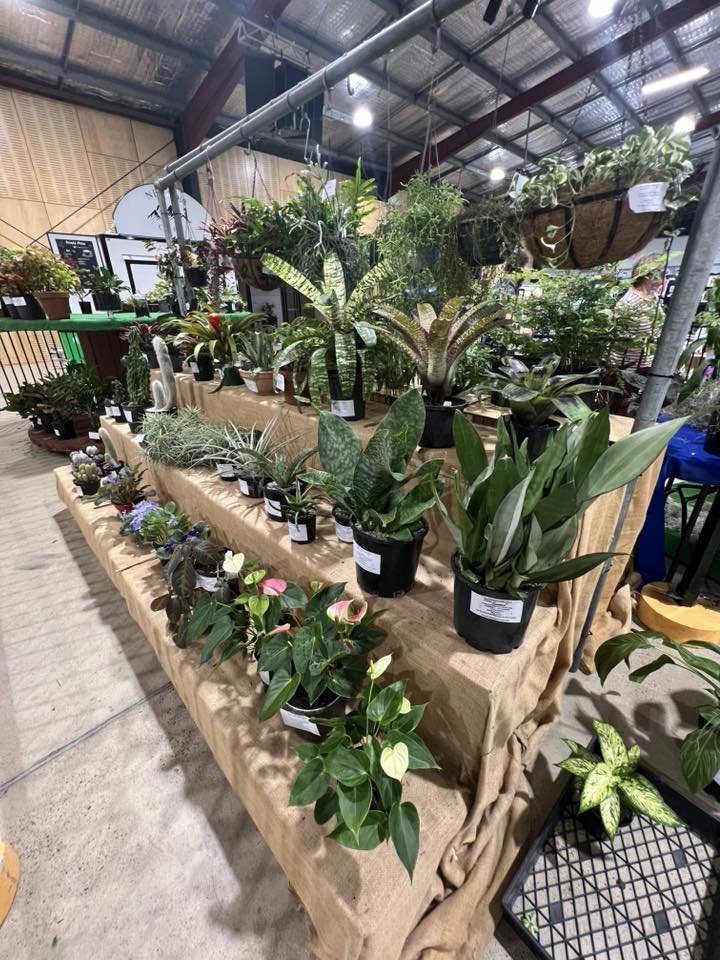
To me the horticultural section at the Ipswich Show remains one of the most eye-catching parts of the event. Competition classes include Potted Plants, Hanging Baskets, Cut Flowers, Floral Work and more, with everyone from individual backyard growers through to clubs and community groups contributing to the displays.
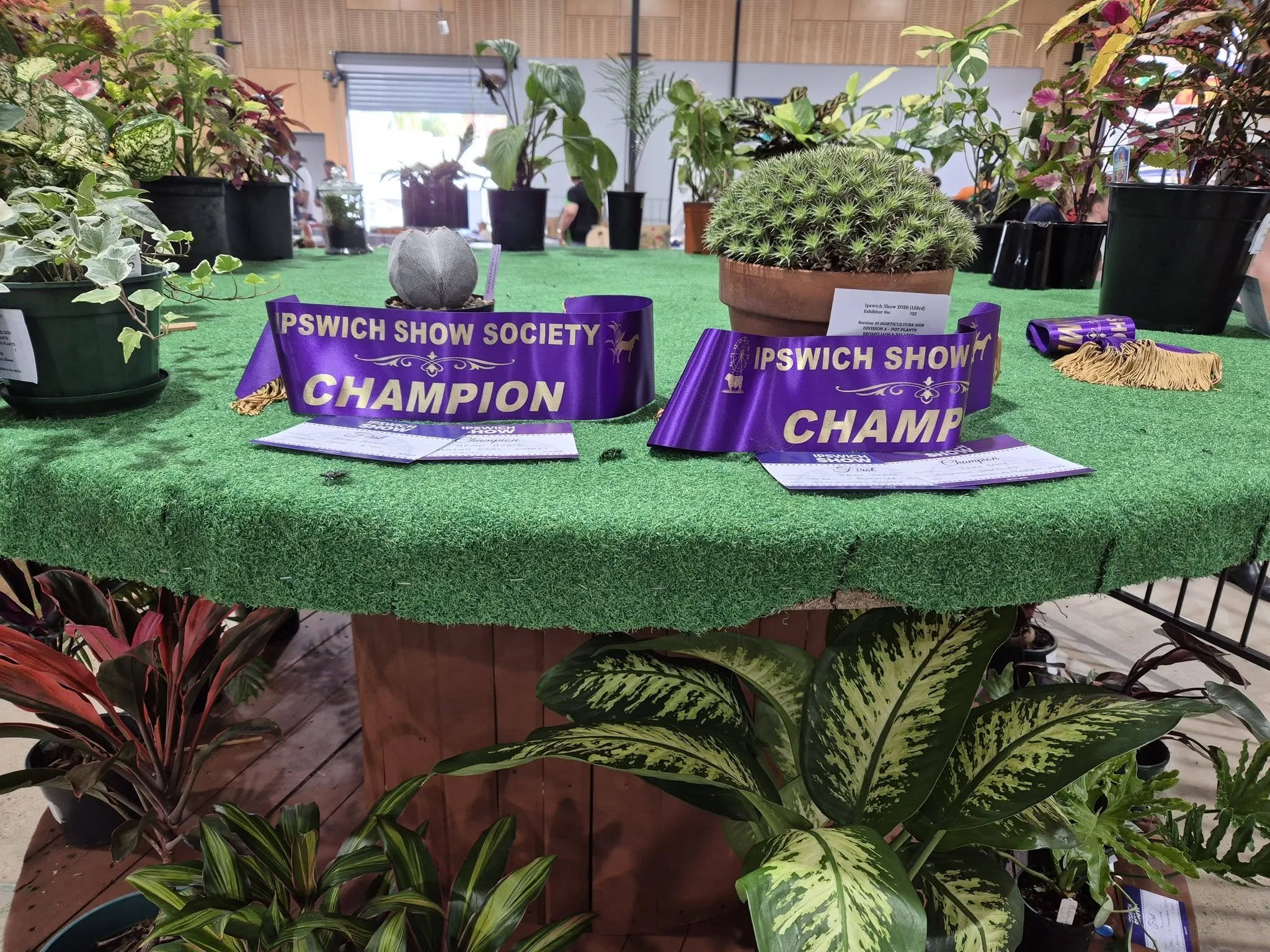
While ribbons and cash prizes are lovely (like really lovely), entering plants is actually about far more than trying to win a prize.
Preparing a plant for display teaches you things and also offers valuable feedback from judges about where you could be doing better.
Sometimes your plant wins. Sometimes you discover it was immature, poorly balanced, overfed, pest damaged or simply up against a grower who has been specialising in that particular group of plants for thirty years. That is not failure, that is horticultural education you won’t find in a classroom.
The fun part, there is absolutely a level of prestige attached to it too.
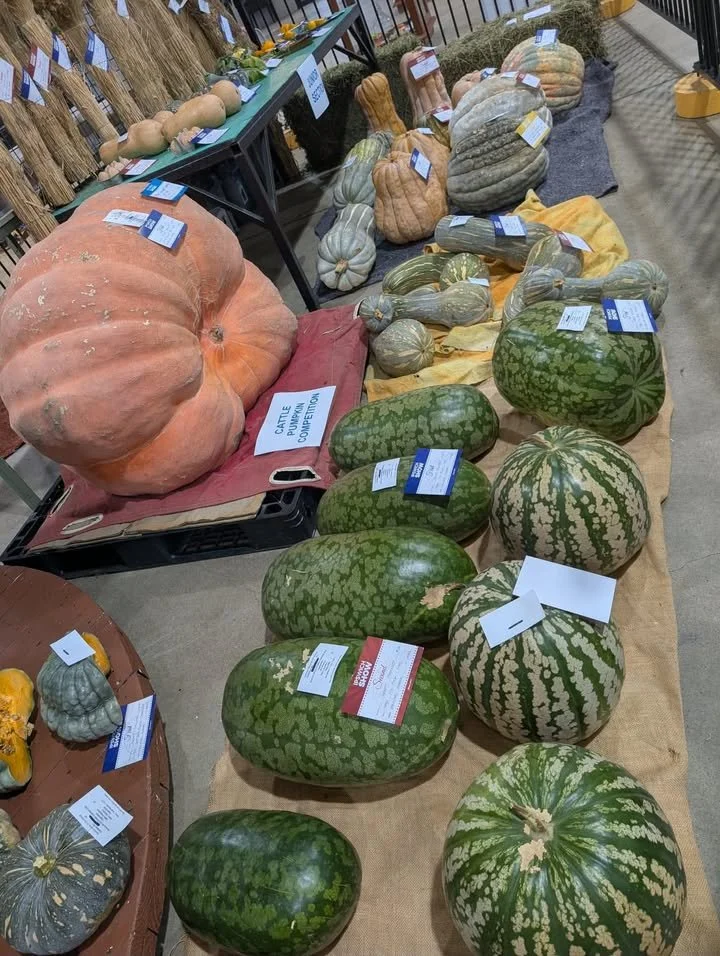
Being able to say you are a champion grower of begonias or orchids changes the way people view your plants and your knowledge. If someone says their pumpkin seeds came from an award-winning specimen, people immediately understand there is skill and quality behind it.
Historically, horticulture has always had that side to it. Long before social media, people built reputations through agricultural shows, plant societies and exhibitions. You became known because you consistently grew exceptional plants.
Honestly though, one of the loveliest parts about exhibiting is that it rarely stops with the plant entry itself.
You enter one plant and suddenly you are talking to the person benching beside you about fertiliser ratios or where they sourced a particular species twenty years ago. Someone tells you about a local garden club. Before long you realise there is an entire community of wonderfully plant-obsessed people quietly existing around you and somewhere along the way, it becomes less of a hobby and more of a lifestyle.
The ribbons are lovely, but it often the real reward is finding your people.
In a time where horticultural knowledge is slowly disappearing, independent growers are under pressure and everything seems to move faster each year, these show sections still matter enormously. They preserve skills, encourage excellence and they remind people that growing plants well is actually something worth valuing.