Find Us:
77 Fernvale Rd
Brassall QLD 4305
(07) 3201 8630
Open:
Tue-Sun 9am - 4pm

My List of Jobs to Do in September
Some inspiration to get you out in the garden this September
As spring bursts forth with its lively colours, it's the season when our gardens come alive with potential. Springtime signals a call to action in the garden, these are my crucial first steps to take as we wave goodbye to winter and embrace the time of growth and blossoms. From swapping out those fruit fly traps to giving our lawns some much-needed attention, and indulging in the satisfying trim, fertilise, and mulch routine, let's embark on a journey to transform our outdoor spaces into vibrant and thriving oasis.

Change my Fruit Fly Wick
As we kick off the new season, have you taken the time to replace the wick on your trusty Searles Fruit Fly Trap lately? As per recommendation, I switch out the wick every three months, aligning it with the changing seasons. I actually keep the trap active throughout the entire year because, believe it or not, even in Ipswich, those fruit flies can be surprisingly persistent, even when the weather cools down.
And if you're scratching your head wondering what fruit flies are all about or simply want to dive deeper into the world of this native pest, take a stroll through my blog.
Don’t do the Bindii Dance this Summer!
At the beginning of each season, especially Spring, I take the time to give my lawn some TLC. A healthy lawn with strong roots is not only easier to manage but can bounce back swiftly from water scarcity or a lawn grub invasion.
When my lawn isn't at its best, I keep a close watch for the tell tale signs of weeds, especially the notorious bindii. A thick and robust lawn naturally crowds out these intruders, sparing me the chore of constant weeding. My mowing routine always includes using a catcher, and if I have to resort to spraying, I do so before weeds have a chance to bloom and spread.
For more information on keeping your lawn looking good check out our Lawn Challenge
Repot or not to Repot all your indoor and outdoor potted plants?

Searles' Recharge Recharges old potting mixes
When it comes to repotting or potting up my plants, I consistently choose top-quality potting mix like Searles Platinum Premium Potting Mix. This exceptional blend incorporates key elements: a soil wetter to enhance water penetration, water crystals for improved soil water retention, and a dependable slow-release fertiliser to nourish my plants.
For situations where repotting isn't necessary or when I don’t want to repot, I rely on Searles Recharge® Sprinkle & Grow. This remarkable product rejuvenates potted plants and hanging baskets through a combination of controlled-release and instant fertilisers, along with the added benefit of Penetraide Re-Wetting Granules. These granules effectively prevent old potting mix from becoming hydrophobic, ensuring efficient water and fertiliser absorption at the root level. It's an excellent solution for reviving aging potting mixes, depleted soils, and budget-friendly potting blends, ultimately revitalising my potted plants.
Plant any fruit trees I can get my hands on
Planting season is in full swing, and I'm all about getting my hands on any fruit trees I can find! Whether it's figs, avocados, citrus, mulberries, guavas, kiwi fruit, persimmons, pomegranates, olives, or mangos, I'm putting them all in sunny, open spots. The goal? To let these trees take root and thrive before the scorching summer heat and dry spell hits.
Actually, scratch that—I'm up for planting just about anything I can get my hands on right now. This is the prime time to be out in the garden, getting your hands dirty. Whenever I'm doing any planting in my garden, I swear by Searles Garden Soil. Planting directly into this superb mix gives my plants the absolute best start in life.
So why are you still reading this? Get out there and get busy! Plant now, before it gets too hot, too dry, and just plain unpleasant. Your garden will thank you later!
Get the Vegetable Garden Ready

With the changing weather, it's that time again to prepare my vegetable gardens for new plants. Out go the winter vegetables, making way for enriching the soil with a hearty dose of compost and microbes. I always try to designate a corner of my vegetable garden to green manure crops, which I'll dig right back into the soil for an extra boost.
If you're new to vegetable gardening, I've got some quick tips for setting up a new bed that you can check out here.
Once the vegetable patch is cleared and the soil is enriched with compost, it's time to get those summer vegetables in the ground. Think tomatoes, beans, capsicum, carrots, eggplants, cucumbers, watermelons, pumpkins, squash, zucchinis, lettuce, and corn—just to name a few of the varieties perfect for planting now. I like to use a mix of seeds and seedlings, so my crops have a staggered growth. It's all about maximizing that garden yield!
Fertilise Strawberries and Herbs
If your strawberry plants appear to be in good health, it's a good idea to fertilise them with granular sulphate of potash. This will encourage a second round of flowering and fruiting, extending your strawberry harvest.
However, if your strawberry plants and other perennial herbs are showing signs of stress or are not as robust as you'd like them to be, it's time to give them a boost. Consider using Organic Link for overall soil enrichment, along with a high-quality liquid fertiliser like Triple Boost to provide them with essential nutrients for improved growth and vitality. Your plants will thank you for the extra care!
Fertilise and Trim
This is the ideal moment to encourage fresh new leaf growth and the formation of flower buds in your gardens and pots. Begin by delicately pruning away any old growth that has been affected by the cold or has become overly tall and spindly. Afterward, consider fertilising and soil wetting the soil.
Our preferred choices for fertilisers are Organic Link and Triple Boost, and we utilize both granular and liquid soil wetters to ensure your plants get the best care possible. Your garden will thrive with these steps!
Mulch
Mulch all garden beds and pots. It not only helps with water retention, it helps keep soil temperature even and encourages plant growth. Spread a 5 – 10cm layer of organic mulch around plants.
Seize the slighter warmer weather - get outside and enjoy.

Fertilising at Trevallan
Trevallan follows best organic input in our fertilising practices and the other products we use to keep our plants healthy.
Quick Guide to Trevallan's Favourite Things
Trevallan Lifestyle Centre loves to use the Plant of Health Range at home and at the Garden Centre. We stock this range in store, what we use, you can use.

Slow release pelletised fertiliser
Can be used on every plant – natives, roses, camellias, palms, vegetables – we use it on every plant in the centre
Won’t burn or leech
Finely balanced mineral fertiliser
A high carbon, composted fertiliser to promote nutrient retention and to supply a home base for beneficial micro-organisms
For more information click here
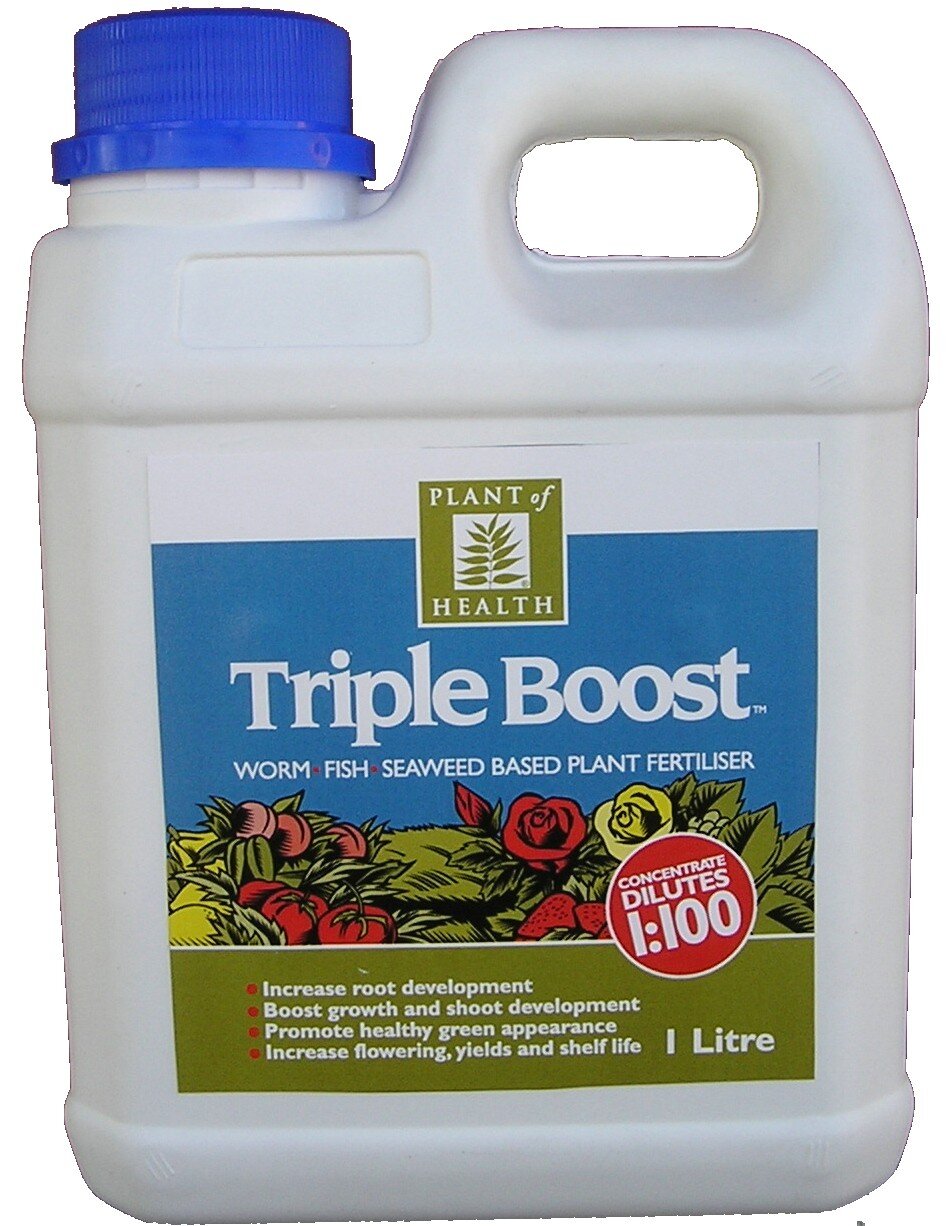
Liquid Fertiliser (mix with water and water over plants foliage)
Boosts growth and root development
Promotes healthy green appearance
Super concentrated fertiliser based on nature’s super foods – fish, seaweed and earthworm combined with trace elements
Contains Tricontanol (extracted from bees wax) powerful photosynthesis enhancer

Liquid Fertiliser (mix with water and water over plants foliage)
Potash helps the plants produce fruit and flowers
Silica can help with plant stress caused by heat, wind, cold and transplanting
For more information Click Here
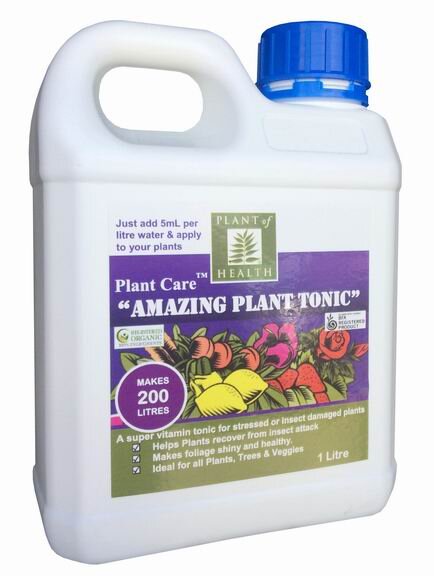
Liquid Fertiliser (mix with water and water over plants foliage)
Super tonic for stressed, flowering or fruiting plants
Helps prevent insect attack
Promotes the plants health during flowering and fruiting
Increases the plants foliage gloss and vitality

Eco friendly surfactant
Allows water to soak into the soil retaining it where it’s needed most.
Available in liquid form or granular form

Organic liquid that provides good bacteria to your soil (PROBOTIC FOR YOUR SOIL).
Enriches and detoxifies your soil and compost.
Healthy soil leads to enhanced plant growth. This can lead to better crop yields, drought and frost resistance and better pest and disease resistance.
Add to water and water into soil

Bio Trace
All in one trace element mix that contains major and micro trace elements that are essential to a plants overall health.
For more information on Trace Elements Click Here

Easy to spread, convenient application
Improves soil fertility
Improved root growth and lush green appearance
Retains moisture
Help put carbon back into the soil
Contains beneficial microbes
Added Trace Elements ensures luxury uptake of minerals maintaining mineral balance & lawn health
Continual use helps prevent Lawn Grub
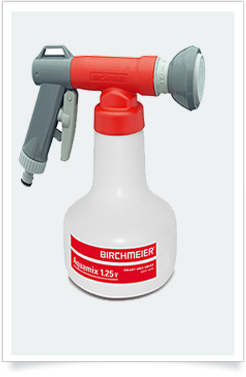
Birchy AquaMix is a fertilizer mixing unit for liquid fertilising without a watering can. The well designed dosing system ensures a precise mixture of water and liquid fertiliser. This is what we use in the garden centre and at home to apply the liquid fertilisers mentioned above.

The Secret to Great Looking Plants
If you've fertilised, watered well, even checked the pH level, what could possibly be wrong with your plants? Trace elements.
I have discovered the secret to great looking plants.
Trace Elements.
Trace Elements isn’t some brand spanking new fertiliser on the block. It’s an essential item to healthy soils.
Most gardeners are going ‘pfft’ - I so knew that.
Well you might know it but how many of you use a complete trace element mix on your gardens at least once a year? What about your pots, at least twice a year?
It seems everyone fertilises and expects to see results. What happens when you do all the right things but you don’t see the results you want?
A common question is – “I’ve given my plants all the TLC they can handle, I’ve fertilised, watered well, even checked the pH level and it's perfect. What could possibly be wrong with my plants?

Most of us are aware that plants require mineral nutrients for their growth and development. Nitrogen, phosphorus and potassium, the macro elements, the names that usually appear on fertilizer packages, whether you use organic or chemical fertilizers. It is sometimes assumed that they are the "important" nutrients. These macro elements are just consumed by the plants in large quantities. Trace elements, micro nutrients can often be forgotten about as they are required in minuscule quantities.
When it comes to macro elements being the most important nutrients, nothing could be further from the truth. Trace elements like Manganese, Iron, Zinc, and Copper, are every bit as vital to the plants metabolism as nitrogen, potassium and phosphorous. They have essential functions and so a deficiency in even one element will adversely affect the healthy growth of the plant. Strangely enough some trace elements when present in excessive concentrations are actually poisonous for plants.
Common gardening practices (such as liming acid soils) can contribute to widespread occurrence of micronutrient deficiencies in plants by decreasing the availability of the micronutrients present in the soil. Also, extensive use of glyphosate (most common weed killer) is increasingly suspected to impair micronutrient uptake by plants, especially with regard to manganese, iron and zinc.

So how do we pinpoint the problems in our soil? We can get a leaf or soil analysis. Yeah right! I couldn’t be bothered with all that.
So what do I do?
I use Plant of Health’s Bio Trace. It has a blend of the key micronutrients (e.g. iron, cobalt and manganese) supported by macro elements. It is also contains fulvic acid to further enhance growth and health.
The best thing about Plant of Health’s Bio Trace, you mix some up in a watering can and pour it over the plants foliage or as a soil drench. Done. Couldn’t have been easier.
Go on breathe some life into your garden and use Plant of Health’s Bio Trace.
Careful though, when you see the difference it makes you’ll be buying it in bulk like I do now!