Find Us:
77 Fernvale Rd
Brassall QLD 4305
(07) 3201 8630
Open:
Tue-Sun 9am - 4pm
Brix
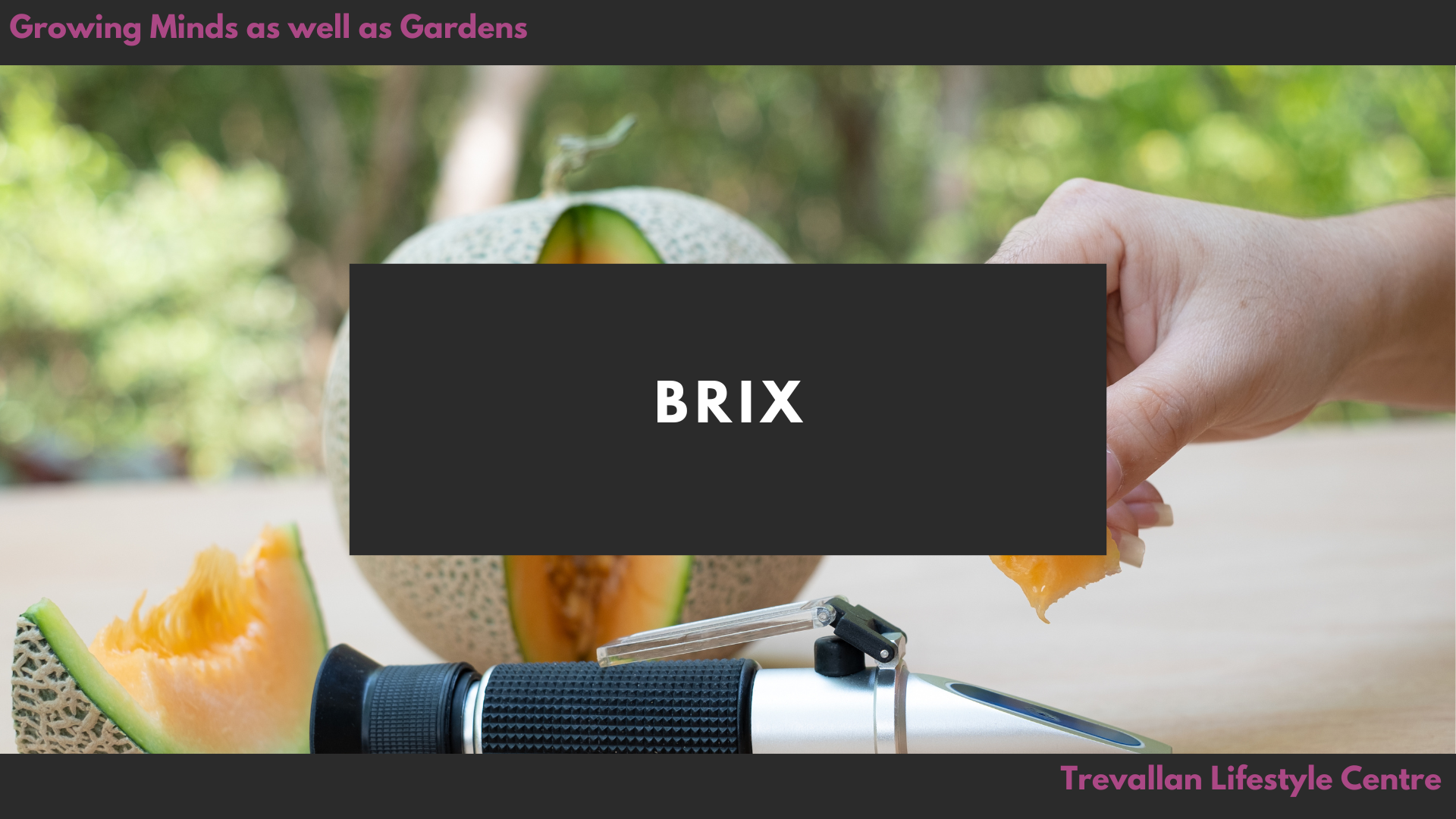
Brix is a simple but powerful measure of how well a plant is functioning. Brix gives insight into photosynthesis, nutrient uptake and overall plant health. Higher Brix is achieved through healthy soil systems that support consistent root function, biology and balanced nutrition.

Refractometer
What is Brix and Why it Matters
Brix (°Brix) is a measurement of the concentration of dissolved solids in plant sap or juice, mostly sugars, but also organic acids, minerals, amino acids and other soluble compounds.
It’s measured using a refractometer, which reads how much light bends as it passes through a drop of plant juice, giving a percentage of dissolved solids by weight.
Brix matters because it reflects how effectively a plant is functioning. Higher Brix readings generally indicate stronger photosynthesis, better nutrient density and greater overall plant vigour. For this reason, Brix is widely used in agriculture as a quality and harvest index, particularly in crops such as wine grapes.
When measured over time, Brix provides insight into plant health and performance. Stable or rising readings suggest efficient energy production and nutrient uptake, while declining readings can indicate stress before visual symptoms appear. This is why many growers now use Brix as a monitoring tool for plant stress and nutrient response rather than relying solely on appearance.
Soil Health and Why its Important to Brix
Soil health underpins Brix because it supports the processes that allow plants to produce and store sugars. Active soil biology makes nutrients plant-available, stable soil structure supports consistent root function, balanced nutrition supports sugar production and transport, and organic matter helps regulate moisture and nutrient flow.
When these systems are working together, plants are capable of higher Brix. Sugars produced through photosynthesis are exuded into the soil, feeding microbes that in turn release nutrients back to the plant. The process is circular and self-reinforcing.
It’s important to remember that Brix doesn’t increase simply because fertiliser was applied. When soil health is addressed first, fertiliser becomes supportive rather than corrective and higher Brix follows.
Because Brix reflects how well this whole system is functioning, it can be a useful guide for home gardeners. A rising Brix reading suggests the soil is functioning well, allowing roots to access nutrients and water consistently. That consistency supports steady photosynthesis and steady sugar production.
In commercial agriculture, however, Brix is rarely used in isolation. Growers often pair Brix testing with plant tissue analysis: Brix shows overall system performance, while tissue testing identifies which nutrients may be limiting. Agronomic research shows that fertiliser timing, soil moisture and overall nutrient balance all influence soluble solids in crops.
What Brix numbers mean
Brix values vary by crop, climate and genetics, but the following ranges provide a useful general guide.
Leaf sap Brix (plant health indicator):
Below 6° — weak photosynthesis, high stress
6–9° — moderate health
9–12° — strong metabolic activity
Above 12° — excellent performance and nutrient density
Fruit Brix (flavour and quality indicator):
8–10° — average or standard quality
11–13° — good quality
14–16° — excellent
17+° — exceptional, often seen in well-managed soils
Just to remember, these aren’t hard thresholds. Brix varies with environment and crop type, which is why commercial growers don’t rely on Brix alone. For home gardeners, however, it provides a valuable reference point for understanding plant performance and soil function.
Choosing the Best Oranges for Your Backyard
Discover the best orange trees for your garden. Learn about their flavour, season, health benefits, and why citrus make stunning feature trees, pot plants, hedges or espaliers. Grow your own juicy, fragrant oranges with Trevallan’s expert tips.
Few fruits are as universally loved as oranges. They are sweet, tangy, juicy, and versatile in the kitchen. Plus, they are a powerhouse of nutrition. A daily serving of fresh fruit from your own tree can do wonders for your wellbeing:
Vitamin C boost – Oranges are famous for their high vitamin C content, which supports your immune system and helps ward off winter colds.
Antioxidants – Varieties like Cara Cara and Blood Orange are especially rich in antioxidants such as lycopene and anthocyanins, which support heart health and fight free radicals.
Fibre – Eating an orange (rather than just drinking the juice) gives you plenty of dietary fibre, which aids digestion and keeps you feeling full.
Hydration – Oranges are made up of over 80% water, making them a refreshing way to stay hydrated.
Everyday wellness – Regular citrus consumption is linked to improved skin health, better iron absorption, and overall vitality.
At Trevallan we’ve chosen to stock a small but well-considered range of orange varieties this season. These aren’t just any oranges, each one brings something unique to your table and your garden.
Beyond the obvious joy of picking your own juicy fruit, oranges are long-lived, ornamental trees with glossy evergreen foliage and fragrant white blossoms. They’re as beautiful as they are practical, providing both food and shade.
But don’t think of citrus as only “fruit trees for the orchard.” They shine just as brightly in ornamental and creative plantings:
Feature trees – A single orange tree can anchor a garden bed, drawing the eye with its glossy foliage and glowing fruit.
Scented gardens – Few fragrances compare to citrus blossom. Planting oranges near an entertaining area, pathway, or window means you can enjoy that heavenly perfume in spring.
Pots and courtyards – Oranges adapt beautifully to large containers, making them perfect for sunny patios and small gardens. Dwarf grafted varieties keep things compact while still producing generous crops.
Hedging and screening – With regular pruning, citrus can be trained into dense, productive hedges that are both practical and attractive.
Espalier – For a touch of European charm, oranges can be espaliered against a wall or fence, creating living architecture while saving space.
Plant one (or more!) and you’ll quickly discover why citrus trees have been treasured for centuries. Not only for their fruit, but for their beauty, fragrance, and versatility in the landscape.
Let’s explore the stars of the orchard:
Washington Navel
The undisputed classic and the most popular backyard orange. Washington Navels are famous for their seedless, easy-to-peel fruit. Their flavour is bright, sweet with just a hint of tang, and they’re perfect eaten straight from the tree.
Season: Late autumn to early winter.
Fruit: Medium to large, thick-skinned, seedless.
Why choose it? Reliable crops, consistent fruiting, and an all-rounder. If you’re planting your first orange, start here.
Cara Cara Navel
At first glance, you’d mistake it for a regular navel orange, but cut it open and you’ll be surprised by the rich salmon-pink flesh. This colour isn’t from anthocyanins (like blood oranges) but from natural lycopene, the same antioxidant found in tomatoes. The flavour is sweeter, lower in acid, and often described as having berry or cherry undertones.
Season: Late autumn into winter.
Fruit: Medium to large, pink flesh, seedless, juicy.
Why choose it? It’s an easy-to-grow tree that produces fruit with a unique flavour and colour.
Blood Orange
The dramatic beauty of the citrus world. Blood oranges have rich crimson flesh, thanks to anthocyanins that develop best during cooler nights. Their flavour is intense, a sweet orange base layered with a raspberry-like tang. They are brilliant for fresh eating, but also shine in cocktails, marmalades, and desserts.
Season: Mid-winter through early spring.
Fruit: Smaller to medium-sized, deep red flesh, strong flavour.
Why choose it? If you want something striking and different.
Orange Pineapple
This variety stands out for its naturally sweet, low-acid flavour. Perfect for those who don’t enjoy the tang of traditional oranges. The taste is often described as tropical, with a faint pineapple-like sweetness, making it excellent for juicing.
Season: Winter into early spring.
Fruit: Medium-sized, golden flesh, extra sweet and low acid.
Why choose it? For juicing enthusiasts and anyone who loves sweeter citrus.
Growing and Caring for Oranges
Whether you’re planting in the ground or in a large pot, oranges are wonderfully rewarding. With the right care, they’ll reward you with fragrant blossoms and bowls of fruit each year.
Position & Soil
Full sun is non-negotiable. The more sun, the sweeter the fruit.
Plant in well-drained soil. Oranges hate “wet feet.” If your soil is heavy clay, mound the planting area or stick to large pots with premium potting mix.
Pots vs Ground
Ground: Trees will grow larger and produce more fruit.
Pots: Choose a dwarf grafted variety where possible, and plant into at least a half wine barrel size. Potted trees crop well but need more attention with feeding and watering.
Fertilising
Oranges are heavy feeders. Keep them healthy and productive with:
Three main feeds per year (early spring, mid-summer, early autumn) using a complete organic fertiliser, like Organic Link.
Supplementary feeding with liquid fertilisers such as Triple Boost or Potash + Silica every 2 weeks during the growing season.
Add Bio-Trace™ to boost soil health and micronutrients.
Pot-grown oranges especially benefit from regular liquid feeds, as nutrients wash through more quickly.
Watering
Keep soil consistently moist but not waterlogged.
Deep soak less frequently rather than shallow frequent watering.
In pots, check moisture daily during hot weather.
Mulching
Apply sugar cane, tea tree, rainforest fines, or hoop bark mulch to conserve water, regulate soil temperature, and improve soil health. Always keep mulch away from the trunk to avoid rot.
Pruning & General Care
Light prune after harvest to maintain shape and airflow.
Remove dead or crossing branches.
In pots, prune harder to keep trees manageable.
Watch for pests like citrus leaf miner and scale. Treat with horticultural oils or eco-friendly sprays if needed.
At Trevallan we believe gardens should feed both body and soul. Oranges do exactly that. They’ll scent your spring evenings, brighten your winter mornings, and remind you just how good homegrown food can taste.
Which one will you take home — the classic, the sweet, the dramatic, or the tropical? Whichever you choose, your garden will thank you.