Find Us:
77 Fernvale Rd
Brassall QLD 4305
(07) 3201 8630
Open:
Tue-Sun 9am - 4pm

Mites
MITES may be invisible to the naked eye but the damage they can cause to plants and lawns isn't so unobvious.
MITES
These pesky bugs are everywhere at the moment, even in lawns. I have found out there are about a gazillion different types of mites (well maybe not a gazillion but quite a few).
Unfortunately mites are invisible to the naked eye. The damage isn't so unobvious.
Some signs of mites
leaves take on a brown, felt-like appearance
distorted, knobbly new growth
the leaves may have yellow blotches on them
distortion, deformation, wilting, spotting, streaking or discoloration on the surface of the leaves
Flowers may not open or become distorted
spiderwebbing on the undersides of the leaves or up stems
With all insect infestations I treat the problem at hand but I also look at why the plant or lawn is being attacked. Is the plant/lawn stressed or unhealthy, too dry or too wet. I always follow the advice I was once given by an organic farmer - A healthy plant doesn’t suffer from an insect attack! So if my plants are suffering from an insect attack I deal with the insect but then look at how to make the plant/lawn healthy again.
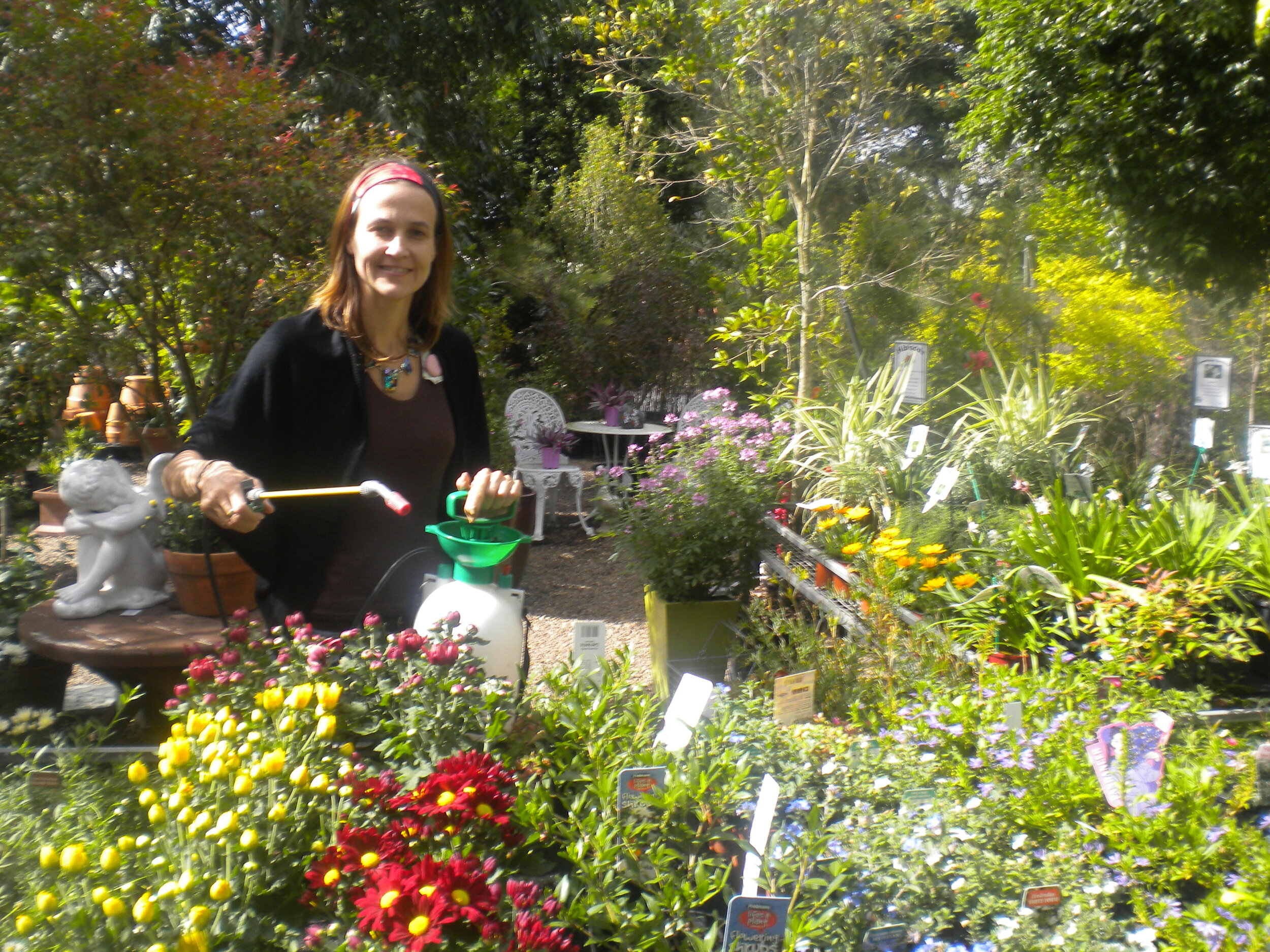
Our method of controlling most pests here at Trevallan is a simple one. Trim and fertilise. Sometimes though a fertilise with Organic Link and Triple Boost just doesn't cut it.
When I asked Des from Plant of Health (the team that make our wonderful organic fertilisers) what to use when i need to ‘spray’ to deal with an insect attack he recommended a weekly spray for at least four weeks with Plant Care and Neem Oil, mixed together. This can be used on lawns too.
Why Neem Oil and Plant Care?
Neem Oil is derived from the Azadirachta indica tree. When applied to insects and the plants they are eating, neem oil causes many insects to feed less, grow more slowly, molt less, and lose interest in laying eggs. Neem also suppresses the hatching of pest insects from their eggs.
Plant Care is like a vitamin pill for plants or when they’re sick or stressed. Plant Care contains natural liquid fish proteins, amino acids, liquid vermicast, fulvic acid, natural growth stimulants as well as a special blend of selected herbs and botanical extracts. Plant Care is a natural, non toxic foliar spray and can be used regularly on all plants, vegetables and lawns without the fear of NPK overload or plant damage.
So when mites or any other insects attack take Des' advice ‘a four week intensive care program’. You will see the difference in all your plants as you say goodbye to mites and any other nasty insects that want to destroy your garden.
Good Luck Mite Hunters.

Bugs on my Plants!
At the moment I am finding that aphids are having a feast in my garden. With the warm days many of my plants have tender, yummy, new shoots appearing, just what aphids love. There are many different species of Aphids; they are all small sap sucking insects that vary in colour from green to yellow and black.
Some days start off perfectly - the slow and steady rise from sleep to wakefulness, the smell and taste of a fresh brewed coffee and the deliciousness of a cooked breakfast. Finally as the sun starts to warm up the garden you get motivated to go outside and enjoy the day by being productive.
You take a slow stroll around the garden creating a mental checklist of what needs to be done when you stop short. What on earth has happened to my beautiful plants? They were fine yesterday (or whatever day I was last out here!) Now suddenly they are in dire need of a little TLC. The perfect morning is slowly spiraling downhill.
Even through the cold months insects can play havoc in our gardens.

Aphids on my rose buds
An easy way to keep insects and disease at bay is to keep our plants healthy. I fertilise every three months with a complete organic slow release fertiliser - Organic Link and I try to liquid fertilise every two weeks. Little and often is a great mantra. Fertilising regularly is a great way of helping our plants stay strong and able to fight off disease and insects.
Sometimes though even the best laid plans go astray and plants unfortunately will get disease and insects, it even happens to the best of us green thumbs!
At the moment I am finding that aphids are having a feast in my garden. With the warm days many of my plants have tender, yummy, new shoots appearing, just what aphids love. There are many different species of Aphids; they are all small sap sucking insects that vary in colour from green to yellow and black.
Aphids don’t just suck the life from your plants they also transmit virus diseases such as broad bean wilt. Aphids also secrete a sweet sugary honeydew which can lead to other problems like sooty mold.
Natural predators are lady birds but most of us don't have enough lady birds to stop an infestation.
I like to use neem oil to combat most insects in the garden but two other great organic products are Ecofend® and Eco Oil. Some people find alternating between them is a great idea.
Go and check all your flower buds and new growth. My camellia flowers and hibiscus flowers were inundated with aphids this morning.
Remember prevention is better than the cure so if you haven't fertilised recently now is a great time to do it.