Find Us:
77 Fernvale Rd
Brassall QLD 4305
(07) 3201 8630
Open:
Tue-Sun 9am - 4pm

Growing Spring Flowering Bulbs in South East Queensland
Spring Flowering Bulbs in South East Queensland seem like a waste of time, don’t despair though we can still plant some beautiful bulbs, corms, and tubers, we just need to change what we plant!

Ranunculus flowers almost look too good to be real. These are an easy to grow Spring Bulb
Bulbs, corms and tubers are all sometimes erroneously referred to as bulbs. The technical term for plants that form underground storage organs is geophyte. All these types of plants cycle through vegetative and reproductive growth stages; the bulb grows to flowering size during the vegetative stage and the plant flowers during the reproductive stage.
These plants need certain conditions to trigger the transition from one stage to the next, such as the shift from a cold winter to warm spring.
Due to the bulb, corm or tuber being a storage device, these plants can also survive adverse conditions such as cold, excessive heat, lack of light or drought.
The foliage of these plants absorb nutrients from the soil and energy from the sun for setting flowers for the next year. After the foliage period is complete, bulbs can be dug up for replanting elsewhere.
I just love the idea of my garden bursting with colour and scent in the Spring, like they do down south or overseas, but sadly, Spring flowering bulbs in South East Queensland just don’t really live up to the expectation.

Hippeastrum reticulatum var. striatifolium
Don’t despair though, we can still plant some beautiful bulbs, corms, and tubers, we just have to accept that our choices are different to the southern states. We can still grow tulips, hyacinths, daffodils, ranunculus and anemone here in South East Queensland. It's just they will never grow like they do down south or in Europe. They usually only flower for just one season and we treat them the same as other flowering annuals such as marigolds, pansies or petunias.
If you want bulbs that will naturalise and come up year after year in your garden and pots, you can happily choose bulbs such as Freesias, Ixia, Sparaxis, Jonquils, Babiana, Tritonia, Leucojum aestivum, Eucharis, Sprekelia, Zephyranthes, Rex Begionas or Proiphys cunninghamii (Brisbane Lily). Don't forget we also have some great summer bulbs/corms/tubers like Hippeastrums, Scadoxus, Haemanthus, Caladiums and ornamental Gingers. We are slowly building up our bulb collection here at Trevallan… SHOP BULBS HERE
When I am looking for new bulbs to plant out, I like to look for flowering bulbs native to South Africa, as I find these do a lot better in South East Queensland.
In my quest to achieve a garden that comes alive with flowering bulbs, I asked Claire Bickle from Gardening for the GoodLife to give me a few tips on how to achieve this daunting task!
Claire Bickle's Tips for Growing Bulbs
Place larger bulbs, such as jonquils, hyacinths, daffodils and tulips in a paper bag in the crisper drawer of the fridge for 4-6 weeks before planting. This gives them the chill down they would not otherwise receive in our mild autumns.
Ranunculus corms are best spread out on a thick wad of wet newspaper and covered with another reasonably damp wad overnight before planting the next day. This helps the corms to swell and get ready for shooting once planted.
If growing in pots, use a good quality potting mix and ensure the pots have good drainage. Shallow pots work quite well too and remember some bulbs can be planted closely together.
You can fertilise the soil with Organic Link when planting, but there is no need to start fertilising with liquid fertiliser until they have some growth. Then I alternate fortnightly feeds between Triple Boost and Potash and Silica.
When the bulbs have finished flowering, don’t be tempted to cut all the foliage off. Leave it to die down naturally, as this is how the bulb draws back in all it’s nutrients to store away until the next season.

A range of spring flowering bulbs
I am very excited, the bulb garden of my dreams may just be achievable if I change the way I view my end goal. This year I've bought myself a mixture of bulbs like Gladiolus, Iris, Jonquils and Ranunculus and I have interplanted them amongst my annuals like poppies, pansies and lobelia. I can't wait to try out Claire's tips and see what comes up this and hopefully, next year. One thing about gardening which is for sure though is that it's never the same!
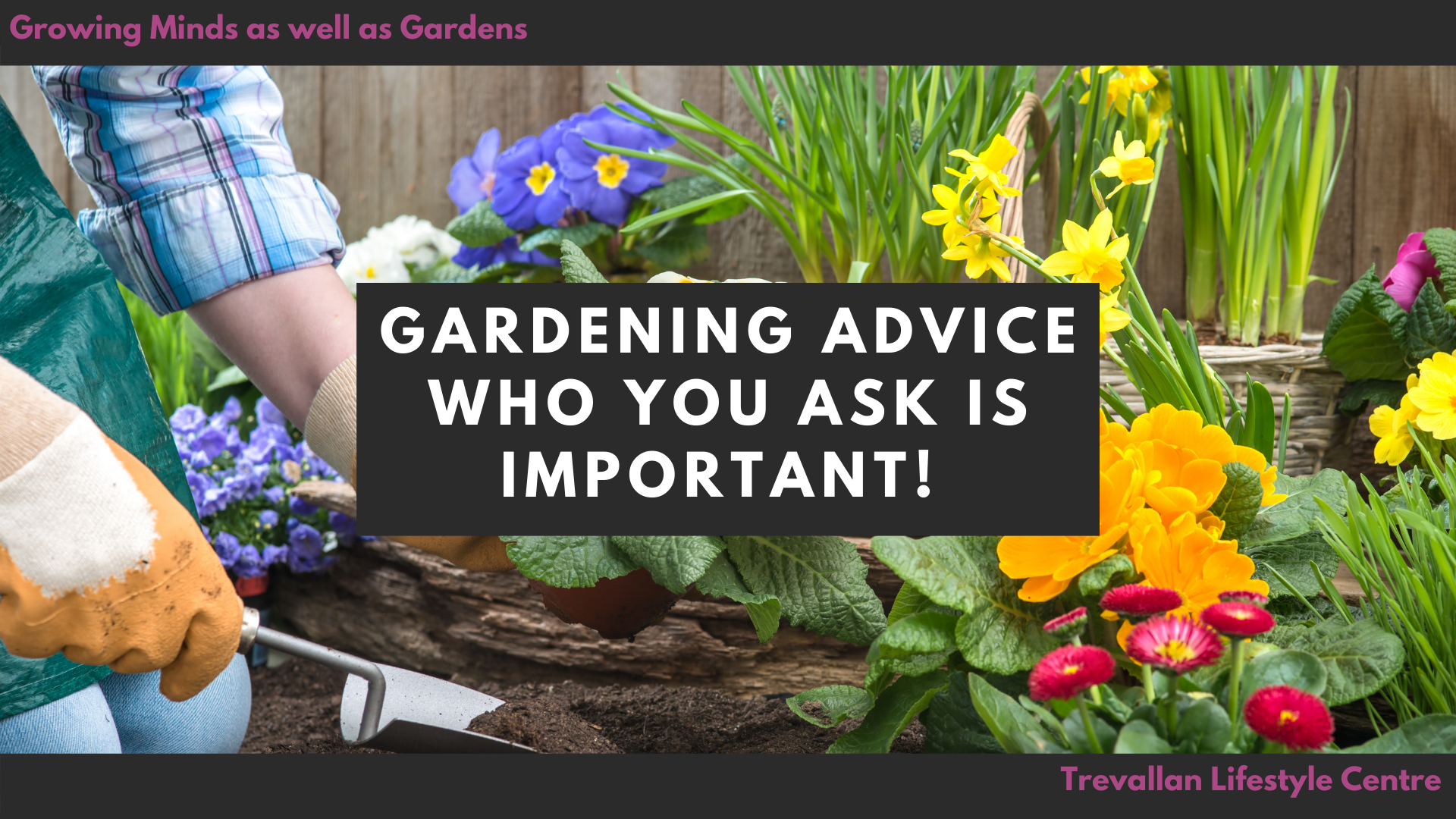
Gardening Advice, who you ask is Important!
Want correct and helpful advice on gardening - visit your local garden centre. The best place to get correct information is a place that specialises in that particular subject.
I was horrified the other day to hear this story…
A customer was in the greenlife section of a big box store when she overheard a staff member recommending a particular potting mix. Curious because all gardeners want to know what they could be doing better, she moved closer to hear more.
What she discovered was shocking: the staff member was recommending a product she recognised immediately as composted fertiliser, not a potting mix at all.
The bag even clearly stated, in bold print: "THIS IS NOT A POTTING MIX."
These first-time gardeners walked away with three bags of the wrong product and a handful of plants. Unknowingly setting themselves up for heartbreak. Their plants were unlikely to survive, and worse, they’d probably blame themselves when it all went wrong.
This is the real danger of bad advice.
When a plant fails, people get discouraged. They feel like they’ve wasted their time, energy, and money. Many give up on gardening altogether, thinking they were the problem, when in reality, it was simply the wrong product for the job.
The right advice makes all the difference.
And the best place to get it?
A business that actually specialises in gardening.
Garden centres are home to qualified, experienced horticulturists. People who don’t just sell plants, but understand them. We’re locals too, which means we’ve battled the same clay soils, the same hot summers, the same tricky planting spots. We don’t just sympathise, we’ve been there.
Our goal is to help you through your gardening challenges, take away the confusion, and bring back the joy of growing. For most of us, this isn’t just a job. It’s a lifelong passion.
Here at Trevallan Lifestyle Centre, between Carolyn and myself, we bring over 50 years of hands-on gardening and horticultural experience to the table.
We work hard to stay current, not just with what looks good, but with what actually works. That means staying on top of:
Changes in product formulations
Plant performance in our climate
Emerging industry trends
Environmental challenges
We attend supplier sessions, horticultural expos and conferences, and regularly read industry journals and research papers. I’m also a proud member of the Horticultural Media Association, which helps keep us connected and accountable as professionals in this trade.
At Trevallan, we’ve learned that we don’t need a thousand gardening items on the shelves. We only stock what we use ourselves. The tools, products, and plants we know work. It’s all about keeping things simple, effective, and grounded in experience.
We also run a number of horticultural workshops and masterclasses throughout the year, because we believe gardens are investments and to make sure that investment thrives, you need access to honest, down-to-earth, professional advice.
So next time you’re ready to improve your plant-life balance and give your space a little TLC, visit the real gardening experts at Trevallan Lifestyle Centre, your local garden centre.