Find Us:
77 Fernvale Rd
Brassall QLD 4305
(07) 3201 8630
Open:
Tue-Sun 9am - 4pm
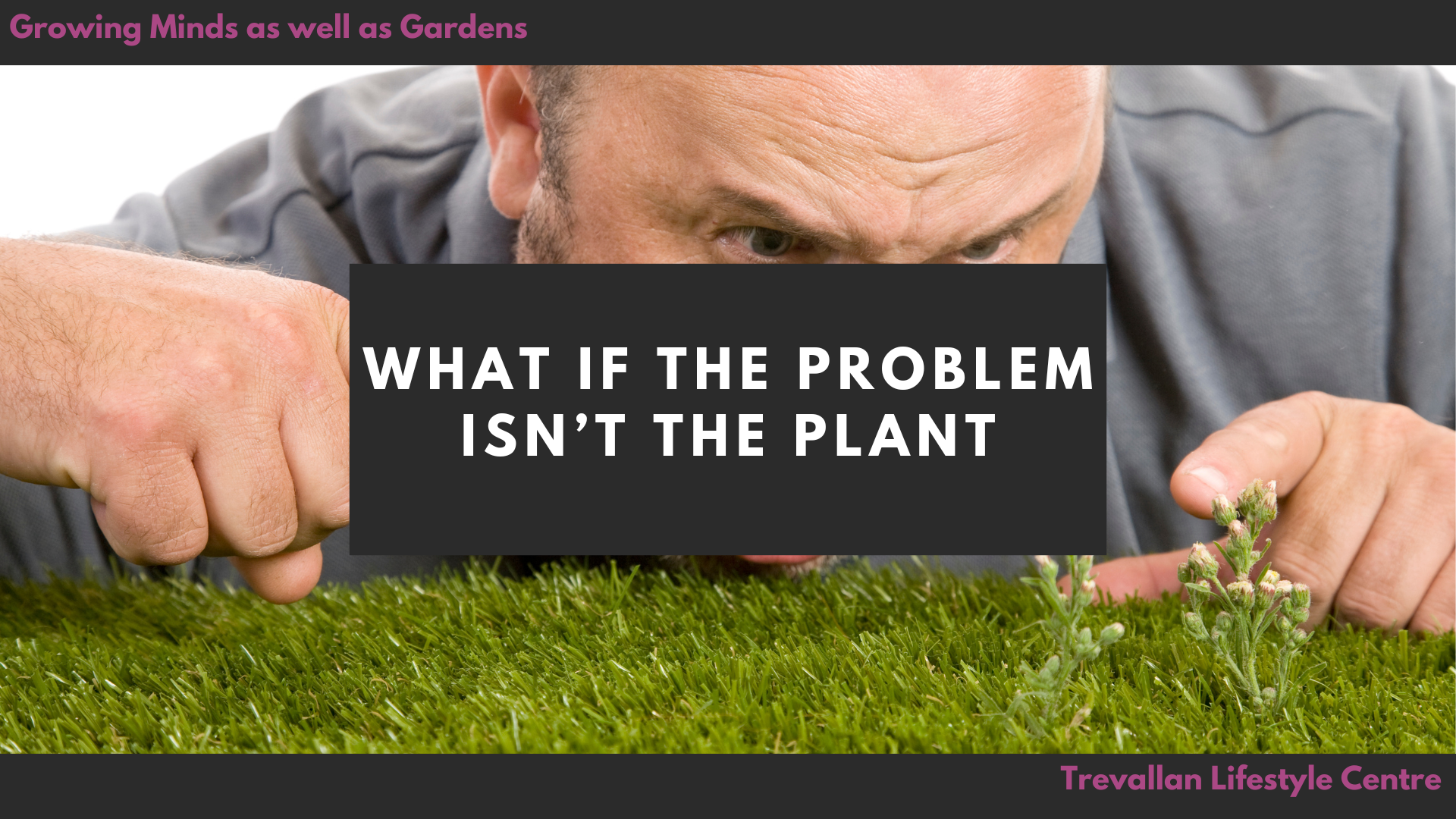
What if the Problem isn't the Plant
This post challenges the unfair blame placed on garden centres and professional growers for weed spread, calling for better education, recognition of horticulture as a trade, and stricter regulation of unqualified sellers. It urges decision-makers to include trained horticulturists in the conversation.
After watching this video, I feel compelled to raise some critical points that were completely overlooked.
Firstly, blanket blaming and banning isn’t the answer.
Let’s start with something simple: maintenance. Whether in home gardens, public spaces, or council plantings, it’s called maintenance for a reason. Thinning, deadheading, pruning, and soil checks are basic tasks. And yet we keep skipping this conversation. If you're planting anything, you need to know how to care for it. If you're in charge of a space, public or private, and you're not qualified, it's time to educate yourself. Ask questions. Learn from garden centres and/or trained professionals. Respect the plants you're working with. Let’s stop demonising plants due to neglect, laziness, or a lack of education.
Yes, there are plants that shouldn’t be sold, and many already aren’t. The idea that the entire nursery and garden industry is to blame, or that it’s completely unregulated, is not only unfair, it’s simply untrue. There are regulations, and many species are either banned or restricted depending on the region.
Most independent garden centres offer personalised advice and often warn customers about plant behaviour and risks. But it’s not their role to determine whether someone will neglect their plants, dump them in bushland, or pass them along irresponsibly through friends or online marketplaces. If we’re looking for accountability, maybe it’s time for a national register of repeat offenders. Those who consistently allow invasive spread, dump green waste illegally, or sell problematic plants through unregulated platforms.
Let’s be honest: we don’t ban fast fashion, even though it causes undeniable environmental damage. We don’t blacklist the companies or individuals perpetuating it. In fact, we rarely even call them out. Yet we’re quick to vilify growers and garden centres doing their best within a broken system.
And while we’re here, let’s talk about nationwide chain stores. They often make purchasing decisions at a national level with no consideration for regional climates or ecosystems. From now on, these chains must be required to consult locally trained and experienced horticulturists, professionals who actually understand what is suitable for that specific area. If they can’t offer that level of care or advice at a higher level, how can they offer that on the sales floor? Maybe they should be restricted from selling plants altogether.
And here’s the part that gets missed too often:
A plant that behaves invasively in one region may be perfectly well-behaved in another. Many so-called “weeds” are only classified that way in certain areas, while in others, they’re playing an important ecological role, providing soil coverage, reducing erosion, preventing more aggressive weeds from taking hold, and even offering habitat and food sources for wildlife.
Likewise, some native species can become weeds when planted outside their natural range. So the blanket call to “just plant natives” is not only simplistic, it’s often misleading and counterproductive. And even when we do want to use more appropriate native species, there’s a practical barrier: many simply aren’t grown commercially. Not because horticulturists are unwilling, but because the supply chain, propagation infrastructure, and commercial demand don’t currently support them.
After all this, we need to turn our attention to unregulated markets, where there are little to no rules in place. It’s not just about selling declared weeds. It’s about biosecurity.
Who knows what soil or conditions these plants have been grown in? Are sellers on platforms like Marketplace or eBay adhering to fire ant protocols? Myrtle rust controls? Do they know what diseases or pests they might be spreading?
Meanwhile, professional nurseries, growers, and garden centres operate under strict regulations, including quarantine laws, biosecurity protocols, weed control, and chemical use standards. Many go above and beyond to ensure their practices are safe, sustainable, and regionally appropriate. Yes, the industry is technically ‘self-regulated’, but let’s be clear, we’re the ones held legally accountable. We face thousands of dollars in fines, the threat of business closure, and even jail time if we breach those standards.
And yet, the blame still falls on us.
That’s not just inaccurate, it’s lazy.
Now, let’s talk about the most alarming part: The person interviewed about these so-called “problem plants”? They used a plant ID app to support their claims.
Let that sink in.
We are platforming voices to lead national conversations on horticulture while ignoring the trained professionals who actually understand plants, landscapes, ecology, and long-term impacts. You cannot make serious claims about weed risk or garden design based on a smartphone guess and walking through a public space.
Let’s stop the knee-jerk bans and broad-brush blame.
We need horticulturists at the table. People with real-world knowledge of propagation, ecology, biosecurity, and plant behaviour. Stop sidelining the people who live and breathe this work.
And we need education. Not a watered-down government scheme. Not a one-day course run by someone who’s never held secateurs properly. We need education led by trained, experienced professionals. The ones who’ve worked in the soil, in the nurseries, in the wild, and in our changing climate. Education that considers regional needs, long-term impact, and plant-human-environment relationships. Education that empowers gardeners, landscapers, and councils alike.
Horticulture is not a hobby. It’s a trade. A science. A profession. And it’s time we started treating it like one.

The Crisis No One Talks About
“Can You Fix It?” is a personal and passionate look into the reality of working in horticulture today. Through real-world stories and industry insight, this piece highlights how garden centres often become the emergency fixers for poor advice, quick fixes, and misunderstood plant care. It shines a light on the overlooked professionalism of horticulturists, the lack of industry support for proper training, and the growing gap between good intentions and real expertise.
“Can You Fix It?”
The Hidden Cost of Cheap Advice and the Quiet Strength of Horticulture
Recently, I saw a post from Tim’s Garden Centre, and it stopped me in my tracks because… well, I feel it. Every single word of it.
“I spend my time fixing gardeners’ problems. They send me photos. They want my advice. ‘How can I fix this?’ One bought a rapid weed killer off the shelf and sprayed the lawn — didn’t just kill the weeds, killed everything.
Another went to the big shed, asked for a weed killer, forgot to mention the words ‘for my lawn’. They sold him a non-selective herbicide. Lovely guy. He even sprayed the neighbour’s lawn to help out.
A week later, he calls in a panic. ‘I’m in trouble with the neighbour — what do I do?’
He didn’t buy the product from me, but he wants me to fix it. That’s horticulture.”
And that’s what it’s like running a garden centre. That seems to be horticulture now.
We’re the ones who get called from the plant aisle at the big box store, mid-shop (or in some cases, after the damage is done!) because someone’s overwhelmed and unsure.
We’re the ones people swing past on their way home from the markets because they bought something “pretty” and now need to know what it is, how to plant it, or why Google gave them three different answers.
We’re the backup plan. The plant rescue hotline. The quiet fixer behind the scenes.
And honestly? I love helping people build their green dreams.
There’s nothing better than seeing someone light up when their garden finally starts to thrive.
But here’s what gets hard.
Not the helping, but the constant undervaluing of the profession behind it.
Every week, I find myself gently untangling planting plans that went wrong.
Sometimes a hard landscaper or landscape architect designed the layout, but without any real understanding of the plants, soil, climate, or the client’s capacity to maintain it. Sometimes the sign said one thing. Sometimes the label gave poor advice. Sometimes Google offered a home remedy with no real measurements, and the rest was guesswork.
People sometimes aren’t given real advice.
No one asked about their soil, their aspect, their climate, or their ability to maintain what they were planting.
No one asked the deeper question: “What are you actually trying to achieve?” (In some cases, like killing weeds, the goal wasn’t even to kill the lawn at all.)
I wrote about this same issue years ago (and in several articles since), a shocking example where composted fertiliser was recommended as potting mix to new gardeners. It was a costly mistake that could’ve been avoided with the right guidance (The Value of Expert Advice)
And the truth is, they didn’t buy it from us or get advice from us. Not because they didn’t care, but maybe because it was convenient. The price was right. It was the right place at the right time.
We’ve all done it. We’ve walked into a big box store for one thing and walked out with twenty. We’ve deep-dived on Google and walked away feeling like honorary doctors.
And that’s when they come to us.
Not for judgment but for help.
And we do help because creating a thriving garden is what we love to do.
It’s Not About Where You Buy
What saddens me isn’t that people buy plants from different places.
I think people should buy more plants, full stop.
What concerns me is the lack of understanding that horticulture is a trained profession. That your local garden centre is filled with people who’ve studied soil, plant health, design, and care. That we’re not just selling plants. We are trying to set your plants and you up for success.
Horticulture Is a Trade. A Profession. A Craft.
In parts of Europe, the UK, and Japan, horticulturists are treated with the same respect as builders, electricians, or chefs.
In Germany, becoming a horticulturist involves formal apprenticeships, exams, and specialist certifications.
In Japan, the art of garden-making is passed down like a sacred trust.
In the UK, head gardeners at Botanical Gardens and historic estates are highly qualified experts with decades of experience.
And here in Australia, especially in Queensland, horticulturists, who would be seen as trained tradespeople or even masters in some countries, are often just seen as “gardeners.” Hobbyists. Someone who liked plants and decided to open a shop.
What’s worse is that many of the people in leadership positions, within industry bodies, councils, and government, seem to lack even a basic understanding of the trade they’re meant to represent.
How can one advocate for an industry they don’t fully understand?
Horticulture Is a Skilled Profession
Granted, there will always be someone who knows more, but trained horticulturists understand root systems, pest cycles, fertiliser chemistry, pruning schedules, pH balances, plant pairings, and climate shifts.
And if we don’t know something, we are always willing to learn. We are always the first ones on new innovations and information.
Local garden centres don’t just stock what looks good.
We stock what works, in your region, in your soil, in your home.
The Root of the Problem
There are many problems, but one of the biggest is how the industry has shifted.
We’ve been trained to believe that if a plant dies, you just get your money back. But what does that teach us?
That garden plants are disposable?
That success in the garden is based on luck rather than applied science, technique, and professional knowledge?
Because the truth is, thriving gardens aren’t an accident. They’re the result of thoughtful planting, good soil, the right location, and of course, the right advice.
Industry bodies keep pushing for better labels, QR codes, website links, and social media presence.
But where is the push for education and training? Where is the pressure for apprenticeships? For investing in the future of horticulture Where is the call to support your local garden centre’s senior horticulturists? To listen to experts, to consult professionals? Where is the drive to promote horticulture as a trade, not a mowing job?
No One Talks About Soil Anymore
When a plant fails, it’s almost always blamed on the plant. But it’s rarely the plant.
No one asks:
What soil was it planted in?
Was it hydrophobic?
What aspect was it under?
Was it watered properly?
Was it even the right plant for that space?
And that’s not the customer’s fault. It’s a systems issue. A cultural shift. An erosion of education and professional trust.
The Way Forward: Trust, Respect, and Education
I don’t think you need to buy every plant or get every bit of gardening knowledge from an independent garden centre.
But I am asking you to remember this:
When you need advice… When you want your garden to thrive long-term… When you’re tired of throwing money at plants that don’t live…
Come to your local garden centre. Come to the professionals. Ask the questions. Get the context. Learn from people who actually know. We don’t always have every answer but we’ve made a life out of finding them. Because plants are our passion.
Helping you grow confidently? That’s the real reward.
And if we lose professionals, if you stop using them… the industry will die. And worse than that, there’ll be no one left on the end of the phone. No one to answer your questions.
No one to say: “I’ve got you. Let’s fix this.”

True Cost of Greenlife
Next time you pick up a plant, consider it more than just greenery—it's an investment in expertise, research, and the right conditions for success. Trial and error can be part of the fun, and sometimes bending the rules leads to incredible discoveries.
However, for the best results, expert guidance makes all the difference. With the right advice, gardening doesn’t have to be hard—it can be simple, effective, and deeply rewarding. Seek knowledge, value experience, and watch your plants truly thrive.
Why We Need to Rethink the Way We Value Plants
When a plant dies, what’s the first thing we blame?
The plant itself. It wasn’t strong enough. It wasn’t meant for this climate. It just wasn’t a ‘good’ plant.
But have we ever stopped to ask:
Was the soil right?
Was it planted correctly?
Did it get the nutrients it needed?
Was it given the right care at the right time?
In reality, when a plant doesn’t thrive, it’s rarely the plant’s fault. It can be just lack of knowledge that leads to failure.
This is where the real issue lies: we aren’t just undervaluing plants. We’re undervaluing the expertise required to care for them properly.
The Hidden Costs of Every Plant
Some people see a plant on a shelf and assume its journey started with a cutting and some water. In reality, getting that plant to you is an investment of time, money, and knowledge:
Plant Breeding & Trials
It can take years of research and thousands of dollars to develop a plant that is resilient, beautiful, and commercially viable. Many plants never make it past trials, meaning growers bear the cost of failure before success. This isn’t just true for new plant releases—many Australian natives are incredibly difficult to propagate, and it can take years before they are commercially viable. Some native species require highly specific conditions for germination, while others have low success rates in propagation, meaning extensive trial and error is required before they can be sold in nurseries. Growers invest in these plants long before they ever see a return, and often entire species are abandoned due to the cost and difficulty of making them viable for the market.
Patents, Breeding Rights & Labels
The legalities behind plants can cost thousands, yet this is rarely discussed. Ever wonder why some plants are more expensive? Because they have undergone rigorous testing, licensing, and production costs. There are even laws surrounding the reselling of them. Some plants can only be sold once they reach a certain size or with a specific label. Others are protected under strict propagation laws—meaning cuttings cannot legally be taken and resold. Additionally, some plant labels, particularly those for certified varieties, are expensive to produce and contribute to the overall cost of the plant.
Propagation & Growing Costs
Plants require specialised care, including the right soil blends, fertilisers, and controlled environments.
Transport & Logistics
Moving plants is complex. If done incorrectly, entire shipments can be lost, adding to the cost.
Retail & Maintenance
Even once a plant reaches a nursery, it still requires expert care until it finds a home.
And yet, when a plant is priced higher than expected, people balk. Why? Because the industry has done a poor job of educating consumers about the real value of plants.
Stop Googling, Start Trusting Experts
In an age where information is at our fingertips, many assume a quick Google search is enough to make them an expert in plant care. But the reality is, Google doesn’t know your specific soil conditions, your climate variations, or your personal garden environment—a local trained horticulturist should.
There are some plant retailers that sell plants as commodities, stripping away the value of professional advice. When people buy plants from these places, they often struggle, leading to disappointment and disillusionment with gardening altogether.
It’s Time to Shift the Conversation
Horticulture is a trade, not a hobby. Just like electricians, mechanics, and builders, horticulturists are trained professionals with years of knowledge and experience. Unfortunately, in Australia, over the last ten years, our training has started to lose its depth and rigor. However, there are still dedicated professionals within the trade who have a passion for continuous learning, always seeking to expand their expertise and update their skills.
Plants are an investment, not a disposable product. They require care, expertise, and the right conditions to thrive. Unfortunately, plants are often treated as an afterthought, especially in landscaping. Too often, we see million-dollar homes designed with meticulous attention to detail, only to have their landscapes thrown together with $10 worth of plants and no consideration for soil health, climate, or long-term growth. Plants are not just decorative accessories; they are living organisms that require proper planning, the right foundation, and ongoing care to truly enhance a space. Without investing in the right soil, appropriate plant selection, and expert advice, these rushed landscapes inevitably fail, leading to wasted money, frustration, and a cycle of replacing plants rather than cultivating a thriving, sustainable environment.
Education is key to success. Instead of relying on quick online answers, seek expert advice from those who truly understand plants and how they grow in your environment. If you’re reading this and thinking, ‘That sounds like too much effort,’ don’t worry—it’s not. With the right advice, gardening can be simple, effective, and even enjoyable. The key is to start with good information, tailored to your specific conditions, so you’re setting yourself up for success from the beginning. With expert guidance, growing and maintaining plants doesn’t have to be overwhelming; it can be a rewarding and effortless part of your daily life.
Next time you pick up a plant, consider it an investment, not just in your garden, but in the expertise and years of research behind it.
Trial and error can be a fun learning curve as sometimes pushing the boundaries can lead to exciting discoveries. One of my favourite sayings is, 'Prove me wrong'! I can give you all the advice, but if you manage to make something thrive in the 'wrong' place, that’s an achievement worth celebrating! However, for the best chance of success, seeking advice from trained professionals can save you time, effort, and frustration. We genuinely want to help you make the right choices so your plants thrive and bring you joy. So instead of always relying on trial and error, seek advice from trained professionals who genuinely want to help you succeed.
Plants aren’t "just plants." They are the result of knowledge, passion, and science. Let’s start treating them that way.